
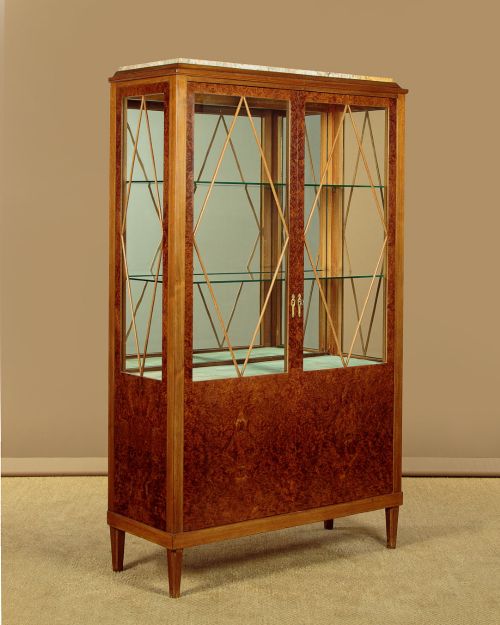
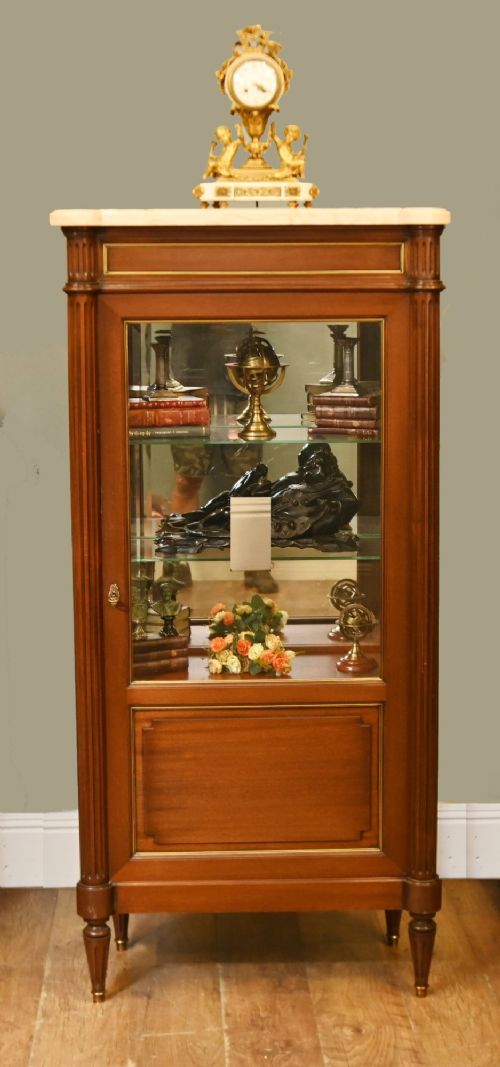
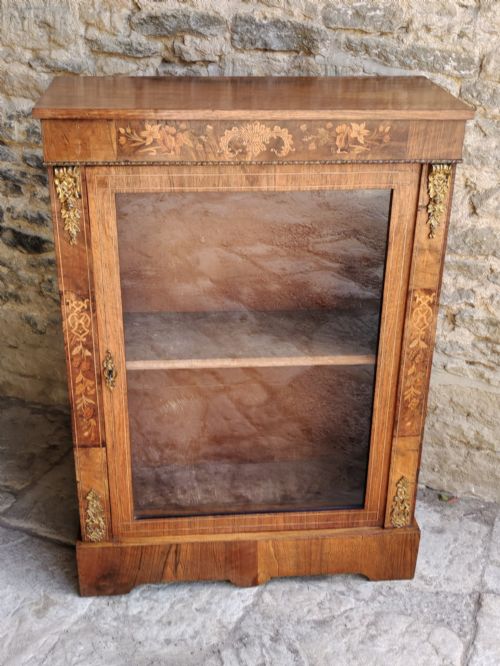
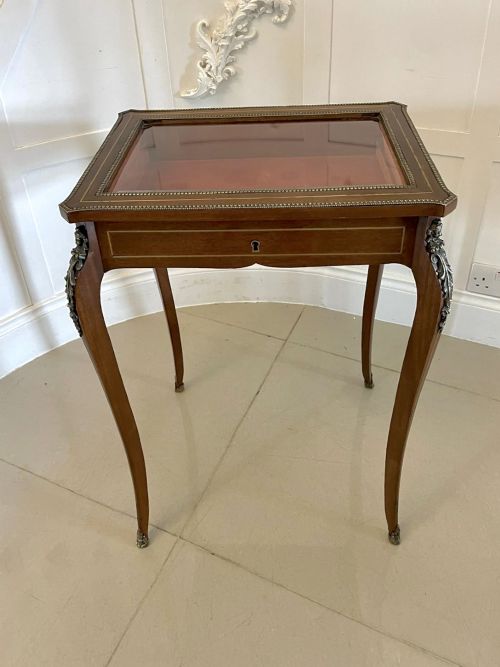
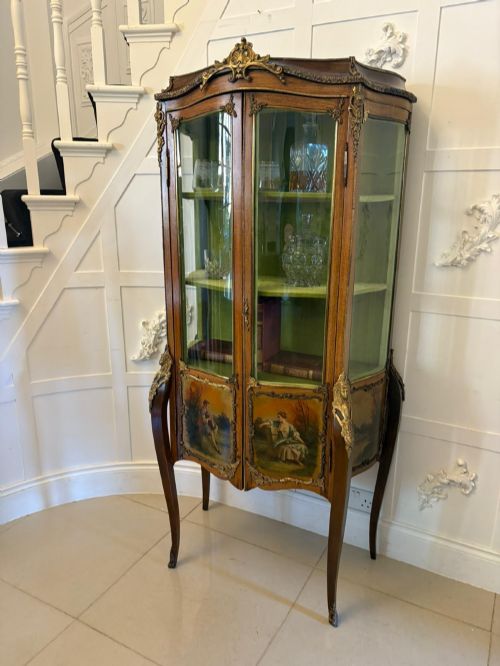
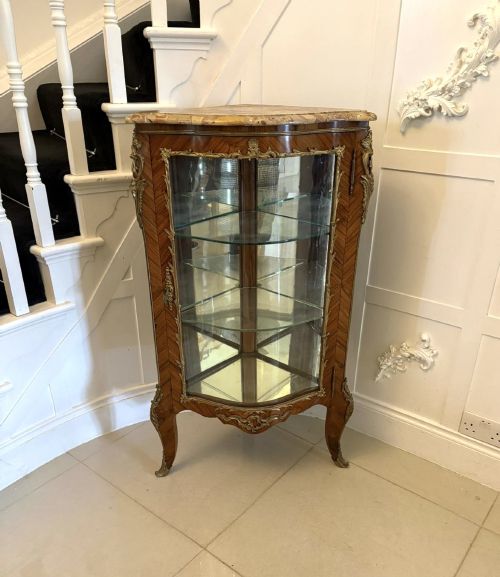
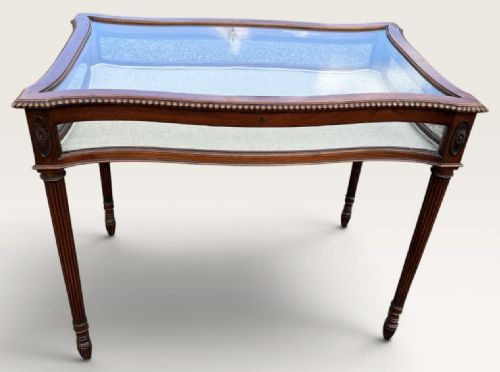
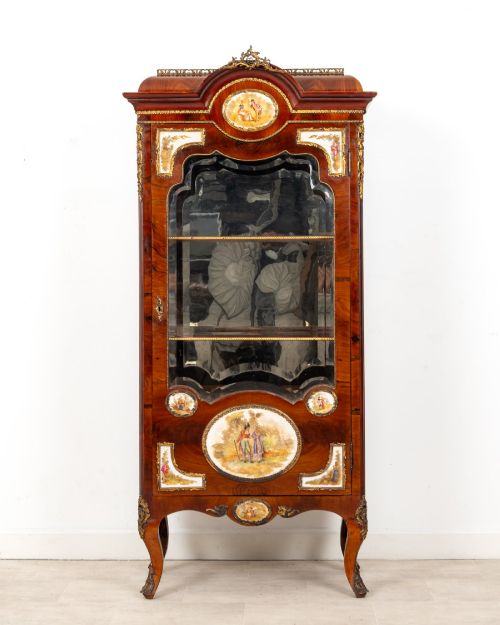

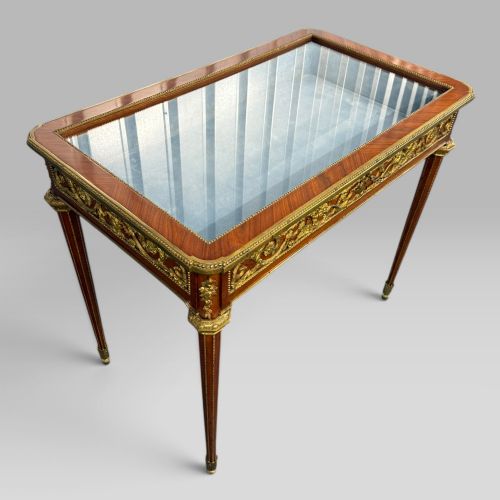
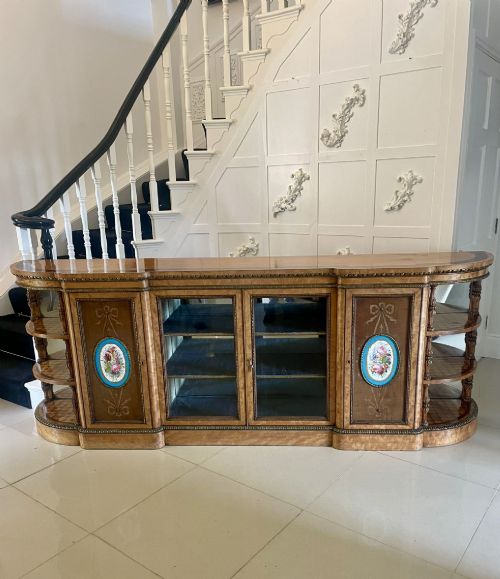
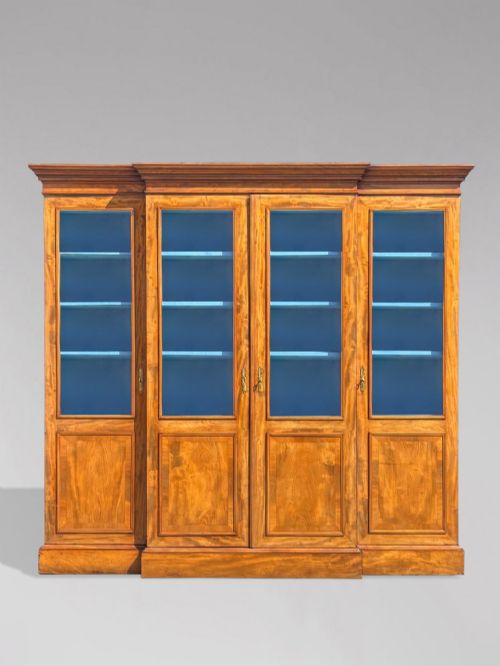
French Glazed Vitrine Cabinet
A french glazed vitrine cabinet brings light and elegance into a room while keeping prized collections safely on display.
French Glazed Vitrine Cabinet
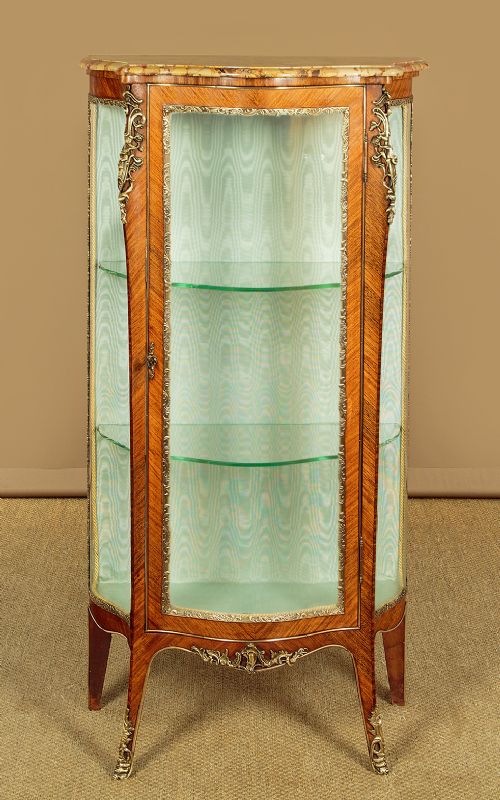
A french glazed vitrine cabinet is primarily designed to showcase porcelain, glass, and small decorative objects behind glass panels. These pieces span from the nineteenth century into the twentieth century, encompassing various revival movements.
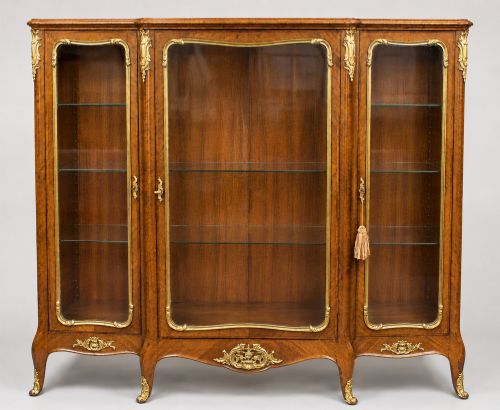
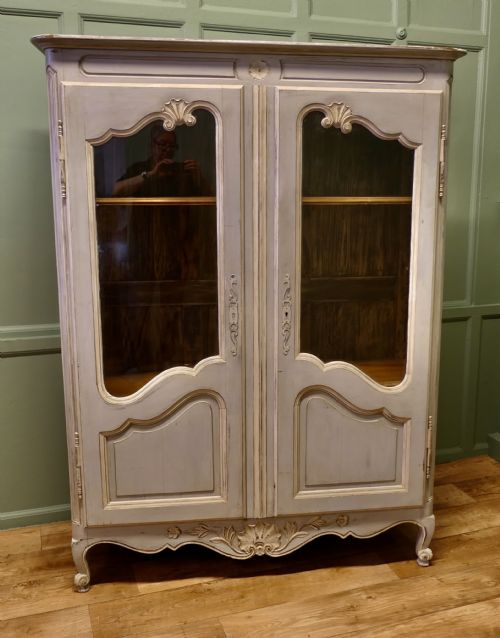
Buyers will encounter serpentine corner cabinets, tall double-door bookcases, and smaller table-top or freestanding display pieces. The form adapts from compact Edwardian examples to monumental nineteenth-century creations.
Origins heavily lean towards French styling, utilising revival aesthetics such as Louis XV, Louis XVI, and Directoire. These cabinets serve both a practical storage function and a decorative focal point in a traditional interior.
Materials and construction methods
Cabinet makers utilised choice timbers including kingwood, walnut, mahogany, and satinwood, often enhanced by marquetry inlay and parquetry patterns. Structural frames support extensive glass viewing areas designed to let ambient light flood the interior shelves.
Gilt bronze and ormolu mounts punctuate the timber surfaces, framing doors, corners, and aprons with cast ornamentation. Marble tops frequently cap the robust carcase, adding a cool, solid surface above the glazed enclosure.
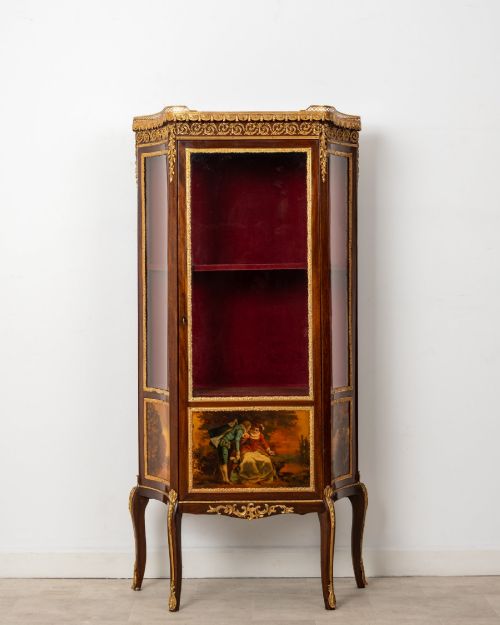
Specialist techniques such as Vernis Martin painted panels introduce figurative scenes or floral decoration directly onto the cabinet body. Boulle inlay incorporating brass and tortoiseshell also appears on select high-status examples.
Sedan vitrines turn a portable seventeenth-century sedan chair concept into a tabletop cabinet, proving that even travel arrangements deserve a glass-fronted showcase.
Factors of craftsmanship and distinction
Quality rests significantly on the crispness of the ormolu mounts and the precision of the timber matching. Hand-chased gilt bronze mounts show sharper definition than mass-produced alternatives, while well-figured kingwood veneers elevate the visual impact of the carcase.
The integration of hand-painted Vernis Martin panels demonstrates a higher tier of artistry compared to plain glazed doors. Structural integrity, such as smooth-operating serpentine doors and heavy marble tops fitted flush to the timber, separates standard production from exceptional workshop output.
François Linke
The French Glazed Vitrine Cabinet Glossary
- Vitrine
- A glass-fronted display cabinet intended for the exhibition of fine objects and curiosities. These pieces rely heavily on glazed sides and doors to maximise interior visibility.
- Ormolu
- Gilded bronze ornamentation applied to furniture mounts, feet, and decorative framing. The technique creates a rich metallic contrast against dark hardwoods.
- Vernis Martin
- A simulated Japanese lacquer technique developed in France, featuring delicate painted scenes under a translucent varnish. It often appears on cabinet panels and doors.
- Bijouterie table
- A glass-topped display table designed specifically for housing small jewellery, medals, and precious ornaments. They lift collection items to a comfortable viewing height.
- Marquetry
- The art of applying decorative veneer pieces in wood, metal, or shell to form intricate geometric or floral patterns. Master craftsmen used this to enrich flat cabinet surfaces.
French Glazed Vitrine Cabinet: Frequently Asked Questions
What were french glazed vitrine cabinets used for?
These cabinets served to protect and exhibit delicate porcelain, silverware, and treasured curiosities gathered by collectors. The glass doors kept dust away while allowing guests to admire the contents.
Over time, they evolved from purely functional storage into prominent status symbols within formal drawing rooms and salons.
How do I style a vitrine cabinet at home?
Keep displays curated rather than crowded, allowing space around ceramic, glass, or bronze objects so each piece can be appreciated individually. Grouping items by material or period creates a cohesive visual narrative.
Ensure the cabinet sits in a room with balanced lighting to make the most of the glass panels and internal reflections.
How can I tell the difference between 19th-century and later revival pieces?
Nineteenth-century examples frequently feature heavy ormolu mounts, dense native hardwoods, and hand-cut joinery. The weight of the timber and the depth of the gilt bronze provide strong clues to age.
Later twentieth-century revivals often display lighter internal framing and machine-finished hardware, even when mimicking earlier Louis styles.
Are marble tops original to these cabinets?
Many nineteenth-century cabinets, particularly those in the Kingwood and Vernis Martin styles, were designed specifically with fitted marble tops. These added structural weight and a luxurious surface texture.
When inspecting a piece, check that the marble sits flush within the wooden or ormolu gallery without awkward gaps.