
French Glass Drop Light
A french glass drop light brings the shimmer of cut crystal and gilded metal into a room.
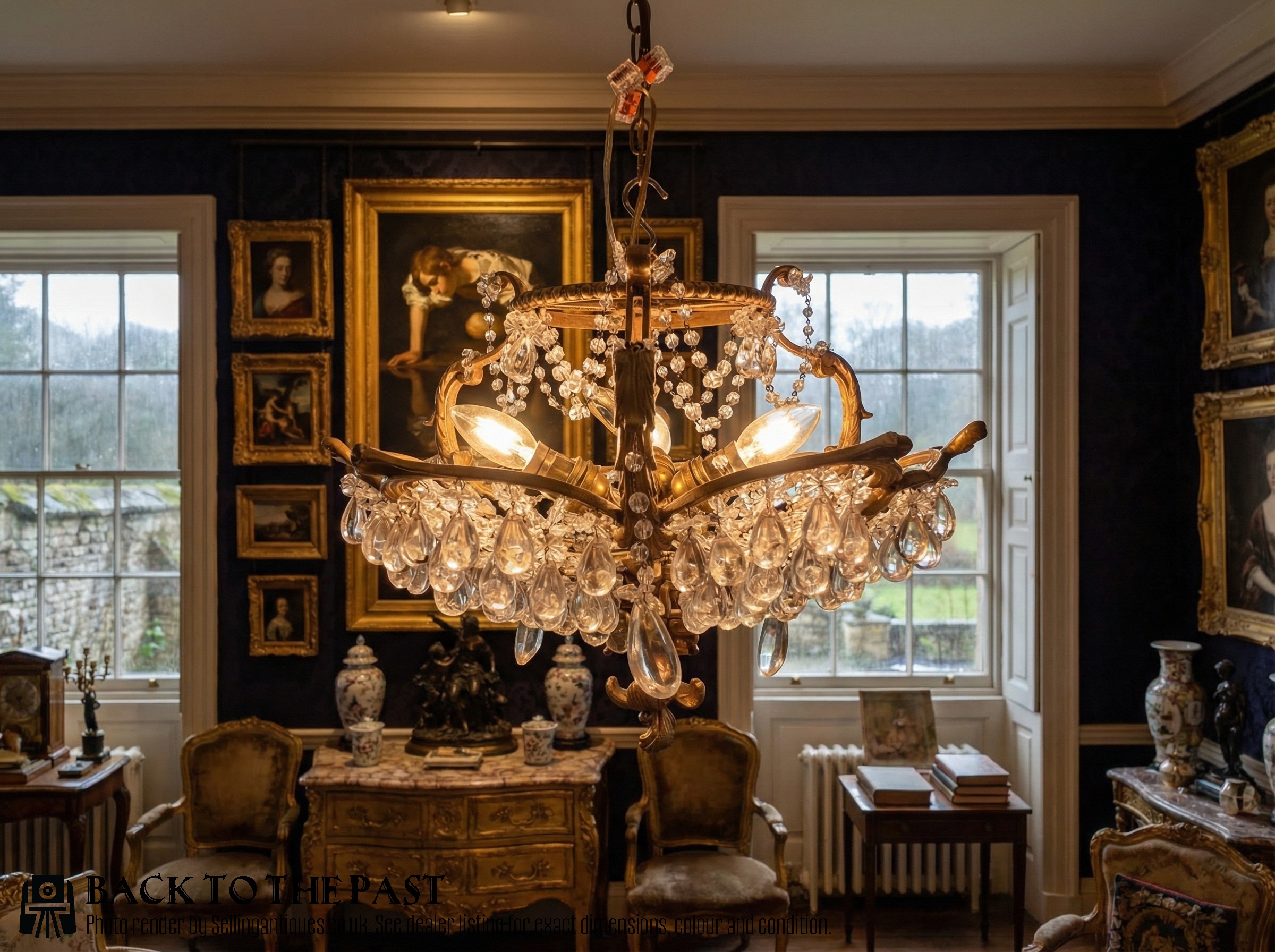
French Glass Drop Light
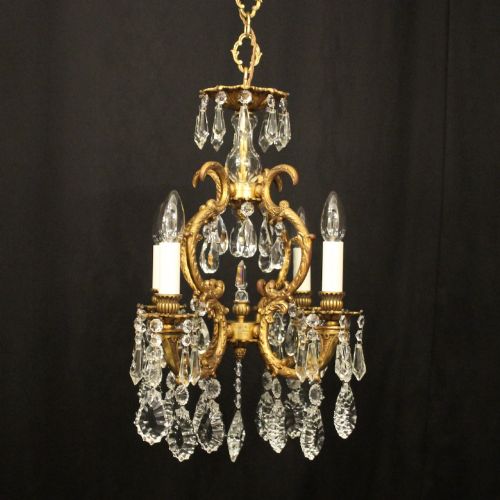
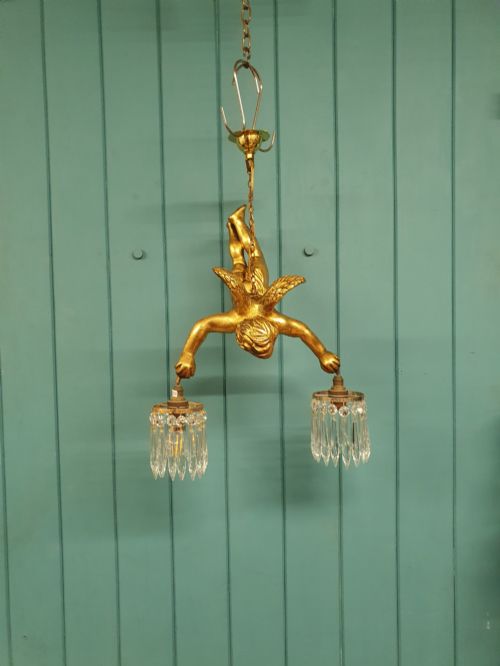
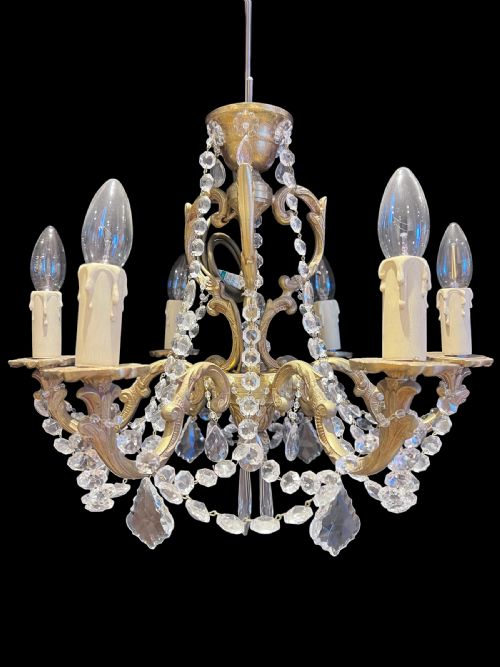
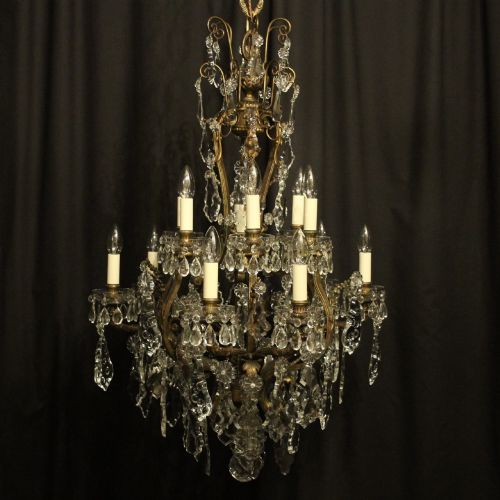
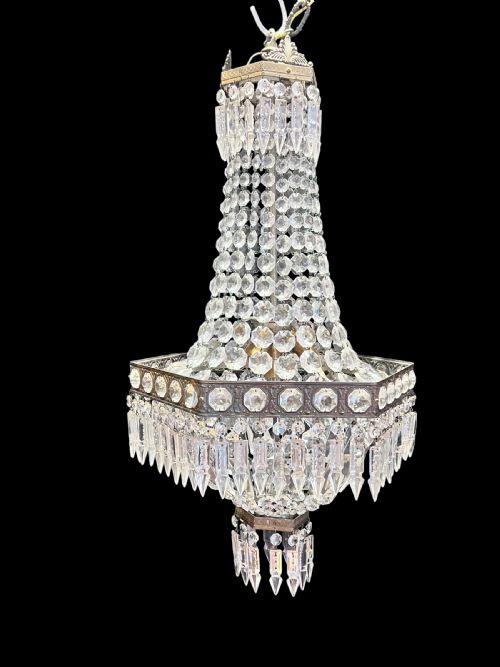
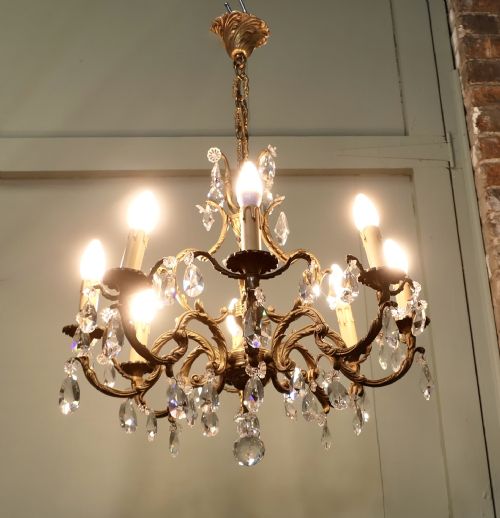
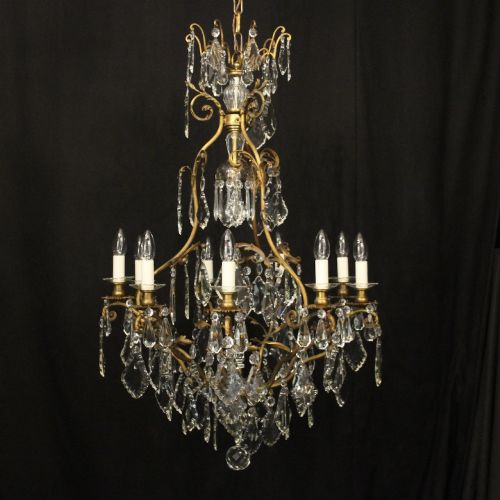
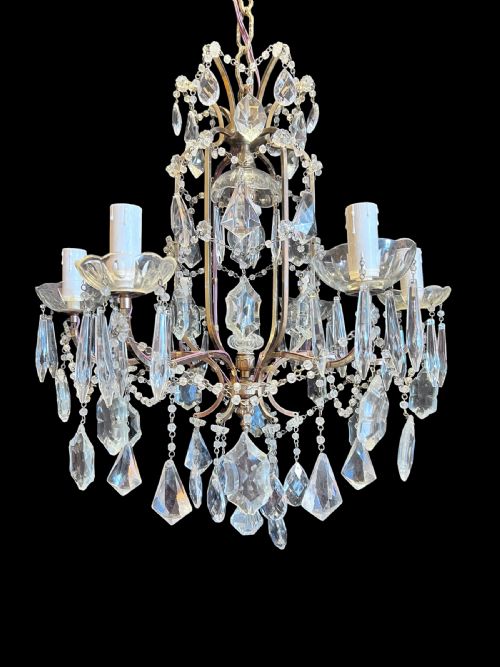
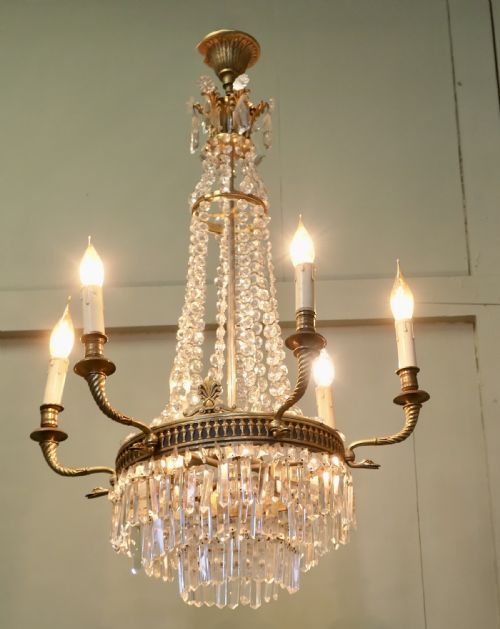
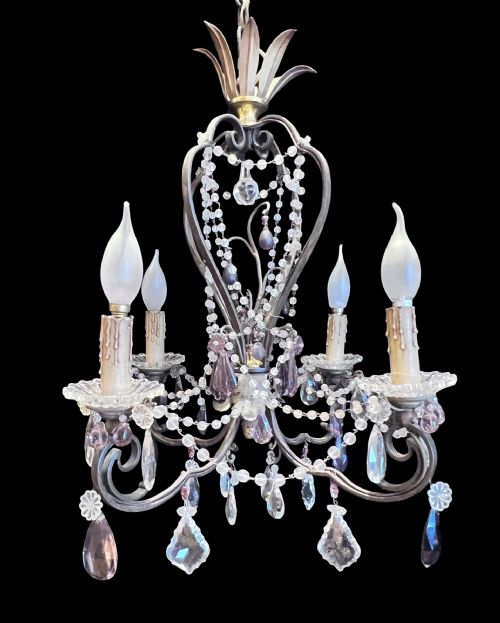
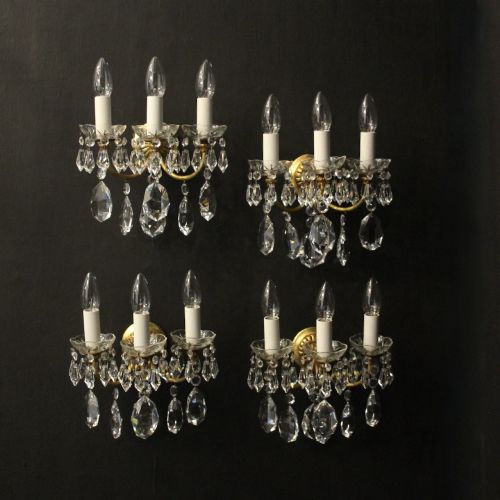
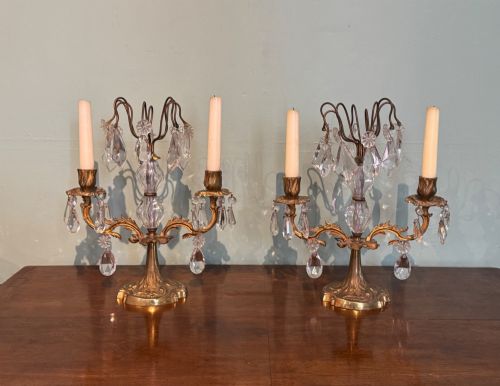
When you search for a french glass drop light, you enter a world of chandeliers, wall lights, and pendant fixtures that rely on hanging prisms to catch and refract light. The examples gathered here span from the late nineteenth century through the Edwardian era and into the nineteen-thirties, reflecting diverse regional styles like Empire, Rococo, and Chateau.
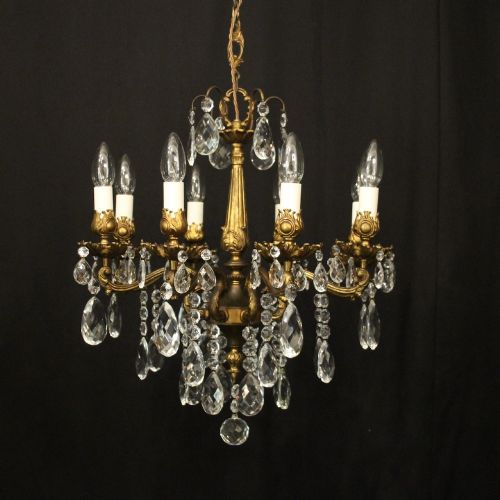
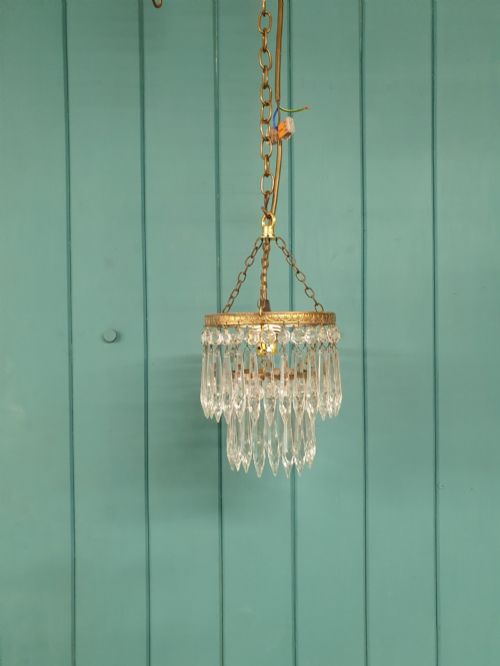
You are most likely to encounter multi-light chandeliers and paired wall sconces featuring brass, bronze, or gilded metal frames hung with crystal drops and lustres. These objects range from compact basket and bag forms measuring only a few inches to large twelve-arm and twenty-five-light centrepieces designed for high ceilings.
How they were made
The construction of these light fixtures depends upon a rigid framework of cast brass, gilded bronze, gilt brass, or painted toleware. Smiths and metalworkers formed these structural cages, bands, and arms to support the weight of numerous glass elements.
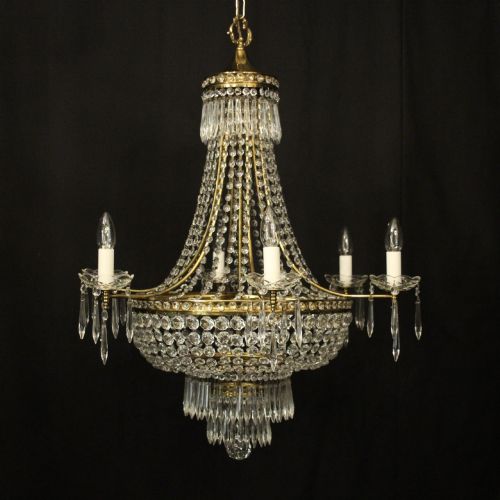
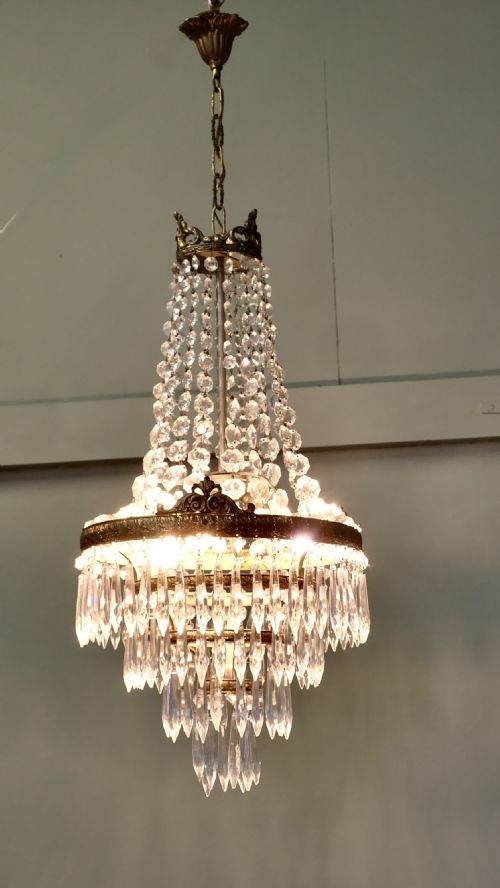
Artisans then dressed the metal frames by hand using wire to suspend cut glass, crystal glass, and coloured crystals in configurations such as tents, waterfalls, spikes, and bag drops.
Some diminutive examples measure a mere five inches across, proving that grand crystal glamour can arrive in delightfully pocket-sized packages.
What varies in quality
Quality in these fixtures rests upon the crispness of the metal casting and the clarity of the glass elements. Heavier cast bronze frames and deeply cut crystal prisms provide a brilliance and heft that lighter stamped brass and pressed glass simply cannot match.
The integrity of the design also dictates the tier of the piece, with complex multi-tiered tent and waterfall constructions showing a higher degree of artisan skill than simpler single-tier cage designs.
The French Glass Drop Light Glossary
- Drop
- A small piece of cut glass or crystal suspended from a lighting fixture to catch and reflect illumination. These are often shaped as pears, icicles, or buttons.
- Lustre
- A cut glass pendant or hanging prism attached to the arms or crown of a chandelier. They multiply the visual sparkle of the lit bulbs or candles.
- Tent and waterfall
- A specific configuration where strings of beads form an upper conical tent shape cascading down into a wider waterfall of hanging prisms. It defines many classic Empire style fixtures.
- Gilt brass
- A brass base metal treated with a thin layer of gold leaf or gilt finish to impart a rich metallic sheen. It provides the warm framework typical of French lighting.
- Bag chandelier
- A compact lighting form where the lower portion of drops gathers into a bag or basket silhouette. These are frequently smaller in scale and suited to lower ceilings.
French Glass Drop Light: Frequently Asked Questions
How do I choose the right size?
Consider the height and floor area of your room before selecting a fixture. Smaller bag or spike chandeliers work well in intimate spaces, while multi-arm tent and waterfall designs require grander proportions.
Measure your ceiling clearance carefully so that hanging drops remain safely above head height while still anchoring the visual space of the room.
What styles are common in French lighting?
The pieces available draw heavily from traditional aesthetics like French Empire, Rococo, and Chateau influences. Empire styles often feature tent and waterfall configurations, whereas Rococo pieces lean towards ornate, asymmetrical leaf and scroll motifs.
Edwardian and early twentieth-century examples frequently combine these classic decorative themes with more streamlined brass frameworks.
How should I clean glass drops?
Maintenance requires patience and a gentle touch to preserve the delicate wire ties holding the crystals. Many collectors remove individual drops for washing in lukewarm water with mild soap before drying them thoroughly with a soft cloth.
Leaving the frame hung in place while cleaning the glass prevents accidental strain on the historical metal arms and fixings.