
French Gilt Furniture
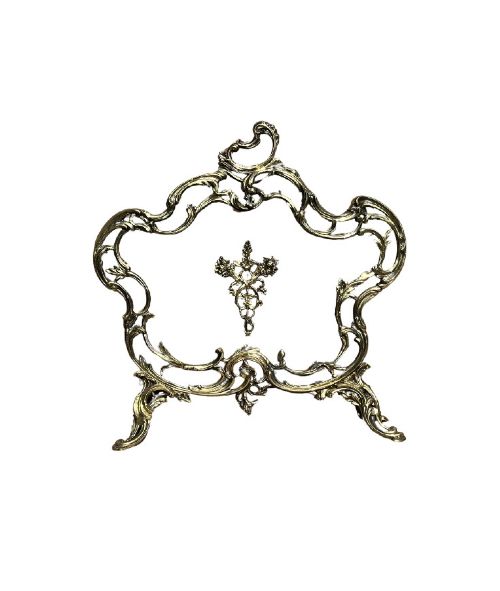
French gilt furniture brings together the rich gleam of gold leaf and ormolu with the curved, ornate lines of continental craftsmanship.
French Gilt Furniture
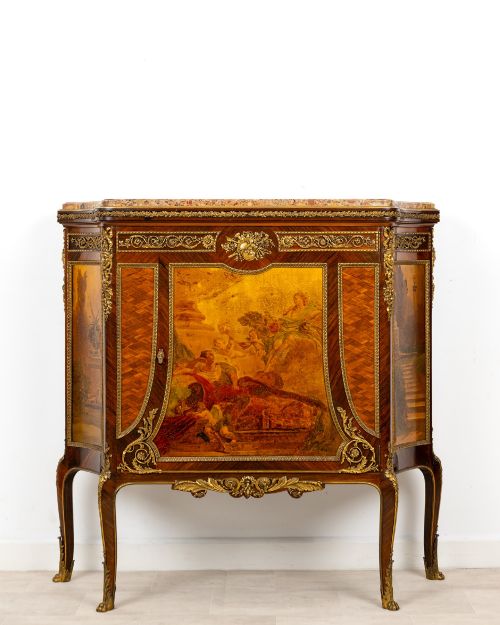
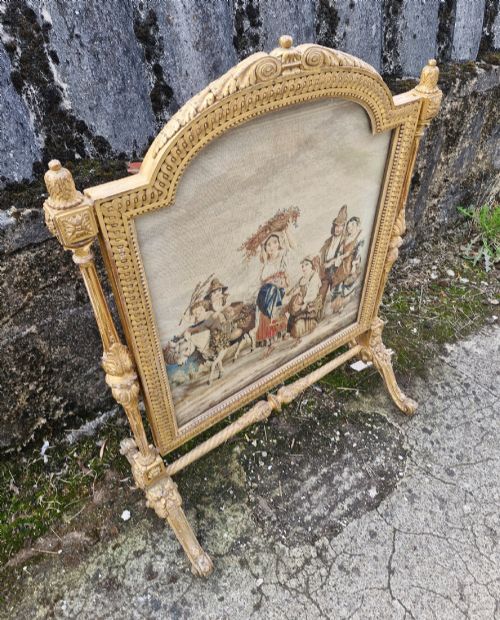
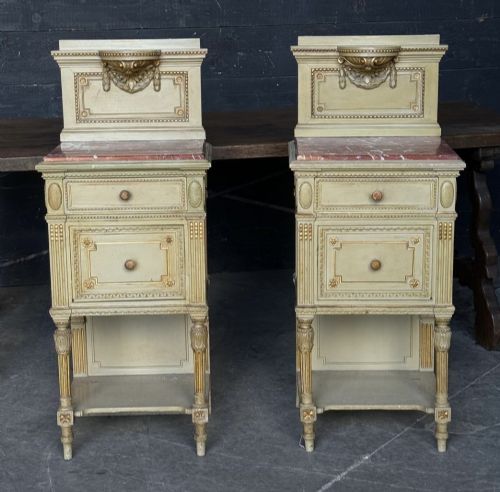
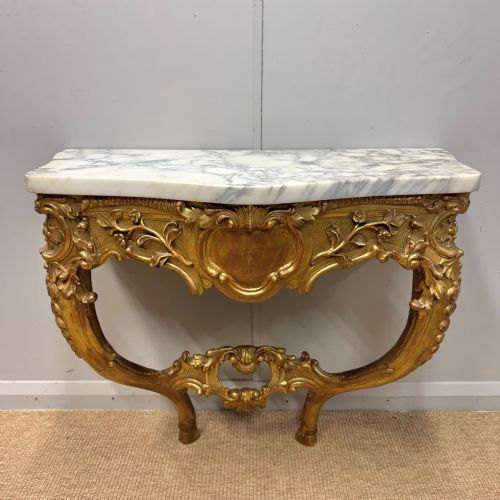
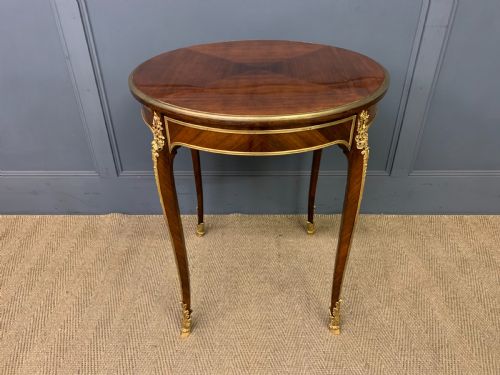
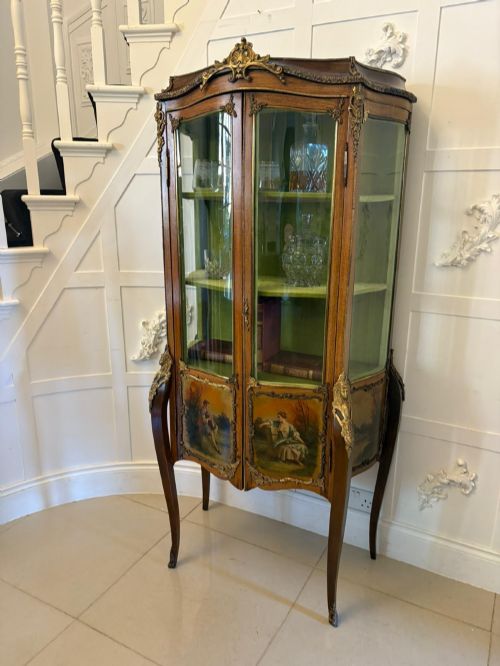
When you search for french gilt furniture, you encounter ornate console tables, commodes, display cabinets, and seating primarily dating from the nineteenth century alongside revival periods. These pieces range from grand salon suites and marble-topped pier tables to intricate giltwood wall étagères and small occasional pieces.
The aesthetic draws heavily on Louis XV and Louis XVI revivals, French Rococo, and Empire styles, incorporating elaborate surface decoration and sculptural mounts. Most examples originate from French workshops and Parisian makers, reflecting periods of intense decorative ambition.
Surviving items frequently combine gilt bronze, ormolu, and carved giltwood with polished hardwoods, marble tops, and painted porcelain plaques. Buyers find these items utilised in formal reception rooms and drawing rooms where their reflective surfaces amplify light and space.
Materials and construction
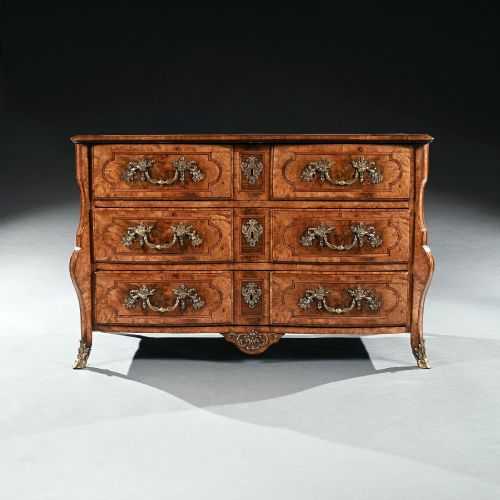
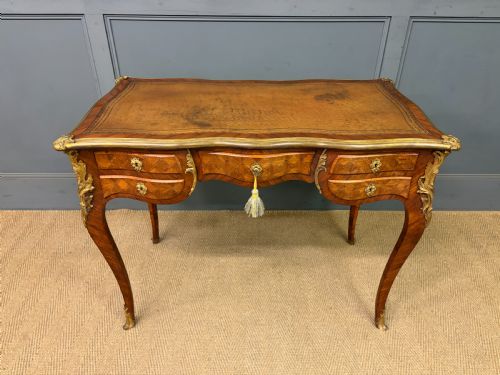
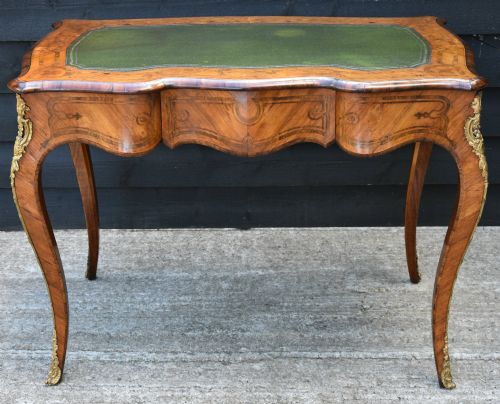
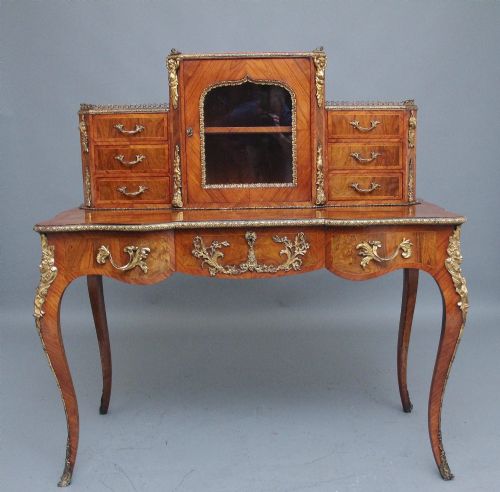
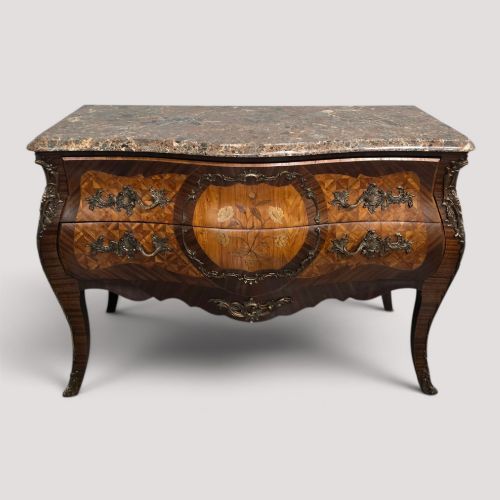
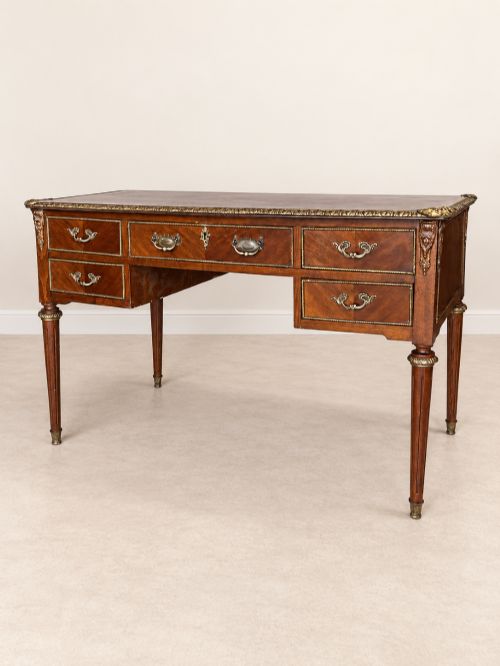
Cabinetmakers constructed the foundational carcasses from timbers such as mahogany, walnut, kingwood, and amboyna, frequently applying intricate parquetry or marquetry veneers in geometric and floral patterns. Marble tops, including breche d'alep, were heavily shaped and fitted to commodes and console tables to provide durable, polished surfaces.
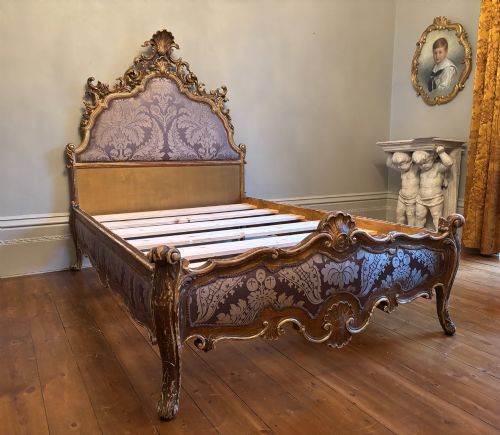
Metal ornament relied on cast ormolu and gilt bronze mounts, which were chased and gilded to accent corners, friezes, and feet. Giltwood frames and carved elements received layers of gold leaf applied over gessoed timber bases, creating a deep, luminous finish.
Listings feature items spanning the eighteenth, nineteenth, and early twentieth centuries, incorporating revival styles from Louis XV, Louis XVI, and the French Empire.
Judging the standard of execution
Quality rests significantly on the crispness of the bronze chasing and the depth of hand-carving on giltwood surfaces, where sharper detail indicates superior workshop output. The precision of the parquetry alignment and the seamless integration of ormolu mounts directly reflect the maker's competence.
The choice of secondary timbers and the weight of the marble tops differentiate standard production from pieces commissioned by prominent makers. Sophisticated internal mechanisms on desks and tables further separate ordinary items from exceptional achievements.
Poix Blin·Maison Millet·Joseph-Emmanuel Zwiener·Jacob-Desmalter·H. J. Hatfield And Sons·Weisweiler·Gillows·Maurice Jallot·Krieger Paris·E. Kahn·Thomas Hache
The French Gilt Furniture Glossary
- Ormolu
- Gilded bronze, usually produced by applying a mercury and gold amalgam to cast bronze before heating. This technique creates a durable, rich golden surface found extensively on mounts and decorative hardware.
- Giltwood
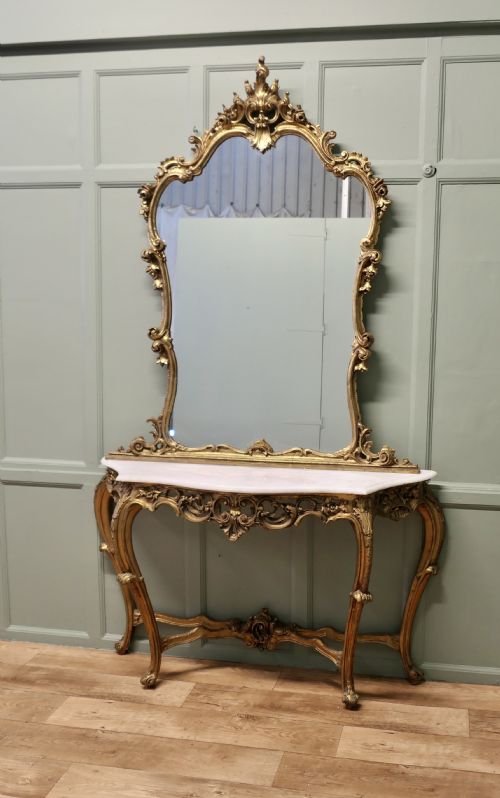
- Timber, commonly carved gessoed wood, coated with thin leaves of gold or metal leaf. It provides a bright, reflective finish characteristic of ornate frames and console tables.
- Marquetry
- The art of applying small pieces of veneer to a structure to form decorative patterns and pictorial designs. Cabinetmakers utilised contrasting woods like kingwood and mahogany to achieve tonal depth.
- Commode
- A low decorative chest of drawers standing on legs, popular in formal interiors. These pieces frequently feature marble tops and elaborate ormolu mounts.
French Gilt Furniture: Frequently Asked Questions
What rooms suit these pieces?
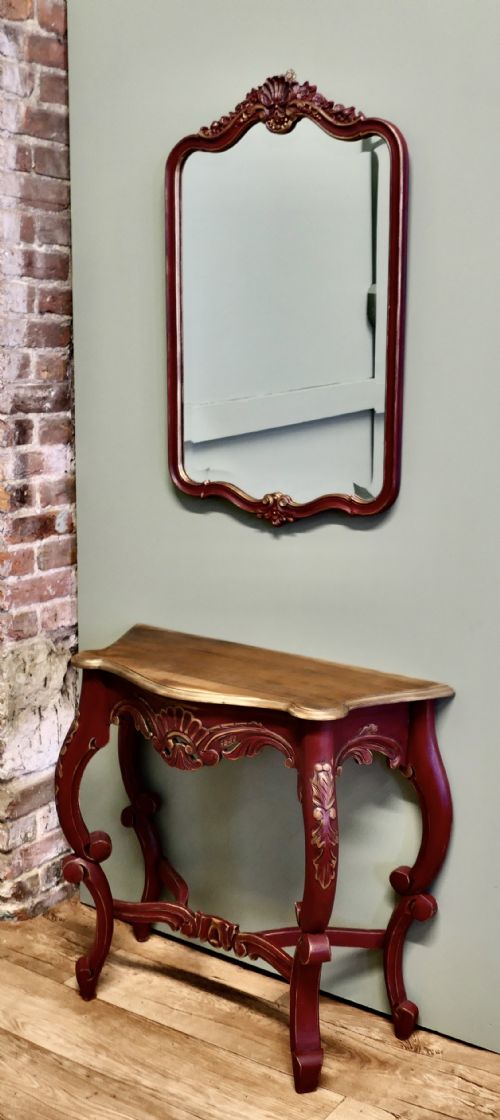
These items fit naturally into drawing rooms, formal hallways, and bedrooms where their reflective surfaces and decorative presence enhance the interior. A marble-topped console table functions well against a prominent wall, paired with a matching pier mirror.
Smaller occasional pieces and vitrines serve to display ceramics or glassware while introducing continental elegance into living spaces.
How are Louis XV and XVI styles told apart?
Louis XV style pieces emphasise asymmetrical curves, C-scrolls, and flowing Rococo lines without strict geometric restraint. The ornamentation feels organic and fluid, utilising exuberant floral motifs.
Louis XVI style shifts toward neoclassical symmetry, straight tapered legs, fluting, and balanced geometric parquetry patterns. The overall silhouette appears more restrained and architectural.
Are marble tops original?
Original marble tops fit snugly into the rebated timber frames designed specifically to support their weight. They often show period-appropriate edge profiling and natural veining consistent with nineteenth-century French extraction.
Replacements generally lack the accumulated surface wear or have modern cut edges that do not align precisely with the ormolu mounts.