

French Gilt Commode
A French gilt commode brings substantial weight and rich gilding to a room, serving as a striking storage piece with deep historical roots.
French Gilt Commode
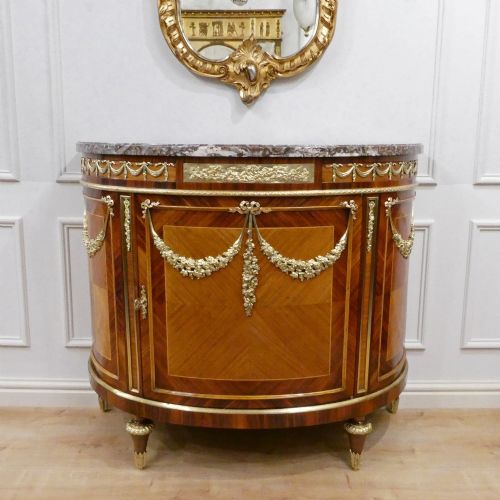
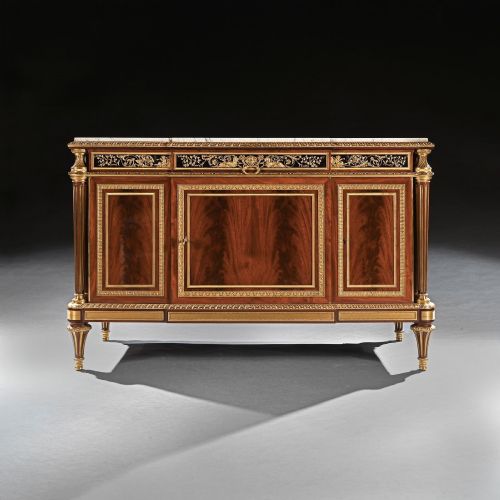
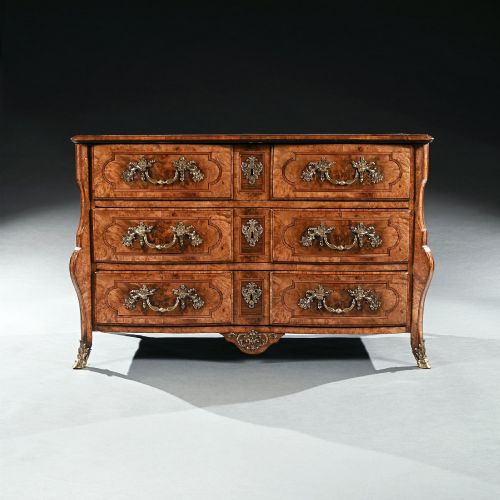
A french gilt commode is a low storage unit, typically functioning as a chest of drawers or side cabinet, designed for formal domestic interiors. The pieces available here span from the eighteenth century into the early twentieth century, showing strong ties to Louis XV, Louis XVI, and Empire aesthetics.
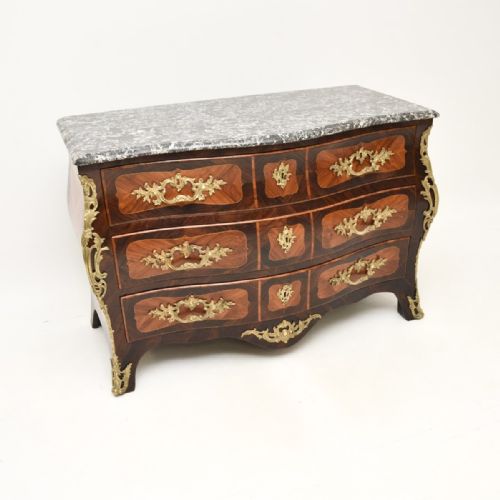
Most examples found on this page date from the nineteenth century, drawing heavily on earlier revival styles. These items combine practical drawer space with decorative wooden carcases, often topped with heavy stone and detailed metal mounts.
How They Were Made
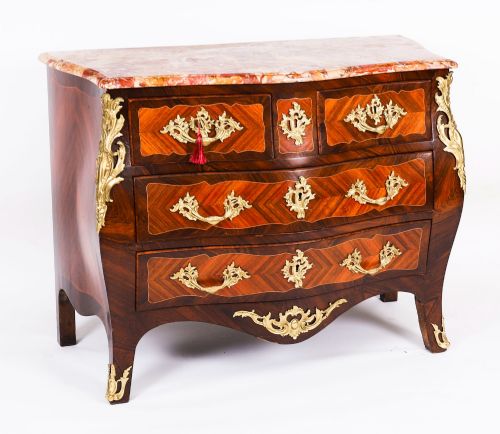
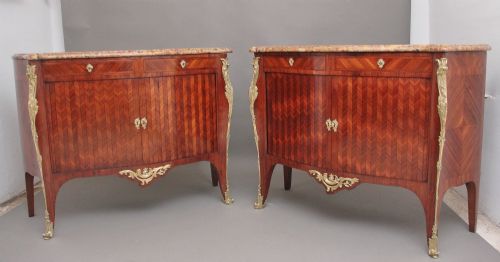
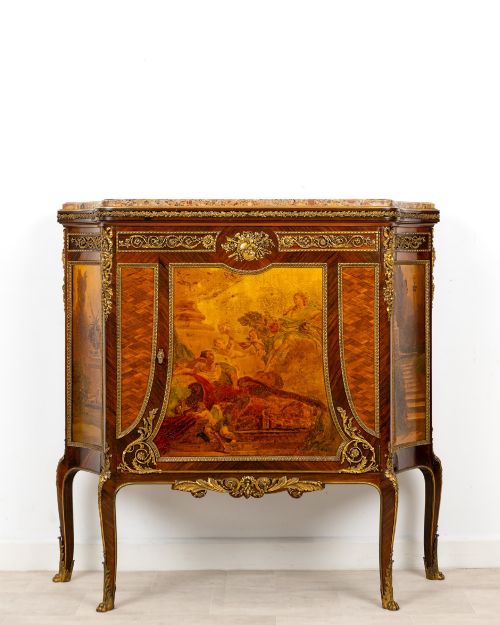
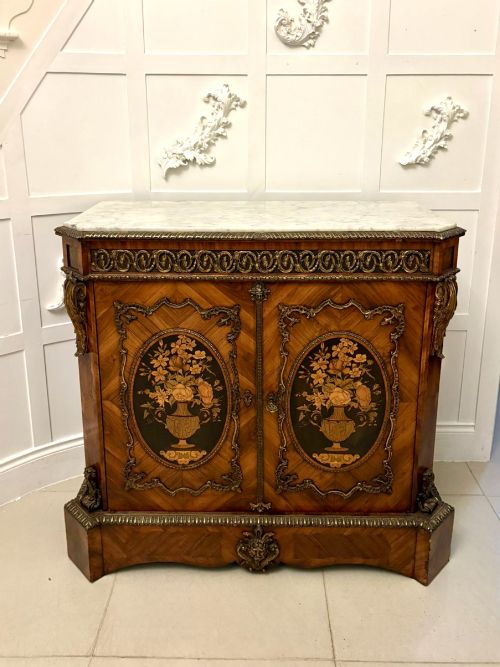
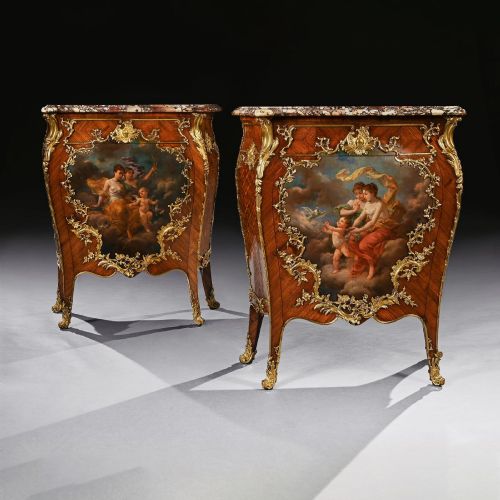
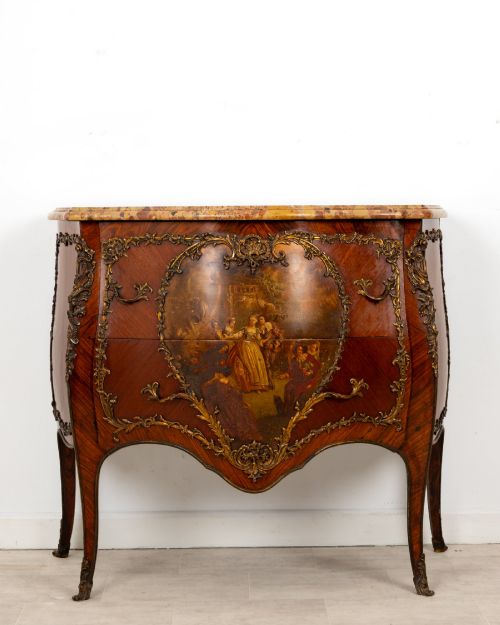
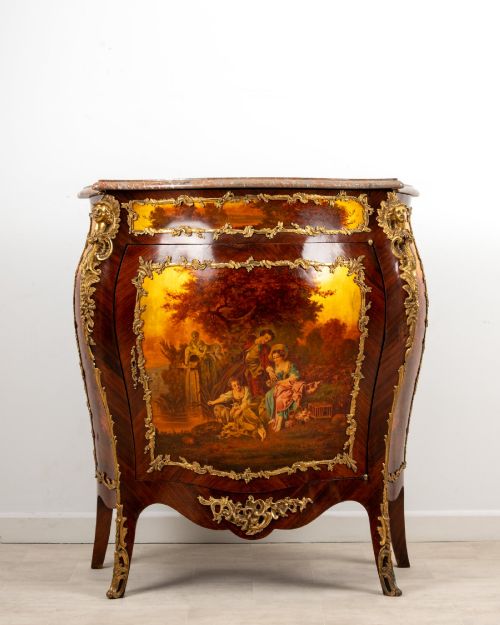
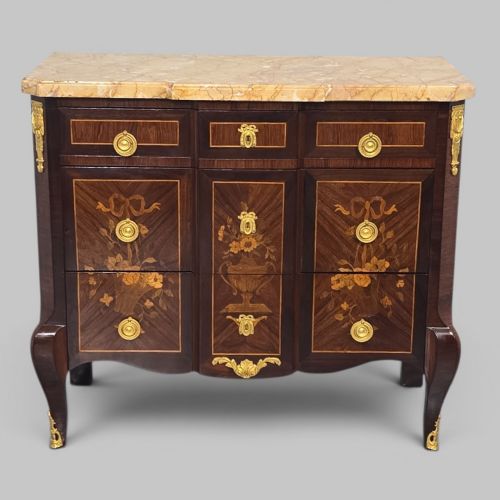
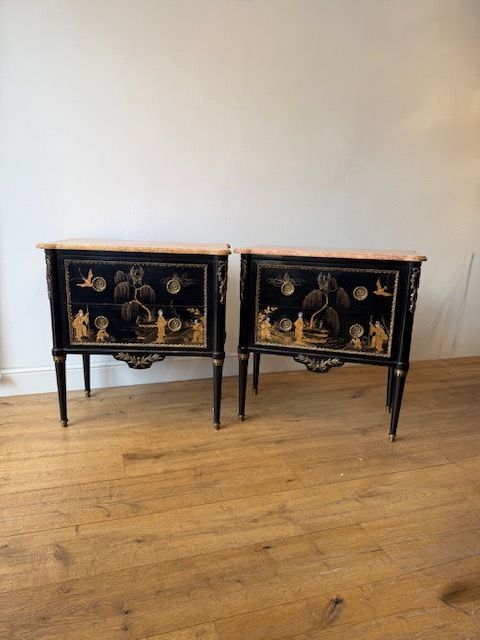
Cabinetmakers constructed the foundational carcase from native and exotic timbers such as kingwood, walnut, mahogany, and burr maple, frequently adding intricate marquetry or parquetry patterns. Surface decoration also includes painted panels in the Vernis Martin tradition and black or gilt japanned finishes.
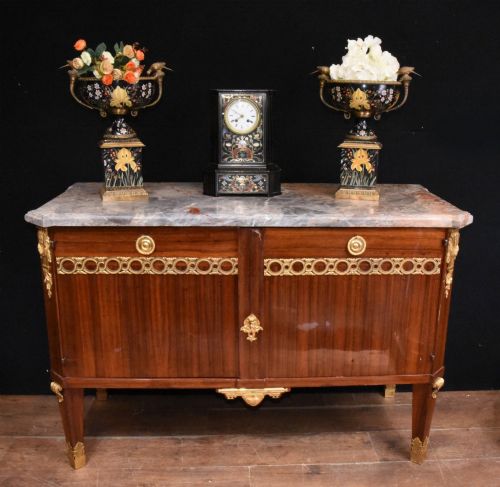
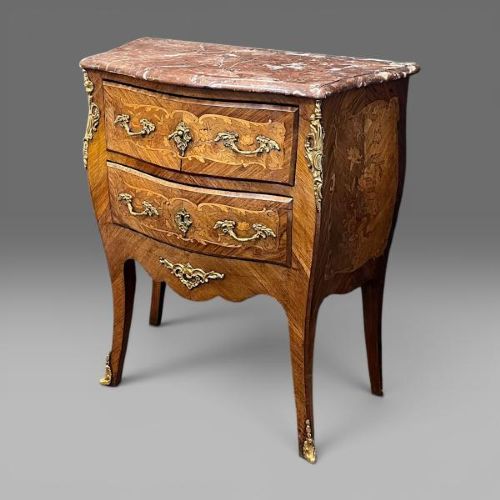
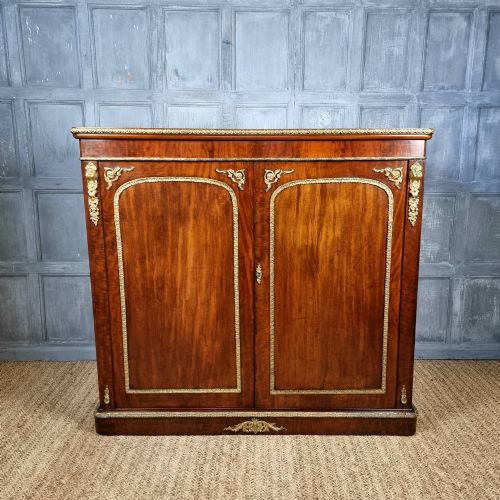
Craftsmen mounted cast ormolu and gilt bronze ornaments onto the corners, feet, and drawer fronts to accent the contours of the furniture. Thick slabs of marble, shaped to follow the serpentine or bombé profile of the chest, completed the top surface.
French Gilt Commode Retail Price Guide 2026
Typical asking prices for french gilt commode among the pieces listed under this phrase on Sellingantiques today, from the lower quarter to the upper quarter. They describe what is for sale here now, not the wider market.
Listings include items from the 18th century through to the 1920s, employing marble, ormolu, kingwood, and mahogany.
What Varies in Quality
The precision of the bronze casting and the crispness of the chasing separate standard production from exceptional work. Finer mounts display sharp detail in the foliage and figures, whilst lesser examples appear soft and flat.
The complexity of the timber work and the depth of the marquetry also divide the categories. Pieces attributed to recorded makers demonstrate superior timber selection, balanced grain alignment, and meticulous joinery throughout the carcase.
Thomas Hache of Grenoble·Jacques Bircklé·Henry Dasson·Gillows·E. Kahn·Joseph Zwiener·Jean-Henri Riesener·Paul Sormani
The French Gilt Commode Glossary
- Ormolu
- Gilded bronze used for decorative mounts on furniture. It provides a bright metallic contrast against dark exotic woods.
- Bombé
- A swelling, outward-curving shape found on the front and sides of certain cabinets. This bulging profile requires advanced woodworking skill.
- Marquetry
- The art of applying pieces of veneer to a structure to form decorative patterns. Craftsmen use varied timber tones to create pictorial designs.
- Vernis Martin
- A type of decorative varnish mimicking Asian lacquer work. French artisans developed this technique to adorn panels with painted scenes.
- Parquetry
- Geometric wood inlay forming repeating patterns across a surface. It differs from marquetry by relying on angular, repeating shapes rather than pictorial motifs.
French Gilt Commode: Frequently Asked Questions
What is a french gilt commode?
A french gilt commode is an ornamental chest of drawers or cabinet featuring metallic mounts, decorative veneers, and stone tops.
Originating in France, these storage units served wealthy households and evolved through several distinct decorative periods.
How do I identify the period?
Period identification relies on matching the silhouette, timber choices, and mount styles to historical design movements.
Louis XV pieces favour asymmetrical curves, whilst Louis XVI items introduce straighter lines and neoclassical symmetry.
How were these cabinets used?
These furnishings provided secure storage for household valuables and clothing in formal reception rooms and bedrooms.
The flat marble or wooden top also served as a surface for displaying clocks, candelabra, and porcelain.
How do I care for the surface?
Maintenance involves dusting the timber gently with a dry cloth and avoiding harsh chemical polishes.
The gilt bronze and marble require careful cleaning to protect the original finish from moisture damage.