

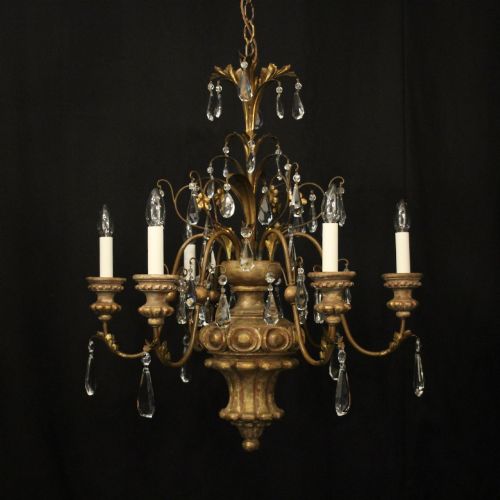
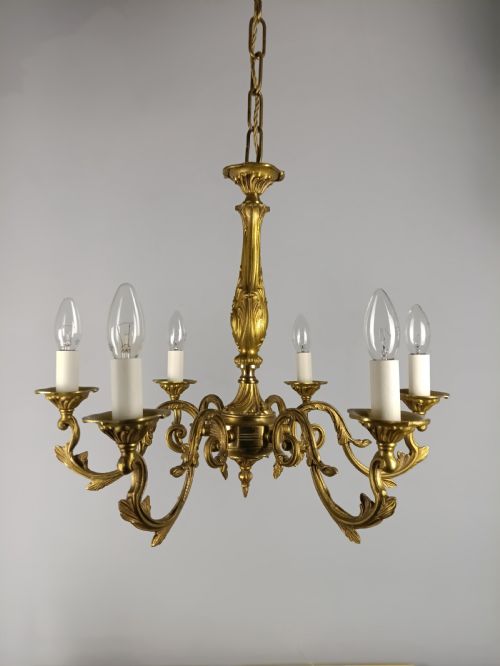
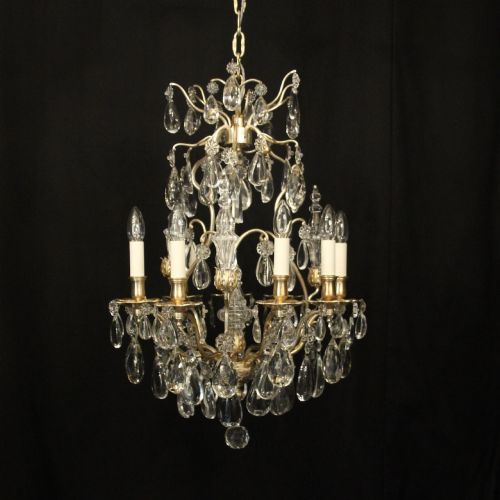
French Gilded Light Fitting
A french gilded light fitting brings ornate illumination and interior presence, drawing the eye upwards with metallic warmth and glass detail.
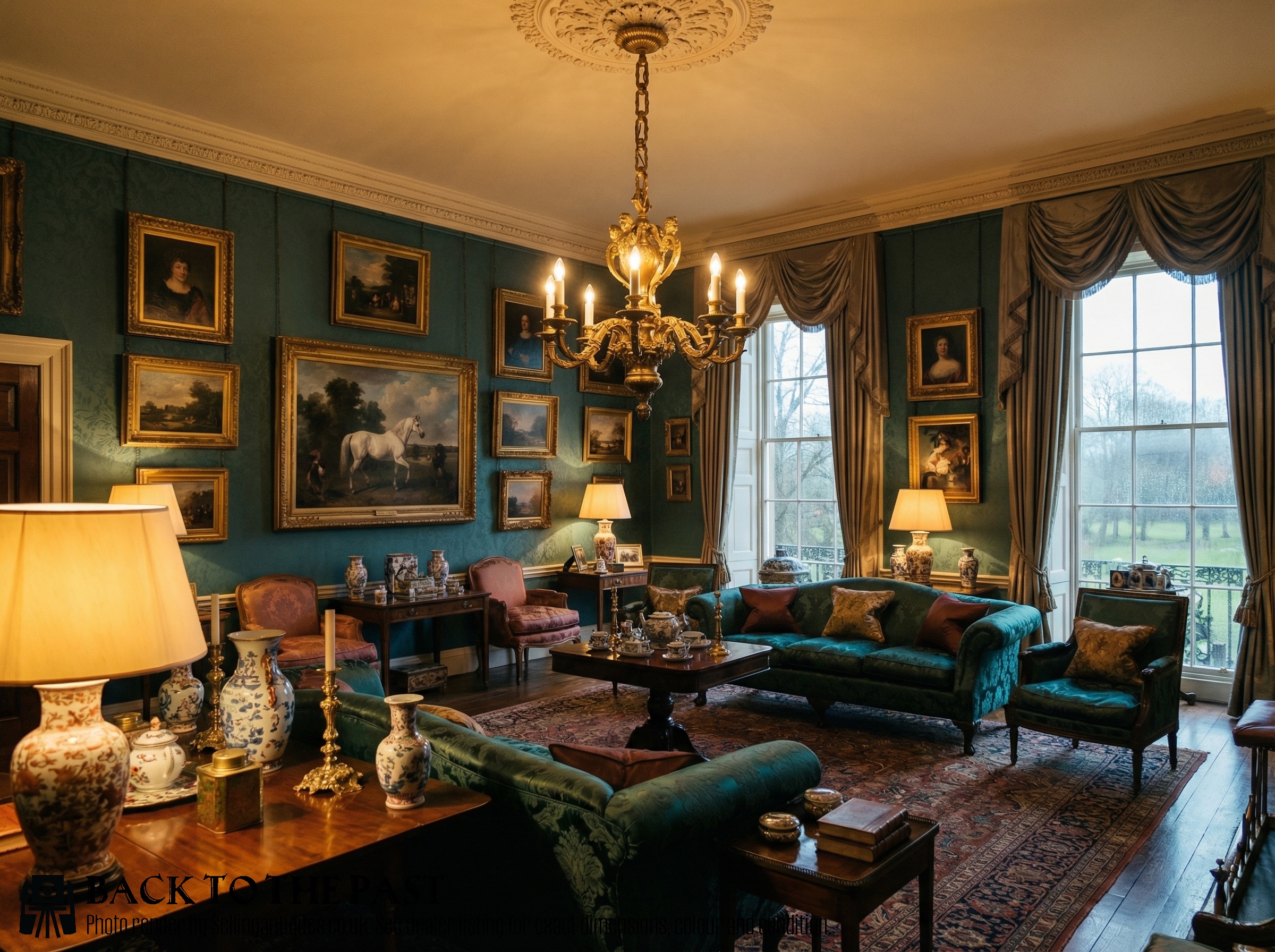
French Gilded Light Fitting
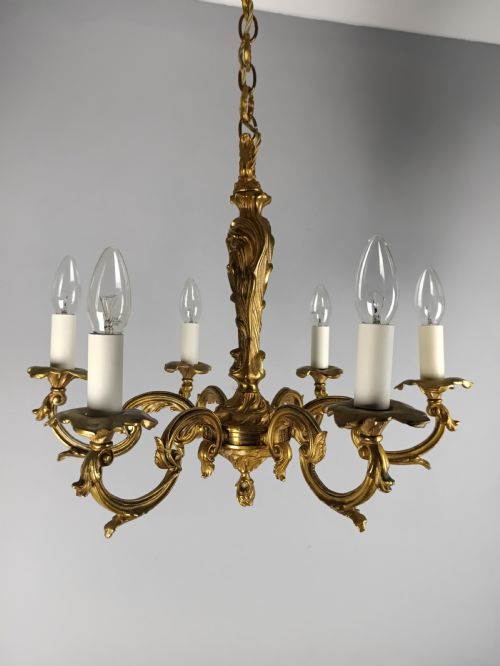
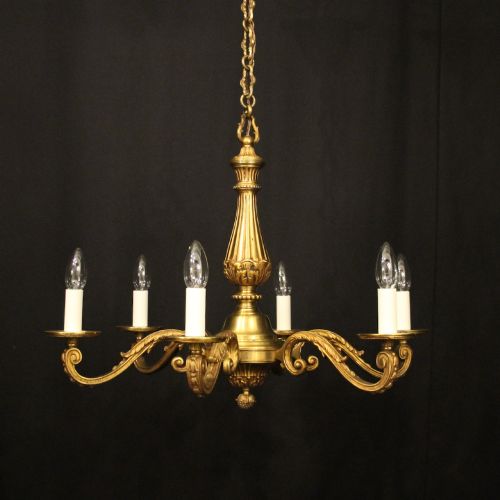
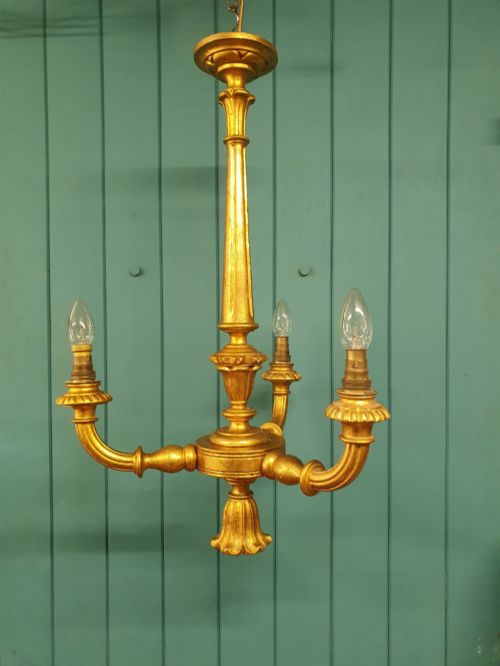
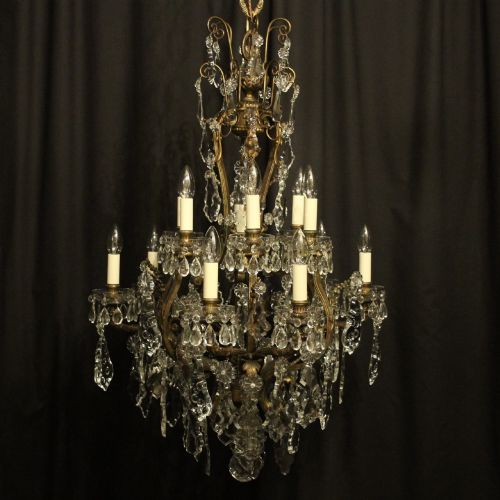
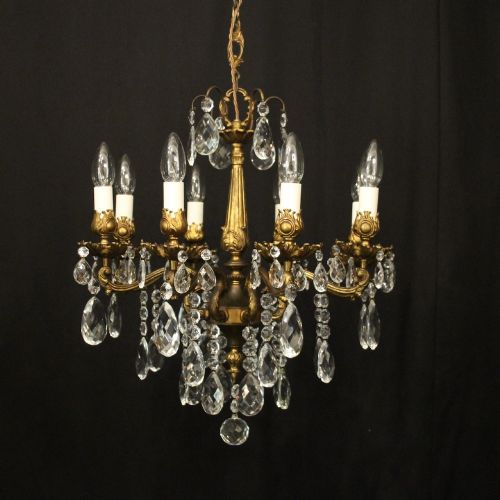
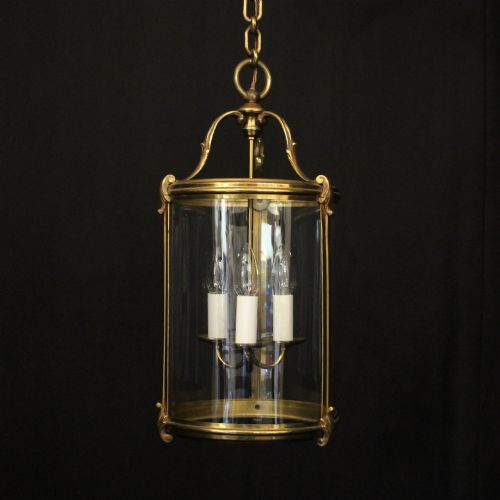
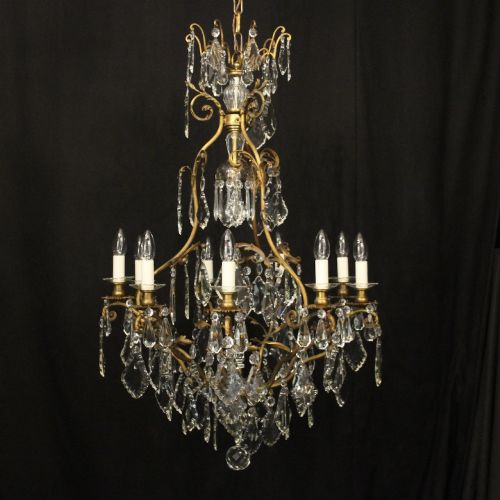
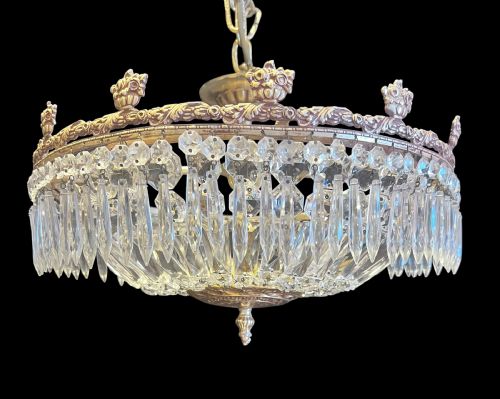
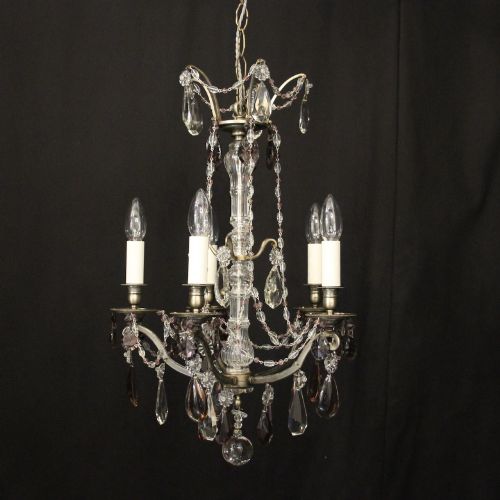
A french gilded light fitting comprises decorative lighting fixtures designed for ceilings and walls, originating primarily from the nineteenth century through the early decades of the twentieth century. When searching for a french gilded light fitting, buyers encounter diverse forms ranging from multi-armed chandeliers and flush plafonieres to convex hall lanterns and twin wall sconces.
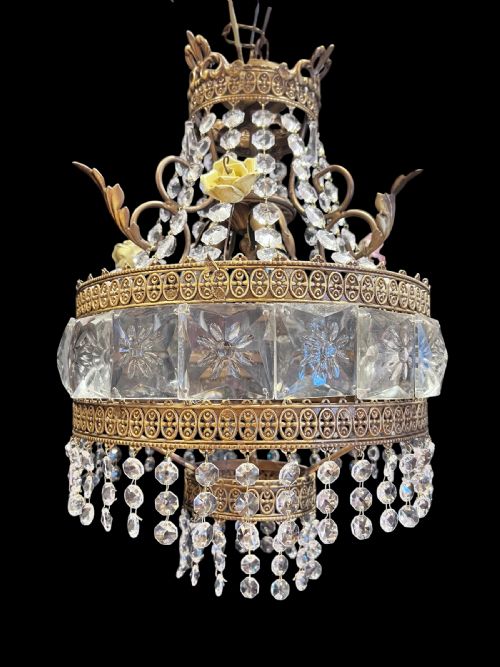
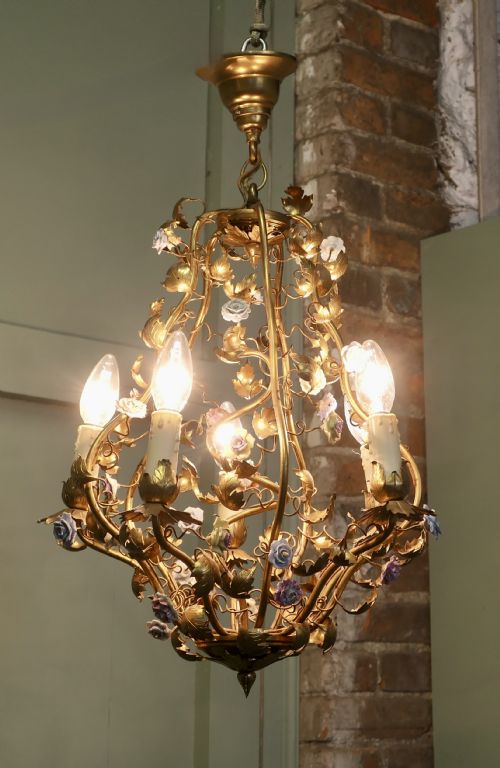
The aesthetic vocabulary spans French Rococo, Empire, Neoclassical, and Chateau styles, alongside Edwardian interpretations. Most surviving examples rely on multi-light configurations holding anywhere from three to sixteen bulbs, augmented by crystal drops or ceramic floral elements.
Originating largely from continental workshops, these fixtures served grand salons and intimate corridors alike. Surviving inventory shows strong representation from the 1920s and 1930s, alongside nineteenth-century precursors.
How they were made
Craftsmen utilised cast bronze, brass, gesso, and wrought iron as structural foundations, applying gold leaf or liquid gilding to the metal surfaces. Metal components were cast, chased, and joined to form arms, coronas, and wall plates.
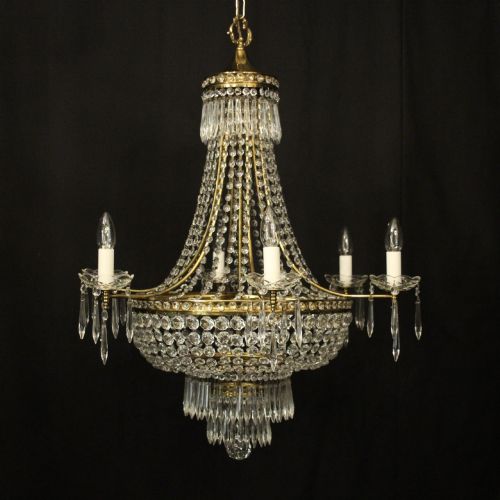
Transparency and refraction were introduced through cut glass crystal teardrops, beads, and tent-and-bag assemblies hung from wire loops. Tolewear elements and porcelain flowers added polychrome colour and organic texture to specific botanical designs.
Several chandeliers incorporate amber crystal teardrops designed to catch sunlight long before the evening candles are lit.
What varies in quality
The distinction between standard production and superior craftsmanship rests in the depth of metal chasing and the purity of the crystal components. Finely cast bronze exhibits crisp surface detailing on acanthus leaves and scrolling arms, whereas simpler brass castings present softer, less defined contours.
Gilding technique separates output further, with genuine gold leaf retaining a warm, enduring lustre over time compared to painted metallic finishes. Crystal elements showing hand-cut facets refract light with sharper brilliance than moulded glass pendants.
The French Gilded Light Fitting Glossary
- Ormolu
- Gilt bronze produced by applying a finely ground high-carat gold mercury amalgam to a bronze object. This historic technique creates a durable, rich golden surface finish.
- Plafoniere
- A ceiling light fixture mounted flush or semi-flush against the plaster. It distributes illumination downward through glass bowls or crystal arrangements.
- Tolewear
- Painted and lacquered sheet metal utilised for decorative floral motifs and shades. It introduces colourful botanical accents into chandelier designs.
- Tent and waterfall
- A chandelier structure where strings of crystal beads form an upper conical tent shape cascading down into a wider ring. This configuration maximises light refraction.
- Sconce
- A wall-mounted lighting fixture designed to hold multiple candle-style or electric bulbs. These pieces project outward to illuminate hallways and drawing rooms.
French Gilded Light Fitting: Frequently Asked Questions
How do I clean a crystal chandelier?
Maintenance requires gentle hand wiping of individual crystal drops using a mild cleaning solution and a soft cloth while the fixture remains hung. Care must be taken to support each pendant so the surrounding wire fixings do not bend or snap.
Electrical components must stay completely dry during the process. Power should be switched off at the mains before any cleaning begins.
How do I determine the correct chandelier size?
Proportion depends upon room dimensions and ceiling height rather than table placement alone. A larger salon tolerates a twelve-light fixture, whereas a standard hallway suits a compact flush plafoniere or hall lantern.
Suspension height must also allow adequate clearance beneath the lowest crystal drop. Walkways require at least two metres of clearance from the floor.
What is the difference between ormolu and gilt brass?
Ormolu refers specifically to mercury-gilded bronze from the eighteenth and nineteenth centuries, displaying a deep, rich metallic patina. Gilt brass utilises a base alloy of copper and zinc with applied gold leaf or modern metallic paint.
Visual inspection under natural light reveals the finer chasing and heavier weight characteristic of bronze castings. Brass alternatives feel lighter and exhibit different oxidation patterns.