

French Garden
These french garden antique pieces bring enduring character to outdoor spaces through time-worn iron, marble, and terracotta.
French Garden
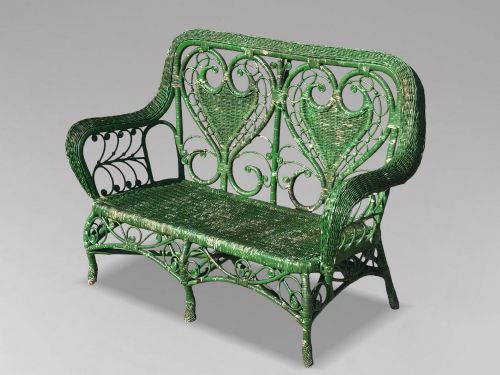
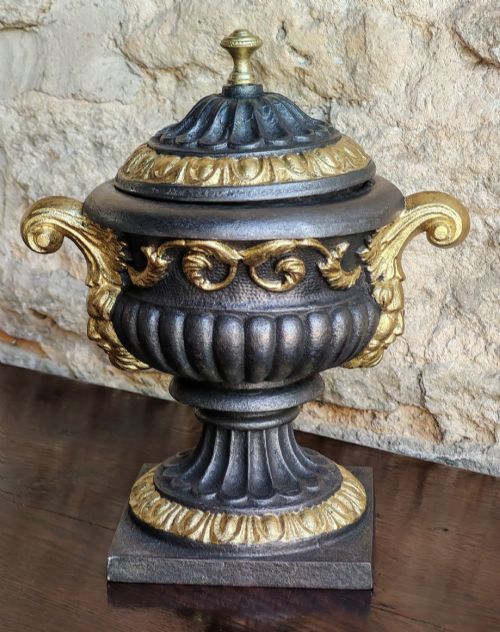
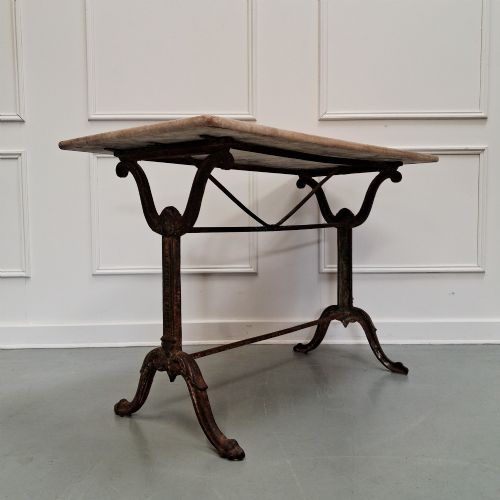
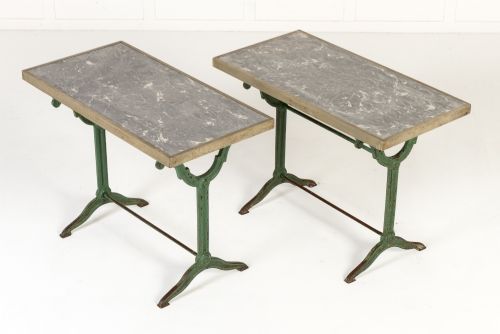
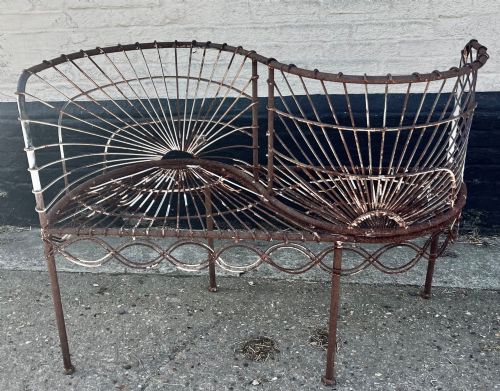
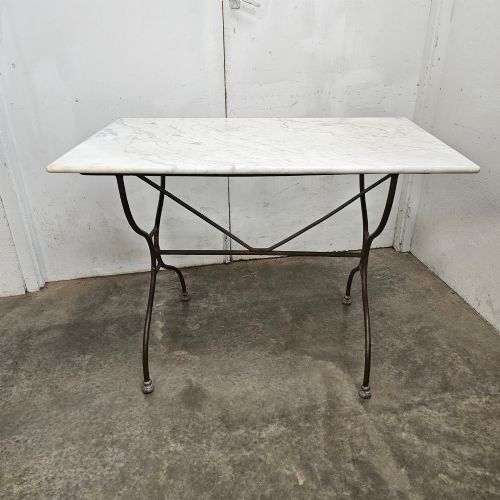
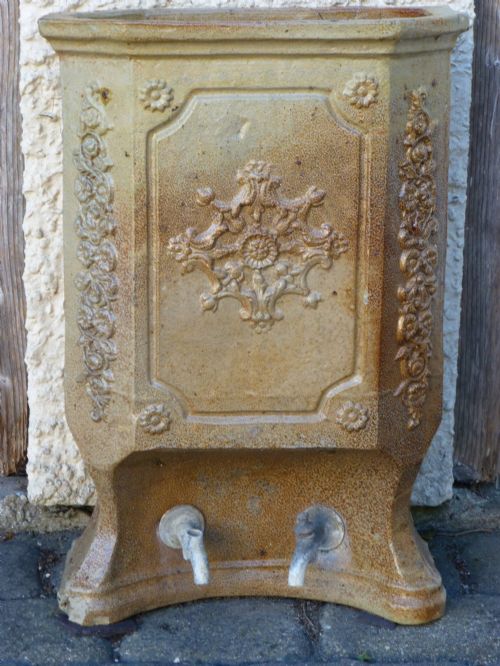
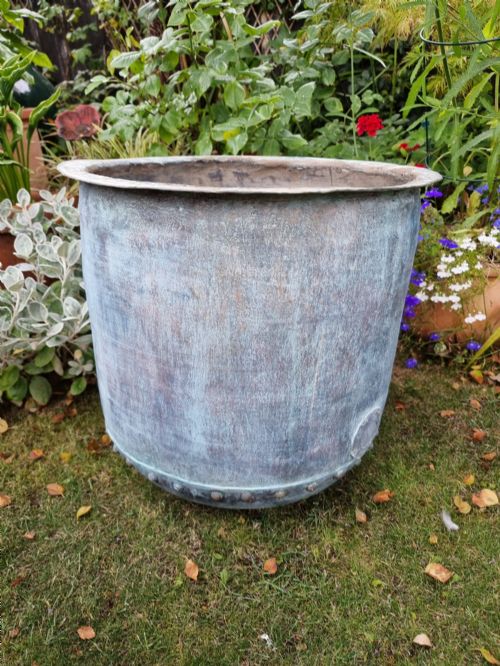
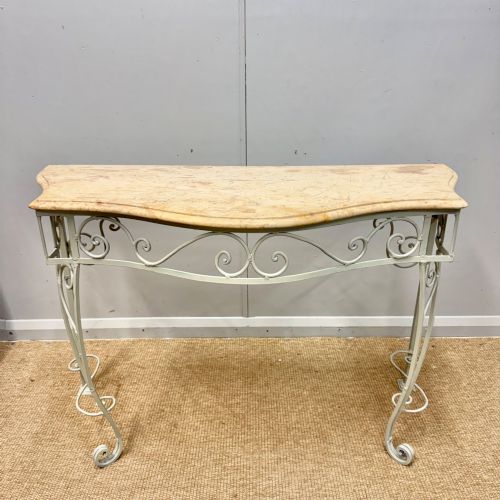
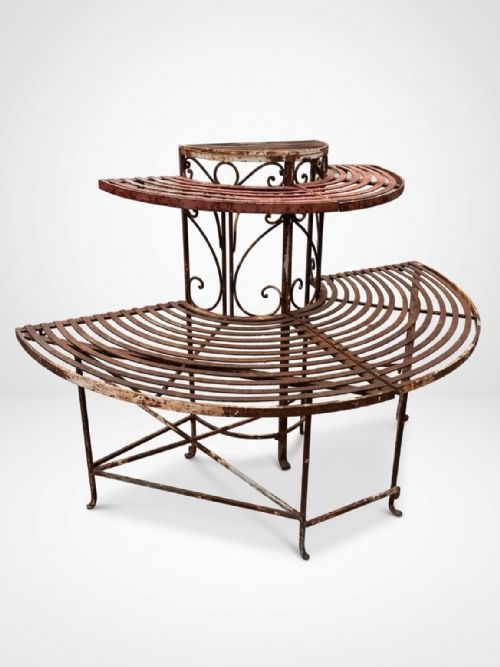
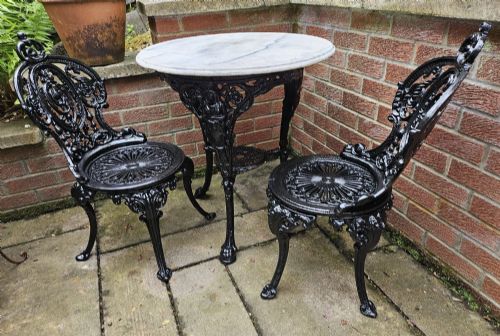
When you search for french garden antique items, you encounter functional and decorative objects created for domestic grounds, courtyards, and terraces. The selection spans utilitarian vessels, seating, and tables originating from periods such as the eighteenth century, nineteenth century, and early twentieth century. Common forms include bistro tables, planters, garden benches, and architectural urns designed to weather the elements gracefully.
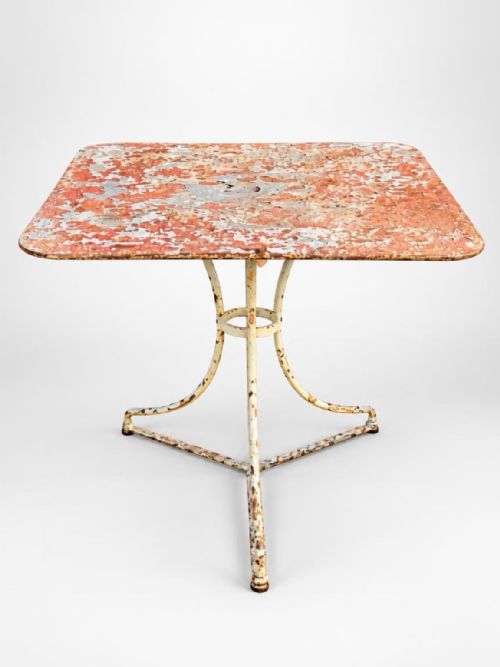
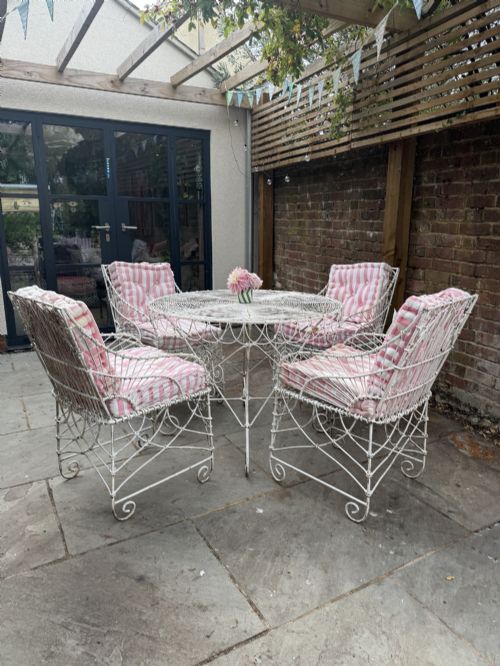
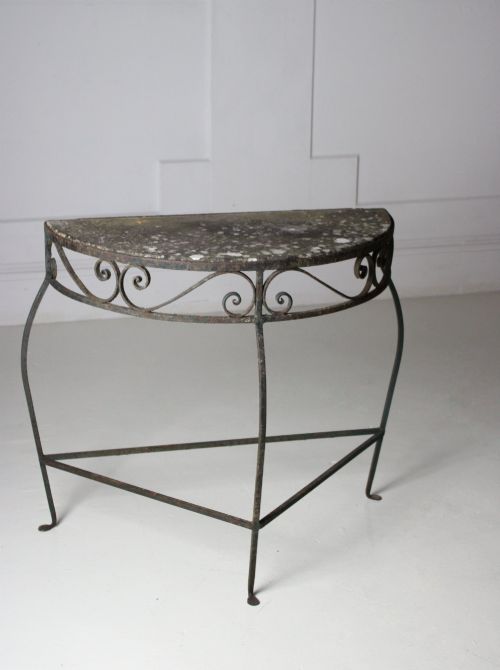
You are most likely to meet nineteenth-century cast and wrought iron bistro tables topped with marble, alongside robust terracotta planters and weathered garden seating. These items reflect traditional French country, provincial, and neoclassical styles, often exhibiting patinated surfaces accumulated over decades of outdoor exposure.
How they were made
Makers utilised durable metals including cast iron, wrought iron, steel, and bronze, shaping them through forging, casting, and strap work construction. Foundries produced robust structural elements and decorative statues, while artisans hammered and bent iron bars into scroll panels and furniture frames.
Ceramic and stone items relied on traditional firing and carving methods, yielding salt-glazed stoneware, terracotta jars, and smooth marble slabs. Wood elements such as elm were integrated into benches and tables, often finished with paint or left to weather naturally.
French Garden Retail Price Guide 2026
Typical asking prices for french garden among the pieces listed under this phrase on Sellingantiques today, from the lower quarter to the upper quarter. They describe what is for sale here now, not the wider market.
What varies in quality
The standard of a piece rests upon the crispness of its cast ornament, the harmony of its proportions, and the integrity of its materials. Master founders and skilled blacksmiths achieved cleaner lines, balanced scrollwork, and substantial gauges of metal that outlast lighter utilitarian production.
Surface evolution and originality distinguish superior examples, particularly where original paint layers, weathered patinas, and intact marble tops remain undisturbed. Pieces bearing foundry marks or attributed to notable workshops demonstrate a higher tier of design and execution.
Val d Osne foundry·Raymond Subes·Guichard Carriès
The French Garden Glossary
- Faux bois
- Concrete or cement rendered to imitate wood grain, frequently utilised for nineteenth-century garden benches and planters. This technique created durable seating that harmonised with natural surroundings.
- Biot jar
- A large Provençal terracotta storage vessel originating from the town of Biot in southern France. These heavy jars were traditionally used for olive oil or water and feature characteristic aged patinas.
- Strap work
- Flat strips of iron riveted or welded together to form geometric or decorative patterns on garden furniture and gates. This method provided structural strength while maintaining an open, airy appearance.
- Salt-glazed stoneware
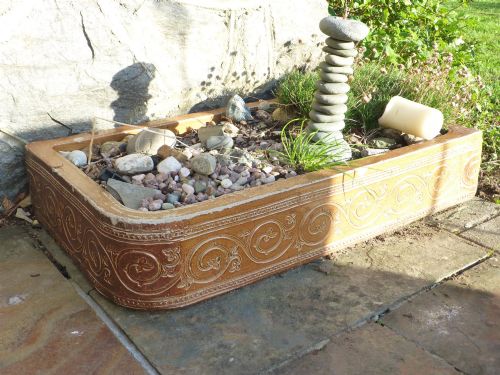
- Pottery fired at high temperatures with salt thrown into the kiln to produce a glossy, durable finish. It created impermeable garden troughs and fountains resistant to frost.
- Architectural salvage
- Elements rescued from buildings or structures, such as iron scroll panels, grilles, and stone ornaments, repurposed for garden decoration.
French Garden: Frequently Asked Questions
How do I care for antique garden ironwork?
Maintain iron furniture by keeping it clean and applying protective wax or suitable outdoor treatments to arrest active corrosion.
Store delicate marble-topped tables under shelter during harsh winter months to prevent frost damage to the stone and joints.
Can terracotta garden urns stay outside in winter?
Traditional terracotta and salt-glazed vessels tolerate outdoor conditions well, but severe freezing water can crack porous clay.
Empty large planters of wet soil or elevate them on pot feet during freezing weather to ensure proper drainage.
How do I identify a nineteenth-century bistro table?
Examine the construction of the iron base and the thickness of the marble slab, which typically shows hand-finished edges and older fixings.
Nineteenth-century examples often feature heavy cast iron pedestals or riveted wrought iron frames rather than modern welded steel.