


French Folk Art Figures
French folk art figures bring rural charm and handcrafted character into a room through carved wood and painted ceramics.
French Folk Art Figures
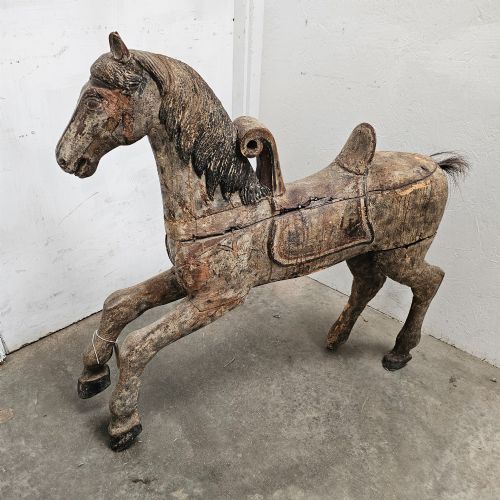
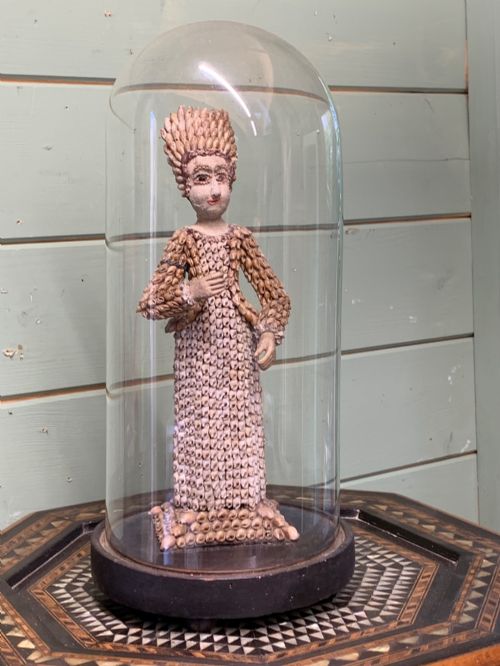
When you search for french folk art figures, you encounter a diverse collection of sculptural objects rooted in provincial traditions and rural trades. These pieces range from carved wooden carousel animals and shop displays to glazed earthenware ceramics and maritime seashell mementos.
The selections available here lean heavily into nineteenth-century craftsmanship, showcasing domestic animals, trade figures, and whimsical pottery. You meet items shaped for practical trade use alongside purely decorative sculptures meant for rural homes.
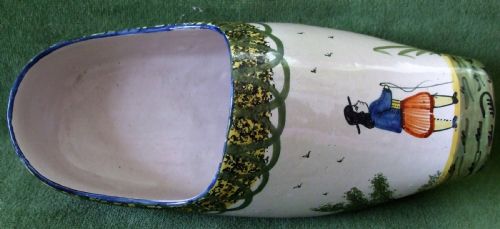
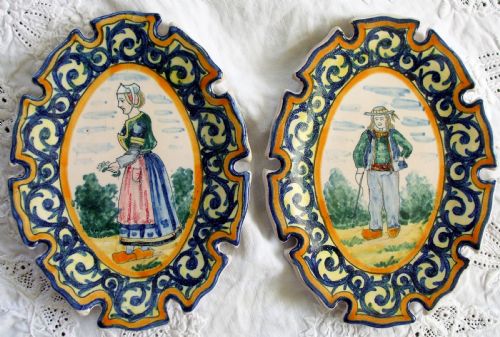
Regional origins shape these objects significantly, with pottery traditions from Quimper and Bavent sitting alongside solid wood carvings from provincial workshops. Each piece reflects the everyday material culture of nineteenth-century France through distinct local styles and regional iconography.
How they were made
Makers shaped these figures primarily from solid wood and various clays, applying paint, horsehair, and iron details to finish the surfaces. Carvers worked wood by hand to produce carousel animals and large shop displays, while potters moulded terracotta and faience for ceramic figures.
Tin-glazed earthenware and faience pieces received hand-painted decoration in traditional palettes before firing, capturing local motifs and coastal themes. Craftsmen also incorporated unconventional materials like seashells into maritime figures to build textured surfaces.
Terracotta cats peer down from roof tiles in nineteenth-century Normandy designs.
What varies in quality
The quality of these figures rests on the dexterity of the carving and the preservation of original painted surfaces. Bold tool marks and expressive forms distinguish superior wood carvings from simpler provincial work.
Ceramic quality depends on the clarity of hand-painted glazes and the crispness of moulded details in pieces from pottery centres like Quimper or Bavent. Original surface patinas and intact secondary materials such as horsehair elevate the standing of individual examples.
The French Folk Art Figures Glossary
- Faience
- Tin-glazed earthenware produced in France, often featuring hand-painted regional designs and motifs. This technique provides a smooth white background for colourful pigments.
- Quimper
- Pottery produced in the town of Quimper in Brittany, known for traditional painted figures and tableware. Pieces often display distinct local costume designs.
- Terracotta
- Fired unglazed or glazed clay of a brownish-red colour used for sculptural figures and architectural ornaments. Artisans shape this material easily before kiln firing.
- Carousel figure
- Carved wooden animal created for fairground rides, displaying dynamic movement and decorative paintwork. These sculptures served an energetic public function before entering domestic collections.
French Folk Art Figures: Frequently Asked Questions
What materials are used in these figures?
These sculptures utilise carved wood, paint, iron, glass, and various forms of glazed earthenware. Makers also incorporated horsehair and seashells into specific pieces.
Provincial carvers worked primarily with solid timber, while regional potteries utilised local clays and tin glazes for ceramic production.
How do I identify Quimper pottery?
Quimper pieces feature hand-painted designs, often displaying traditional Breton figures in regional dress. The pottery originated in northwestern France.
Marks such as HB or HR often appear on the underside or back of these faience items to indicate the workshop.
Where were these ceramic animals made?
Ceramic animal sculptures originated in specific regional pottery centres like Bavent in Normandy. Potters created these figures for both decorative use and architectural placement.
Roof tile ornaments and cat figures represent common output from these regional French kilns.
How were carousel figures used?
Carousel figures served as seats on nineteenth-century fairground rides before retiring to private collections and shop displays. Carvers built them from solid wood to withstand heavy public use.
Their dynamic poses and bright paintwork were designed to attract attention at speed.