

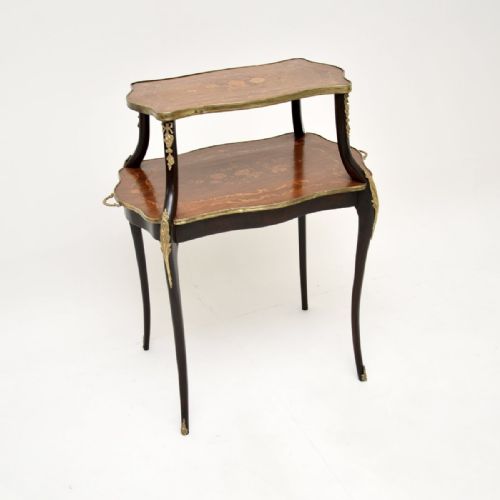


French Floral Stand
These french floral stand pieces bring continental decorative refinement to interior spaces through intricate marquetry and polished bronze mounts.
French Floral Stand
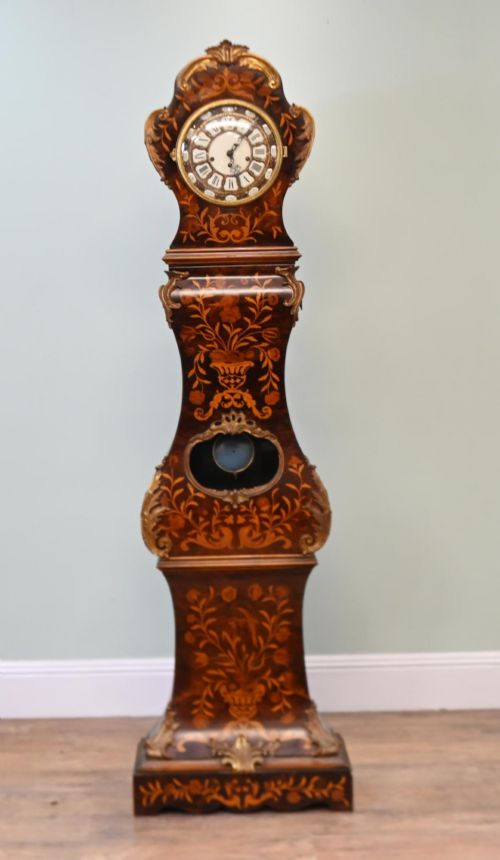
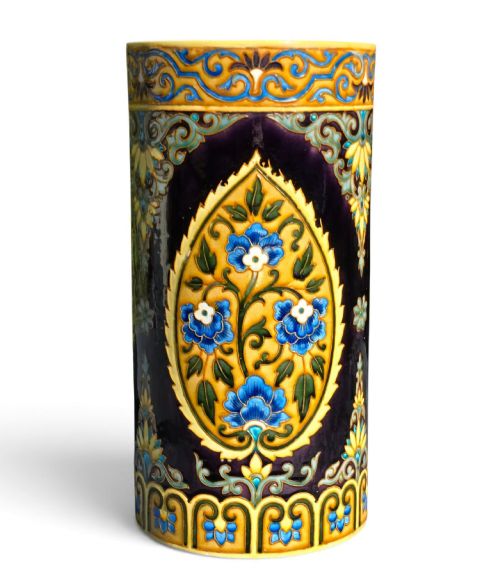
When searching for a french floral stand, buyers encounter tiered etageres, jardiniere planters, and occasional tables designed to display plants and decorative objects. These items originate predominantly from the nineteenth century and incorporate continental design influences such as French Rococo Revival and Art Nouveau styles.
The most common forms on this page include marquetry-inlaid etageres and kingwood planter tables mounted with ormolu. Walnut, rosewood, and satinwood provide the structural foundations for these decorative pieces.
Period pieces span from mid-nineteenth century Victorian examples to early twentieth century productions. Makers utilised brass and gilt bronze fittings to accent floral inlay patterns.
Materials and construction techniques
Cabinetmakers constructed these pieces using dense hardwoods like walnut, rosewood, kingwood, and satinwood as a base for elaborate marquetry floral inlays. Artisans hand-cut veneers to form detailed botanical motifs across tabletops, tiers, and cabinet fronts.
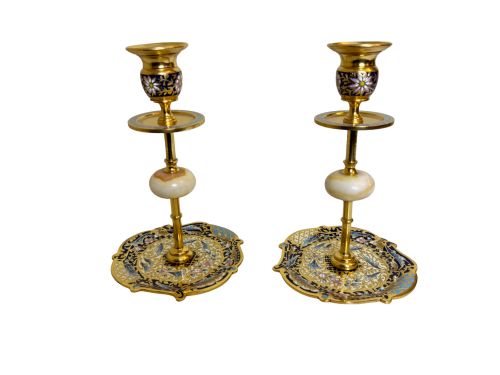
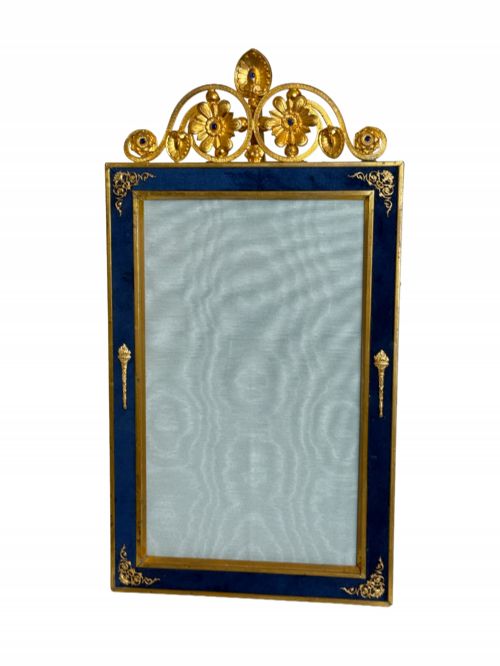
Foundry workers cast ormolu, gilt bronze, and brass components to mount edges, feet, and structural supports. Champleve enamelling and painted toleware details frequently complemented the timber frames.
French Floral Stand Retail Price Guide 2026
Typical asking prices for french floral stand among the pieces listed under this phrase on Sellingantiques today, from the lower quarter to the upper quarter. They describe what is for sale here now, not the wider market.
Listings feature pieces spanning from the mid nineteenth century through to nineteen thirty, encompassing Victorian, Art Nouveau, and Louis XV revival styles.
Judging execution and finish
Quality rests upon the precision of the marquetry cutting and the variety of cabinet timbers employed in the floral designs. Pieces combining multiple exotic woods like kingwood and rosewood demonstrate higher levels of workshop labour.
The crispness of the gilt bronze or ormolu mounts separates standard production items from finer workshop output. Hand-chased metalwork and heavy brass rims indicate superior original manufacture.
Edwards & Roberts·Abel Landry·Marti
The French Floral Stand Glossary
- Marquetry
- Decorative veneer work formed by fitting together small pieces of wood, shell, or ivory to create pictorial floral patterns on a furniture surface.
- Ormolu
- Gilded brass or bronze applied as mounts and decorative trim on nineteenth-century furniture and stands.
- Etagere
- A set of open shelves for displaying small objects, commonly found in multi-tiered French occasional tables.
- Jardiniere
- An ornamental stand or container specifically designed to hold plants and floral arrangements indoors.
- Toleware
- Enamelled or lacquered sheet metal items often decorated with painted floral designs.
French Floral Stand: Frequently Asked Questions
What is a french floral stand used for?
These stands serve as decorative platforms for holding potted plants, jardiniere bowls, and small display items within reception rooms. Their tiered surfaces allow for varied placement of botanical displays.
Historically, larger examples functioned as centre tables or plant holders in nineteenth-century salons, combining utility with decorative marquetry craftsmanship.
How do I identify the period of a stand?
Dating relies upon observing the primary timbers, the style of the floral marquetry, and the metal mounts used in construction. Mid-nineteenth century pieces often feature heavy walnut and brass mounts, while later items incorporate satinwood and kingwood.
Stylistic shifts from French Rococo Revival to Art Nouveau help narrow the decade of production between eighteen-fifty and nineteen-thirty.
Are these pieces made of solid wood?
The primary carcass frames utilise timbers such as walnut or mahogany, whilst the decorative surfaces employ fine wood veneers. Artisans laid these contrasting veneers onto the timber core to achieve intricate floral marquetry patterns.
Secondary woods support the internal structure of tables, etageres, and cabinets depending on the workshop origin.
Where should I place a jardiniere stand?
These stands fit naturally into drawing rooms, conservatories, or hallways where they receive adequate light for plant displays. Their polished wood surfaces and ormolu mounts complement traditional sitting room layouts.
Protecting the timber finishes from direct moisture requires using waterproof liners inside metal or ceramic jardiniere inserts.