



French Floral Lamp
A French floral lamp brings botanical metalwork, painted ceramics and classical illumination into a room, spanning periods from the nineteenth century to the art deco era.
French Floral Lamp
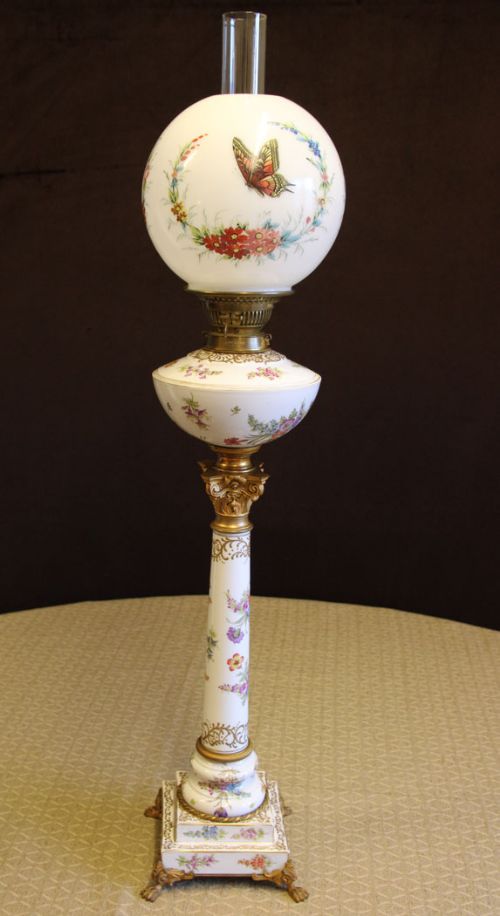
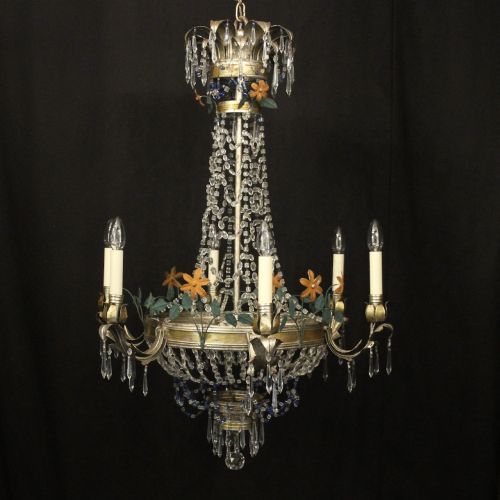
A french floral lamp combines structural metalwork with botanical motifs, taking the form of table lamps, oil lamps and chandeliers adorned with porcelain flowers or painted ceramic stems.
The selections span the nineteenth century through the 1930s, encompassing styles from Louis XV revival and rococo to art nouveau and art deco.
Buyers encounter wired ceramic vessels, toleware branches and frosted glass shades, alongside occasional tables specifically built or adapted to serve as lamp stands.
Materials and construction
The physical build relies on cast brass, ormolu, gilt metal and wrought iron, forming the structural arms, bases and mounts for fragile glass or ceramic components.
Porcelain, pate-sur-pate and polychrome toleware supply the floral elements and figurative details, while frosted and enamelled glass shape the diffusers and lamp shades.
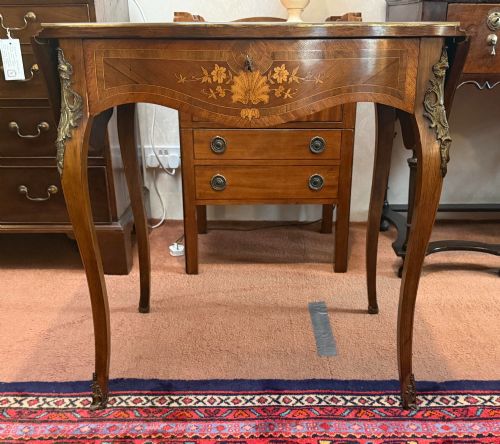
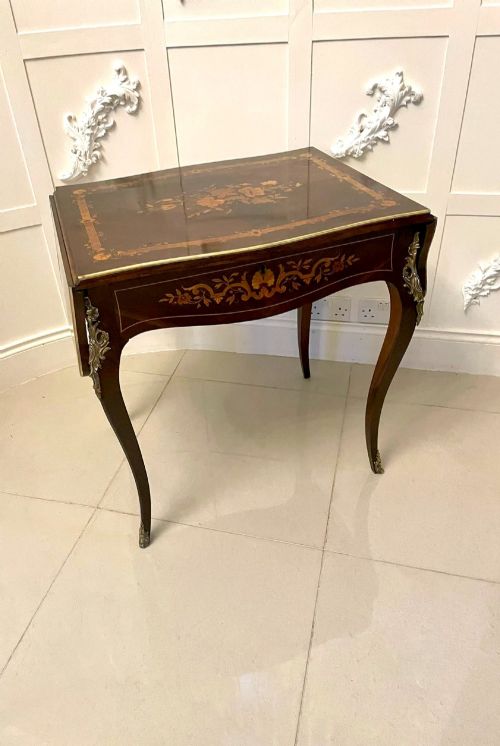
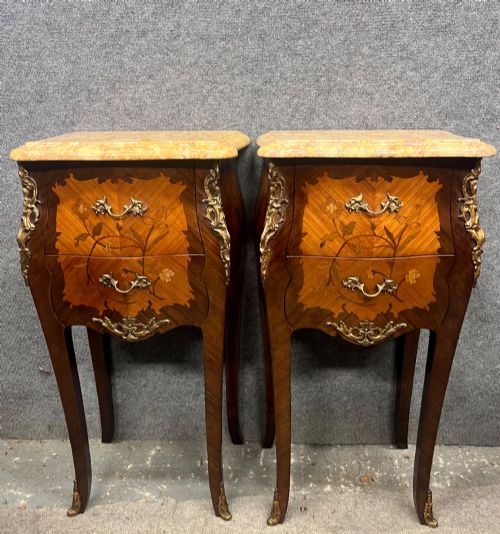
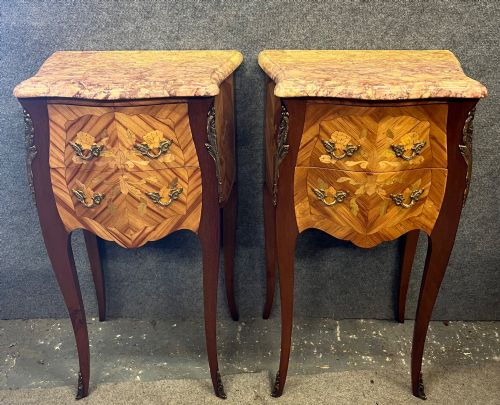
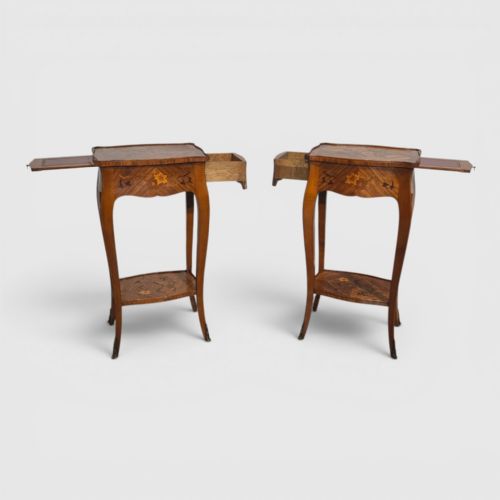
Cabinetmakers integrate walnut, rosewood and kingwood into related occasional and bedside tables, often pairing the timber surfaces with marquetry inlay and marble tops.
French Floral Lamp Retail Price Guide 2026
Typical asking prices for french floral lamp among the pieces listed under this phrase on Sellingantiques today, from the lower quarter to the upper quarter. They describe what is for sale here now, not the wider market.
Judging quality and execution
The standard of a piece rests upon the crispness of the metal casting, the hand-painted precision of the ceramic flowers, and the integration of gilt bronze or ormolu mounts.
Finer examples maintain original patination on brass and toleware surfaces, whereas lesser items show heavy modern repainting or crude wiring adaptations that obscure the antique structure.
Baccarat·Samson
The French Floral Lamp Glossary
- Toleware
- Painted or lacquered sheet metal, frequently shaped into floral leaves and branching chandeliers. This material defines many painted floral lighting pieces from the nineteenth and early twentieth centuries.
- Ormolu
- Gilded bronze applied as decorative mounts and structural highlights on lamps and furniture. The technique provides a rich metallic lustre that characterises revival pieces.
- Pate-sur-pate
- A ceramic decorating method where liquid clay is built up in successive layers on a contrasting body to create a low-relief cameo effect. It appears on high-grade porcelain lamp bases.
- Marquetry
- The art of applying thin veneers of various woods into decorative patterns on table surfaces. It is commonly found on the occasional and bedside tables paired with these lamps.
French Floral Lamp: Frequently Asked Questions
What periods do these lamps cover?
The available lighting spans from nineteenth-century Victorian and Napoleon III periods through the art nouveau and art deco movements of the early twentieth century. Designs mirror changing tastes from ornate rococo revival to streamlined geometric forms.
Craftsmen adapted traditional floral motifs across each successive decade, shifting from hand-painted porcelain ceramics to wrought iron and enamelled glass.
How were these lamps used?
These pieces served both practical illumination and decorative display within nineteenth and early twentieth-century domestic interiors. Oil lamps and early electrified fittings sat upon occasional tables, bedside chests and centre tables in grand reception rooms.
Chandeliers and wall lights provided overhead ambient lighting, incorporating branches of porcelain flowers and cherub motifs to match the furnishings of the room.
How do I style a French floral lamp?
Position a table lamp upon a matching marquetry occasional table, rosewood side table or marble-topped bedside chest to echo the classic French interior aesthetic. The botanical elements integrate naturally with wood surfaces and gilded accents.
Allow the piece to act as a focal point on a sideboard or desk, where the painted ceramics and gilt metalwork complement traditional or eclectic living spaces.
How do I distinguish antique styles?
Early pieces from the mid-nineteenth century rely heavily on rococo revival curves, heavy porcelain, and cast ormolu mounts. Art nouveau items introduce naturalistic, flowing plant stems and frosted glass shades.
Art deco variations simplify the ironwork and enamel, trading elaborate scrollwork for cleaner geometric lines while keeping the central floral theme intact.