




French Figural Lamps
French figural lamps combine sculptural human and mythological forms with functional lighting, bringing period character and warm illumination to an interior.
French Figural Lamps
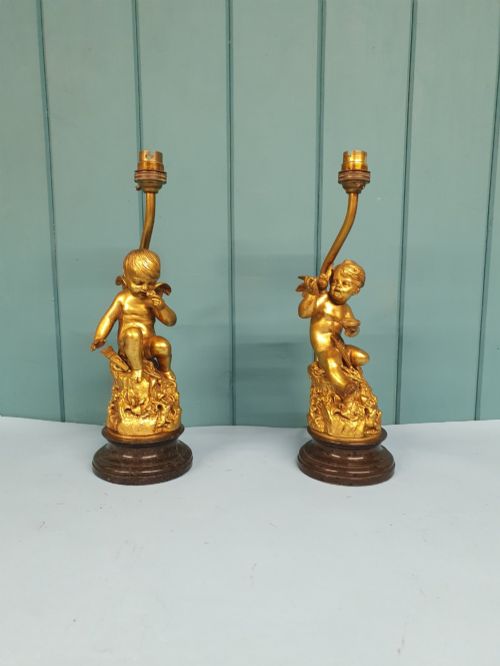
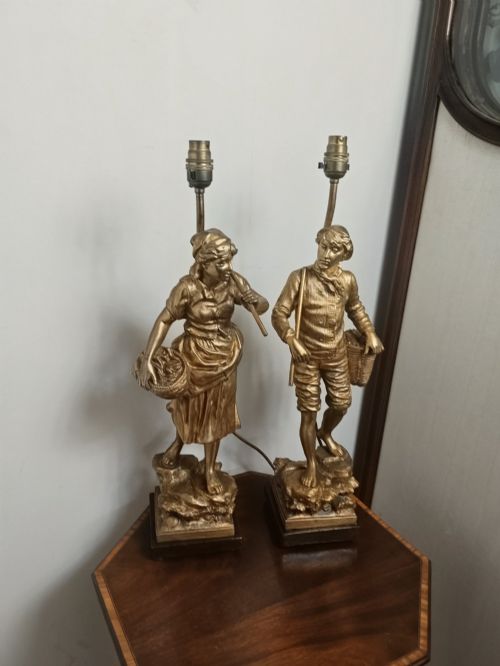
French figural lamps integrate cast figures such as cherubs, maidens, putti and allegorical characters into domestic lighting forms like table lamps, floor lamps and wall sconces.
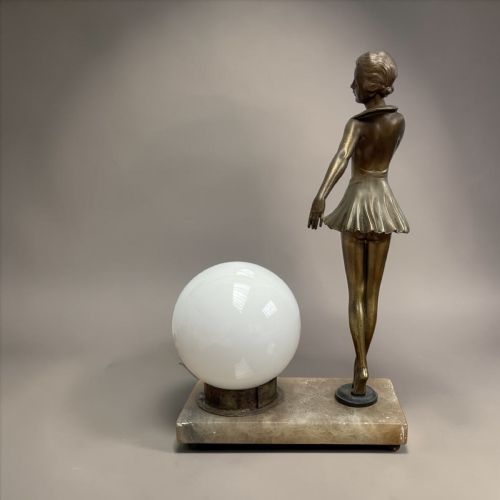
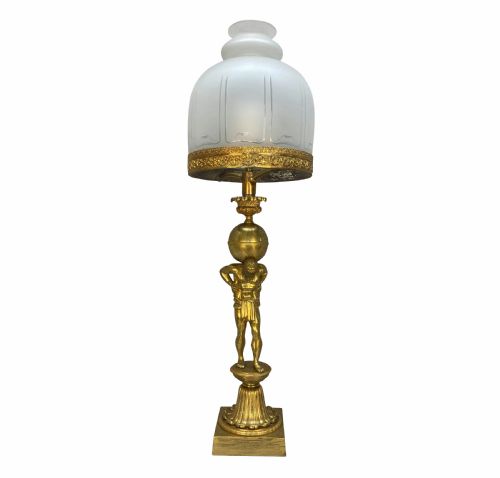
The selection ranges from nineteenth-century Neoclassical and Rococo Revival bronzes to twentieth-century Art Deco and Art Nouveau designs in spelter, marble and glass.
How they were made
Foundries utilised traditional casting methods in bronze, brass and spelter, often finishing the metal with patination, gilding or silvering.
Sculptural bases incorporate supporting plinths in marble or carved materials, paired with shades in fabric, frosted glass and toleware.
Listings feature table lamps, floor lamps and wall sconces in materials ranging from marble and bronze to frosted glass and fabric.
What varies in quality
The sharpness of the cast and the precision of the chiselling separate skilled foundry work from simpler commercial production.
Material choice marks distinct tiers, with heavy cast bronze and fine marble plinths sitting above lighter spelter and brass constructions.
E Rousseau·L & F Moreau·Emile Picault·Baccarat·Jean-Jules Cambos·H Moreau·Aug Moreau·François-Christophe-Armand Toussaint·Coutan·P Sega·Henri Honore Ple·Adrien Gaudez·Auguste Moreau·Ernest Justin Ferrand
The French Figural Lamps Glossary
- Spelter
- A zinc alloy frequently utilised as a cost-effective alternative to bronze for sculptural lamp bases. It takes patination and paint well.
- Torchère
- A standard lamp or wall light modelled to resemble a torch-bearing figure or stand. These often take the form of classical maidens or cherubs.
- Veilleuses
- A type of small night lamp, often executed in ceramic or glass during the Art Deco period. They provide a dim, ambient glow.
- Ormolu
- Gilded bronze produced by applying a mixture of gold and mercury to a bronze base. This technique creates a rich, lasting metallic lustre.
French Figural Lamps: Frequently Asked Questions
What periods do these lamps cover?
The pieces span from the nineteenth century through the Art Nouveau and Art Deco eras up to the nineteen-thirties. Earlier examples lean towards Neoclassical and Rococo Revival styles.
Later pieces reflect twentieth-century modernist shifts while retaining figurative subjects.
How were figural lamps used?
They served as decorative table lamps, floor lamps and wall sconces to illuminate drawing rooms and salons. Their sculptural forms allowed them to double as works of art.
Many were designed as pairs to balance symmetrical interiors on sideboards or mantelpieces.
How do I identify spelter from bronze?
Bronze is heavier, colder to the touch and takes a deeper, more durable metallic patination. Spelter is softer, lighter and often shows grey metal beneath worn paint.
Spelter figures frequently appear in twentieth-century and late nineteenth-century decorative pieces.
Are original shades common?
Most surviving lamps retain either period replacement shades or later fabric, frosted glass and toleware coverings. The primary focus for collectors remains the figural metal base.
Matching pairs often feature complementary shades rather than factory-original textiles.