






French Figural Art
French figural art brings human and mythological forms into your space, captured in bronze, marble, and glass through changing periods.
French Figural Art
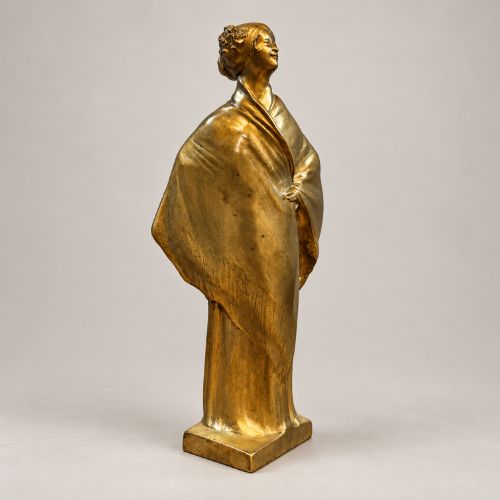
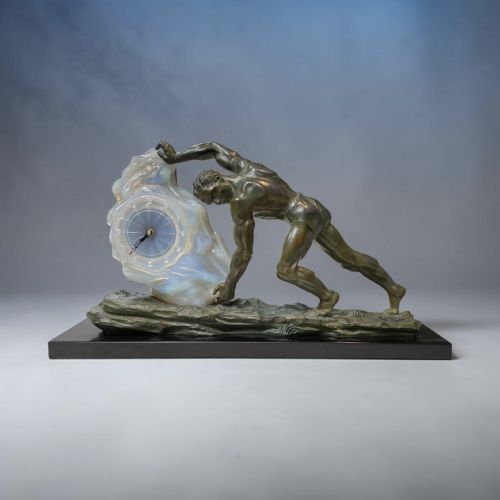
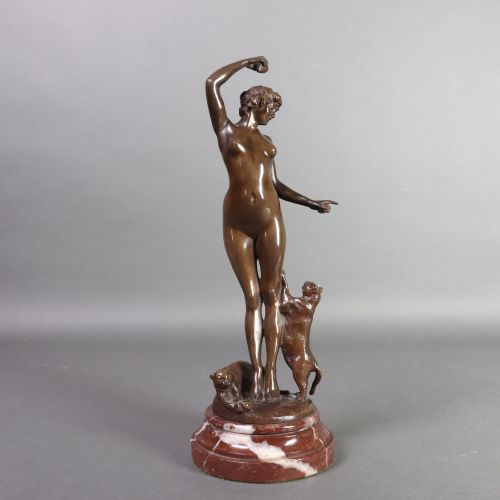
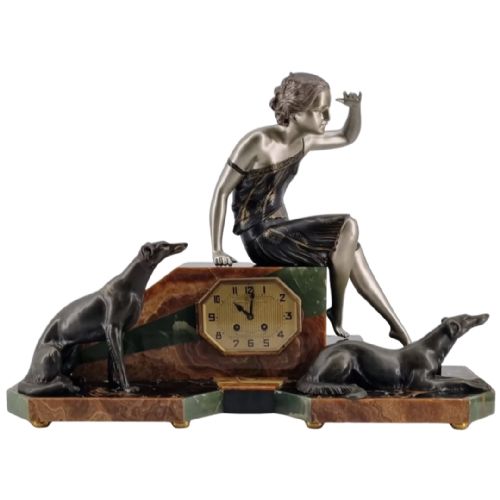
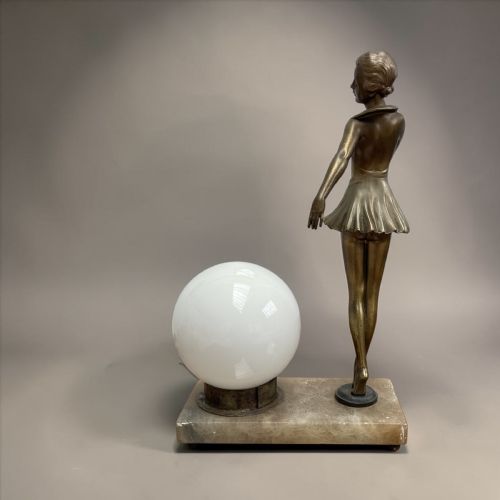
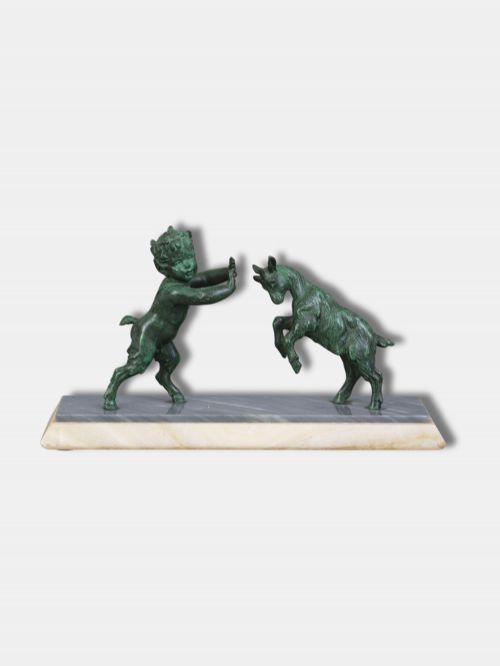
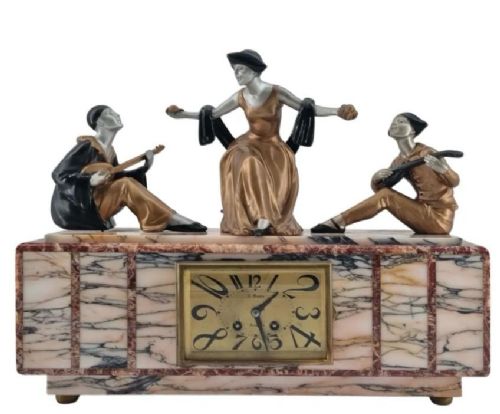
French figural art encompasses sculptures, table lamps, mantel clocks, and wall lights depicting human and mythological subjects. These pieces span the 19th century through the Art Deco and Art Nouveau periods, showcasing the human form in various contexts.
The version you are most likely to meet on this page is a bronze or spelter sculpture from the late 19th or early 20th century. Works by named artists sit alongside decorative table lamps and clock groups featuring dancers, nymphs, and classical figures.
Materials and Techniques
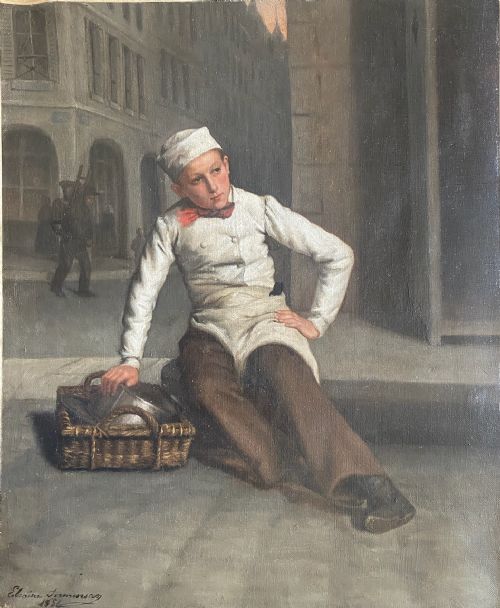
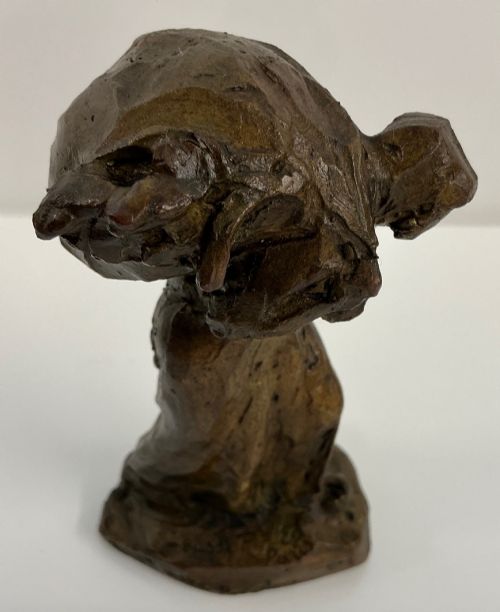
Foundries cast figures in bronze, patinated metal, or spelter, frequently mounting them on heavy marble or onyx bases. Sculptors and artisans also utilised terracotta, carved glass from makers like Baccarat, and oil on canvas for painted portraits and genre scenes.
Artisans applied patination manually to metal surfaces to create tonal depth, while glass pieces relied on moulding and frosted finishing techniques. Tapestries utilised traditional weaving methods with wool to depict detailed scenes.
French Figural Art Retail Price Guide 2026
Typical asking prices for french figural art among the pieces listed under this phrase on Sellingantiques today, from the lower quarter to the upper quarter. They describe what is for sale here now, not the wider market.
Materials range from traditional bronze and marble to Baccarat frosted glass and wool tapestries.
Indicators of Quality
The caliber of a cast dictates the definition in metal works, separating sharp, hand-finished details in hair and drapery from soft, mass-produced copies. Richness of the original patination and the density of the supporting marble or onyx base further distinguish superior examples.
In lamps and clocks, the integration of the figural sculpture with the functional mechanism or lighting element shows the maker's intent. Master sculptors achieve fluid movement and anatomical precision that lesser studio pieces miss.
Gustave Dussart·Uriano·L & F Moreau·Emile Carlier·Jules Dalou·Richard Avrilli·Sega·Georges Goursat·Manet·Charles Korschann·Ernst Barrias·Alexandre Kelety·Emmanuel Villanis·Antoine Bofill·Auguste Moreau
The French Figural Art Glossary
- Spelter
- A zinc alloy frequently used as a cost-effective alternative to bronze in decorative figures and lamp bases. It takes patination well to simulate heavier metals.
- Patinated Bronze
- Bronze treated with chemical solutions to produce a specific surface coloration or aged tone. This process highlights the sculptural contours.
- Art Nouveau
- A decorative arts style popular around 1900 characterised by flowing lines and organic motifs inspired by natural forms. Figures from this period often depict long-haired maidens or mythological nymphs.
- Art Deco
- A design style dominant in the 1920s and 1930s featuring geometric shapes, stylised human forms, and modern materials. Dancers and athletes are common subjects.
- Aubusson Tapestry
- A hand-woven wall hanging or textile produced in the French town of Aubusson. These works typically feature pastoral or biblical scenes.
French Figural Art: Frequently Asked Questions
What is the difference between bronze and spelter?
Bronze is a durable copper alloy that holds fine chisel work and ages gracefully with handling. Spelter is a softer, lighter zinc-based metal that was widely utilised for accessible decorative sculptures and lamps.
Spelter figures are more brittle and often display a painted or patinated surface layer that can flake over time. Bronze pieces retain their metallic integrity and sharp casting details far better through the decades.
How do I date a French figural clock?
Stylistic cues in the attached sculpture provide the primary dating evidence for these clocks. Art Nouveau models feature whiplash curves and floral elements, while Art Deco versions display geometric symmetry and stylised figures.
The materials also indicate the era, with onyx and heavy marble bases pointing toward early 20th-century production. Movement types and maker signatures stamped on the back plate offer further chronological confirmation.
Where should I place a figural table lamp?
Figural lamps require a stable surface with adequate clearance to showcase the sculptural base without obstruction. Credenzas, sideboards, and large desk surfaces provide suitable weight support and visual framing.
Keep these pieces away from direct, harsh sunlight to protect patinated metal surfaces and frosted glass shades from gradual fading. Position them where ambient room lighting can catch the contours of the figure.
Are these sculptures original period casts?
The majority of pieces originate from the 19th and early 20th centuries, created during the active periods of the listed artists and foundries. Foundry marks, signatures cast into the base, and material patination help confirm the period.
Examining the underside reveals construction methods typical of historic manufacturing, such as threaded bolts and hand-finished seams. Each piece reflects the production standards of its specific decade.