





French Enamelled Glass
French enamelled glass brings together rich colours and detailed painted decoration, offering both decorative presence and fine craftsmanship.
French Enamelled Glass
When searching for French enamelled glass, buyers encounter a diverse range of decorative and functional objects originating primarily from the nineteenth and early twentieth centuries. These pieces span distinct design movements including Victorian, Art Nouveau, and Art Deco.
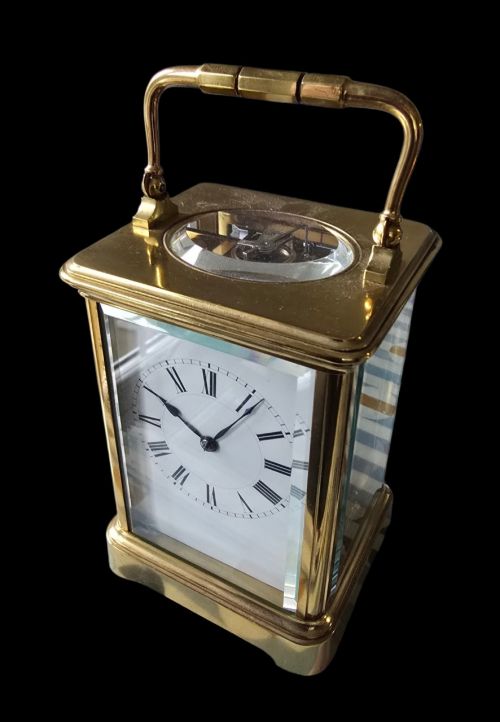
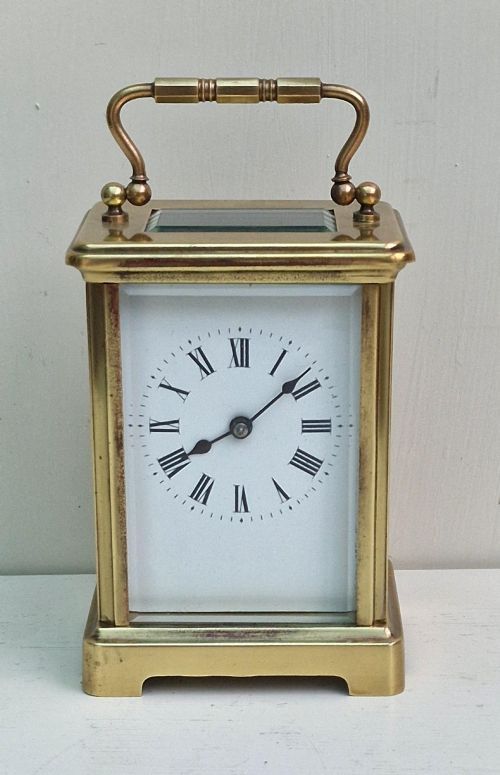
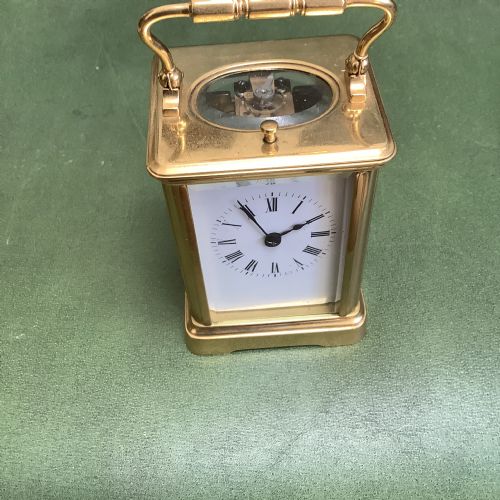
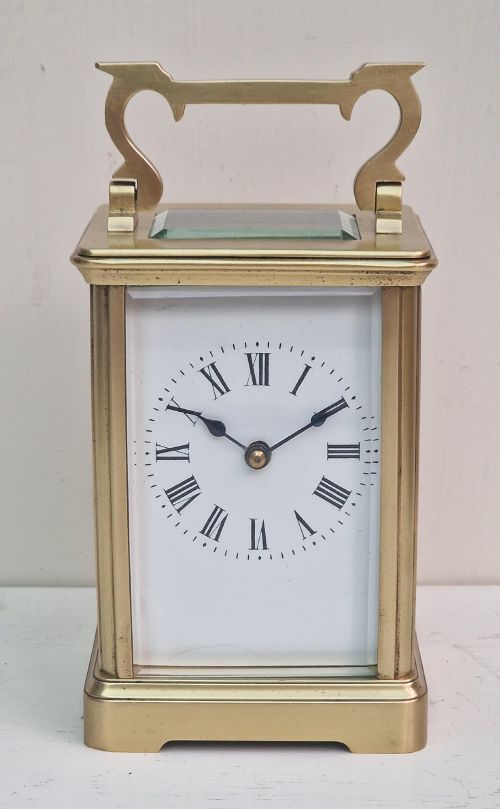
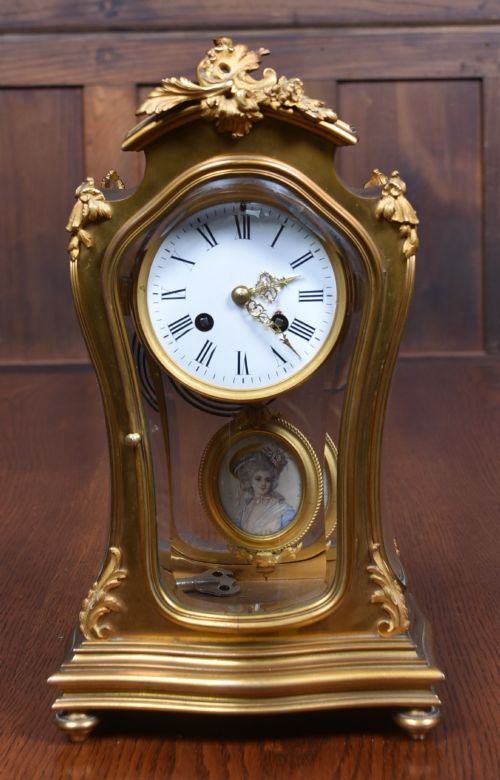
The selection frequently includes table lamps, vases, scent bottles, and mantel clocks incorporating glass elements. Many items combine glass bodies with brass, gilt brass, or wrought iron mounts, reflecting the varied output of French makers during the Belle Epoque.
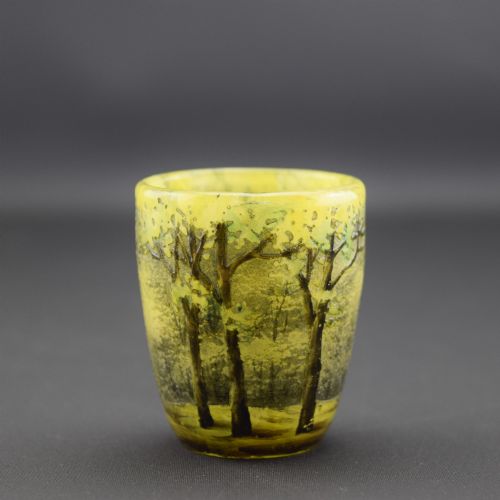
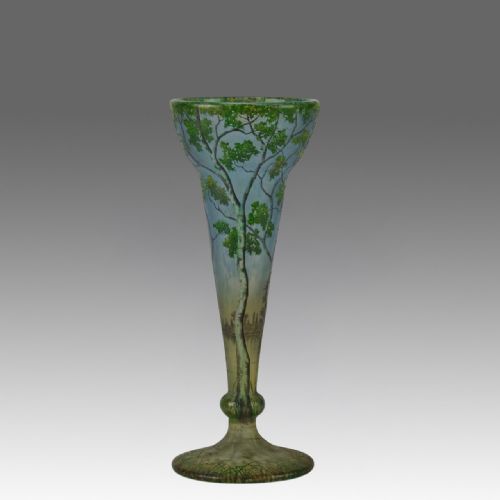
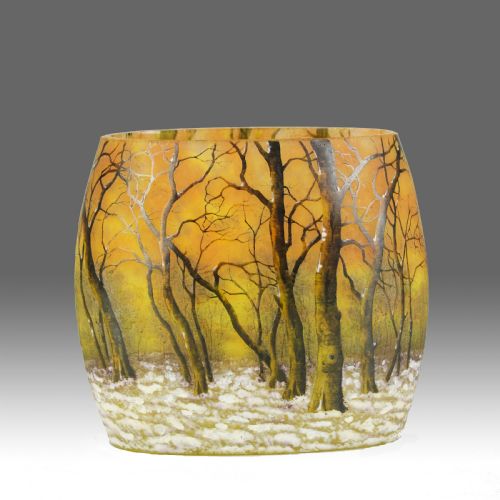
Vases and scent bottles often feature floral or landscape motifs executed in coloured enamels, while larger decorative objects incorporate cameo glass techniques. Buyers meet both delicate cabinet pieces and substantial domestic items intended for prominent display.
How they were made
Maker utilise glass as the primary medium, frequently combining frosted, satin, turquoise, or cranberry glass with detailed enamel decoration and gold leaf. Some pieces employ cameo glass techniques, carving multiple layers of glass to reveal contrasting coloured designs.
Metalwork plays a structural role, with brass, gilt brass, or ormolu forming cases and mounts for clocks, jars, and lamps. Artisans applied coloured and gold enamels directly onto the glass surfaces, often depicting botanical subjects or scenic views.
French Enamelled Glass Retail Price Guide 2026
Typical asking prices for french enamelled glass among the pieces listed under this phrase on Sellingantiques today, from the lower quarter to the upper quarter. They describe what is for sale here now, not the wider market.
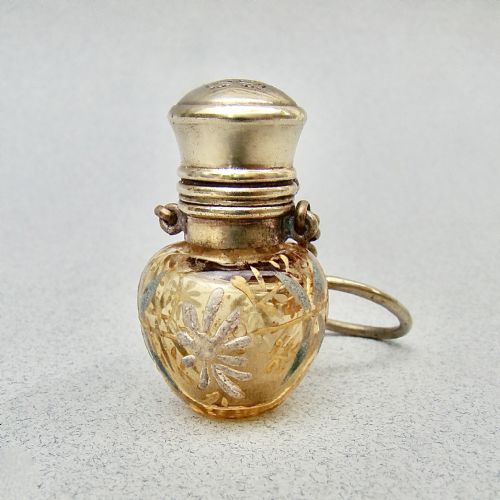
Tiny carriage clocks and chatelaine scent bottles allowed nineteenth-century owners to carry the correct time and their preferred fragrance wherever they walked.
What varies in quality
Quality in these objects rests upon the precision of the enamel application and the depth of the glasswork. Pieces featuring hand-painted floral motifs or layered cameo carving demonstrate higher levels of artisanal skill than simpler production items.
The integration of metal mounts, such as gilt brass or ormolu framing on clocks and scent bottles, distinguishes finer examples. Heavier crystal bodies and signed works by established glassworks or makers generally indicate superior manufacture.
Daum Freres·Legras·Samuel Marti et Cie·St Louis glassworks·Tiffany
The French Enamelled Glass Glossary
- Cameo glass
- A glass vessel formed of two or more layers of different colours, carved to create a raised design. This technique requires considerable skill to achieve sharp contrast between the layers.
- Enamel
- A decorative substance fused to the surface of glass or metal through firing. It provides vibrant colour and durable surface detail on vases and scent bottles.
- Omolu
- Gilded bronze or brass used for mounts and decorative fittings on clocks and glassware. It adds a metallic lustre that complements the coloured glass.
- Plique-a-jour
- An enamelling technique where the enamel is applied within a network of metal wire without a backing, allowing light to shine through like stained glass. This method appears on delicate pendant medals.
- Guilloche
- An intricate decorative pattern mechanically engraved into metal beneath a translucent enamel layer. It frequently decorates small personal items such as scent bottles.
French Enamelled Glass: Frequently Asked Questions
What periods do these pieces date from?
The selection spans the nineteenth and early twentieth centuries, encompassing Victorian, Art Nouveau, and Art Deco aesthetics. Many items date from the late nineteenth century and the French Belle Epoque.
Production methods and stylistic details evolved across these decades, shifting from ornate Victorian designs towards flowing Art Nouveau plant motifs and geometric Art Deco forms.
How are scent bottles and jars constructed?
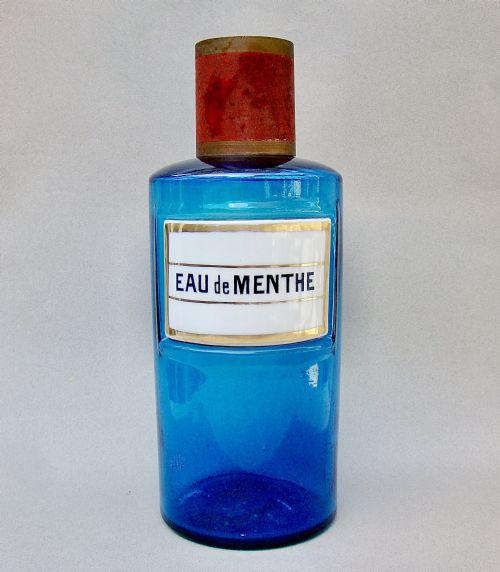
These small vessels combine blown glass bodies with metal collars, chatelaine mounts, or stoppers in brass, sterling silver, or gilt metal. Enamel painting and sometimes diamantes decorate the exterior surfaces.
Permanent attachments like chatelaine chains allowed personal items to be suspended from a belt during the Victorian era.
What distinguishes cameo glass vases?
Cameo glass vases feature multiple fused layers of coloured glass that artisans carved down to produce raised landscape or floral scenes. Makers like Daum utilised this method for atmospheric summer and winter views.
The depth of the carving and the subtlety of the colour transitions determine the visual impact of each piece.
How do I care for enamelled glass?
Enamelled glass and associated metal mounts require gentle handling and cleaning with a soft, dry cloth. Avoiding abrasive cleaners preserves the delicate painted enamel and gold leaf decorations.
Keeping items away from direct sunlight and extreme temperature fluctuations protects both the glass body and any mounted metalwork.