

French Dressing Glass
These French dressing glass items encompass mirrors and glass vanity objects designed for the dressing room.
French Dressing Glass
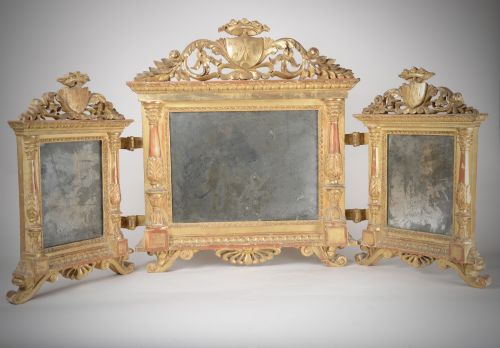
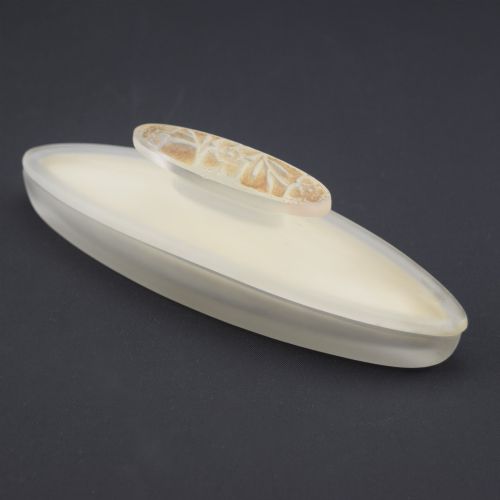
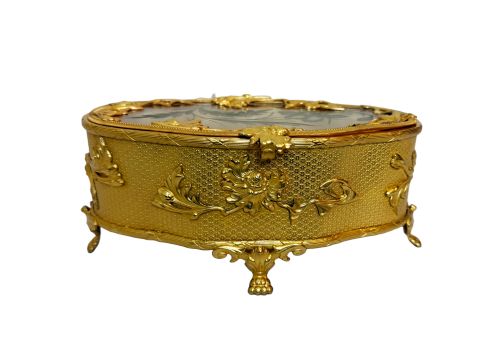
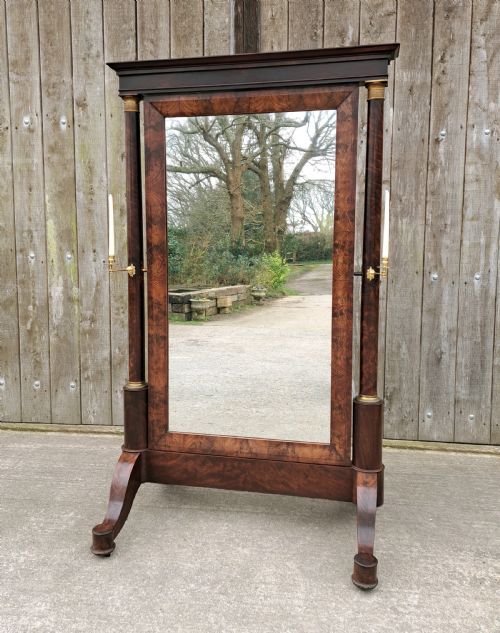
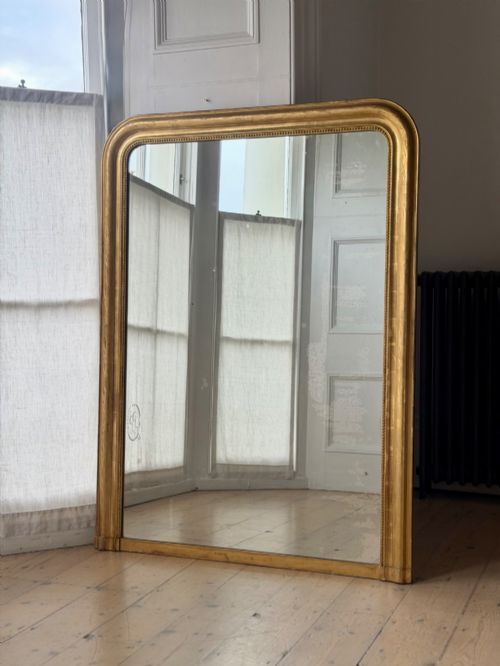
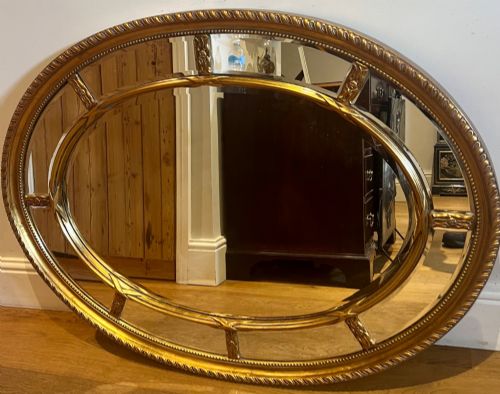
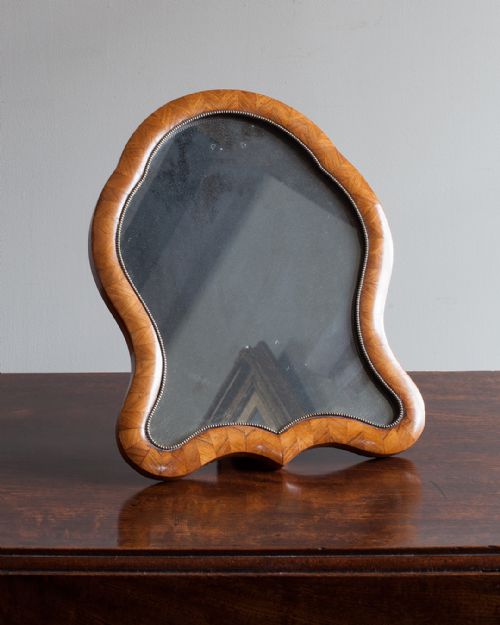
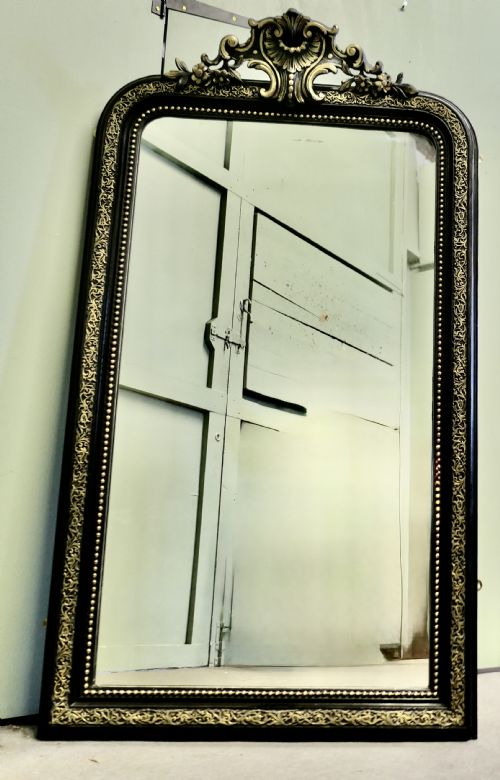
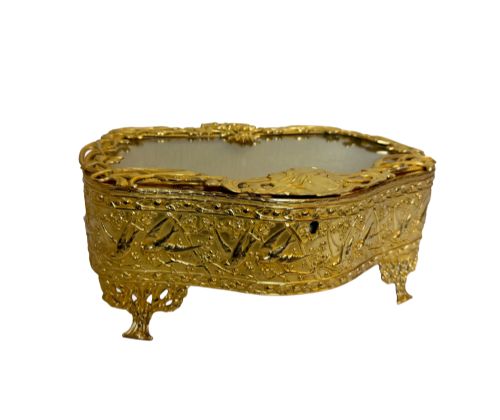
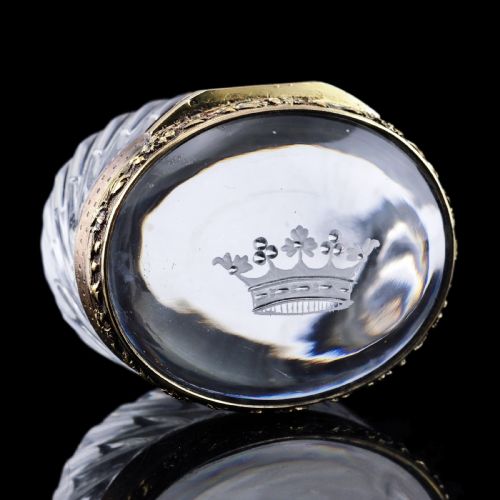
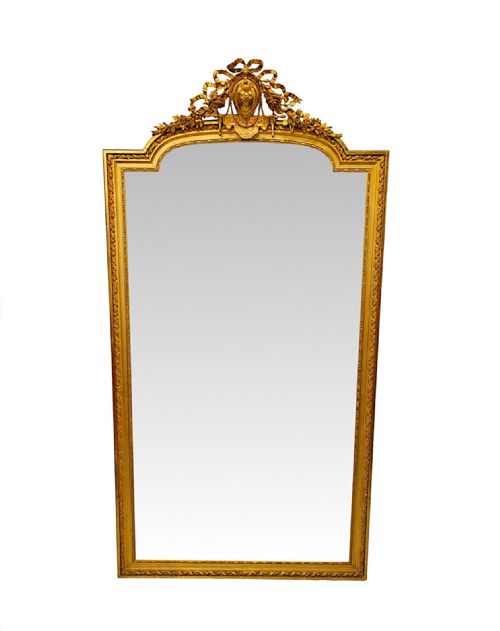
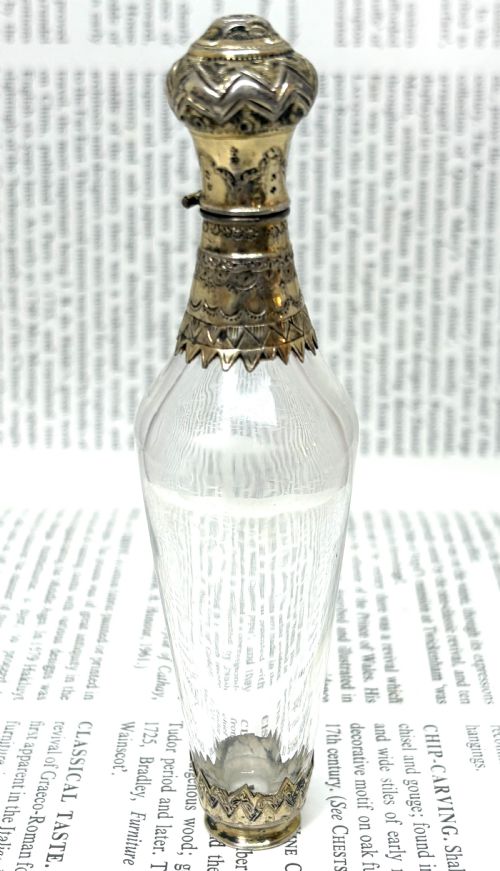
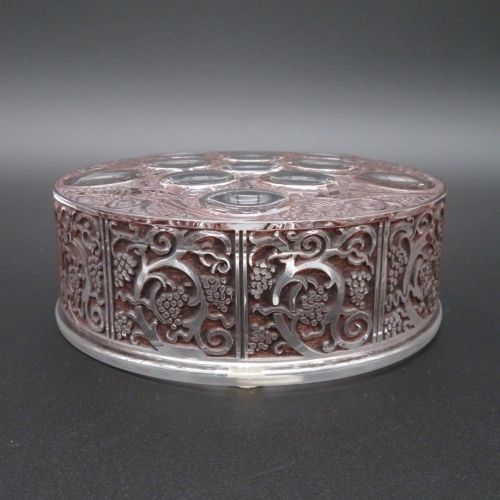
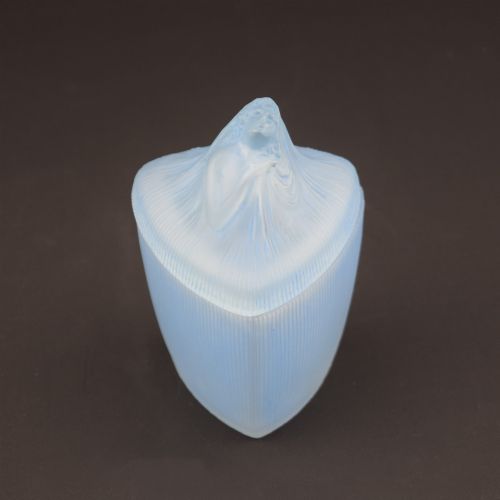
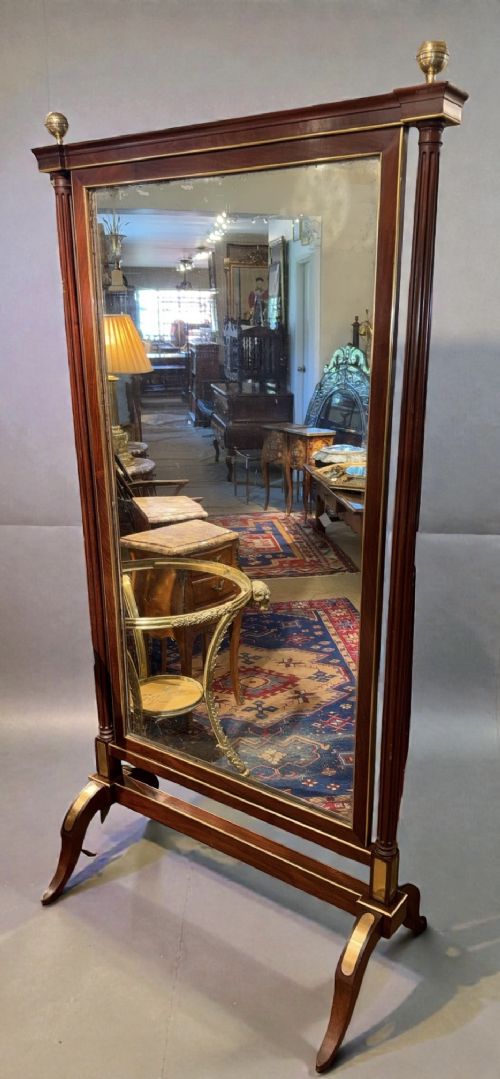
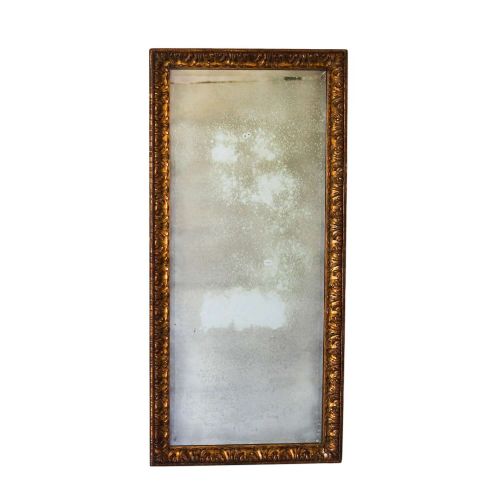
When you search for french dressing glass, you encounter a selection of mirrors, scent bottles, powder boxes, and trinket boxes. The mirrors range from small table variants to large cheval and wall mirrors, while the vanity containers utilise glass, crystal, and porcelain.
The objects span the nineteenth and early twentieth centuries, with periods such as Napoleon III, Louis XVI, and Art Deco represented. Many items incorporate French designs executed in giltwood, mahogany, brass, and silver gilt mounts.
How they were made
Makers utilised carved wood and gesso frameworks finished with gold leaf or silvering to build the mirror structures. Glass components include bevelled plates and mercury glass, alongside moulded crystal and frosted glass for perfume and powder containers.
Metalwork details involve cast brass, gilt bronze, and silver mounts applied to glass, porcelain, and wood bodies. Some pieces incorporate enamel decoration and silver deposit techniques directly onto the glass or porcelain surfaces.
French Dressing Glass Retail Price Guide 2026
Typical asking prices for french dressing glass among the pieces listed under this phrase on Sellingantiques today, from the lower quarter to the upper quarter. They describe what is for sale here now, not the wider market.
A nineteenth century walking stick conceals a functional glass component within its assembly.
What varies in quality
The refinement of the carved ornamentation on the wooden frames and the crispness of the gilt or silver leaf application distinguish the output. Hand-chased mounts and intricate metalwork elevate the physical construction of the boxes and mirror stands.
The clarity and depth of the glass, whether mercury glass, bevelled mirror plates, or moulded crystal scent bottles, determine the refinement of the piece. Artisanal execution in the decorative enamelling and metal mounts dictates the standard of the item.
Jean Gille·Rene Lalique
The French Dressing Glass Glossary
- Mercury glass
- A double-walled blown glass type with a silver liquid solution injected between the layers, creating a reflective mirror effect.
- Cheval mirror
- A freestanding full-length mirror suspended on a vertical swivelling frame, often mounted on four legs or trestle feet.
- Gesso
- A plaster-like mixture applied to wood frames to provide a smooth surface for gilding or painting.
- Silver deposit
- A decorative technique where pure silver is electroplated onto glass or porcelain in distinct patterns.
French Dressing Glass: Frequently Asked Questions
What is a French dressing glass?
A French dressing glass refers to mirrors and vanity items associated with dressing tables and toiletry sets originating from France or following French design styles.
These pieces include cheval mirrors, table mirrors, perfume bottles, and trinket boxes from the nineteenth and early twentieth centuries.
How do I identify mercury glass?
Mercury glass is recognised by its double-walled construction containing a reflective silver coating sealed at the base or pontil mark.
Unlike standard mirrors, it produces a misty, subdued reflection without the use of actual mercury.
Where were these pieces used?
These items were utilised in bedrooms, dressing rooms, and boudoirs for personal grooming and toiletry storage.
Mirrors provided reflections for dressing, while crystal bottles and boxes held perfumes, powders, and trinkets.
How do I clean antique glass and gilt frames?
Antique glass requires gentle cleaning with a dry or barely damp microfiber cloth to preserve the surface.
Giltwood frames should be dusted lightly without water or chemical solvents to protect the delicate gold leaf or gesso.