

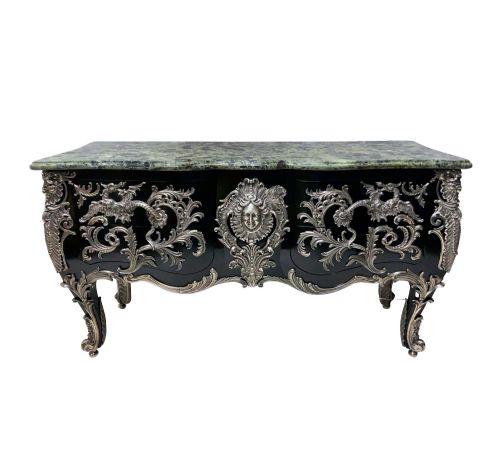
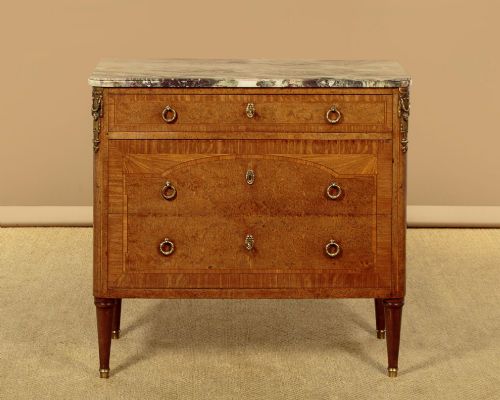
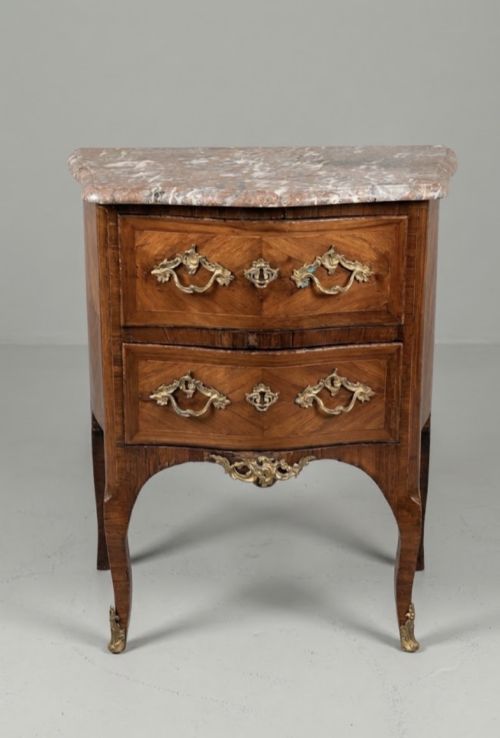
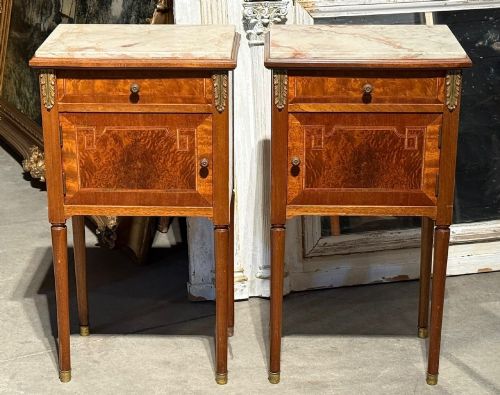
French Drawer Cabinet
A french drawer cabinet brings continental elegance and practical storage together through rich woods, marble tops, and detailed mounts.
French Drawer Cabinet
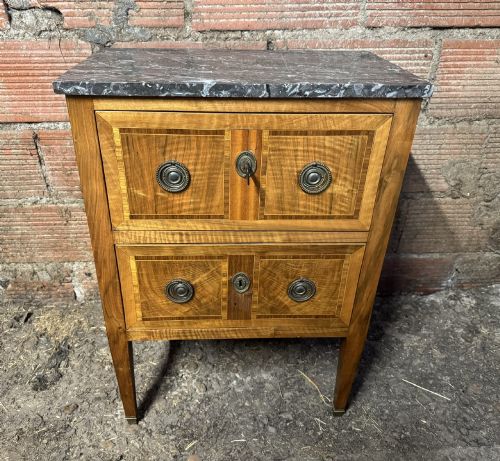
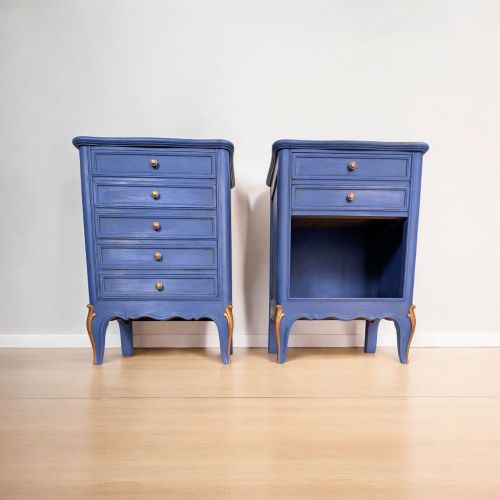
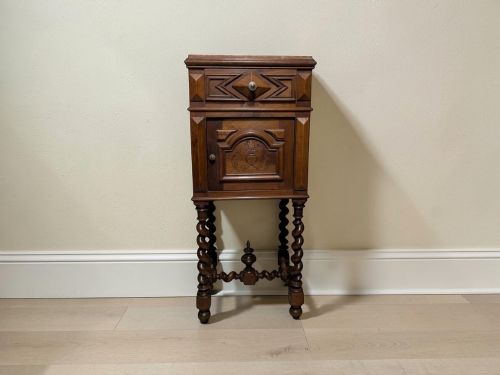
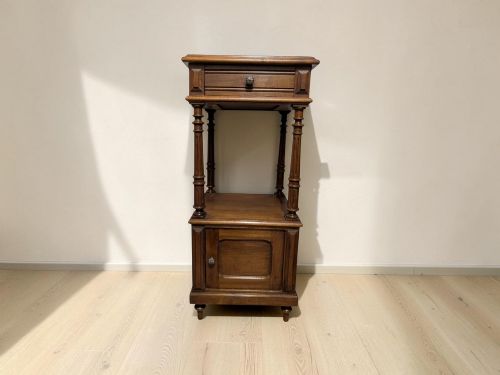
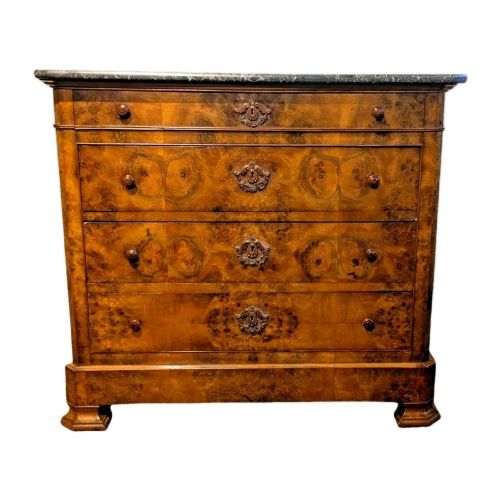
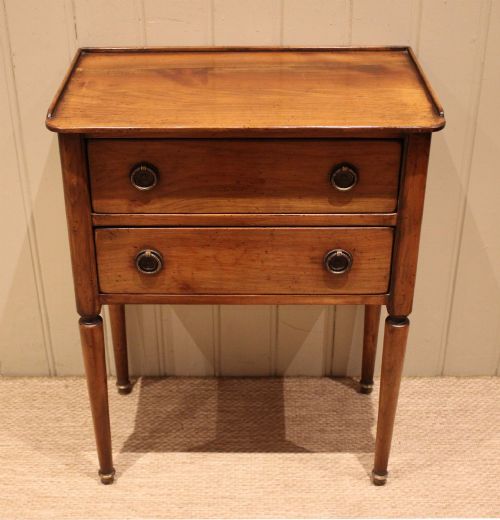
A french drawer cabinet spans compact bedside tables and grand marble-topped commodes, offering versatile storage for various rooms. When searching for this phrase, buyers encounter pieces ranging from eighteenth-century cherrywood chests to nineteen-thirties oak nightstands.
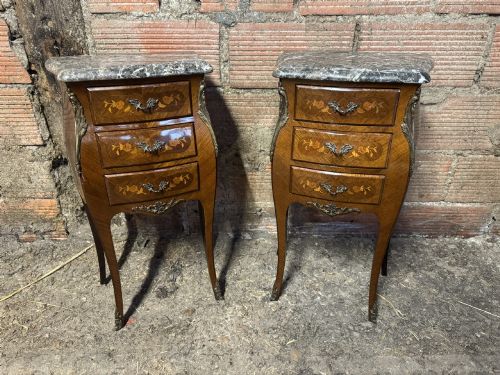
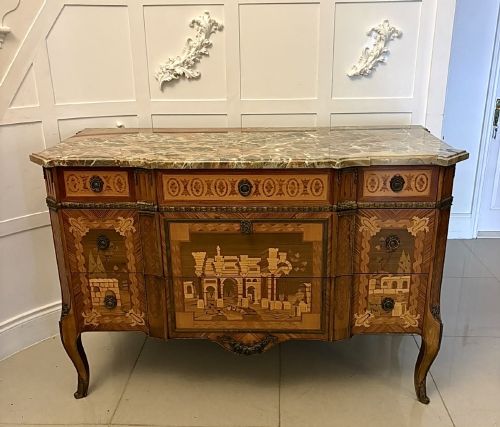
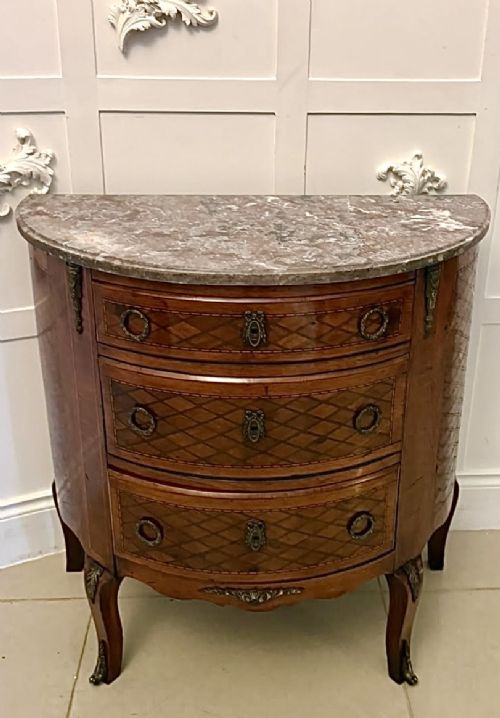
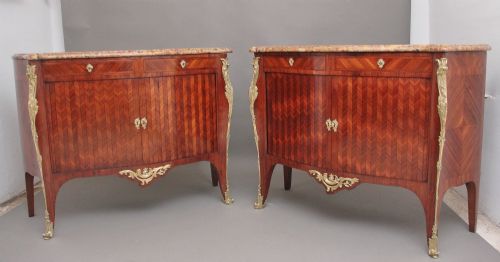
Bedside cabinets and commodes dominate the selections on this page, often appearing in pairs with intricate marquetry or parquetry patterns. These forms reflect classic continental tastes including Louis XV and Louis XVI revivals.
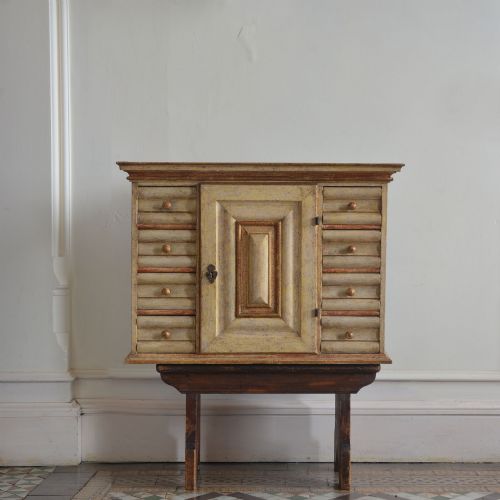
Origins stretch across multiple eras, with nineteenth-century pieces alongside early twentieth-century interpretations in walnut, kingwood, and oak. Each version provides the distinctive drawer configurations and proportions expected from continental cabinet-making traditions.
Materials and construction
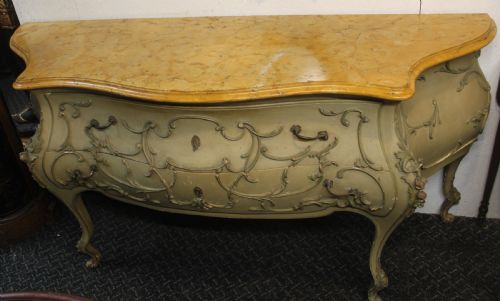
Cabinet makers utilised dense hardwoods like walnut, kingwood, and oak as structural foundations, frequently applying delicate marquetry and parquetry veneers in geometric or floral motifs. Marble tops in white, grey, and rouge provide durable and decorative surfaces above the drawer banks.
Cast ormolu mounts accentuate corners, handles, and apron scrolls, adding metallic contrast to the polished timber surfaces. Dovetail joints secure the drawer construction, while serpentine and bow-front carcases demonstrate advanced timber-bending techniques.
French Drawer Cabinet Retail Price Guide 2026
Typical asking prices for french drawer cabinet among the pieces listed under this phrase on Sellingantiques today, from the lower quarter to the upper quarter. They describe what is for sale here now, not the wider market.
Listings feature woods such as kingwood, walnut, oak, and satinwood alongside decorative marble tops.
Distinctions in quality
The division between standard workshop production and superior output rests upon the precision of the veneer work and the weight of the cast bronze or ormolu mounts. Finer examples display continuous grain matching across drawer fronts and hand-chased metalwork rather than mass-produced pressings.
Subtle details such as the thickness of the marble slab, the tightness of the dovetail joints, and the selection of secondary timbers inside the drawers indicate the level of craftsmanship invested by the maker.
Jacques Bircklé
The French Drawer Cabinet Glossary
- Commode
- A low chest of drawers or cabinet originating in France, typically featuring multiple drawer tiers and often fitted with a marble top.
- Ormolu
- Gilt bronze mounts used as decorative trim and hardware on finer items of furniture.
- Marquetry
- The art of applying pieces of veneer to a structure to form decorative patterns and pictures.
- Parquetry
- Geometric patterns formed by using wooden tiles inlaid into furniture surfaces.
- Chevet
- A small bedside table or cabinet designed to stand next to a bed for nighttime storage.
French Drawer Cabinet: Frequently Asked Questions
What is a french drawer cabinet used for?
These cabinets serve multiple domestic roles, functioning as bedside storage, lamp tables, or statement chests in living spaces.
Their enclosed drawers keep smaller items organised while the surface holds lamps, books, or decorative objects.
How do I identify a louis xv style piece?
Louis XV style pieces are characterised by curved serpentine lines, cabriole legs, and asymmetrical ormolu mounts.
Floral marquetry and flowing organic shapes further distinguish this graceful eighteenth-century revival aesthetic.
Are marble tops original to these cabinets?
Many nineteenth and twentieth-century commodes and bedside cabinets were designed specifically with fitted marble tops to provide a durable, water-resistant surface.
These stone slabs often match the regional style and period of the wooden carcase beneath.
How do I care for marble and wood surfaces?
Clean wooden surfaces with a soft cloth and avoid excessive moisture or direct sunlight that might damage antique polishes.
Marble tops benefit from prompt wiping of spills to prevent staining, using mild soap and water when necessary.