





French Double Sofa
These french double sofa pieces bring seating for two with continental elegance into a room.
French Double Sofa
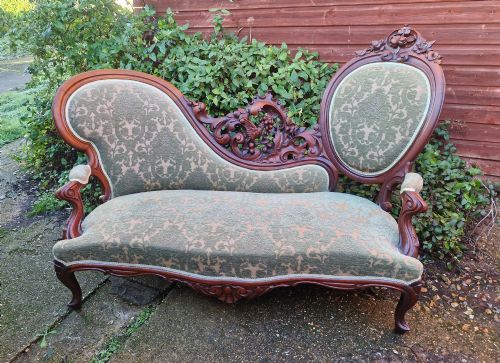
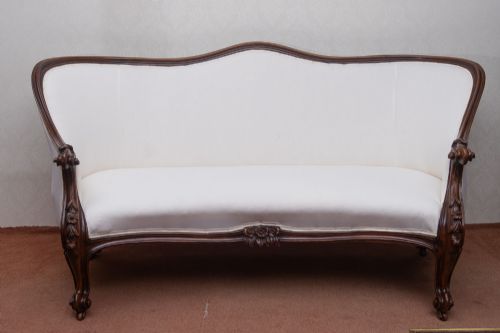
A french double sofa provides seating for two persons in forms such as settees, conversation seats, and window sofas. These pieces appear in styles including Louis XV, Louis XVI Revival, and French Provincial, alongside Victorian interpretations.
The objects on this page span from the mid-nineteenth century into the early twentieth century. Makers and creators of these pieces utilised varied woods and upholstery to suit the drawing rooms and parlours of their era.
Buyers seeking a french double sofa will encounter framed designs in walnut and mahogany, as well as painted finishes. Many incorporate double seating capacity within compact proportions suitable for varied interiors.
How they were made
Carpenters constructed the frames of these double sofas using solid timbers like walnut and mahogany. Artisans shaped these woods through carving, sometimes applying paint or gilt finishes to the exposed framework.
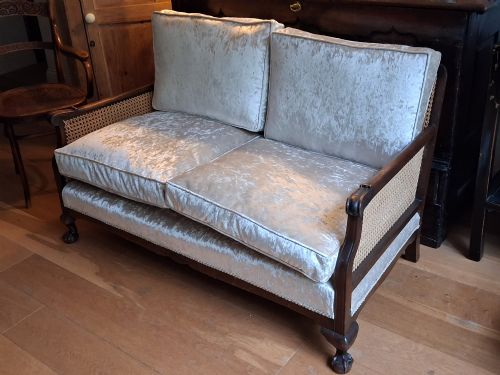
Seating areas frequently relied upon cane work or textile upholstery for comfort. Detail work included the application of brass tacks to secure fabric edges along the wooden frames.
French Double Sofa Retail Price Guide 2026
Typical asking prices for french double sofa among the pieces listed under this phrase on Sellingantiques today, from the lower quarter to the upper quarter. They describe what is for sale here now, not the wider market.
Listings on this site include pieces from the nineteenth and early twentieth centuries, constructed in walnut, mahogany, and painted wood.
What varies in quality
The refinement of the carved wood elements distinguishes finer examples from simpler workshops. Crisp detailing on walnut and mahogany frames demonstrates greater artisan skill.
The condition and execution of the cane work or upholstery affect the overall standard of the piece. Superior textiles and tightly woven cane indicate higher initial manufacture.
The French Double Sofa Glossary
- Bergère
- An enclosed upholstered armchair or sofa with wooden frames, often featuring cane work on the sides or back.
- Caned
- A seating surface or back panel woven from rattan or cane strips. This technique provides a resilient and breathable mesh.
- Gilt
- A thin layer of gold leaf applied to the surface of wood or other materials. It gives an object a lustrous metallic finish.
- Settee
- A small upholstered bench or sofa designed to seat two or more people. It typically includes a backrest and armrests.
French Double Sofa: Frequently Asked Questions
What is a french double sofa?
A french double sofa is a two-seat settee or sofa influenced by continental design aesthetics. These pieces often feature carved wooden frames and upholstered or caned seating surfaces.
Such furniture was traditionally placed in parlours and drawing rooms to provide intimate seating. Today, they function as decorative and practical additions to living spaces.
How do I date a settee?
Dating a settee involves examining the timber species, carving styles, and construction techniques used in the frame. Pieces from the nineteenth and early twentieth centuries reflect the prevailing revivals of Louis styles and Victorian tastes.
Matching the visible materials, such as walnut or mahogany, to known period preferences helps narrow down the decade of manufacture. Documentation and stylistic markers also guide accurate dating.
Where should I place it?
These double sofas suit reception rooms, large hallways, and bedrooms where compact dual seating is desired. Their decorative carved frames and upholstered backs allow them to sit flush against walls or function as freestanding focal points.
Consider the surrounding room proportions to ensure the wooden frame and fabric complement existing furniture. Adequate clearance around the settee preserves its visual impact.
How do I care for cane?
Cane seating requires gentle cleaning with a soft brush to remove dust from the woven mesh. Keeping the material away from direct heat sources prevents the natural fibres from becoming brittle.
Occasional light conditioning with a damp cloth helps maintain the flexibility of the cane. Avoid placing heavy concentrated weight on caned panels to prevent snapping.