



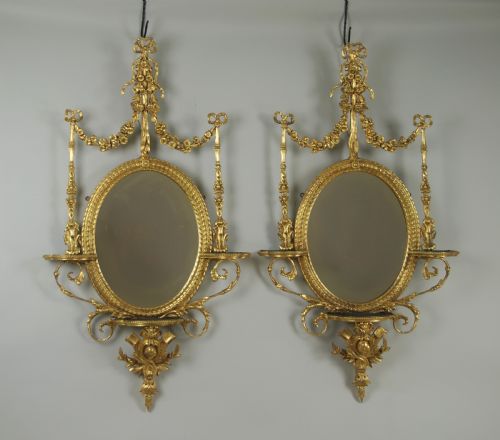

French Display Shelving
French display shelving gathers open bookcases, etageres and bakers racks to show off books and ceramics with distinct continental flair.
French Display Shelving
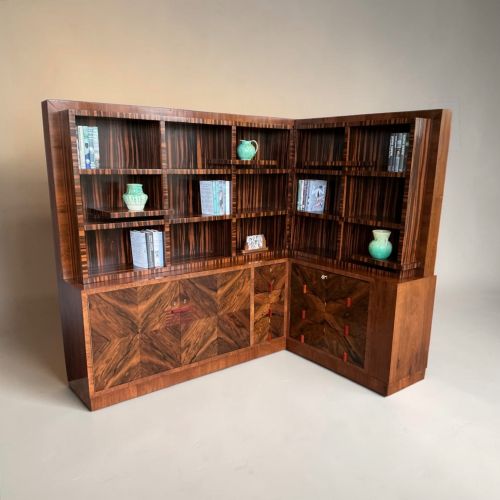
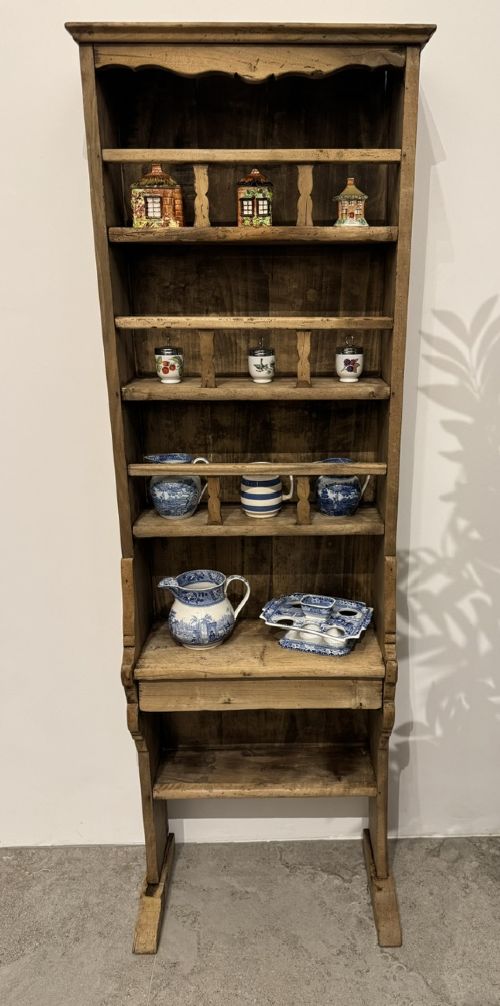
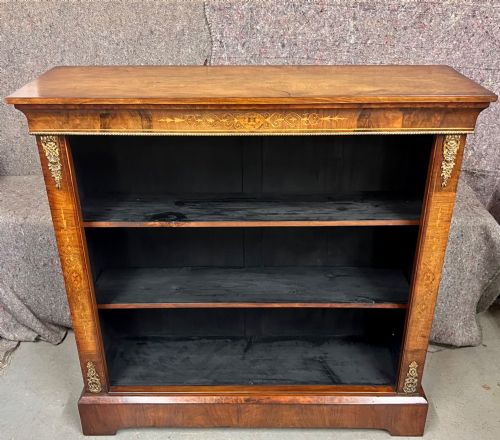
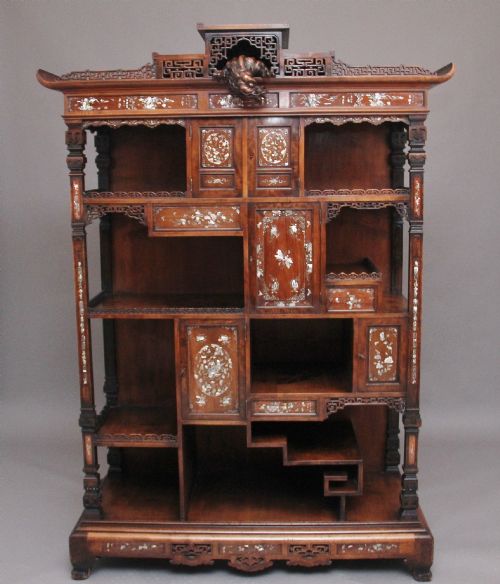
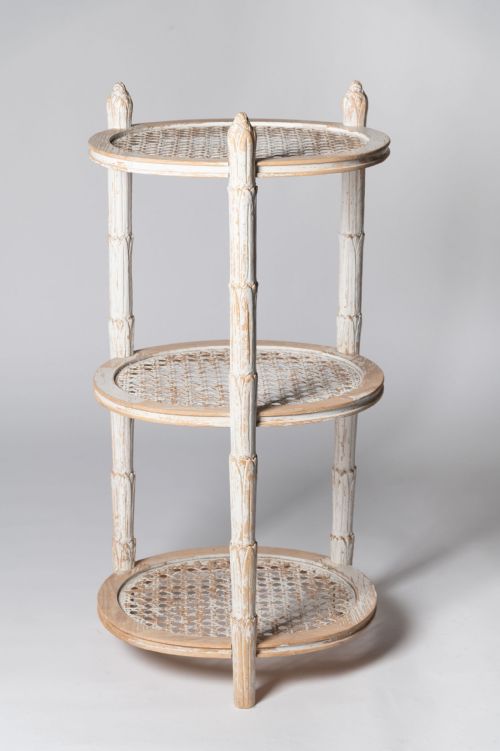
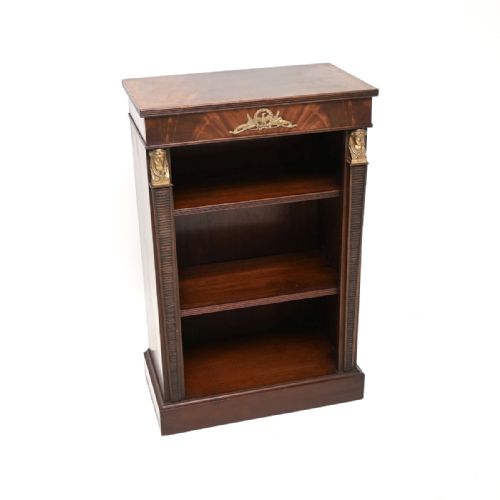
When buyers search for french display shelving, they encounter open bookcases, etageres, wall shelves and industrial bakers racks spanning several centuries. The selection ranges from walnut etageres and mahogany bookcases to wrought iron patisserie and boulangerie racks.
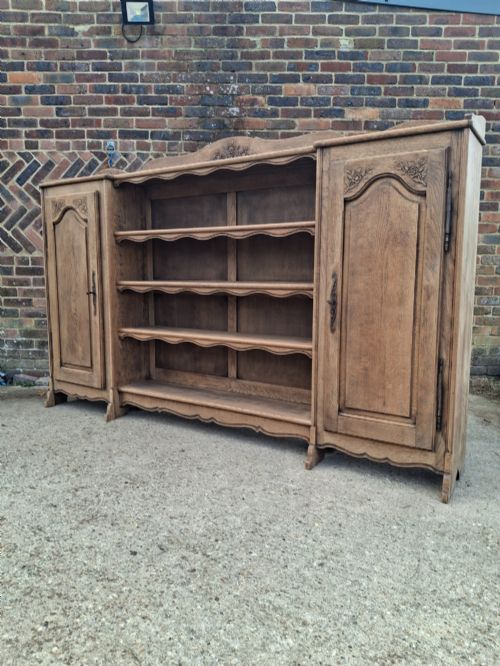
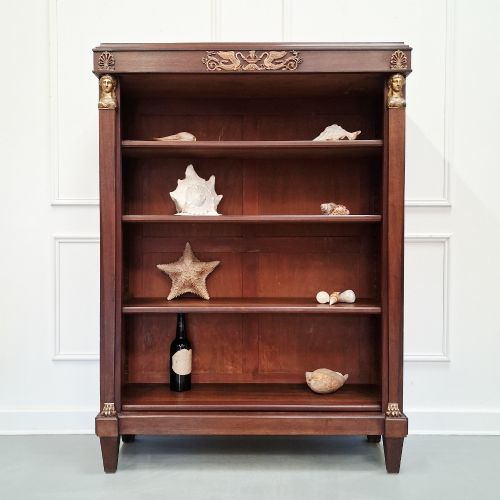
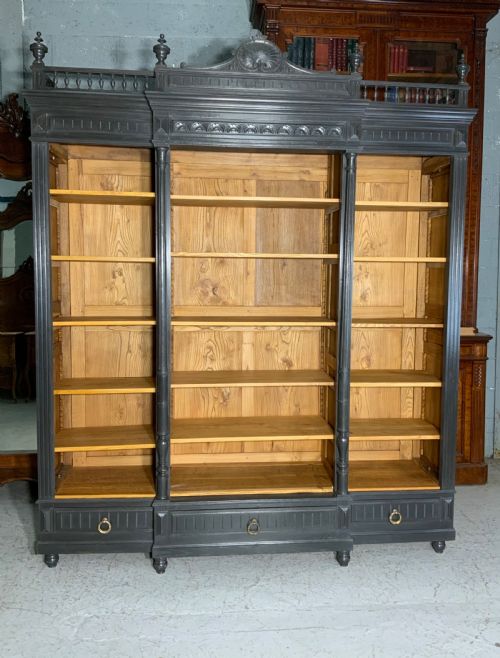
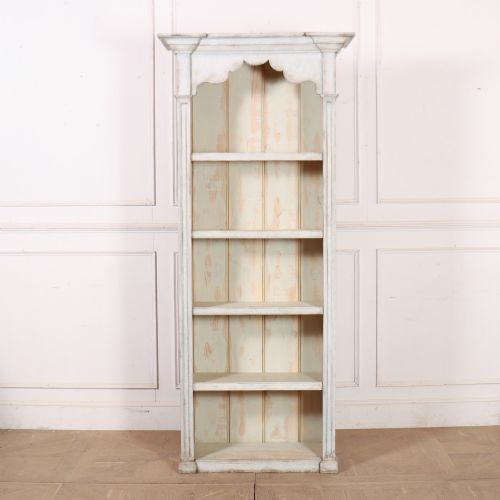
Nineteenth century pieces dominate the listings, frequently displaying stylistic influences such as Neoclassical Empire, Rococo Revival and French Provincial. Tall oak open bookcases and carved solid wood library pieces represent larger formats, while smaller wall brackets and waterfall shelves offer compact options.
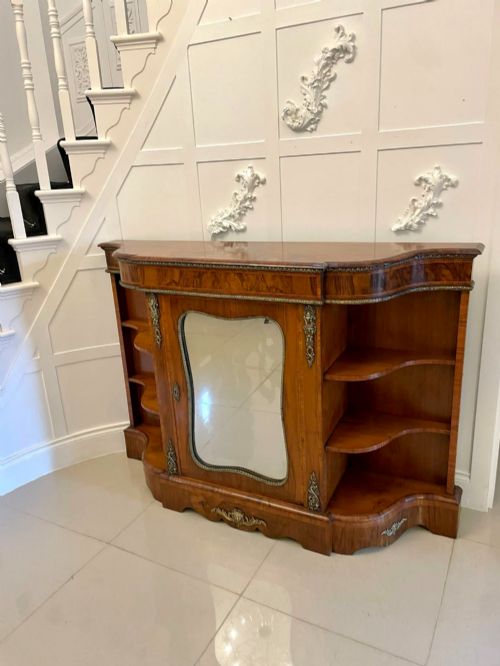
The furniture types bridge domestic display and commercial utility, moving from refined salon etageres mounted in ormolu to robust iron racks originating in French bakeries. Walnut, mahogany and painted softwood form the primary structural woods found across the inventory.
Materials and construction methods
Cabinet makers utilised dense hardwoods like walnut, mahogany, satinwood and oak, often applying parquetry inlay, ebonisation or painted finishes to the exterior surfaces. Structural integrity in fine etageres and bookcases relies on traditional joinery paired with turned legs and carved mouldings.
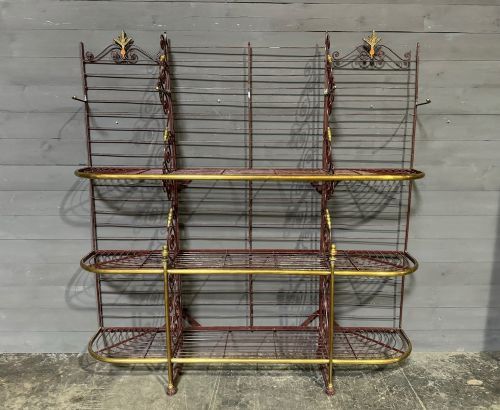
Industrial items utilise heavy wrought iron and cast elements, paired with patinated timber boards to create durable bakery and patisserie racks. Decorative metal ornamentation involves cast ormolu and brass mounts, giving specific pieces distinct polish and contrast against dark wood grains.
French Display Shelving Retail Price Guide 2026
Typical asking prices for french display shelving among the pieces listed under this phrase on Sellingantiques today, from the lower quarter to the upper quarter. They describe what is for sale here now, not the wider market.
Heavy iron patisserie racks once cooled morning bread before finding new life holding heavy art books.
Determinants of quality
Superior examples separate themselves through the crispness of hand-carved detailing, the precision of parquetry inlay and the quality of the timber grain selected for the primary facades. Finer cabinets integrate heavy, finely chased ormolu mounts rather than simpler cast brass applications.
Construction depth dictates value, visible in the weight of the solid timber utilised for shelving boards and the structural stability of towering bakers racks. Original patination, whether in the soft ageing of painted surfaces or the deep warmth of polished walnut, defines the preservation state.
Dubois of Lyon
The French Display Shelving Glossary
- Ormolu
- Gilded bronze mounts applied to the surface of fine furniture as decoration. This technique gained prominence during the eighteenth and nineteenth centuries.
- Bakers Rack
- A tall utilitarian metal and wood shelving unit originating from French bakeries. Wrought iron frames and slatted wooden shelves form the core construction.
- Parquetry
- Geometric wood mosaic work used for surface decoration on tabletops and cabinet doors. Different coloured wood veneers are cut and fitted together precisely.
- Credenza
- A low cabinet or sideboard often fitted with doors and used for storage and display. Nineteenth century interpretations frequently incorporate brass mounts and marble tops.
French Display Shelving: Frequently Asked Questions
How do bakers racks function at home?
Bakers racks offer deep, open shelving supported by heavy wrought iron frames originally designed for commercial French kitchens. Their robust build handles heavy loads easily.
In domestic spaces, they serve as kitchen larders, plant stands or bookcases, bringing industrial utility into living areas.
Where do wall shelves fit best?
Wall shelves and brackets mount directly to vertical surfaces to utilise unused room height without taking up floor space. They range from simple carved giltwood to multi-tiered wooden setups.
Placed above sideboards or desks, they display small ceramics, books or mirrors securely.
How do I identify a nineteenth century piece?
Nineteenth century pieces often display specific revival styles like Neoclassical Empire or Rococo Revival, alongside materials such as ormolu mounts and burr walnut veneer. Construction methods rely on hand-cut joinery and solid timber carcases.
Examining the backboards, fixings and interior secondary woods helps confirm the manufacturing period and regional origin.