

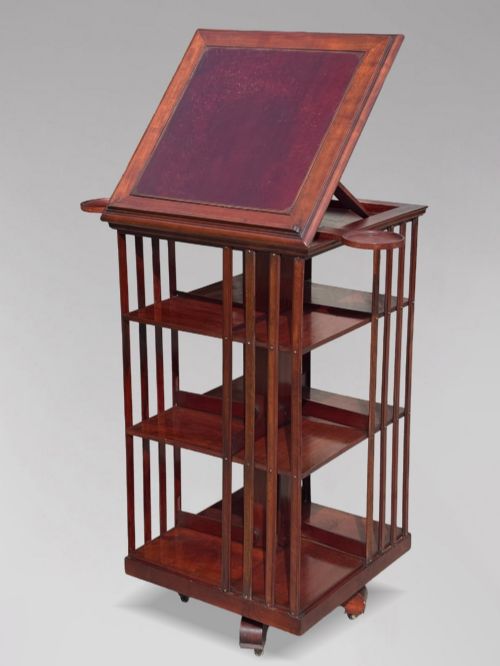
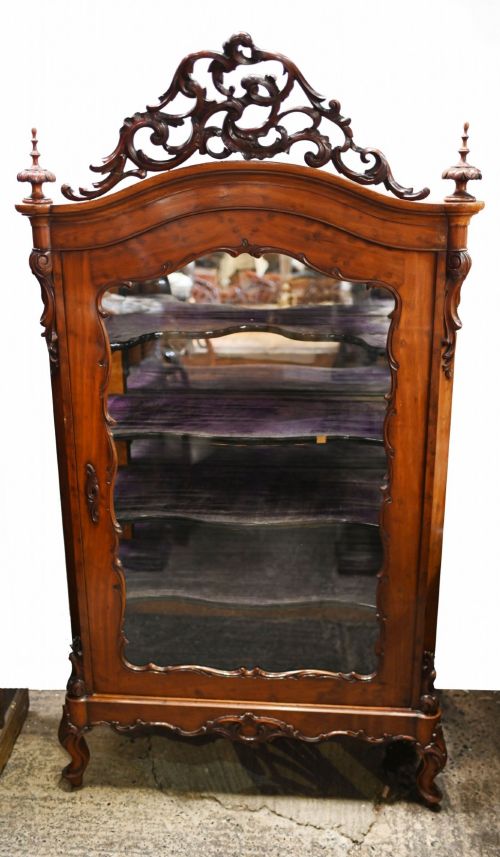

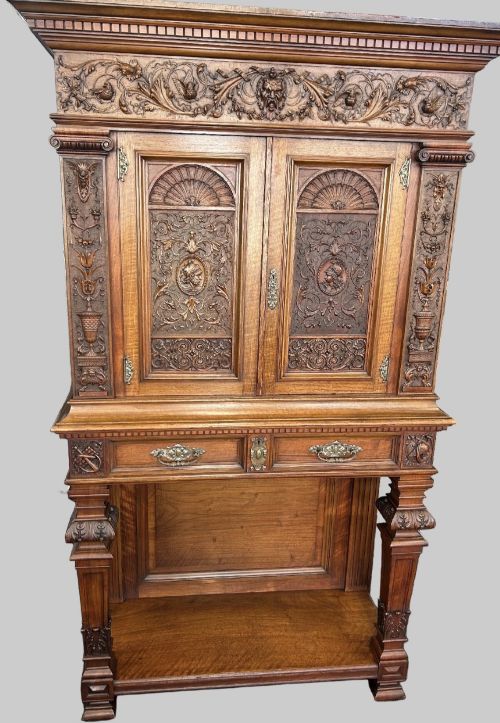
French Display Furniture
French display furniture combines fine timber and glass to show off treasured objects.
French Display Furniture
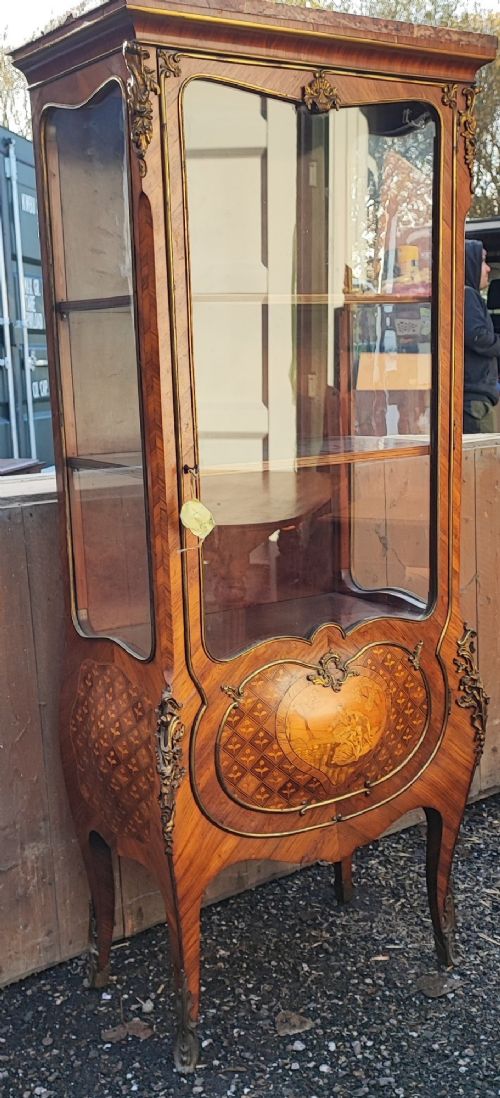
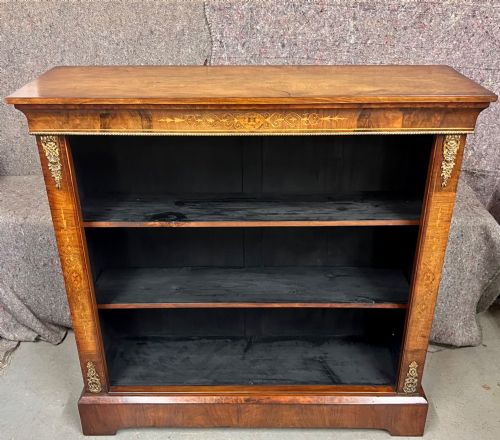
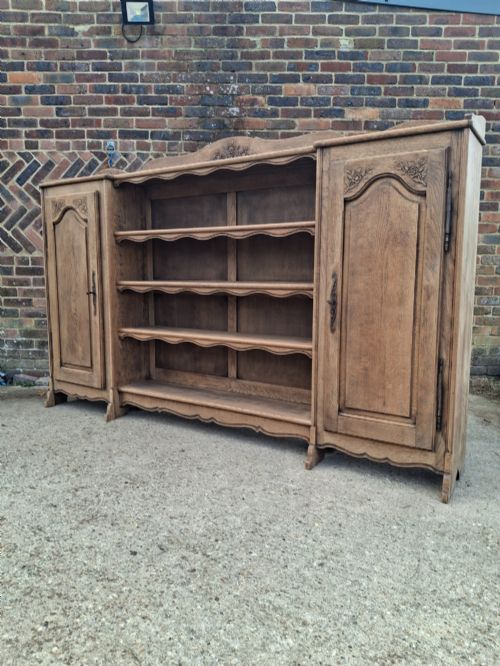
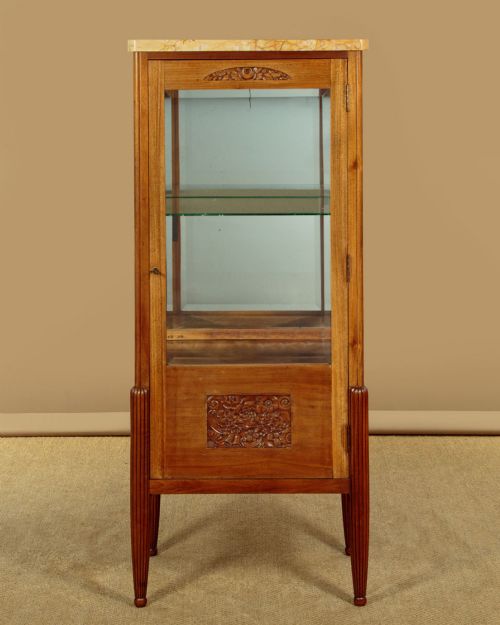
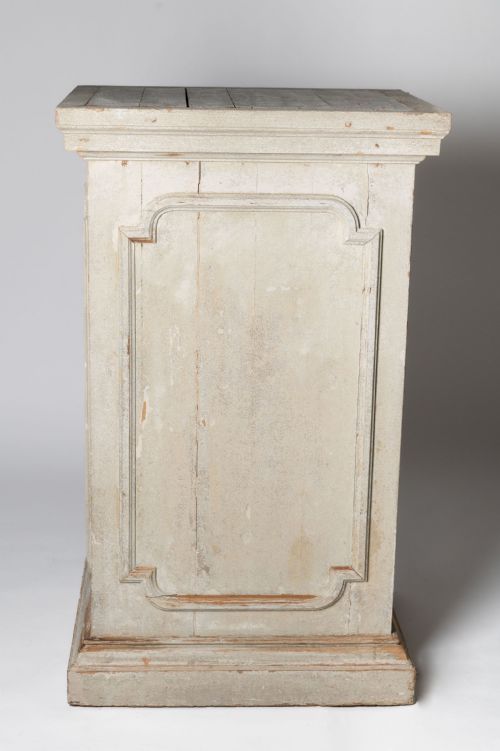
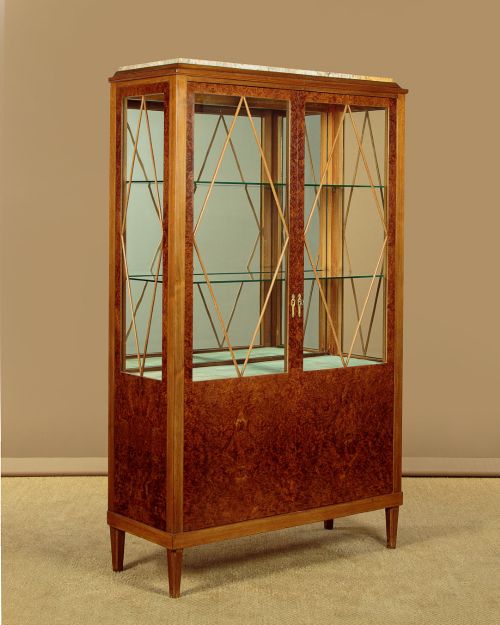
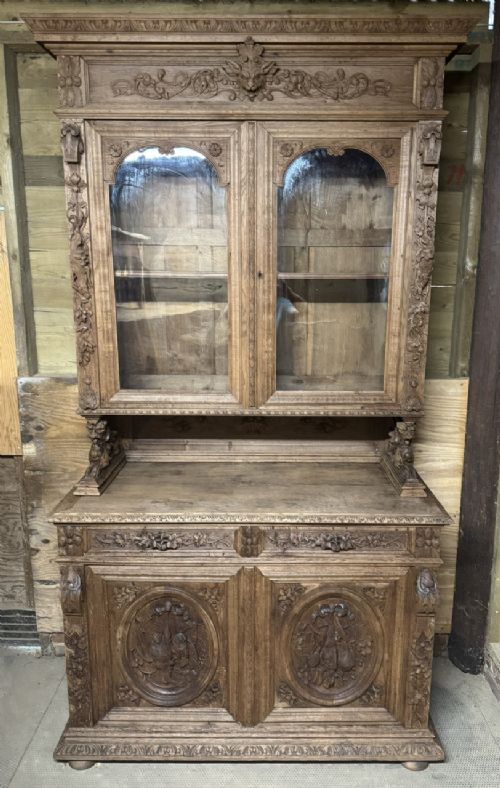
French display furniture encompasses vitrines, cabinets, etageres, and bookcases designed to exhibit porcelain, books, and curiosities. These pieces emerge primarily from the nineteenth century, drawing on historical revivals like Louis XV and Louis XVI.
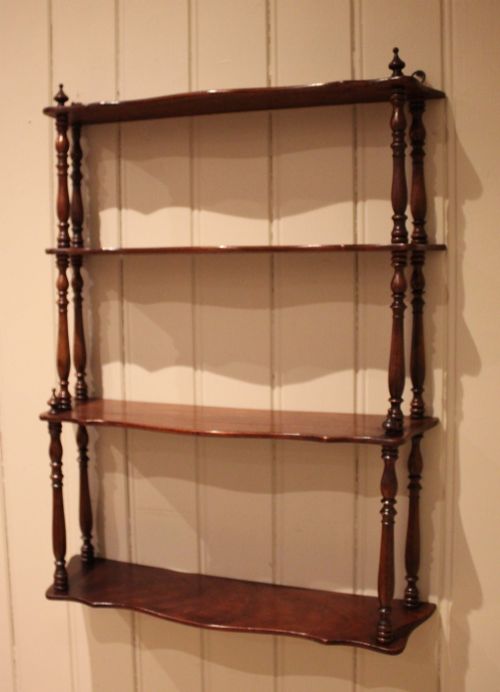
Buyers meet glazed cabinets with marble tops and ormolu mounts alongside open tier structures such as etageres and wall shelves. Mahogany, walnut, and kingwood form the structural foundation of these decorative items.
Makers and workshops across France and Britain adapt traditional aesthetics, producing items that range from elaborate marquetry vitrines to practical revolving bookcases and baker's racks.
How they were made
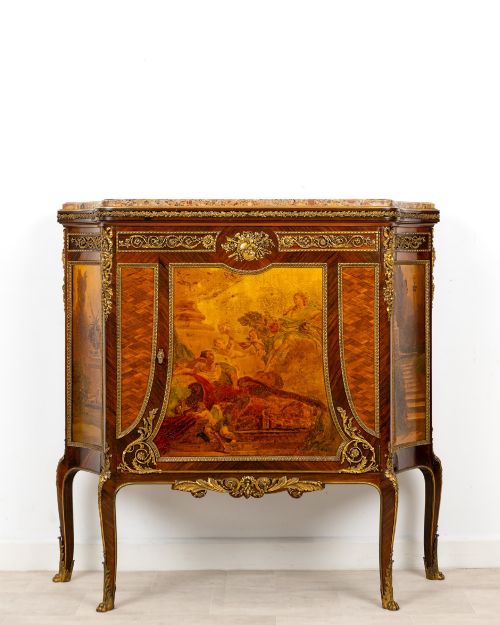
Craftsmen construct carcases from hardwoods like mahogany, walnut, kingwood, and amboyna, frequently applying intricate marquetry and parquetry patterns across the surfaces. Vernis Martin lacquer finishes add lustrous painted panels depicting pastoral or exotic scenes.
Gilt bronze and ormolu mounts frame doors and corners, while cast brass hardware secures glazed panels and interior shelves. Marble tops provide durable, polished surfaces on many cabinets and vitrines.
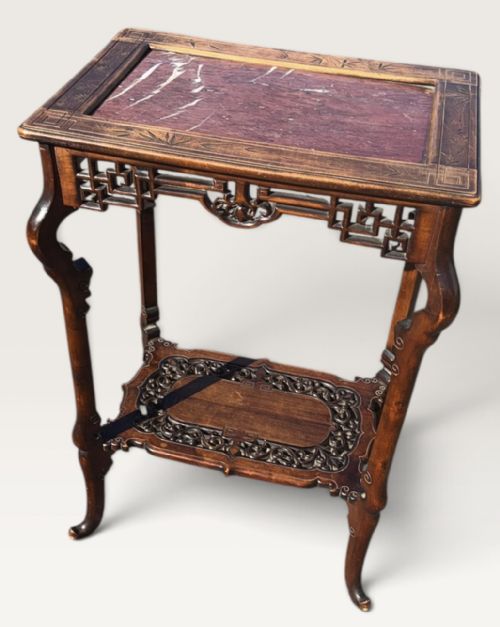
Joinery techniques include precise dovetailing for drawers and curved serpentine framing for bombé cabinets. Turning and carving shape the legs and uprights of etageres and side tables.
French Display Furniture Retail Price Guide 2026
Typical asking prices for french display furniture among the pieces listed under this phrase on Sellingantiques today, from the lower quarter to the upper quarter. They describe what is for sale here now, not the wider market.
Listings feature woods including mahogany, walnut, kingwood, amboyna, and satinwood alongside marble and gilt bronze.
What varies in quality
The refinement of the ormolu mounts and bronze castings separates standard production from exceptional pieces. Crisp chasing and heavy fire-gilding indicate superior workshop output.
Marquetry execution determines overall merit, where varied wood selections and precise cutting create depth in floral or geometric designs. Superior cabinet work shows in the flush alignment of curved doors and sound structural integrity.
François Linke·Gabriel Viardot·Gillows·Edwards & Roberts·Maison Giroux
The French Display Furniture Glossary
- Vitrine
- A glass-fronted cabinet designed for displaying porcelain and small objects. These pieces often feature mirrored backs to reflect light through the stored items.
- Etagere
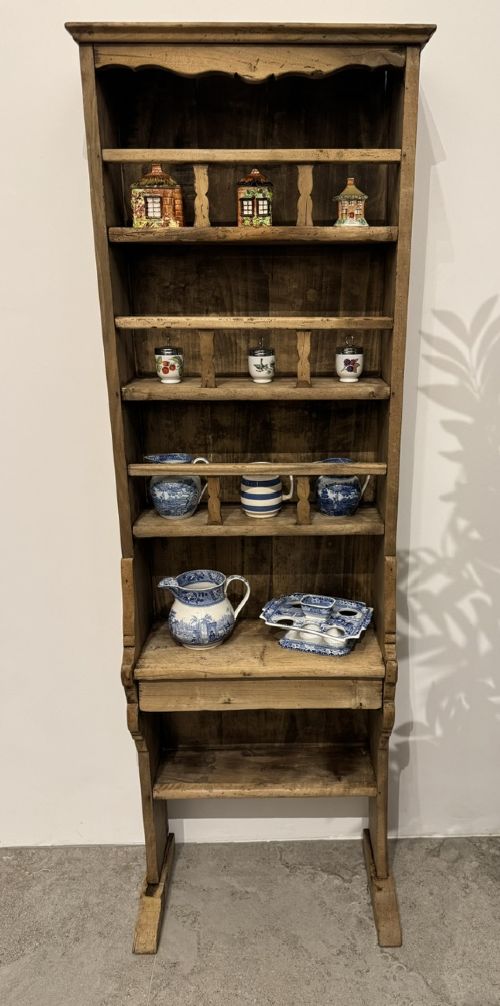
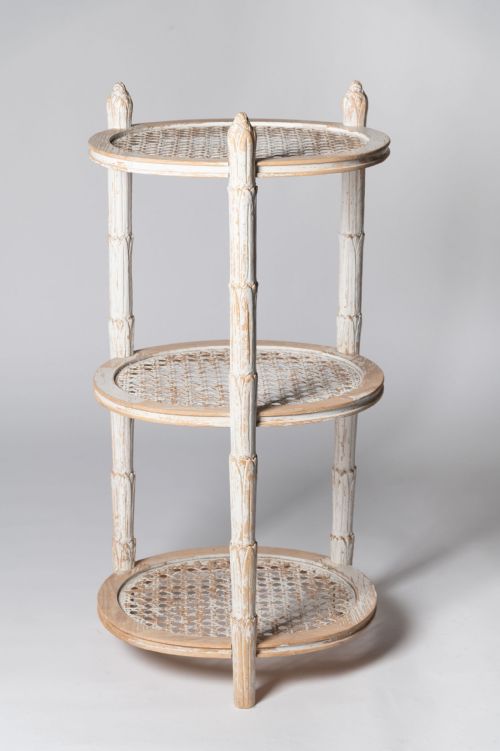
- An open piece of furniture with multiple tiers for holding ornaments or books. They appear in freestanding formats or as corner units.
- Ormolu
- Gilded bronze mounts applied to furniture edges and feet for decoration. The technique involves treating bronze with an amalgam of gold.
- Vernis Martin
- A simulated Japanese varnish technique developed in France during the eighteenth century. It creates translucent, glossy painted panels.
- Marquetry
- Inlaid wood veneers arranged to form decorative pictures or geometric patterns. Craftsmen select contrasting timbers to achieve tonal variation.
French Display Furniture: Frequently Asked Questions
What is an etagere used for?
An etagere serves to hold small decorative items, books, and porcelain on its open shelves. It functions well in reception rooms and parlours where visible storage is preferred over enclosed cupboards.
These pieces range from multi-tiered corner units to small occasional tables with varied shelf heights. They place emphasis on lightness and display rather than heavy storage.
Where were these pieces made?
These items originate primarily from Parisian workshops and regional French centres, alongside British cabinet makers working in the French taste. Makers utilise traditional joinery methods and imported exotic timbers.
Stylistic influences span from nineteenth-century revivals to Art Deco designs, reflecting shifting tastes in domestic interior decoration.
How should I care for a marble top?
Marble surfaces require regular dusting with a soft cloth and prompt wiping of liquid spills to prevent staining. Avoid acidic cleaners that etch the polished stone surface.
Applying a neutral wax paste protects the finish and maintains the natural sheen of the marble.