

French Dining Light
These french dining light selections gather sturdy oak farmhouse tables and grand crystal chandeliers designed to anchor a room with warmth.
French Dining Light
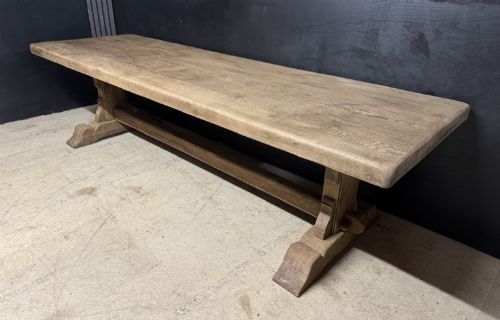
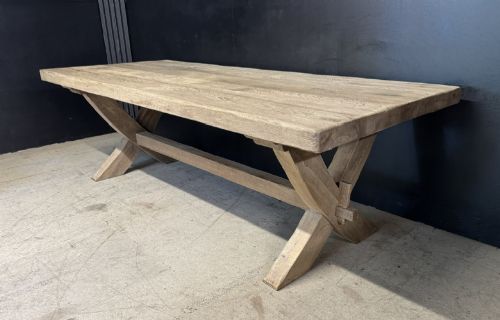
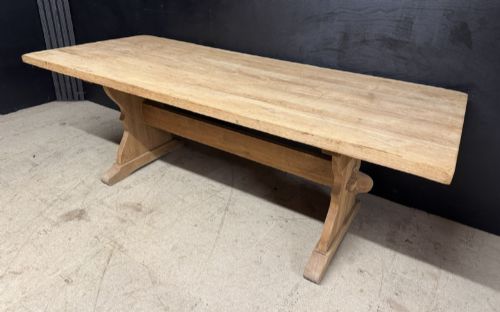
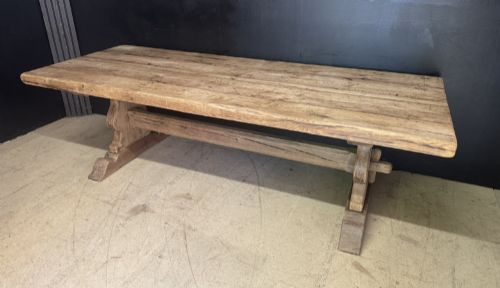
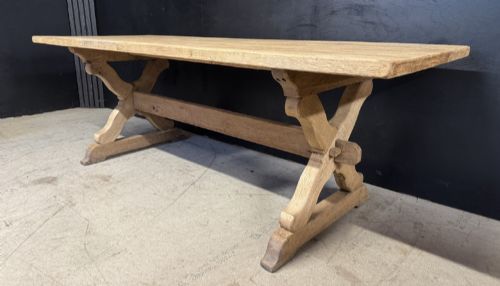
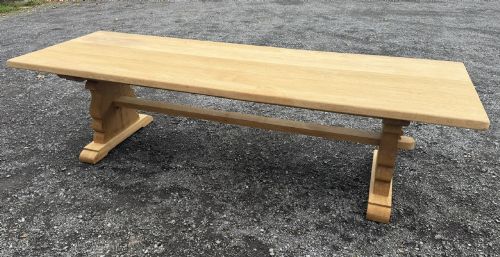
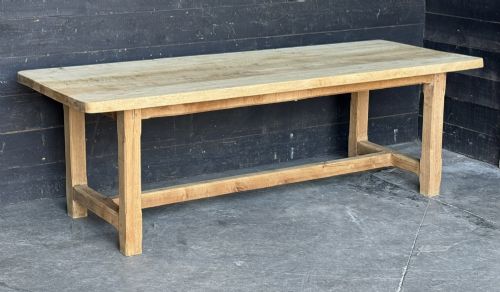
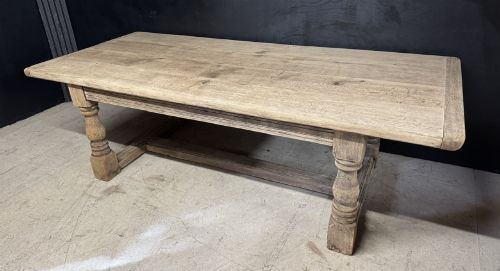
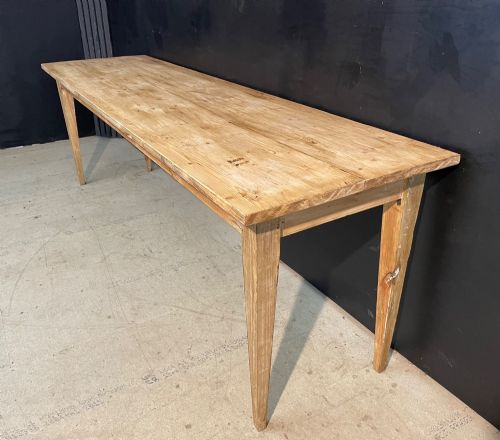
A french dining light setup typically revolves around substantial oak dining tables paired with overhead illumination from crystal chandeliers or side lighting from candelabra.
The selections span nineteenth-century pieces alongside nineteen-twenties rustic farmhouse forms, centring on heavy timber dining surfaces and iron or glass fixtures.
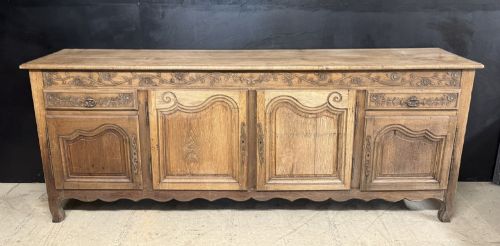
Buyers will encounter refectory tables, hunting tables, and enfilades alongside cut crystal tent chandeliers and figural candelabra originating from French provincial and country traditions.
How they were made
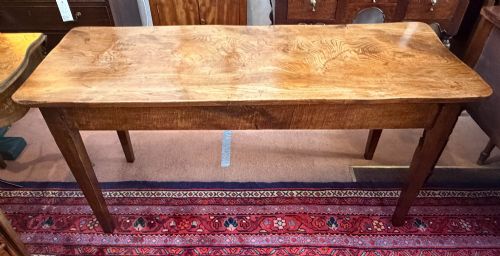
Carpenters constructed the tables primarily from solid oak, ash, elm, and pine, often utilising heavy stretchers and draw-leaf mechanisms for daily utility.
Lighting fixtures combined cast brass or silver-plated metal with cut crystal drops, occasionally incorporating coloured glass fruits for visual weight.
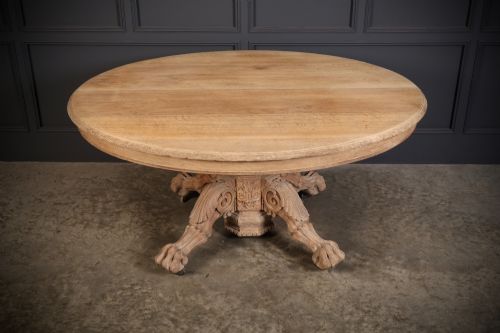
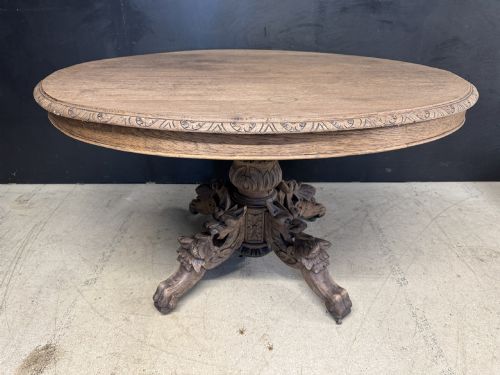
Many wooden surfaces received a bleached treatment to lighten the heavy grain, while nineteenth-century items display hand-carved detailing along aprons and legs.
French Dining Light Retail Price Guide 2026
Typical asking prices for french dining light among the pieces listed under this phrase on Sellingantiques today, from the lower quarter to the upper quarter. They describe what is for sale here now, not the wider market.
Several crystal chandeliers feature hanging coloured fruits, proving that French dining illumination occasionally fancied a playful harvest.
What varies in quality
The grade of timber dictates the distinction between standard farmhouse boards and superior nineteenth-century hunting or refectory tables with deep patination and tight grain.
Lighting quality rests on the clarity of the cut crystal drops and the integrity of the brass or silver-plated frames holding multi-arm configurations.
Structural heft and original joining methods separate utilitarian workshop items from refined Louis Revival pieces possessing balanced proportions and careful carving.
The French Dining Light Glossary
- Refectory table
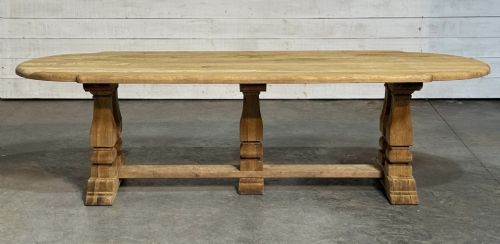
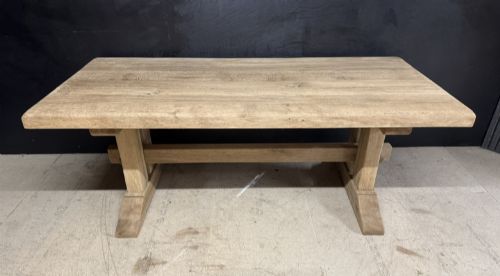
- A long narrow dining table traditionally used in monasteries and large halls, built with substantial wooden stretchers near the floor for stability.
- Enfilade
- A long sideboard or cabinet featuring a series of doors in a line, commonly utilised in French dining rooms for storage and serving.
- Tent chandelier
- A lighting fixture featuring an upper crown from which strings of cut crystal beads drape outward in a tent shape above the candle arms.
- Bleached oak
- Timber treated to lighten its natural dark tone, exposing the grain while maintaining the structural durability of hard oak.
- Candelabra
- A branched candlestick holder designed to support multiple candles or, in later adaptations, wired electric bulbs for overhead or tabletop illumination.
French Dining Light: Frequently Asked Questions
How do I choose the right table length?
Consider the available floor space in your dining room, keeping in mind that nineteenth-century and nineteen-twenties refectory tables often measure multiple metres.
Ensure you leave adequate clearance around the perimeter for chairs or benches to be pulled out comfortably.
Are these crystal chandeliers wired for modern homes?
Many antique lighting pieces arrive with varying electrical adaptations depending on their age and previous placement.
Consult a qualified electrician to inspect the wiring and ensure compatibility with current household standards before hanging.
How do I care for bleached oak dining tables?
Wipe surfaces down with a slightly damp cloth and avoid harsh chemical cleaners that can strip the natural protective finish.
Use coasters and placemats to protect the wood from heat and moisture during daily dining use.
What is the difference between farmhouse and hunting tables?
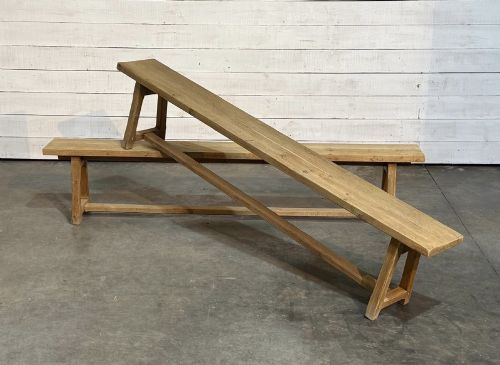
Farmhouse tables generally emphasise simple plank construction and utilitarian stretchers intended for robust family use.
Hunting tables typically display more elaborate carved woodwork along the aprons and legs, reflecting a formal nineteenth-century country aesthetic.