







French Decorative Statues
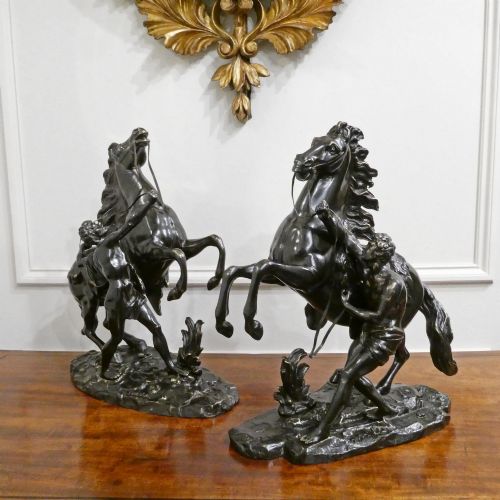
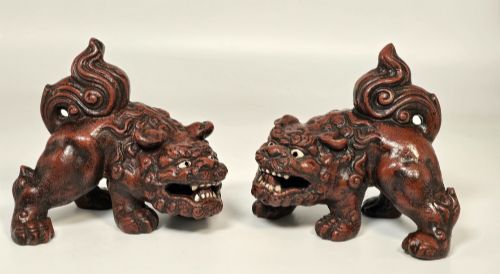
French decorative statues bring the expressive weight of bronze, terracotta and porcelain into a room, capturing figures from mythology, nature and daily life.
French Decorative Statues
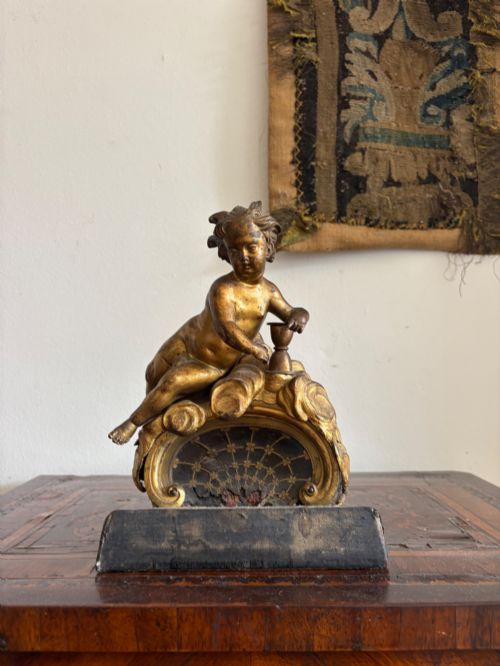
French decorative statues encompass a broad selection of sculptural works, ranging from classical cherubs and mythological figures to animal studies and human subjects. When searching for french decorative statues, buyers encounter diverse expressions created across multiple stylistic movements, including Rococo Revival, Art Nouveau and Art Deco. These pieces take the form of standalone sculptures, cabinet figures, bookends and architectural ornaments.
The materials utilised in these works vary widely, reflecting the shifting tastes of the nineteenth and twentieth centuries. Bronze remains a prominent medium, alongside lighter alternatives such as spelter and earthenware, while marble often provides a stable base for metal figures. Production methods range from finely cast foundry bronzes to moulded porcelain and terracotta busts.
How they were made
Foundry casting forms the foundation of many metal works, utilising both bronze and spelter to capture intricate surface details. Artisans then applied patination, silvering or gilding to finish the metal surfaces, highlighting the contours of drapery, hair and musculature.
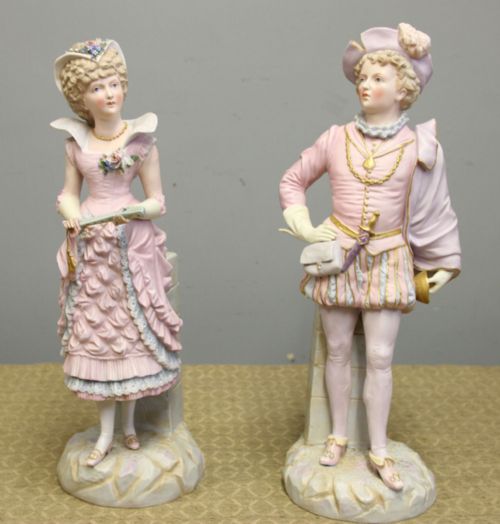
Ceramic and earthenware pieces relied on traditional moulding, painting and glazing techniques, often producing finished figures with hand-painted details or bisque surfaces. Marble bases were carved separately to support metal sculptures, providing both weight and structural contrast to the composition.
French Decorative Statues Retail Price Guide 2026
Typical asking prices for french decorative statues among the pieces listed under this phrase on Sellingantiques today, from the lower quarter to the upper quarter. They describe what is for sale here now, not the wider market.
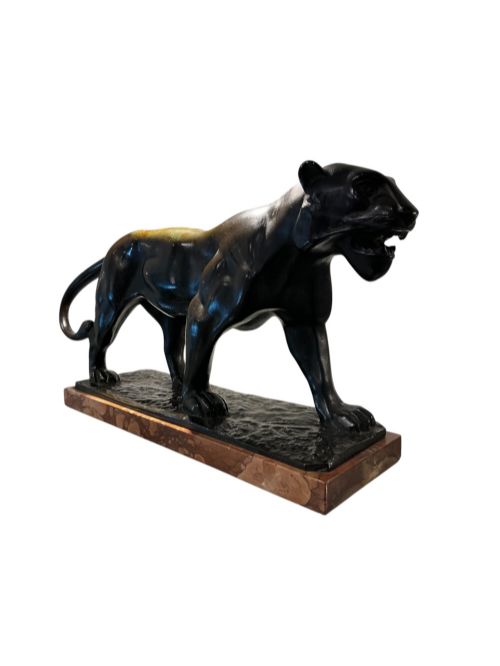
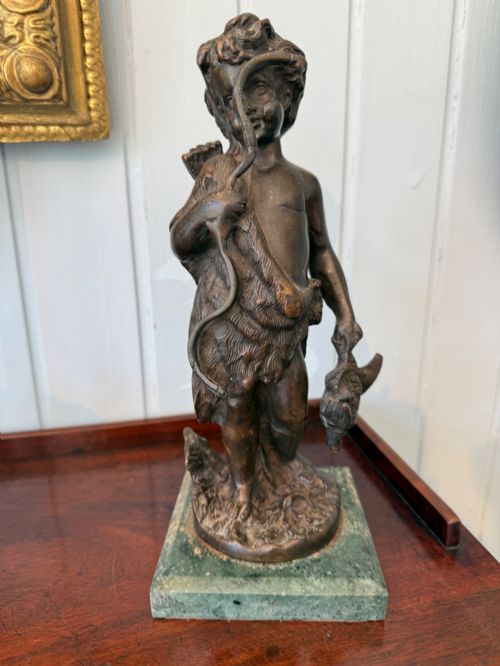
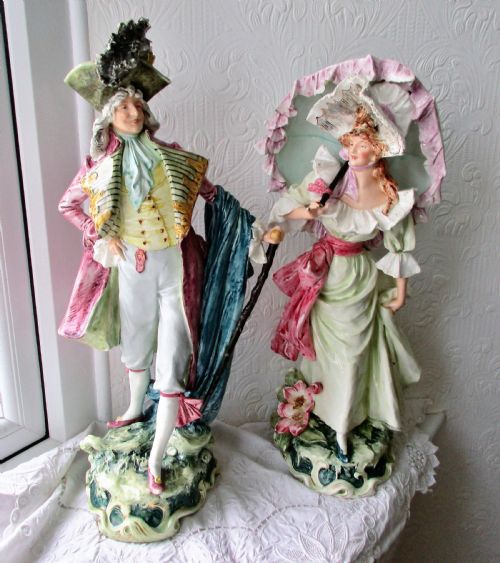
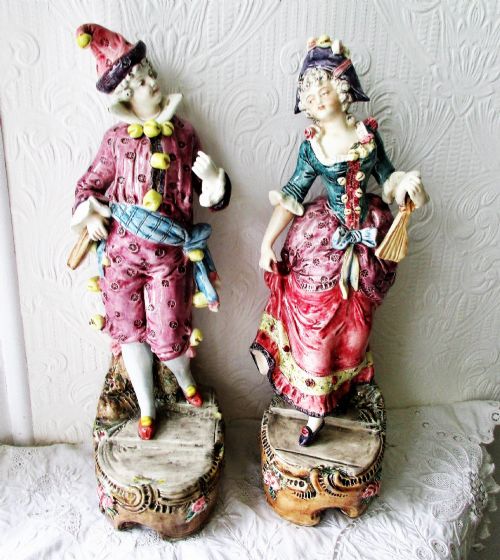
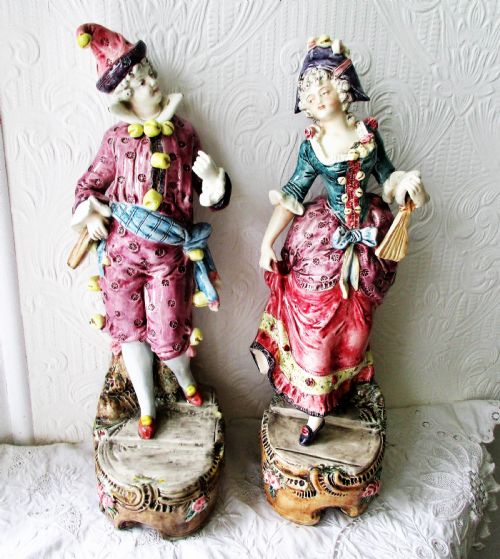
Seashells and porcelain folk characters sit comfortably beside bronze panthers and mythological putti on the shelves.
What varies in quality
Material selection and finishing also dictate the standing of a piece. Original patination, careful hand-painting on porcelain and the quality of the supporting marble base distinguish artisan foundry output from mass-produced decorative items.
Maurice Giraud-Rivière·Antoine Louis Barye·Henri Godet·Demetre Chiparus·Emile Picault·Alexandre Kelety·Marius Ernest Sabino·Isidore Jules Bonheur·Ugo Cipriani·Albert Carrier Belleuse
The French Decorative Statues Glossary
- Spelter
- A zinc alloy commonly utilised as an economical alternative to bronze for sculptural figures during the nineteenth and early twentieth centuries. It accepts patination well to simulate heavier metals.
- Animalier
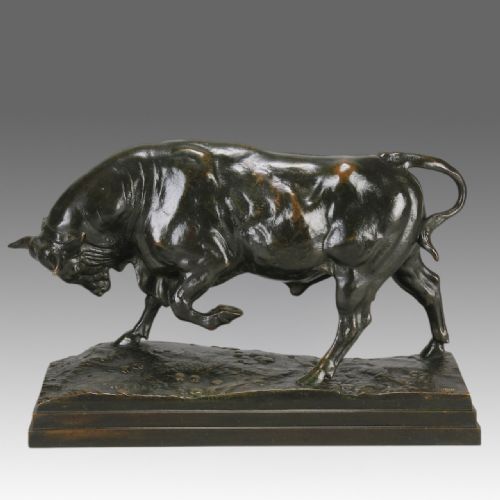
- A nineteenth-century artistic genre focusing on the realistic depiction of animals, particularly predators and livestock. Practitioners studied anatomy closely to capture creatures in motion or repose.
- Bisque
- Unglazed white porcelain that results in a matte, marble-like surface texture. It gained popularity for portrait busts and detailed figural groups.
- Patina
- The surface coloration and sheen acquired by metal over time or applied intentionally through chemical treatments. It protects the material and accentuates sculptural depth.
- Ormolu
- Finely ground high-carat gold applied to a bronze base using a mercury amalgamation process. This technique produces a rich golden finish found on decorative mounts and ornaments.
French Decorative Statues: Frequently Asked Questions
What materials are French statues made from?
Sculptures from France utilise a diverse range of materials depending on the period of creation. Bronze, gilt bronze and spelter form the basis of many metal figures, while porcelain, earthenware and terracotta appear frequently in figural works.
Marble often serves as a heavy foundational base for metal sculptures, adding stability and visual contrast to the composition.
How do I identify Art Deco statues?
Art Deco pieces typically feature streamlined forms, geometric bases and subjects reflecting modern speed, dance or stylized animals. Materials such as silvered bronze, patinated metal and carved glass are common.
Signatures from known sculptors of the era frequently appear on the marble plinths supporting these figures.
Where were these statues displayed originally?
Domestic interiors of the nineteenth and twentieth centuries incorporated these decorative figures on mantelpieces, display pedestals, and library desks. Bookends supported volumes on shelves, while smaller lamp bases combined illumination with sculptural form.
Public salons and private studies utilised bronze groups and marble busts as focal points within room schemes.
What is the difference between bronze and spelter?
Bronze is a durable copper alloy capable of holding exceptionally sharp casting details and accepting rich chemical patinas. Spelter is a softer zinc-based metal that was used to produce more accessible decorative figures.
Spelter figures are lighter in weight and generally exhibit softer surface transitions than foundry-cast bronzes.