
French Cut Crystal Glasses
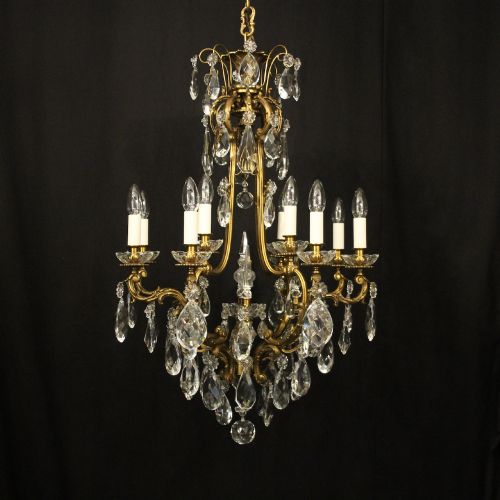
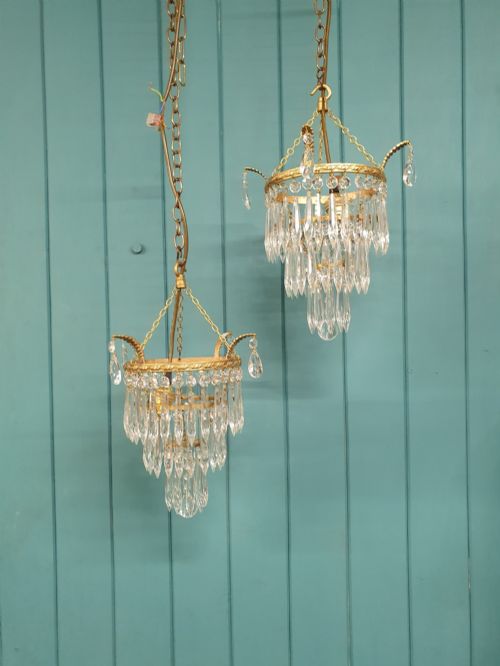
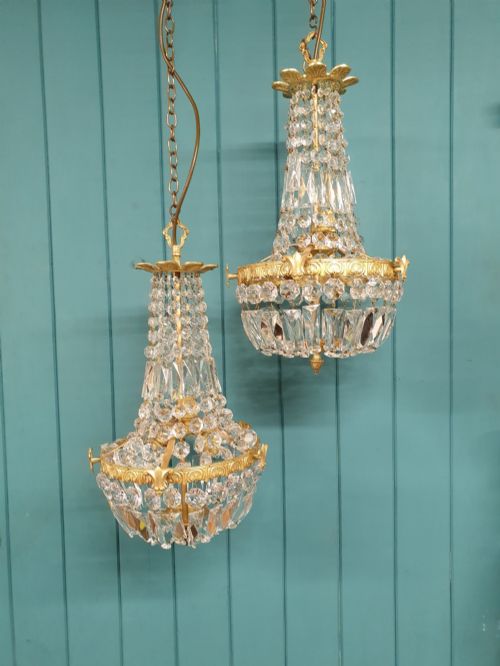
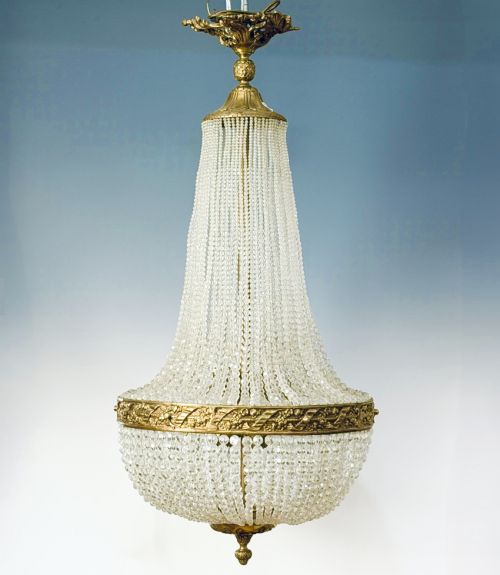
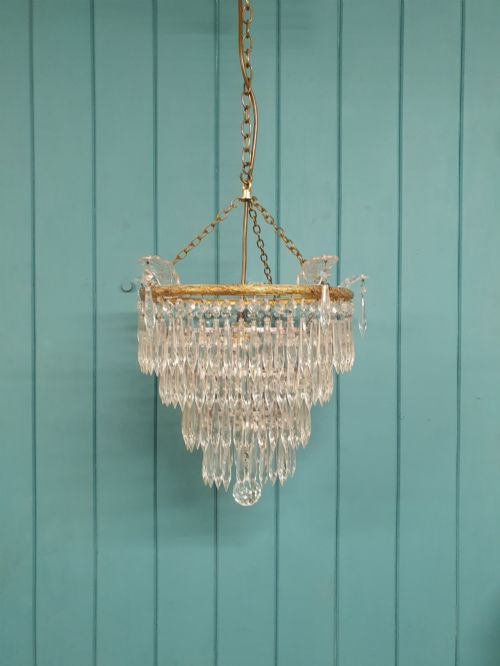
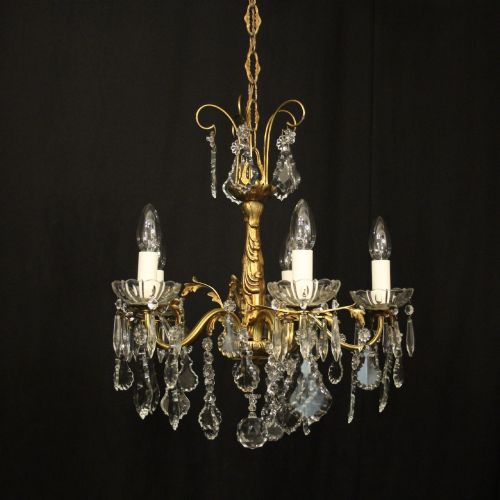
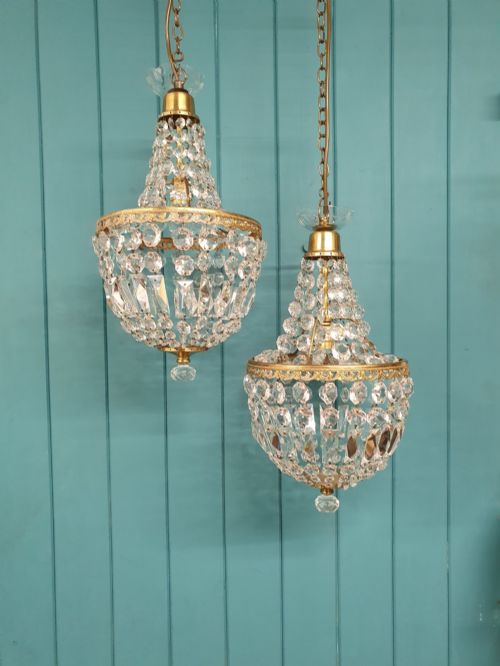
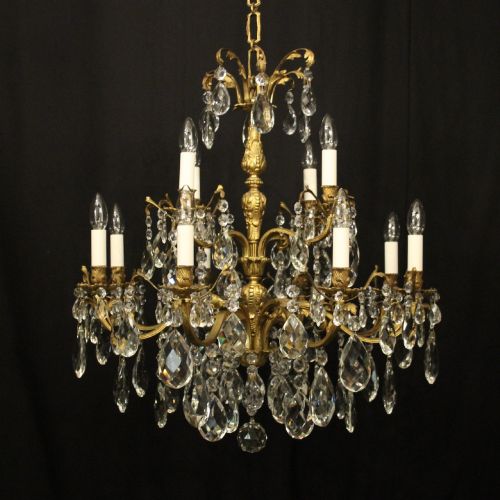
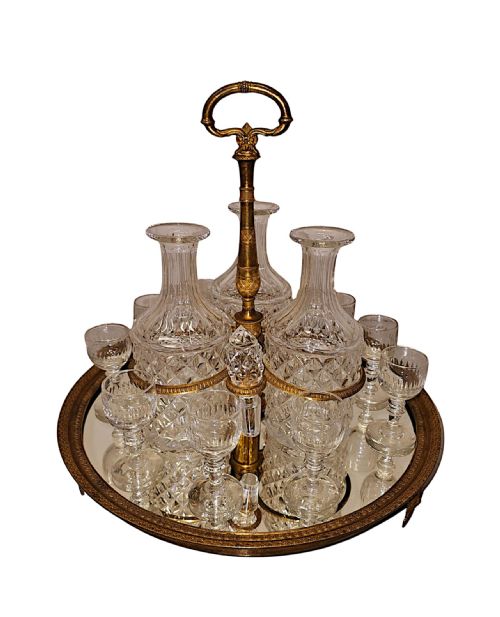
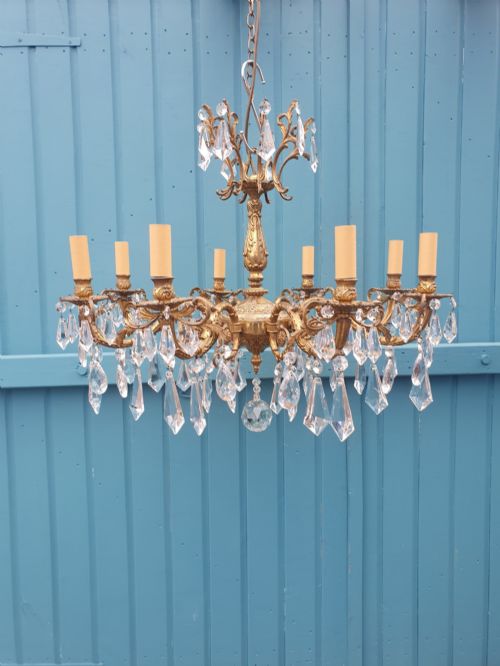
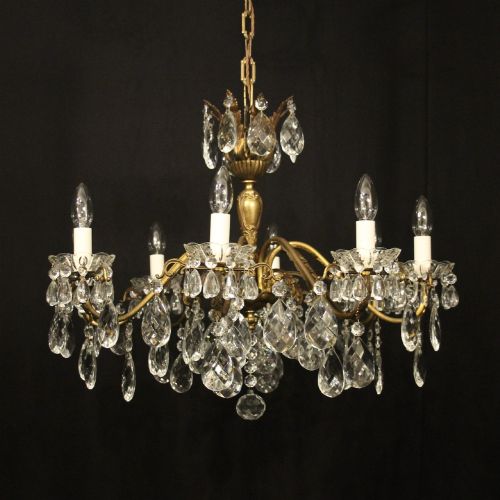
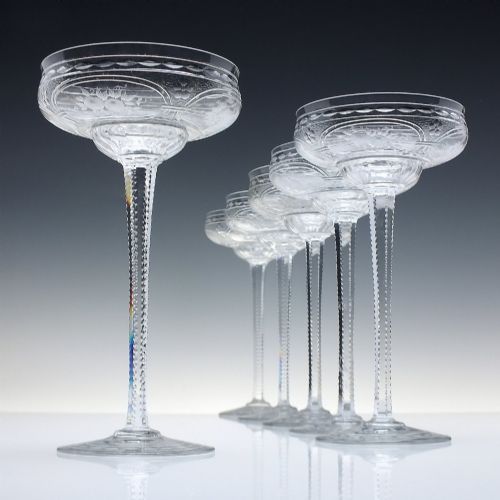
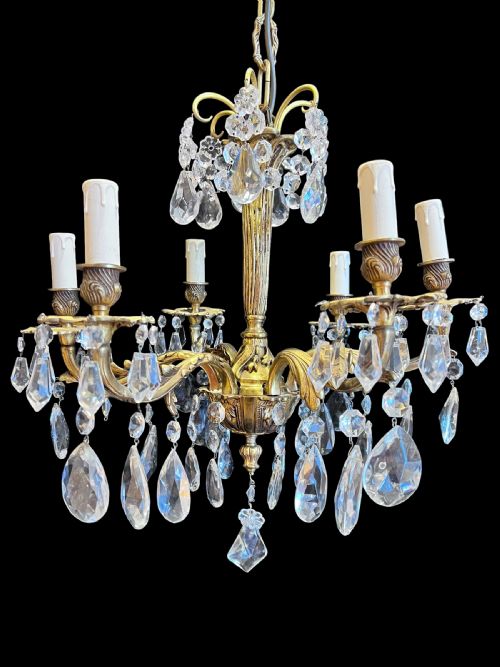
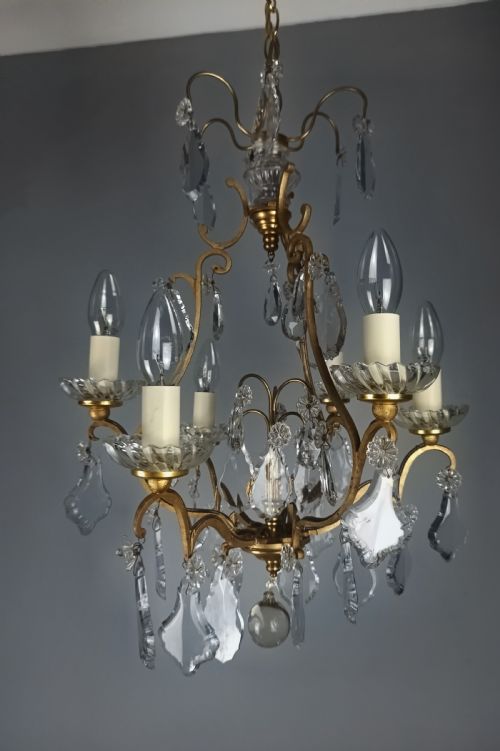
These French cut crystal glasses and associated lighting and vessels combine heavy lead crystal with ornate gilt mounts.
French Cut Crystal Glasses
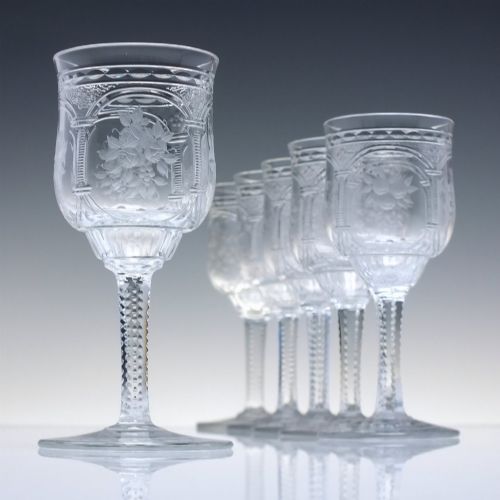
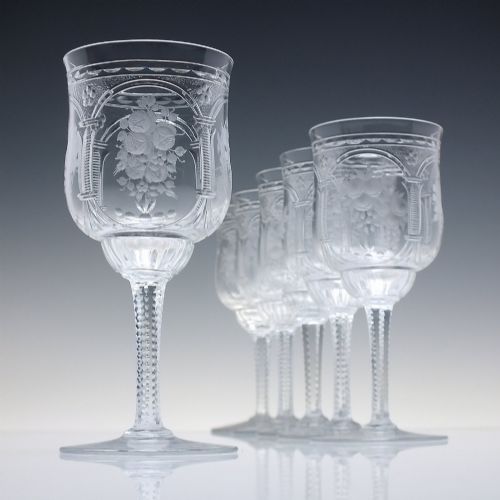
When you search for french cut crystal glasses, you encounter tableware, drinking vessels such as hock glasses, and broader decorative objects spanning periods from the early nineteenth century through to the art deco era. The pieces emerge in various forms including drinking suites, scent bottles, and stemware, often paired with mounting materials like brass, bronze, and ormolu.
The selection on this page leans heavily toward twentieth-century production, notably the nineteen-twenties and nineteen-thirties, alongside nineteenth-century examples reflecting empire and louis revival styles. Buyers find both individual items like single scent bottles and matching suites containing numerous drinking vessels with engraved decoration.
Originating predominantly from French workshops and factories, these items range from small trinket and jewellery boxes to large chandeliers, centrepieces, and wall lights. The glassware itself bridges utilitarian drinking vessels and highly decorative display items intended for opulent interiors.
What varies in quality
The precision and depth of the wheel-cut facets dictate the visual clarity and brilliance of the crystal, separating standard pressed glass from master-cut pieces. Crisp, sharp edges on the facets reflect light cleanly without blurring.
The weight and composition of the metalwork, whether gilt bronze, ormolu, or brass, determine the structural integrity and sculptural refinement of the mounts. Finer pieces display heavily chased details and secure, seamless integration between the crystal body and the metal hardware.
Completeness within large suites of drinking glasses or matching pairs of lustres and chandeliers influences desirability, as does the presence of factory signatures or well-executed engraved ornamentation.
Napoleon watches over your table from within a tiny white sulphide portrait embedded inside a crystal scent bottle.
Baccarat
The French Cut Crystal Glasses Glossary
- Cut crystal
- Glass containing lead oxide that is mechanically or wheel-cut with facets to increase brilliance and weight. This material forms the primary body of the glassware and chandeliers.
- Ormolu
- Gilded brass or bronze used for decorative mounts and frames. It provides a rich golden contrast to the clear cut crystal.
- Lustre
- A pendant glass prism or drop hung from a chandelier or candelabra to refract light. Lustres dangle in multiples to amplify illumination.
- Hock glass
- A traditional tall-stemmed wine glass often featuring coloured crystal bowls. These vessels are frequently found in matched drinking suites.
- Sulphide
- A small ceramic cameo embedded within clear glass or crystal. This technique produces detailed white portraits, such as figures of historical leaders.
French Cut Crystal Glasses: Frequently Asked Questions
How do I clean antique crystal glasses?
Wash these delicate items by hand in lukewarm water using a mild detergent, avoiding harsh scrubbing or sudden temperature changes. Place a towel at the bottom of the sink to cushion the heavy lead crystal.
Dry each piece immediately with a lint-free linen cloth to maintain the clarity of the cut facets and prevent water spots on the surface.
Can I use these vintage drinking glasses daily?
While these items were originally created for functional use, their age and delicate engraved decoration mean many modern owners choose to reserve them for special occasions. Hand-washing is mandatory to protect the fragile stems and cut patterns from dishwasher heat and harsh detergents.
Examine the rims and bases regularly for tiny chips before use, as older crystal is more susceptible to accidental impacts.
What is the difference between glass and lead crystal?
Lead crystal contains a significant percentage of lead oxide, which increases the weight, refractive index, and softness of the material. This softness makes it ideal for deep wheel-cutting.
Standard glass is lighter and harder, producing a different resonance when tapped and refracting less light than high-lead crystal.
How do I identify nineteenth-century French crystal?
Examine the mounting hardware, such as ormolu or gilt bronze frames, which often exhibit the heavy chasing and classical motifs characteristic of empire and louis revival styles. The weight of the lead crystal and the depth of the hand-cut facets also point toward earlier production periods.
Look for maker signatures or etched factory marks on the base of the glass, though many fine pieces remain unmarked.