
French Crystal Glasses
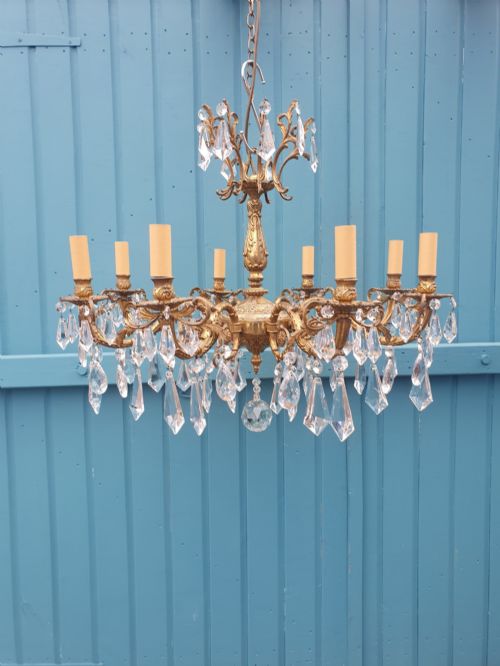
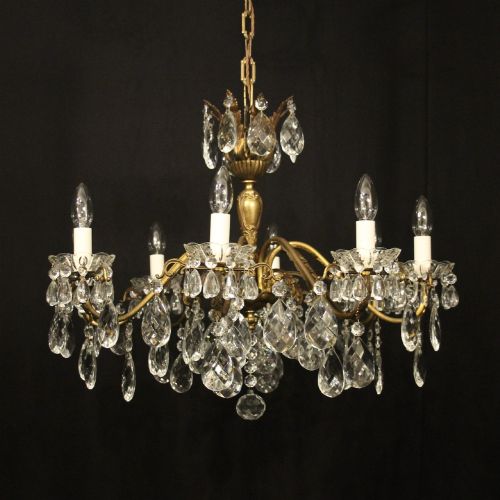
When you search for french crystal glasses, you find elegant vessels and lighting fixtures originating from the late nineteenth and early twentieth centuries.
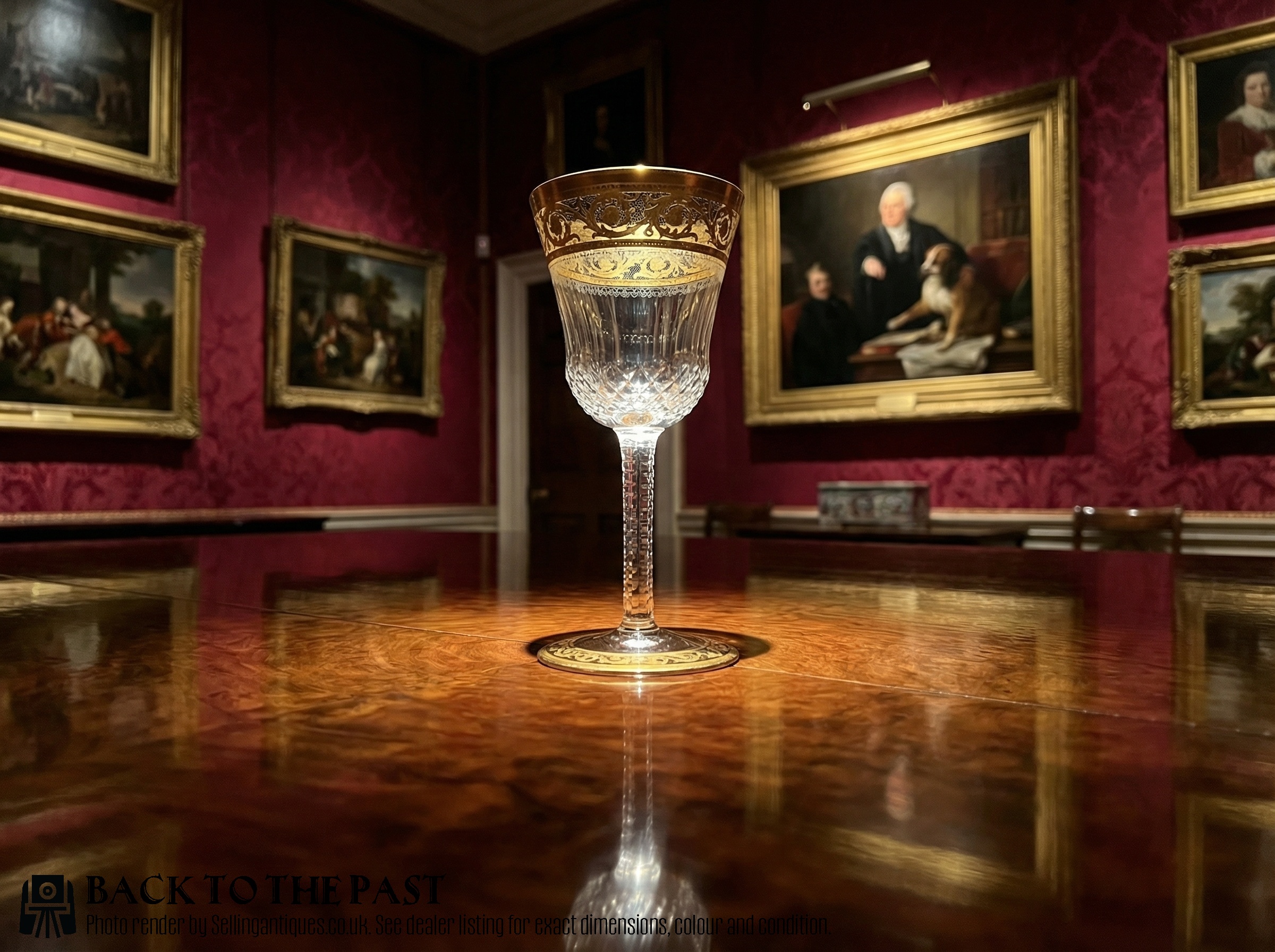
French Crystal Glasses
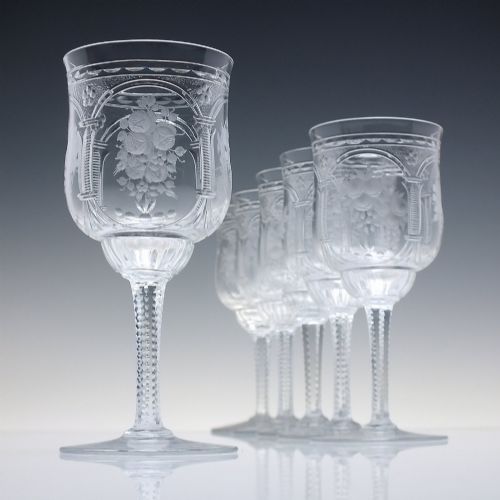
When buyers search for french crystal glasses, they encounter an array of items spanning styles from the Edwardian period through Art Deco and French Empire. The selection primarily includes practical vessels like wine coolers, hock glasses, scent bottles, and ice buckets produced in France.
The objects frequently date from the late nineteenth century and the early decades of the twentieth century. Alongside drinking vessels and table accessories, the category encompasses related crystal and cut glass items mounted in gilt bronze, brass, and silver.
How they were made
Makers utilised heavy lead crystal and clear glass, often combining these transparent materials with gilt bronze, brass, and silver mounts. Workers shaped the glass through blowing and moulding before applying deep hand cutting to achieve faceted surfaces.
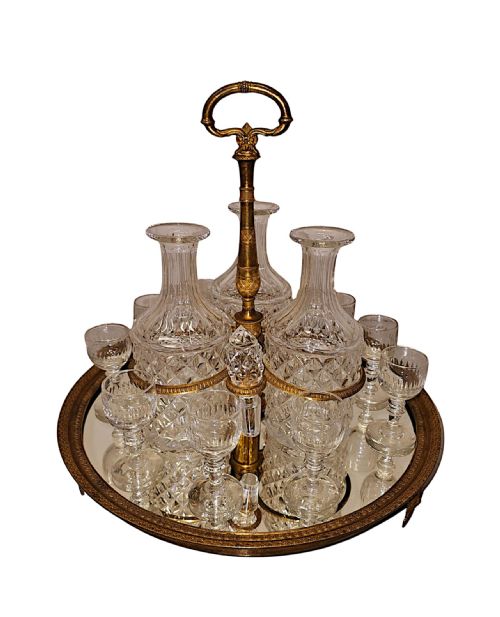
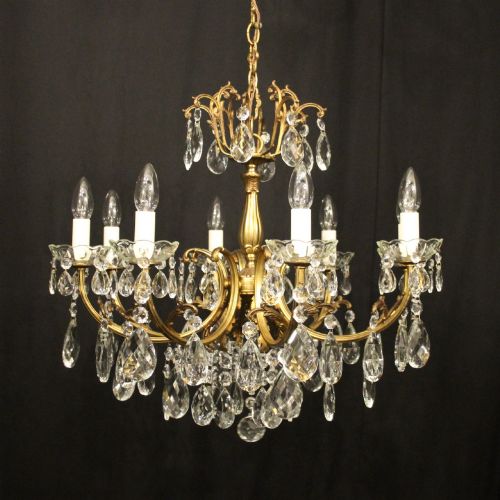
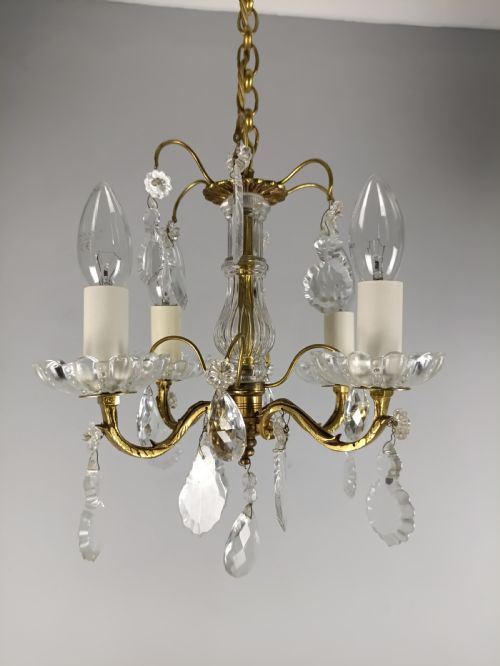
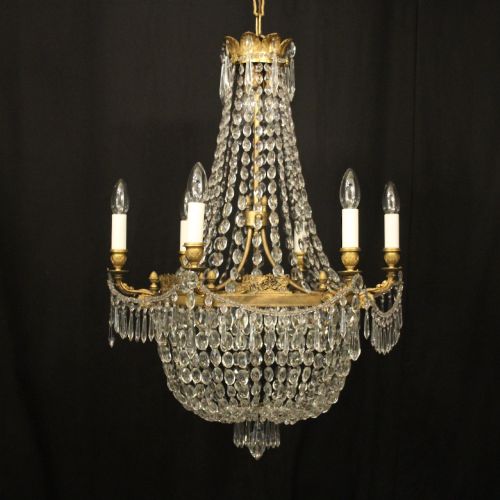
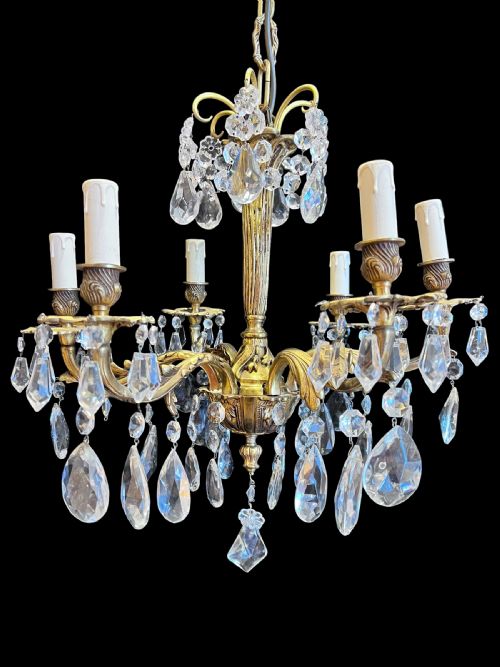
Metal components such as bronze frames, sconces, and handles received gilding or silver plating to complement the reflective crystal. Skilled artisans assembled complex pieces using threaded rods, pins, and mounts to secure delicate glass elements to metal structures.
A tiny moulded bird peers out from beneath frosted plumage, ready to perch on your cabinet shelf.
What varies in quality
The calibre of french crystal glasses depends largely on the clarity of the material and the precision of the hand cutting. Deeper facets and sharper edges reflect light more uniformly, distinguishing superior pieces from simpler moulded alternatives.
The weight and detail of the metal mounts also differentiate examples across the range. Heavier cast bronze or silver-gilt mountings display crisper chased ornamentation than lighter brass or spelter fittings.
Rene Lalique·Maison Baguès
The French Crystal Glasses Glossary
- Crystal
- A type of glass containing lead oxide, which increases weight, brilliance, and refractive index. This composition allows for sharper wheel-cutting.
- Hock glass
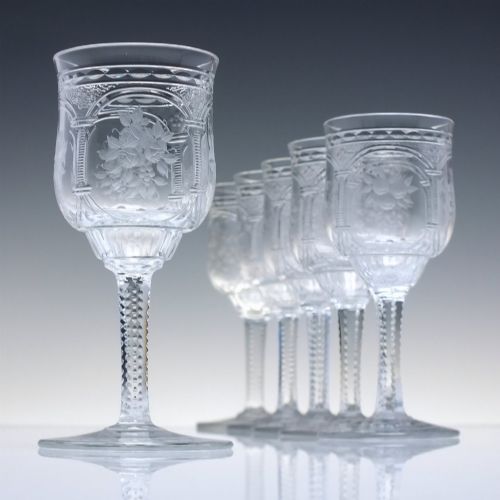
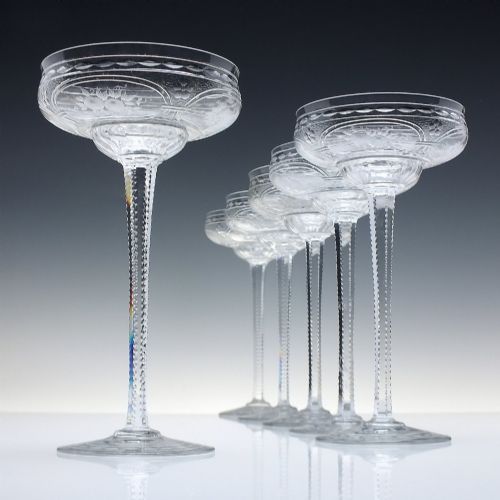
- A traditional tall-stemmed wine glass often made with coloured overlay crystal. The bowl sits atop a slender stem designed for white wines.
- Scent bottle
- A small container for perfume fitted with a stopper. These often incorporate cut patterns or sulphide portraits embedded within the glass.
- Ice bucket
- A vessel intended for chilling wine or holding ice at the table. Examples frequently pair cut crystal bodies with silver-plated or brass rims.
French Crystal Glasses: Frequently Asked Questions
How do I identify a period piece?
Examine the weight of the material and the character of the cut facets. Older pieces often show hand-polished surfaces and distinctive mounting techniques characteristic of early twentieth-century production.
Compare the style of any metal mounts against known design periods like Art Deco or the Edwardian era. The integration of the glass into its metal setting provides further clues to its age.
What materials were used?
Objects utilise lead crystal, clear glass, and occasionally coloured overlay glass. Metal mounts typically consist of gilt bronze, brass, silver-plate, or silver gilt.
Combinations of crystal and metal predominate in functional tableware and decorative accessories alike. The specific alloy or glass composition varies according to the workshop and the intended function of the piece.
How should I clean them?
Wash items gently by hand using warm water and a mild detergent. Avoid abrasive sponges or harsh chemicals that can scratch the crystal surface or damage metal gilding.
Dry pieces immediately with a lint-free cloth to prevent water spots on the faceted glass. Take care with metal-mounted items to keep moisture away from joins and adhesives.
Were these items used daily?
Vessels such as hock glasses and ice buckets served practical dining purposes in period households. Scent bottles functioned as personal dressing table accessories for daily grooming.
Many surviving pieces transitioned between active dining service and display roles over the decades. Their robust lead crystal construction allowed them to withstand regular use.