



French Cream Damask Seating
French cream damask seating brings refined upholstery and classic timber frames into a room, offering both decorative presence and comfortable living.
French Cream Damask Seating
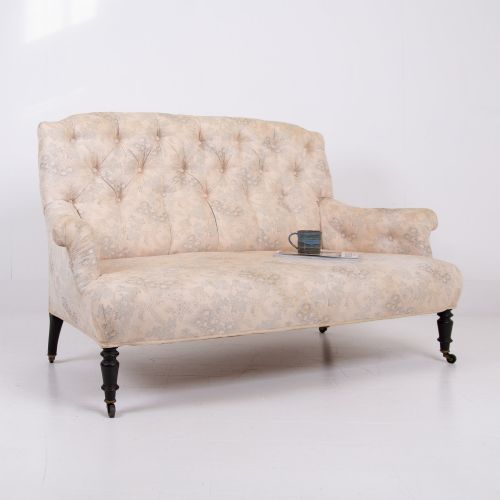
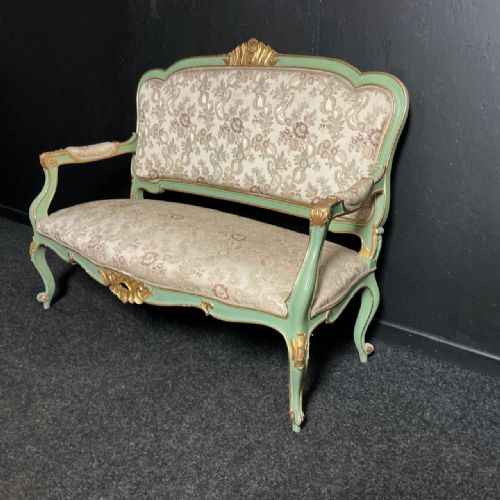
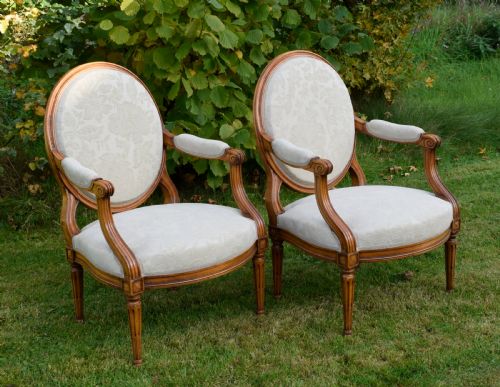
French cream damask seating encompasses a variety of upholstered furniture pieces ranging from individual armchairs and boudoir stools to expansive salon suites and settees. Buyers searching for french cream damask seating often encounter revival aesthetics, including Louis XV Style, Louis XVI Style, and French Empire Revival designs produced across the nineteenth and twentieth centuries.
The selection includes specific forms such as window seats, double end settees, and large open armchairs paired with matching footstools. These furnishings bridge historical periods from the Victorian era back through mid-nineteenth century craftsmanship, utilising traditional frameworks suited for formal reception rooms and private boudoirs alike.
How they were made
Makers constructed these seating frameworks from hardwoods like mahogany, walnut, and giltwood, alongside painted timber finishes that reflected prevailing revival tastes. Skilled artisans carved decorative details into the wood, incorporating cabriole legs and neoclassical motifs to define the structural silhouette.
Upholsters applied damask fabric directly to the sprung or padded interiors, securing the patterned textiles to complement the gilded, painted, or polished wood frames.
French Cream Damask Seating Retail Price Guide 2026
Typical asking prices for french cream damask seating among the pieces listed under this phrase on Sellingantiques today, from the lower quarter to the upper quarter. They describe what is for sale here now, not the wider market.
Listings feature periods spanning the Victorian era, the nineteenth century, and twentieth-century interpretations, utilising mahogany, walnut, giltwood, and painted timber.
What varies in quality
The refinement of the carved wood detailing largely separates standard seating from exceptional examples, with crisp floral and neoclassical motifs showing superior handwork. Additionally, the depth of the timber frame construction and the fidelity of revival styles dictate the overall standard of the piece.
The execution of the giltwood or painted finish also indicates grade, where layered application and nuanced distressing demonstrate higher workshop standards than flat, uniform surfaces.
The French Cream Damask Seating Glossary
- Damask
- A reversible figured fabric with patterns formed by contrasting warp and weft threads. It provides the characteristic textured sheen seen on traditional French seating.
- Giltwood
- Timber coated with a thin layer of gold leaf or gilt powder. This finish appears frequently on high-status revival salon suites.
- Cabriole leg
- A furniture leg that curves outward and then tapers inward with a pad foot. This form derives from animal legs and defines many revival seating designs.
- Ormolu
- Cast brass that has been gilded with mercury gold, applied as decorative mounts to furniture. It accentuates mahogany frames in neoclassical revival pieces.
French Cream Damask Seating: Frequently Asked Questions
How do I clean damask upholstery safely?
Damask fabric requires gentle surface dusting or professional dry cleaning to preserve the woven pattern. Avoid using excessive moisture on antique textiles.
Regular care prevents dust accumulation within the intricate weave without disturbing the underlying padding.
Are these seats comfortable for daily use?
Most pieces offer supportive sprung or padded seating designed for formal reception rooms or boudoirs. Their ergonomic suitability depends on the specific era and depth of the frame.
Adding matching footstools or ottomans enhances the relaxation potential of open armchairs and settees.
How do I match antique seating with modern decor?
Neutral cream damask upholstery blends easily into contemporary interiors by introducing classic texture without overwhelming a room. Pairing a single boudoir chair or window seat with modern minimalism creates a balanced focal point.
Historical timber frames add warmth and architectural contrast to plain walls and modern flooring.