
Fauteuil Armchair
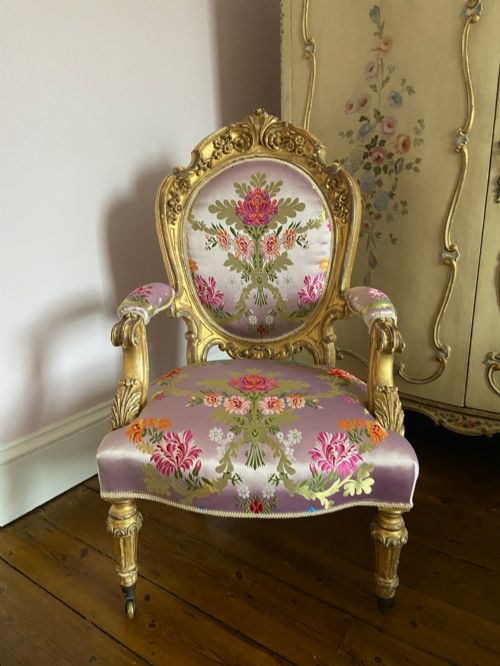
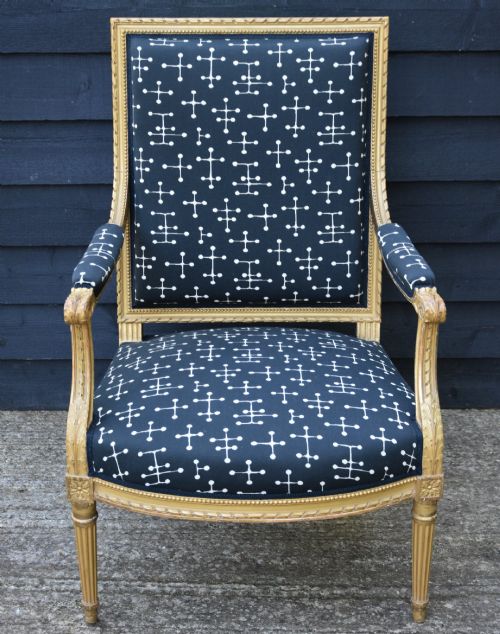
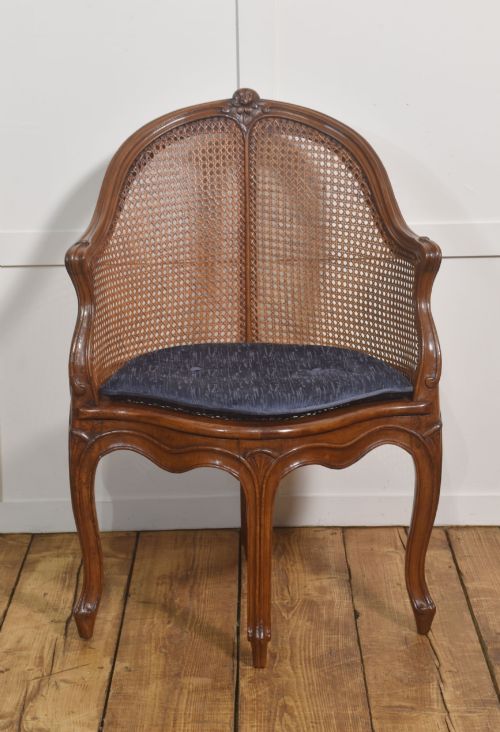
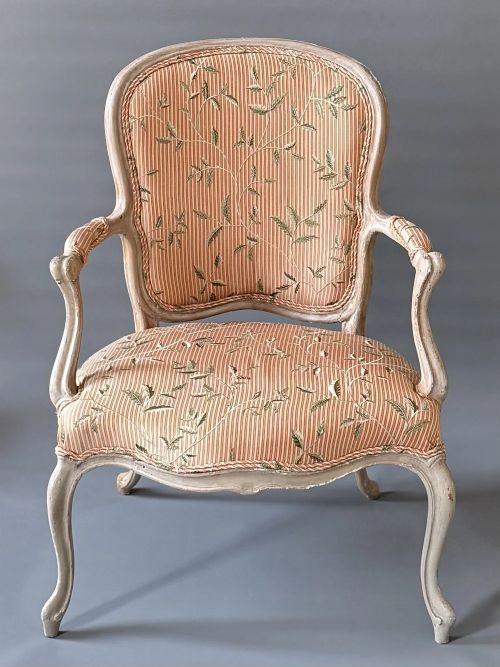
When sourcing a fauteuil armchair, buyers encounter open-framed seating designed for formal salons across various historic European periods.
Fauteuil Armchair
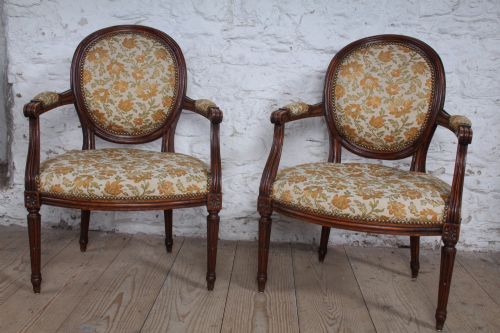
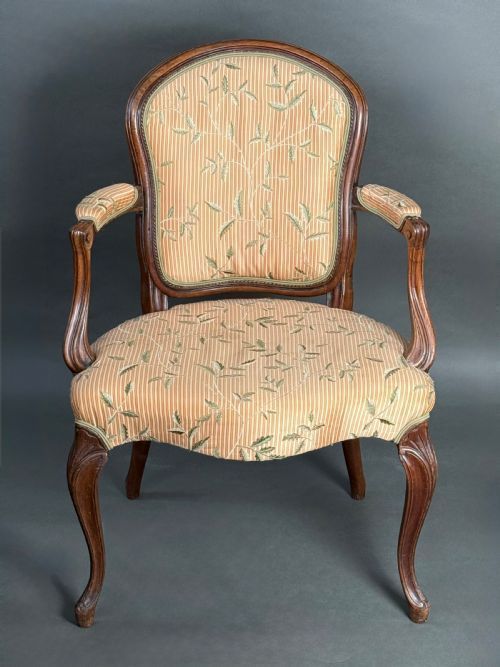
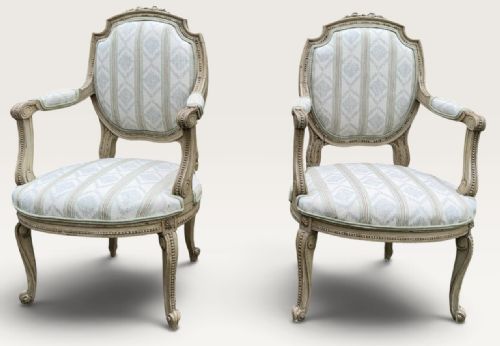
A fauteuil armchair is an open-framed upholstered seat originating primarily in France during the seventeenth and eighteenth centuries, designed for drawing rooms and formal reception spaces.
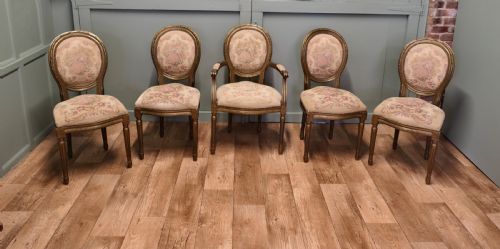
The selections available here range widely in date, spanning original period examples from the eighteenth century through to nineteenth-century revivals and later twentieth-century interpretations.
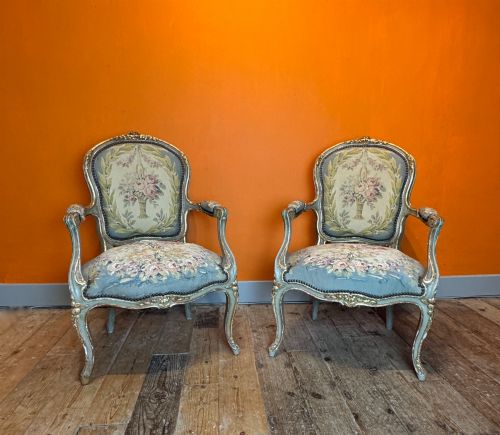
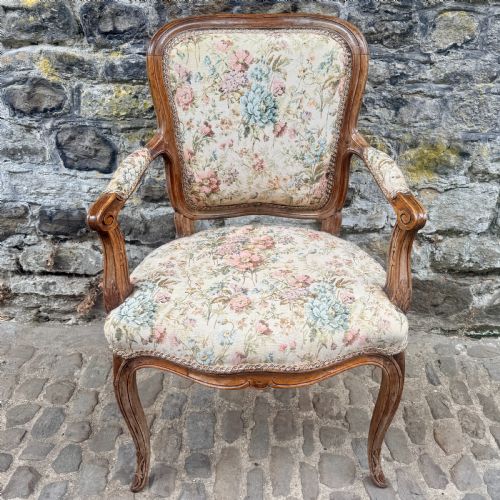
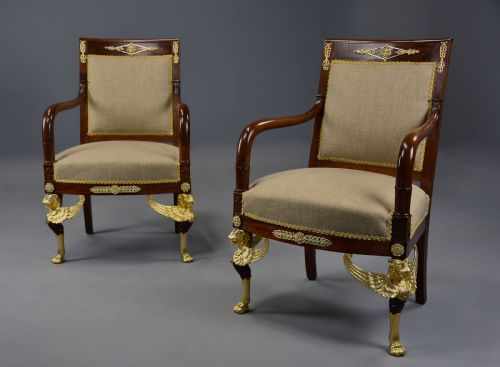
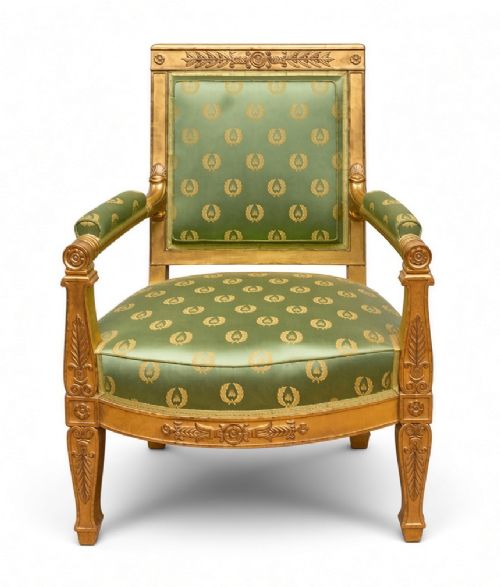
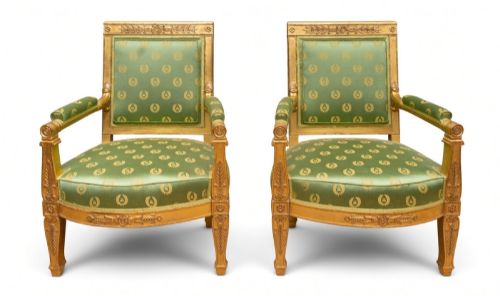
Most pieces encountered on this page exhibit distinct stylistic roots such as Louis XV, Louis XVI, or Empire designs, reflecting the changing tastes of European cabinetmakers.
What Varies in Quality
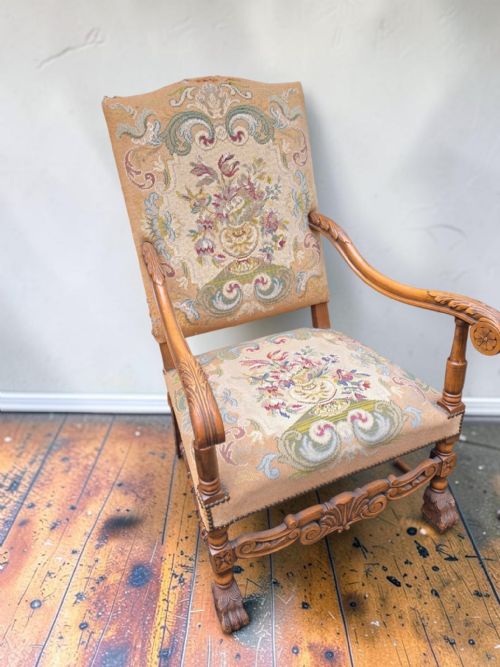
The refinement and depth of the hand-carved wood ornamentation distinguish standard examples from masterworks, with crisp foliage and balanced proportions marking superior craftsmanship.
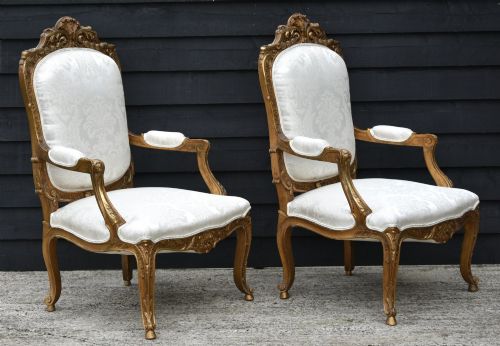
Original surface treatments, whether historic paint layers or authentic period gilding, hold greater aesthetic integrity than later refinished or altered frames.
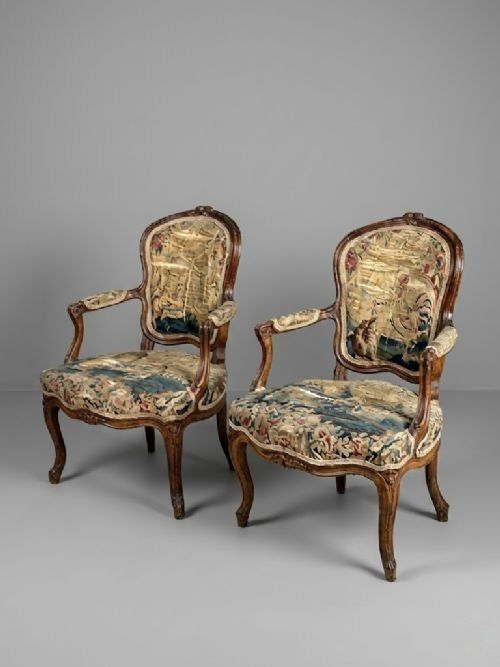
The selection of covering textiles, ranging from historic Aubusson tapestries to fine silks, significantly impacts the overall decorative presence of the chair.
Some nineteenth-century makers built extra-wide frames specifically to accommodate large Victorian crinolines.
Jacob Desmalter·Thomas Chippendale·Blaise Maucuy
The Fauteuil Armchair Glossary
- Fauteuil
- An open-framed armchair featuring upholstered armrests and back, typical of French domestic seating. This form prioritised comfort while remaining social enough for formal sitting rooms.
- Giltwood
- Timber treated with a thin layer of gold leaf applied over a prepared base. This finish was favoured for formal furniture intended to catch candlelight in grand interiors.
- Louis XV Style
- A decorative aesthetic defined by asymmetrical curves, cabriole legs, and rococo floral carving. It originated in France during the mid-eighteenth century.
- Louis XVI Style
- A design movement characterised by neoclassical restraint, straight tapered legs, and geometric framing. It emerged as a reaction against earlier rococo excess.
- Aubusson
- A woven tapestry technique originating from central France, frequently utilised for period upholstery. These textiles depict pastoral scenes or floral motifs.
Fauteuil Armchair: Frequently Asked Questions
How do I identify a Louis XV style chair?
Louis XV style chairs are characterised by curved lines, cabriole legs, and organic rococo carvings. The framework avoids straight angles.
Craftsmen shaped the wood to flow continuously from the crest rail down to the foot.
Were these chairs used at desks?
These open armchairs served primarily as salon or drawing room seating for conversation and leisure. They furnished reception spaces rather than studies.
Their open arms accommodated the voluminous skirts worn during the eighteenth and nineteenth centuries.
How do I care for antique upholstery?
Historic textiles require gentle maintenance, avoiding direct sunlight and excessive moisture to preserve fragile silk or tapestry fibres. Professional conservation is recommended for antique fabrics.
Wooden frames benefit from occasional dusting with a dry cloth without applying modern chemical polishes.
What distinguishes revival pieces from originals?
Revival pieces date to later periods, such as the nineteenth or early twentieth centuries, while emulating earlier historic designs like Louis XVI or Regence. Construction methods and timber ageing help reveal the true date.
Makers working during revival periods often incorporated machine assistance alongside hand carving.