



French Country Sign
These pieces sold as a french country sign bring rustic character into a room through hand-painted oils, carved shop displays, and wooden trade figures.
French Country Sign
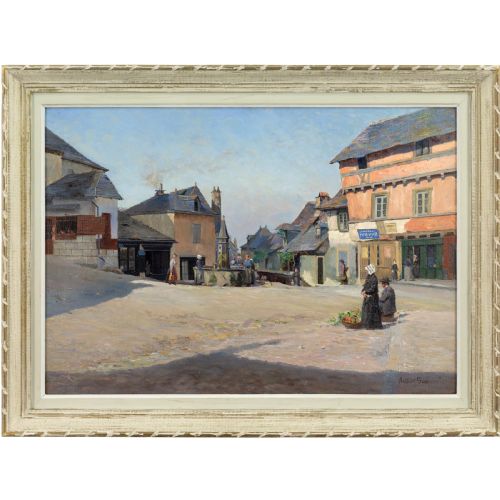
A french country sign encompasses decorative shop displays, trade figures, and plein air oil paintings that evoke rural trade and provincial life. When browsing this selection, you encounter items ranging from carved wooden roosters and butchers shop displays to oil paintings capturing village landscapes and river scenes.
The objects span periods from the nineteenth century through the mid-twentieth century, showing influences of post-impressionism, French folk art, and the Barbizon school. Most examples rely on oil on canvas, oil on board, watercolours, or carved solid wood.
The dominant forms are trade displays and pastoral paintings rather than modern manufactured notices. Buyers find pieces that reflect regional French commerce and rural traditions through tangible canvas and carved timber.
Assessing quality
Quality rests in the fidelity of the carving and the assuredness of the brushwork across each canvas or wooden panel. Superior examples display confident handling of pigment and form, whether depicting a village square or a carved shop figure.
Condition and originality dictate the standing of a piece, particularly where painted surfaces and carved timber retain their early character. Pieces that show direct observation and strong compositional structure distance themselves from routine decorative works.
French Country Sign Retail Price Guide 2026
Typical asking prices for french country sign among the pieces listed under this phrase on Sellingantiques today, from the lower quarter to the upper quarter. They describe what is for sale here now, not the wider market.
Among the trade figures, a solid wood rooster stands ready to announce the village morning without ever making a sound.
Arthur Gué·Henri Joseph Harpinies·Antoine Bouvard
The French Country Sign Glossary
- Plein air
- Painting executed outdoors to capture natural light and atmospheric conditions directly. This method was widely practiced by nineteenth and twentieth-century painters.
- Barbizon school
- A movement of French painters dedicated to naturalistic landscape painting. Artists associated with it drew inspiration from the forest of Fontainebleau and surrounding rural areas.
- Post-Impressionism
- An artistic development following impressionism that explored emotional and structural responses through bolder forms and colours. It encompasses varied French painting styles from the late nineteenth and early twentieth centuries.
- Trade sign
- An object or board used by a merchant to advertise wares or services to the public. These often took the form of carved animals or pictorial boards.
- Oil on canvas
- Pigment bound in an oil medium applied to a woven fabric support. This technique provides durability and rich colour depth.
French Country Sign: Frequently Asked Questions
What defines a french country sign?
These pieces comprise carved wooden shop displays, trade figures, and provincial oil paintings originating from France during the nineteenth and twentieth centuries.
They reflect rural commerce, agricultural life, and traditional craftsmanship through painted canvas and solid carved wood.
How were trade figures used?
Carved wooden animals and shop displays served as functional advertising for provincial businesses such as butchers and merchants.
Placed outside or inside shops, they communicated the trade of the establishment to local customers.
How do I date these items?
Dating relies on material characteristics, painting styles, and the specific construction methods visible in the wood or canvas supports.
Nineteenth-century pieces often display hand-carved tool marks and early paint layers, while mid-twentieth-century works show modernist or impressionist influences.
Where do these pieces fit in a home?
Rural trade displays and pastoral paintings suit kitchens, living spaces, and hallways seeking an authentic provincial aesthetic.
Their natural wood tones and earthy oil palettes complement traditional and eclectic interiors.