

French Country Seats
French country seats bring regional character and classic seating forms into a room, spanning rustic benches to carved walnut armchairs.
French Country Seats
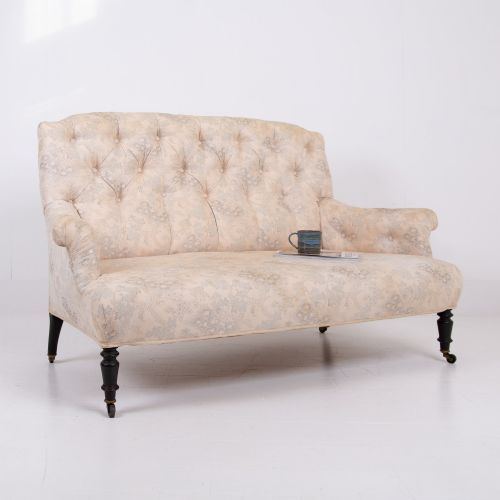
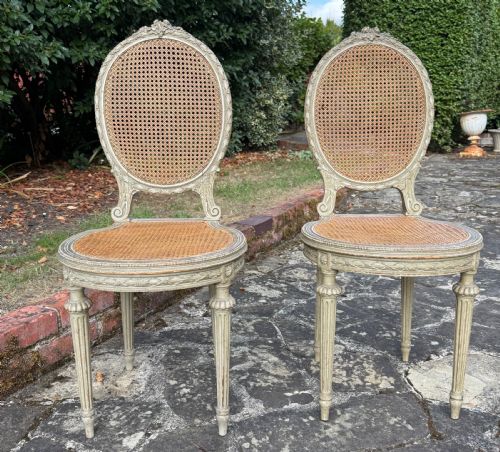
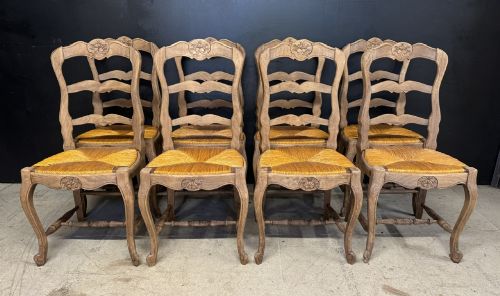
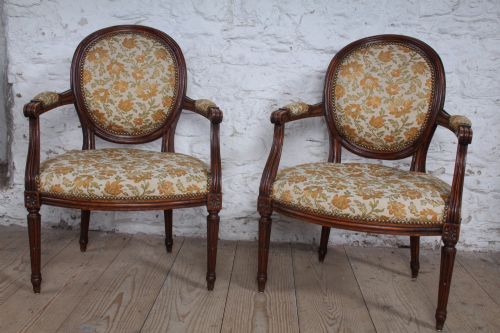
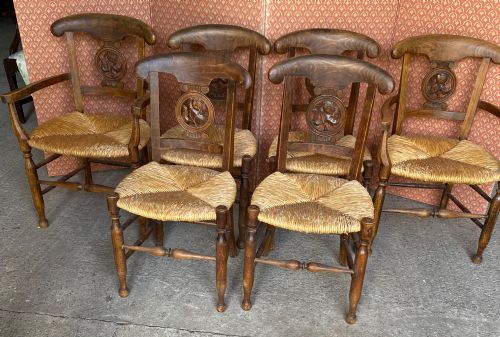
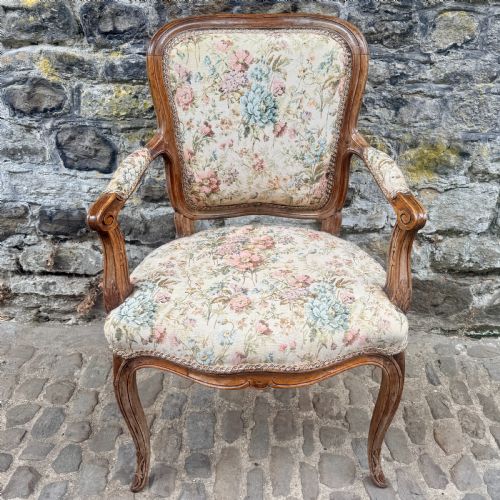
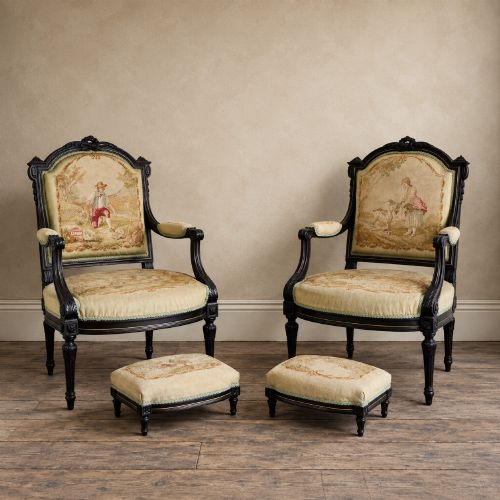
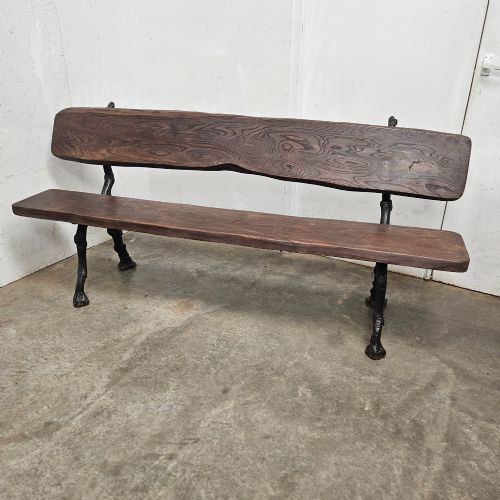
When you search for french country seats, you encounter a diverse range of furniture spanning the eighteenth, nineteenth, and early twentieth centuries. The selection includes farmhouse dining chairs, rush-seated hall benches, and upholstered armchairs originating from provincial regions and chateaus.
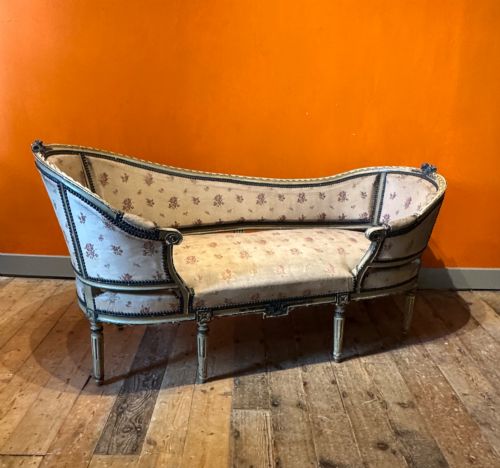
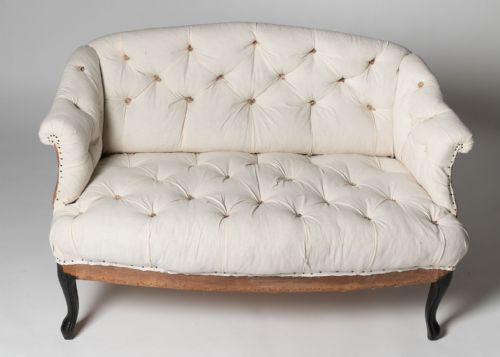
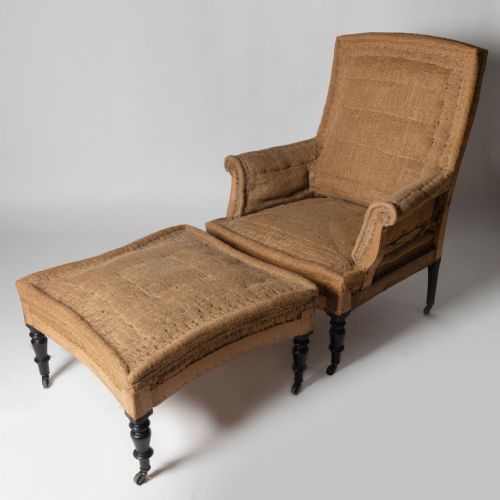
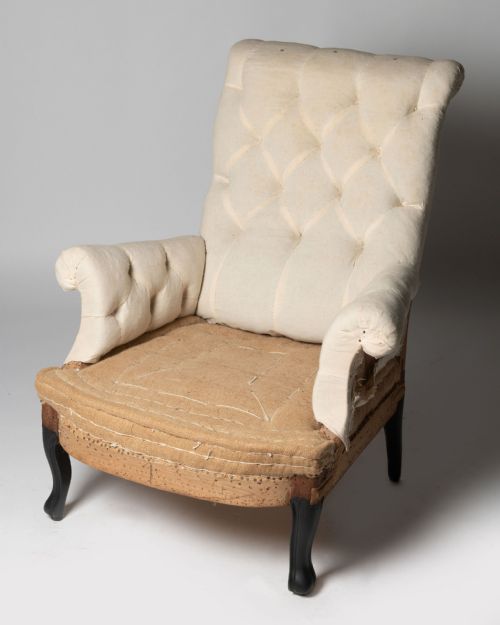
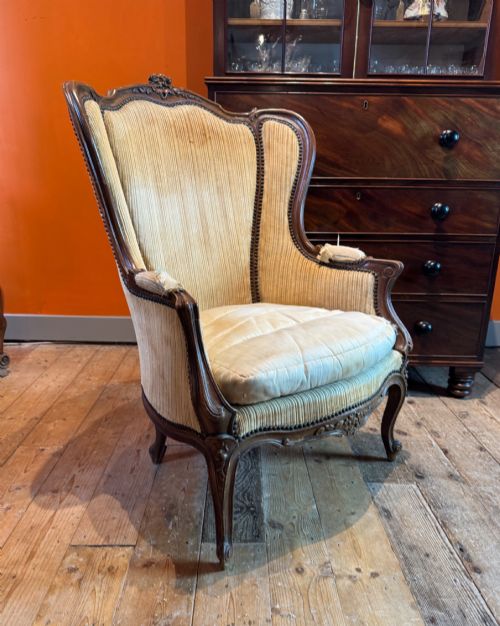
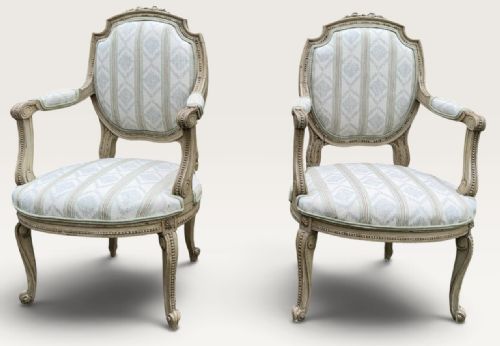
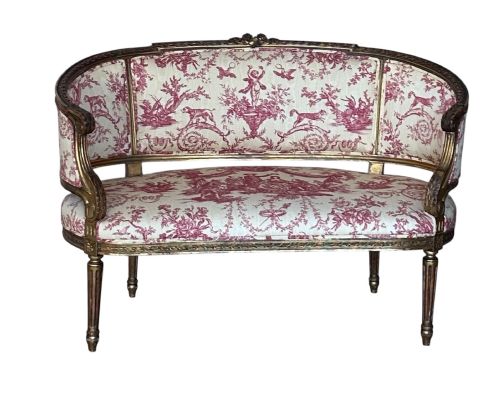
Most pieces date from the nineteenth and early twentieth centuries, featuring forms such as fauteuils, bergeres, sofas, and long benches. Regional variations draw upon Louis XV and Louis XVI styles, alongside simpler farmhouse designs.
Makers utilised local timbers and traditional upholstery methods to produce seating suited to both grand country houses and rural farmsteads. Buyers frequently find pairs of armchairs or sets of dining chairs ready for domestic placement.
How they were made
Carpenters and cabinetmakers constructed these seats primarily using solid regional hardwoods such as walnut, oak, elm, cherrywood, and beech. Frames often feature hand-carved decorative motifs, exposed wooden joints, and turned legs.
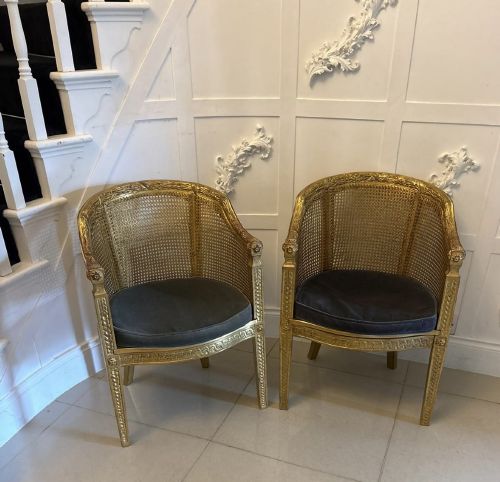
Upholstered items incorporate materials like cane, rush, leather, velvet, brass details, and traditional fabric panels. Many frames retain their original paint finishes or giltwood applications applied during the eighteenth, nineteenth, or early twentieth centuries.
French Country Seats Retail Price Guide 2026
Typical asking prices for french country seats among the pieces listed under this phrase on Sellingantiques today, from the lower quarter to the upper quarter. They describe what is for sale here now, not the wider market.
Listings feature pieces spanning the eighteenth to the early twentieth centuries, constructed from walnut, oak, elm, and beech.
What varies in quality
The standard of a piece depends heavily on the crispness of the hand-carved woodwork and the integrity of the structural frame. Finer examples display balanced proportions, sophisticated regional interpretations of court styles, and well-preserved original surfaces.
Materials dictate much of the distinction, with solid walnut and giltwood carrying a different presence compared to simpler pine or elm farmhouse benches. The survival of original paint, cane work, or period upholstery adds considerable weight to an item's integrity.
The French Country Seats Glossary
- Fauteuil
- An open-armed French armchair with upholstered back and seat, typically featuring exposed wooden framing. These chairs became prominent during the seventeenth and eighteenth centuries.
- Bergere
- An enclosed armchair with upholstered back and sides, often featuring cane work panels. They commonly include a loose squab cushion for added comfort.
- Canape
- A French sofa or settee designed for multiple occupants, sharing stylistic traits with contemporary armchairs. They frequently incorporate carved walnut or giltwood frames.
- Banquette
- A long upholstered bench or stool without a backrest, utilised for window seats or hallways. Nineteenth-century examples often feature needlepoint or velvet trims.
- Faux Bois
- An artistic technique simulating wood grain on non-wooden surfaces, often seen on iron garden benches. This finish gained popularity during the nineteenth century.
French Country Seats: Frequently Asked Questions
What defines a french country seat?
These seats are traditional chairs, benches, and sofas originating from French provinces, combining functional utility with regional decorative styles.
They reflect local cabinetmaking traditions using woods like walnut, oak, and cherry, often following Louis XV or Louis XVI aesthetic lines.
How do I identify the period?
Dating relies on examining construction techniques, timber patination, and stylistic cues such as cabriole legs or carved motifs.
Nineteenth and early twentieth-century pieces often blend revival styles with robust regional building methods.
Were these seats used indoors?
While many served in salons, bedrooms, and dining rooms, others were built for hallways, gardens, or farmhouses.
Benches and rush-seated chairs typically fulfilled utilitarian domestic roles, whereas giltwood bergeres belonged in formal entertaining spaces.
How do I care for original paint?
Original painted surfaces require gentle dusting with a dry cloth and protection from direct sunlight and moisture.
Avoid chemical cleaning agents that might lift the historic pigments or distress the aged timber underneath.