
French Country Oak Table
A french country oak table brings enduring utility and provincial character into a room.
French Country Oak Table
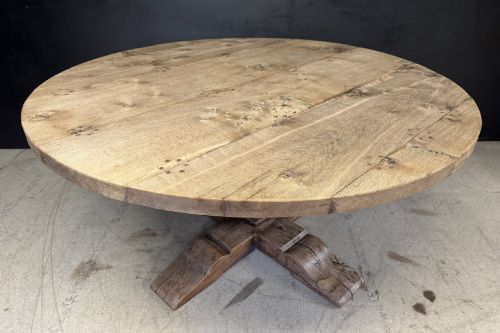
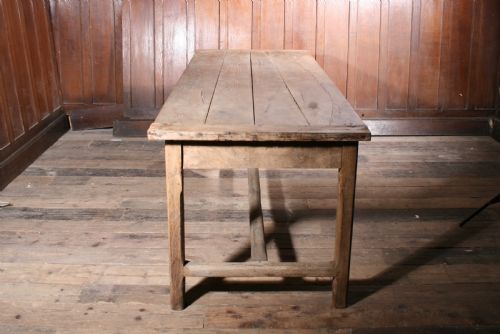
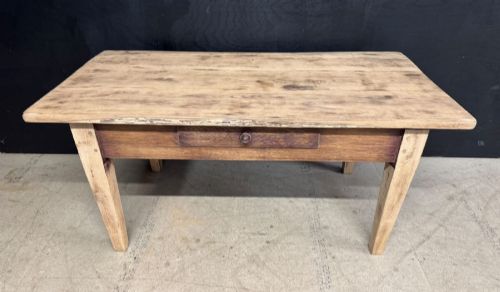
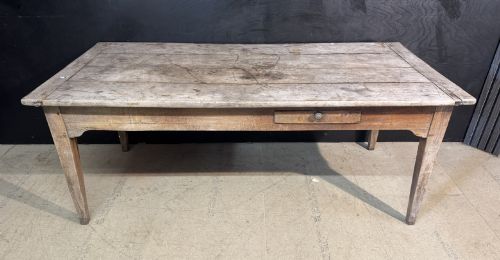
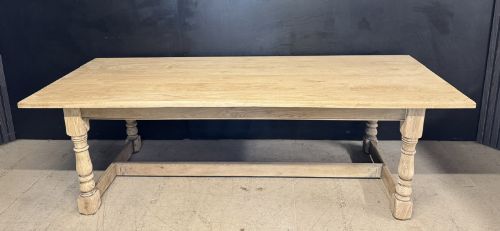
When you search for a french country oak table, you encounter substantial dining pieces, refectory tables, and smaller occasional forms rooted in provincial traditions. The examples appearing here span from the nineteenth century into the early twentieth century, reflecting practical domestic use across French regions.
Dining tables and large farmhouse formats dominate the selection, often accompanied by smaller side tables, coffee tables, and serving pieces. These items display utilitarian designs shaped by regional workshops rather than court furniture conventions.
Solid timber construction defines the category, with oak supplemented by fruitwood, pine, and chestnut in supporting elements or related regional variants. The typical piece shows the honest joinery and practical proportions required for daily rural life.
How They Were Made
Cabinetmakers utilised heavy native timbers, primarily solid oak alongside chestnut, cherry, and pine, joined with traditional pegged mortise and tenon construction. Surfaces often incorporated breadboard ends on tops to manage timber movement.
Hardware details relied on functional brass and iron elements, visible in drawer pulls, hinges, and occasional structural braces. Secondary materials such as marble appeared on specialised patisserie display tables.
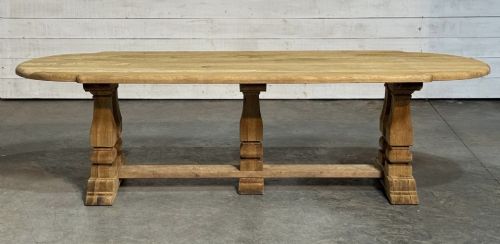
Finishes range from untouched natural patinas to intentional bleaching, highlighting the grain of the wood and the accumulation of historic wear.
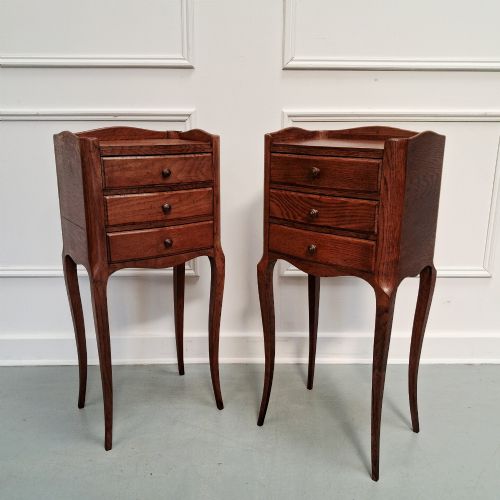
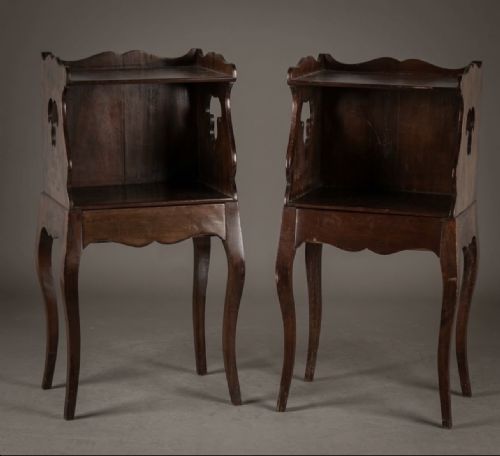
Formats range from large refectory and dining tables down to compact bedside cabinets and library trolleys.
What Varies In Quality
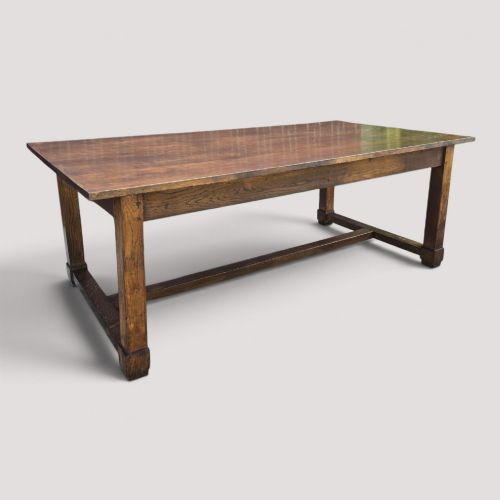
The distinction between ordinary and superior examples rests in the substance of the timber and the integrity of the original construction. Heavy, thick oak tops and robust underframing without excessive modern intervention represent the higher tier of survival.
Proportion and regional detailing separate standard utility pieces from finer provincial commissions. Subtle turnings on legs, well-integrated drawers, and bread slides executed with precision indicate attentive workmanship in the workshop.
The degree of surface preservation and the character of the natural patina determine visual appeal. Surviving original hardware and minimal structural replacement preserve the historical integrity of the piece.
The French Country Oak Table Glossary
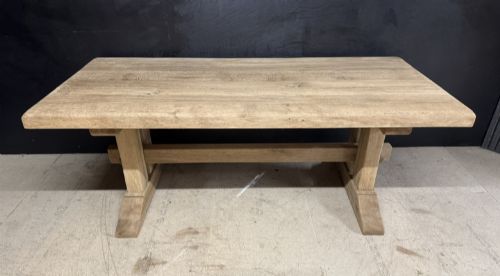
- Refectory table
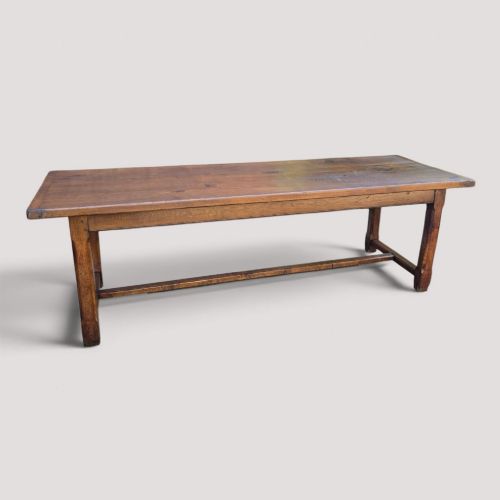
- A long, narrow dining table traditionally used for communal meals. These pieces often feature sturdy stretchers supporting substantial legs.
- Bread slide
- A pull-out shelf integrated beneath the tabletop. Bakers historically used this surface for cooling loaves or preparing dough.
- Bleached oak
- Timber treated to lighten its natural tone. This process became popular for achieving a pale, neutral finish on rustic furniture.
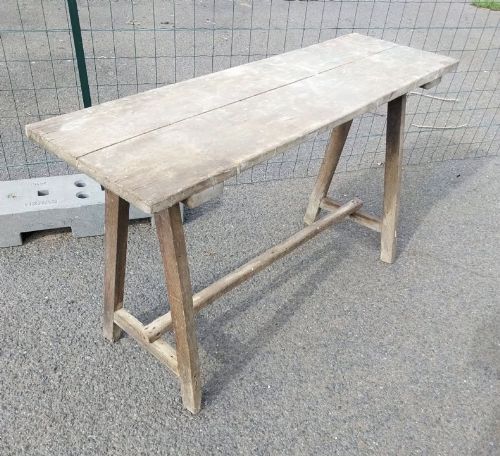
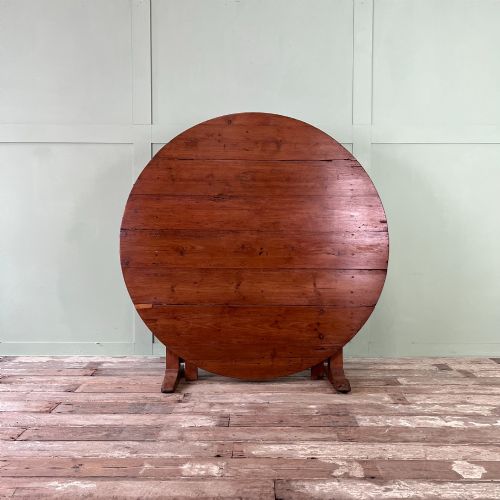
- Vendange table
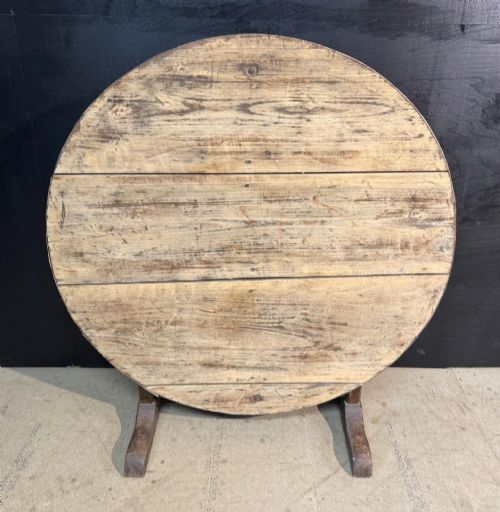
- A folding table designed for use during grape harvests. Their collapsible frames allowed for easy storage when not in active service.
- Patisserie display table
- A specialised table featuring a marble top. These were utilised for rolling pastry and displaying baked goods in commercial settings.
French Country Oak Table: Frequently Asked Questions
How do I clean a French oak table?
Wipe surfaces using a soft, damp cloth and dry them immediately. Avoid harsh chemical cleaners that strip the historic patina from the timber.
Apply natural beeswax occasionally to nourish the oak and protect the grain from moisture. Regular gentle maintenance preserves the surface finish without altering its character.
Are these tables suitable for daily dining?
Solid oak construction and sturdy underframes make these tables exceptionally durable for everyday meals. Their robust build handles heavy domestic use with ease.
Using mats and coasters protects the historic wood from heat marks and moisture rings. Daily use simply adds further character to the existing patina.
What is a bread slide?
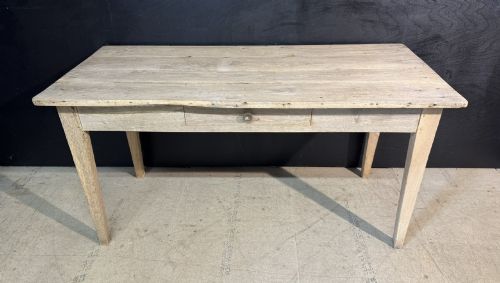
A bread slide is a pull-out wooden board integrated directly beneath the top surface of a farmhouse table. Historically, it provided extra workspace for food preparation.
Modern owners utilise the slide for resting small serving dishes or expanding surface area temporarily. It remains a signature functional detail of regional French tables.
How do I identify a refectory table?
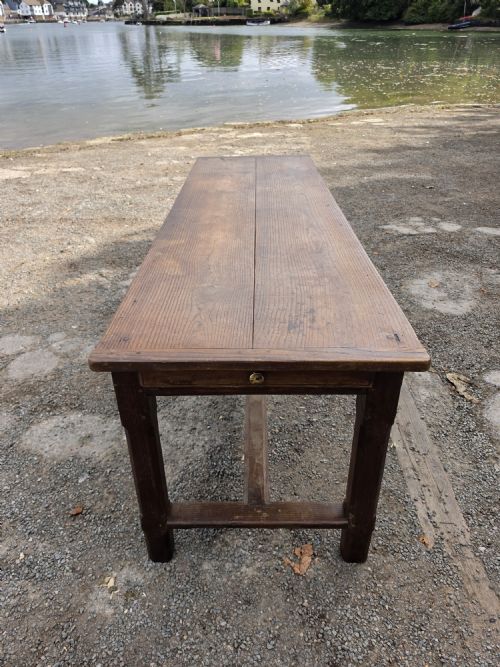
Refectory tables are characterised by their long, narrow proportions designed to seat many people. They typically incorporate sturdy central legs linked by low stretchers for stability.
This format originated in large dining halls and translates well into modern open-plan spaces. Their slender profile allows them to fit comfortably in narrow dining rooms.