

French Country Doors
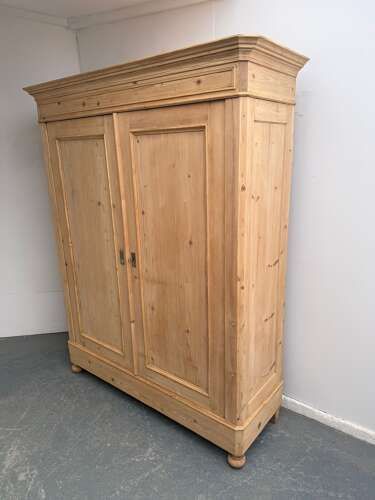
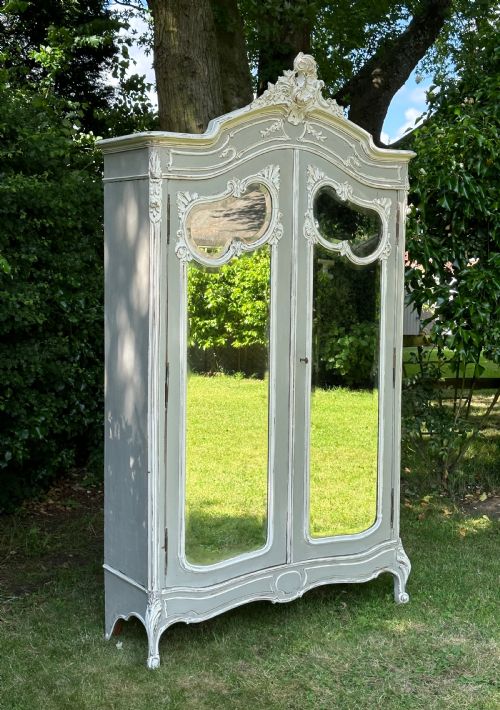
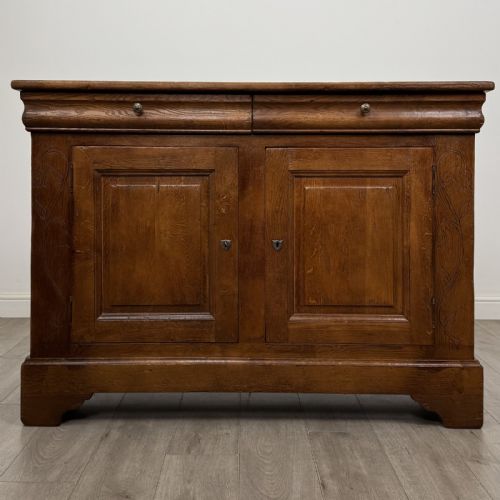
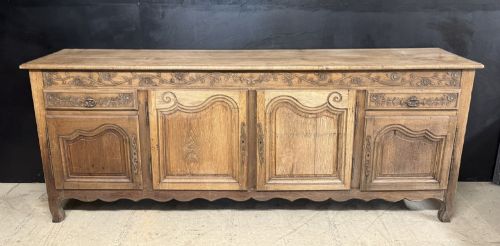
French country doors open onto substantial storage pieces built for provincial kitchens, bedrooms and halls.
French Country Doors
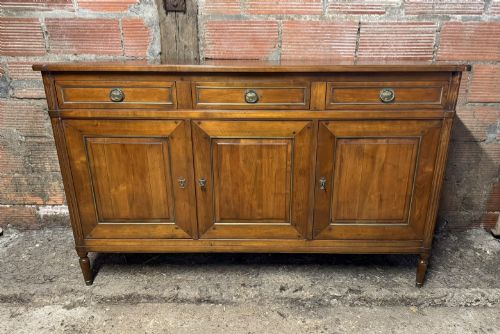
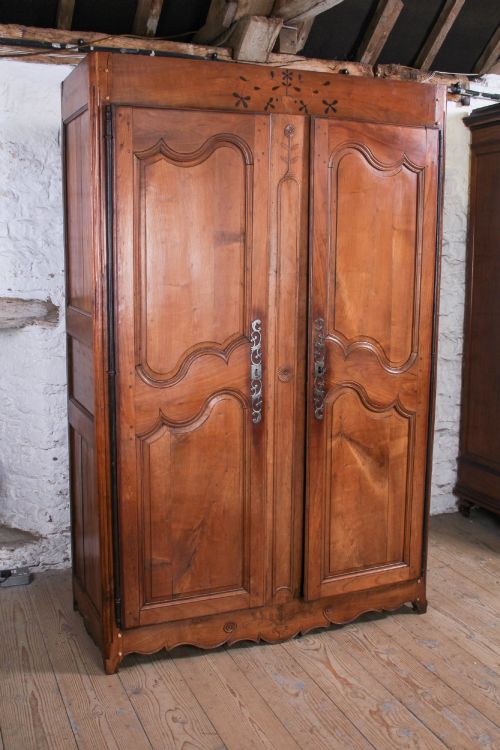
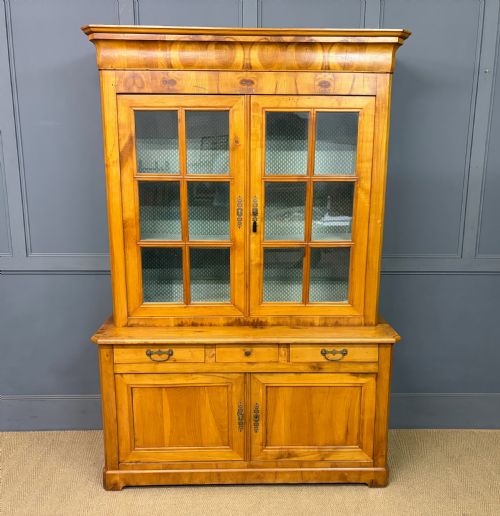
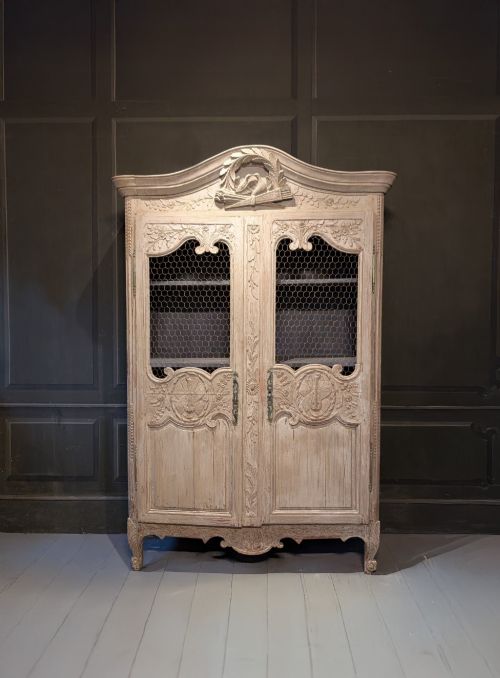
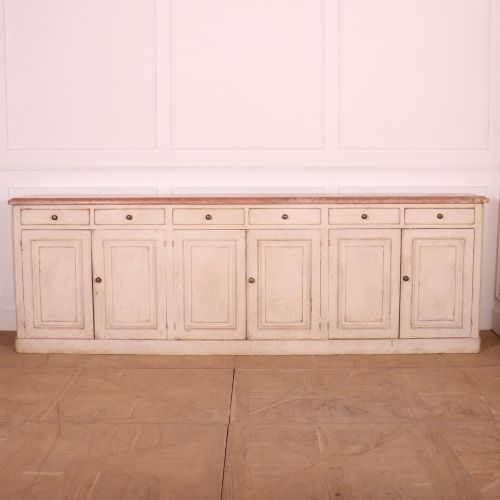
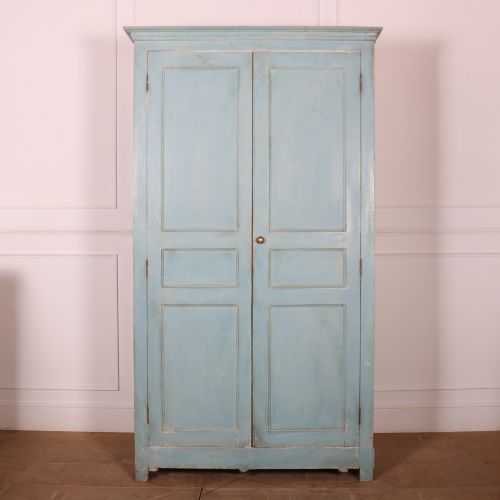
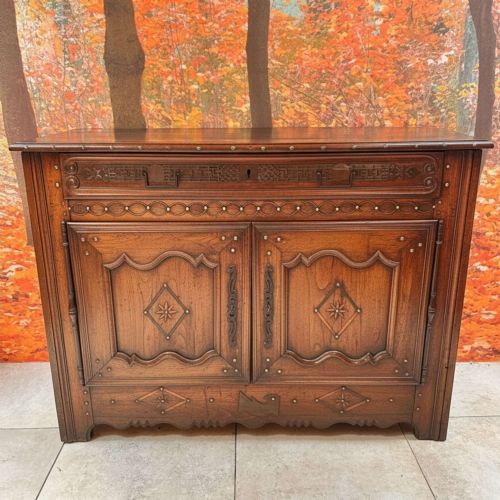
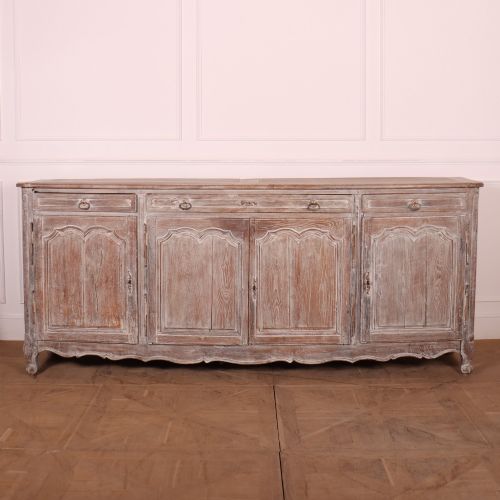
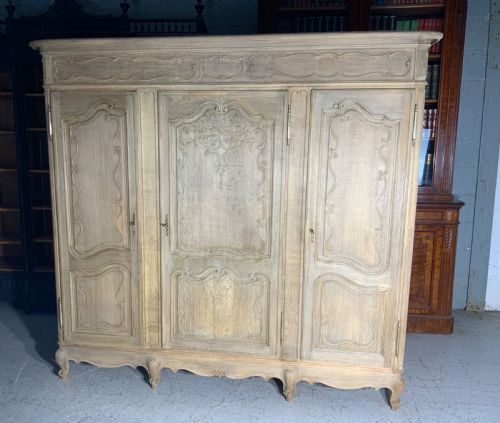
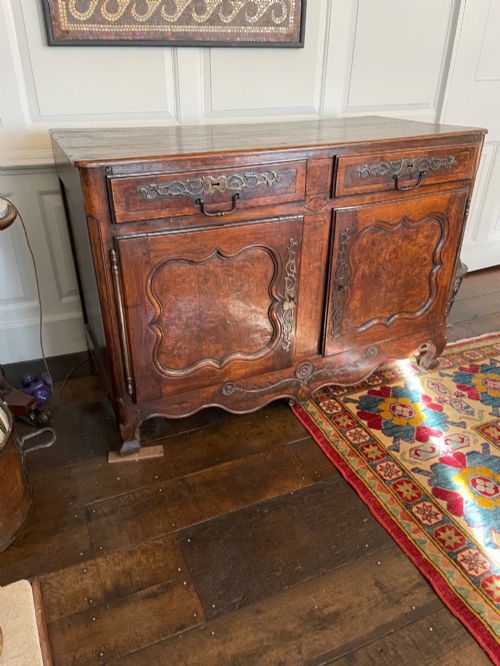
French country doors appear on robust storage furniture designed for regional homes across the countryside. You are looking at large sideboards, enfilades, armoires, wardrobes and cupboards built to house provisions, linens and household goods.
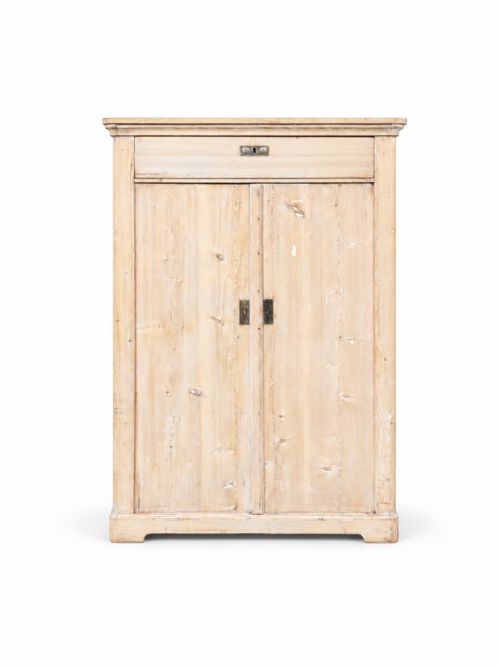
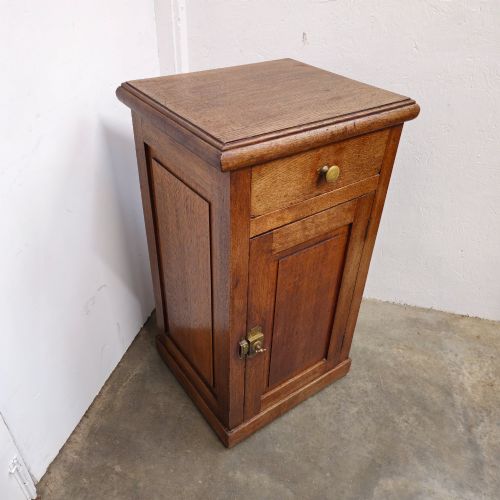
The pieces on this page emerge from several periods, spanning the eighteenth, nineteenth and early twentieth centuries. Pine, oak and cherrywood dominate the selection, often shaped with panelled doors and provincial mouldings.
Regional variations include mountain cupboards, bleached oak armoires and painted pine storage units. Each piece reflects the utility and vernacular style of its local workshop origin.
How they were made
Local cabinetmakers constructed these doors and carcases from solid regional timbers such as oak, pine, cherrywood and walnut. Iron and brass hardware, including hinges and locks, secured the heavy timber doors during daily domestic use.
Surface finishes range from natural waxed grain and bleached wood to original painted schemes. Some formal pieces incorporate marble tops or glass panes, while vernacular cupboards rely entirely on solid timber construction.
French Country Doors Retail Price Guide 2026
Typical asking prices for french country doors among the pieces listed under this phrase on Sellingantiques today, from the lower quarter to the upper quarter. They describe what is for sale here now, not the wider market.
Listings feature eighteenth and nineteenth-century pieces alongside early twentieth-century examples, constructed mainly in oak, pine, cherrywood and walnut.
What varies in quality
Quality rests upon the selection of timber and the structural integrity of the timber frame. Heavy hardwoods like oak and cherrywood provide lasting stability compared to softer pine alternatives.
The refinement of carving and joinery distinguishes simpler vernacular items from pieces influenced by urban styles like Louis XVI or Directoire. Original hardware and undisturbed surface paint also elevate the character of a piece.
The French Country Doors Glossary
- Enfilade
- A long sideboard or buffet featuring multiple doors in a continuous line. These pieces typically stand in dining rooms or large kitchens.
- Armoire
- A large freestanding wardrobe used originally for storing clothes and linens. They often feature two or three panelled doors enclosing deep shelving.
- Housekeeper cupboard
- A tall storage piece designed for domestic supplies and provisions. They combine cupboards and sometimes drawers within a single tall framework.
- Provincial
- A term denoting items made in the regions outside major urban centres. These pieces adapt high-style designs using local materials and traditional methods.
French Country Doors: Frequently Asked Questions
What is an enfilade?
An enfilade is a long low storage unit fitted with multiple doors along the front. They served primarily in provincial dining spaces for holding serving dishes and dining provisions.
Their elongated proportions provide substantial surface area on top alongside deep interior shelving.
How do I date a pine cupboard?
Dating involves examining the construction methods, timber thickness and tool marks visible on the interior boards. Older pieces often display hand-sawn timber and traditional pegged joinery.
Surface patination and the type of hinges or locks also offer clues to the period of manufacture.
Are these pieces made of solid wood?
Provincial furniture from these periods relies almost entirely on solid timbers like oak, pine, cherrywood and walnut. Cabinetmakers selected local woods suited to regional workshop traditions.
Solid construction ensures the doors and frames withstand heavy daily use over centuries.
Where were these pieces used?
These storage pieces originated in farmhouses, chateaux and provincial homes across France. They housed food provisions in kitchens, linens in bedrooms and books in studies.
Their sturdy build reflected the practical domestic needs of rural households.