


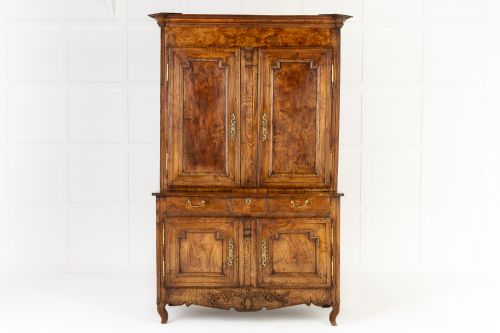


French Country Armoire Cabinet
A french country armoire cabinet brings tangible rural history into a room, offering generous storage through robust timber construction shaped by provincial makers.
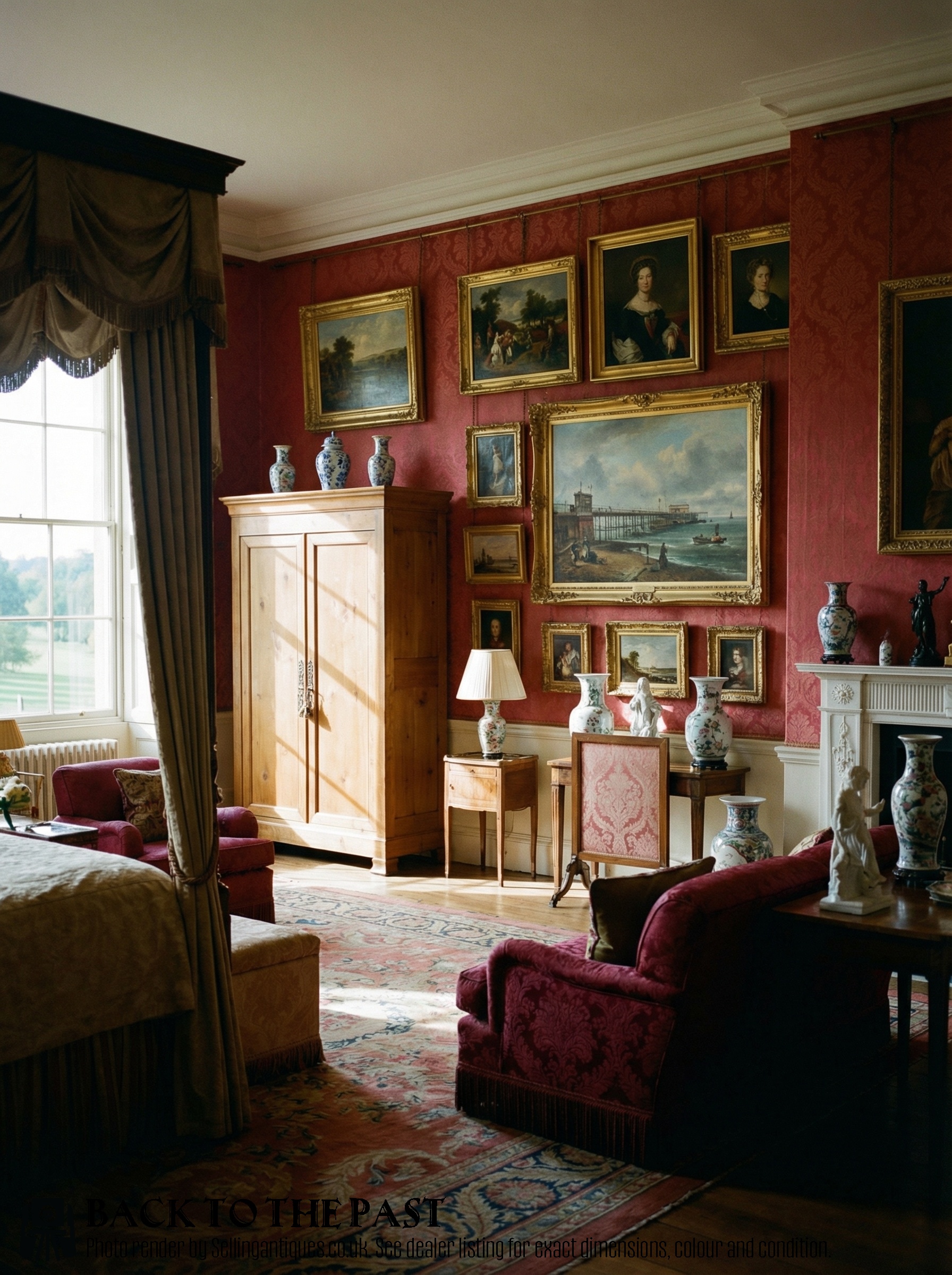
French Country Armoire Cabinet
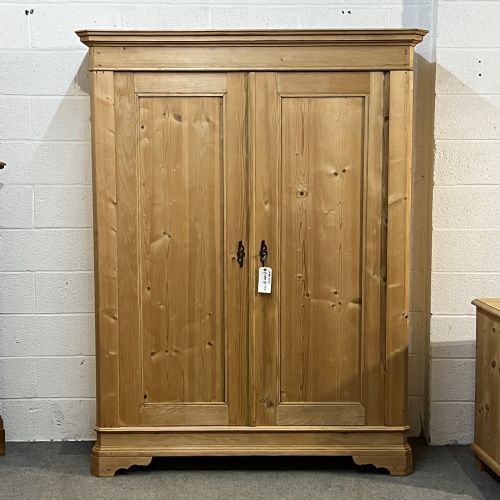
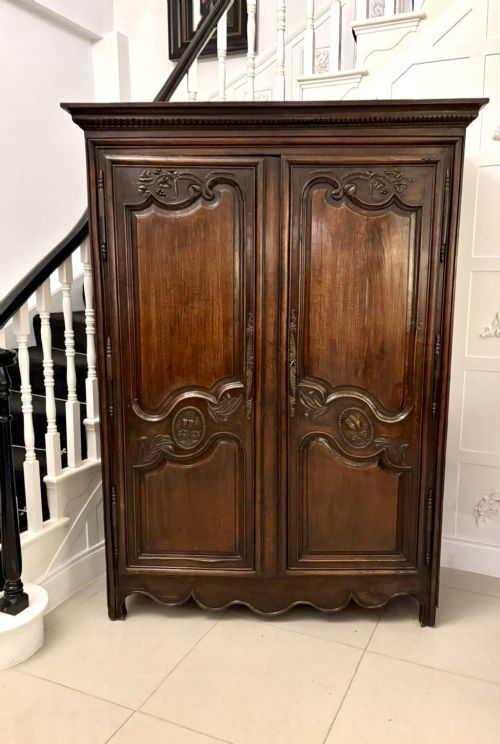
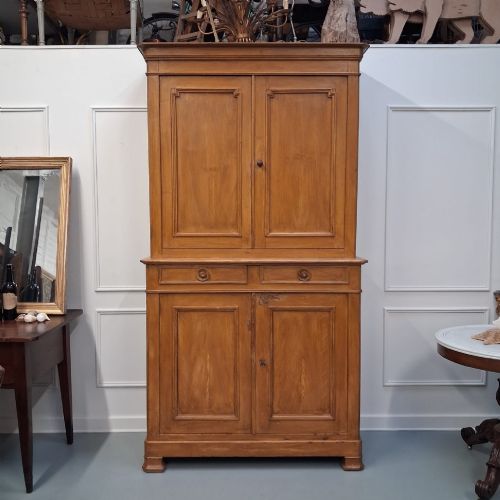
A french country armoire cabinet is a substantial storage piece originating from provincial European workshops, taking forms such as expansive wardrobes, food cupboards, and towering two-part buffets. These pieces emerge primarily from the seventeenth, eighteenth, and nineteenth centuries, reflecting the domestic needs of rural households.
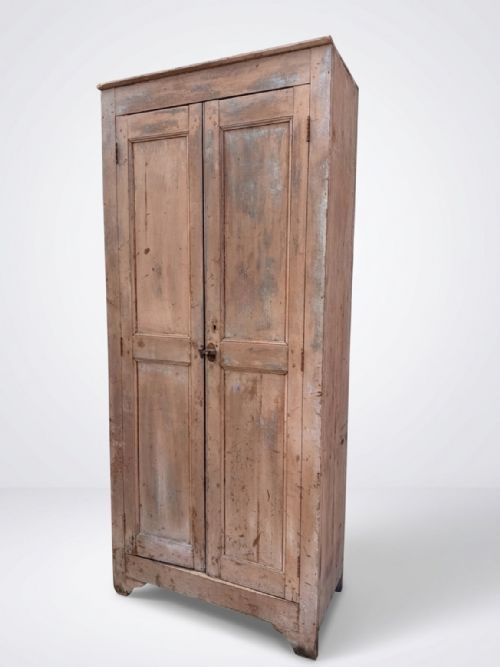
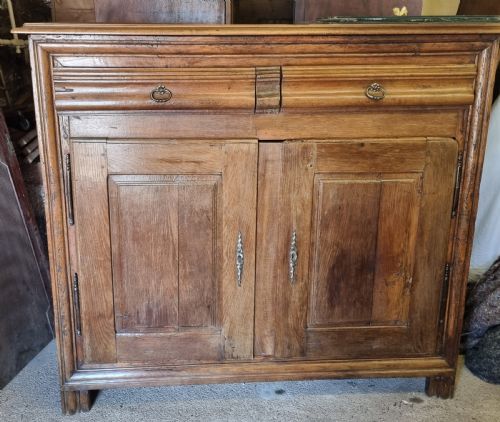
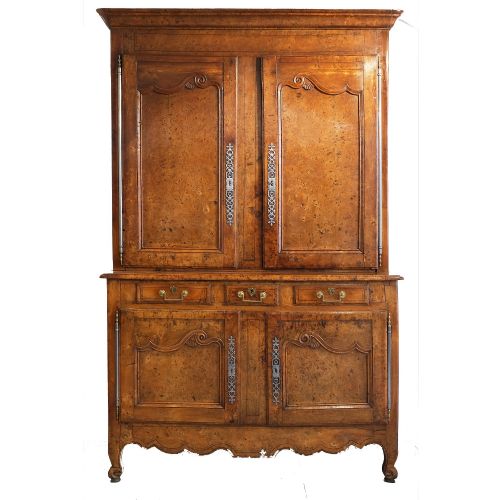
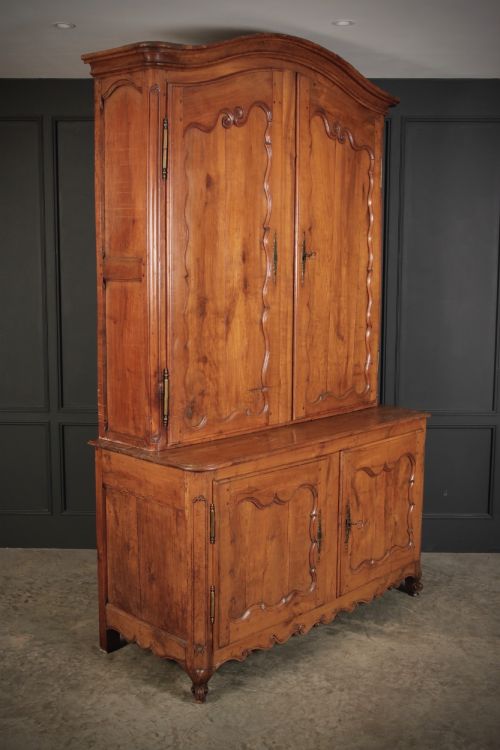
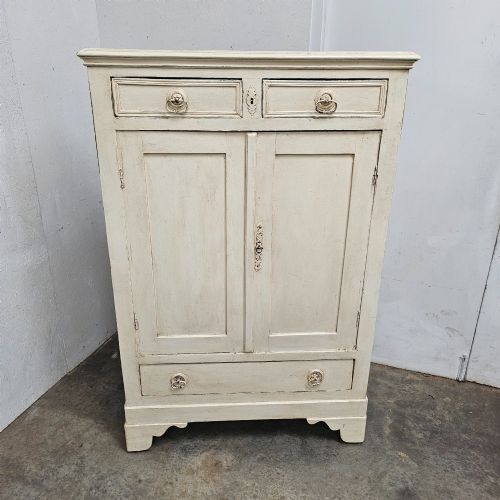
The selections encountered here range from tall oak food cupboards and painted pine linen presses to cherrywood armoires and closed bed fronts adapted from Brittany. Regional variations reveal distinct local preferences, moving from mountain cupboards to structured library bookcases.
Buyers seeking this phrase most frequently meet nineteenth-century pine and oak pieces alongside eighteenth-century regional examples. The form serves modern interiors by providing deep shelving and hanging space behind heavy timber doors.
How they were made
Carpenters constructed these cabinets using regional hardwoods and softwoods including oak, pine, ash, elm, cherry, and walnut, often joining panels with traditional pegged mortise and tenon joints to withstand seasonal movement. Surfaces frequently display visible grain, hand-planed textures, and applied mouldings.
Many examples feature applied paint finishes, ranging from pale greys to historic layers, while hardware relies on forged iron hinges and brass mounts. Certain forms incorporate glass doors or carved decorative panels executed by local tradesmen.
Several cabinets began life as enclosed sleeping quarters in Brittany before finding new purpose as hallway storage.
What varies in quality
Quality rests in the integrity of the timber selection and the proportional balance of the cabinetry, where dense heartwood and carefully matched boards distinguish superior work. The crispness of hand-carved detailing and the retention of original surface treatments also separate standard utilitarian items from finer regional pieces.
Construction methods reveal the standard of production, noted in the weight of the doors, the depth of the panelling, and the survival of original iron or brass hardware. Pieces that retain their structural soundness without heavy timber replacement sit at the higher end of the range.
The French Country Armoire Cabinet Glossary
- Armoire
- A large wardrobe or cupboard used primarily for storing clothes and textiles. These pieces often feature double doors enclosing hanging space or adjustable shelving.
- Buffet deux corps
- A large two-part cupboard or sideboard stacked vertically, featuring a smaller upper cabinet resting upon a deeper lower section. This form served traditionally for storing household provisions and tableware.
- Lit-clos
- An enclosed or built-in bed from the Brittany region, the fronts of which were sometimes adapted into cabinets or cupboards. This vernacular form showcases distinctive regional woodworking.
- Provincial
- Pertaining to regions outside the capital city, where local cabinetmakers utilised native timbers and traditional motifs. These objects display practical rural design distinct from urban court furniture.
- Housekeeper's cupboard
- A tall storage cabinet designed for linens, dry goods, and household utensils. They typically combine enclosed upper shelving with lower cupboards or drawers.
French Country Armoire Cabinet: Frequently Asked Questions
What is a french country armoire cabinet used for?
These cabinets provide substantial storage for clothing, linens, and books within deep interior shelving or hanging compartments. Their robust proportions allow them to anchor large living spaces or bedrooms.
Historically, similar pieces stored food, tableware, and textiles in rural households. Today, they function well as wardrobes or general storage furniture.
How do I date an antique armoire?
Dating relies on observing construction marks, timber types, and regional styles. Hand-cut joinery, forged iron hinges, and native hardwoods like oak and cherry often point to earlier centuries.
Later nineteenth-century examples frequently utilise pine or pitch pine with machine-sawn elements. Examining the backboards and interior construction clarifies the manufacturing period.
Are painted finishes original on these cabinets?
Many pieces carry historic painted surfaces that developed or were applied regionally over decades. Original or early paint layers often display natural wear and mellowed patination.
Some cabinets received later decorative treatments to suit domestic fashions. Inspecting the edges and surface buildup helps determine the age of the paint.
Will an armoire fit through standard doorways?
Many traditional armoires and two-part cupboards dismantle partially or separate into upper and lower sections to aid transport. Measuring the ceiling height and doorway clearance before purchase is essential.
Consulting the specific dimensions listed for each cabinet ensures safe placement within a room. Professional delivery teams familiar with antique furniture handle disassembly when required.