
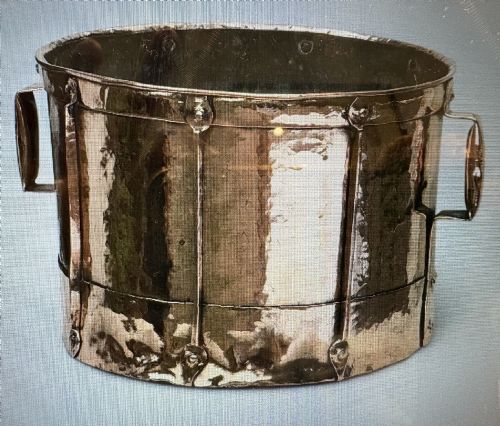


French Copper Vessel
A French copper vessel brings warmth and honest craftsmanship into a room, spanning rustic farm cookware to decorative chased urns.
French Copper Vessel
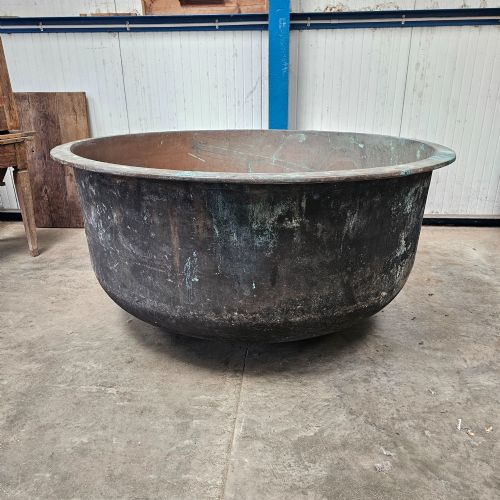
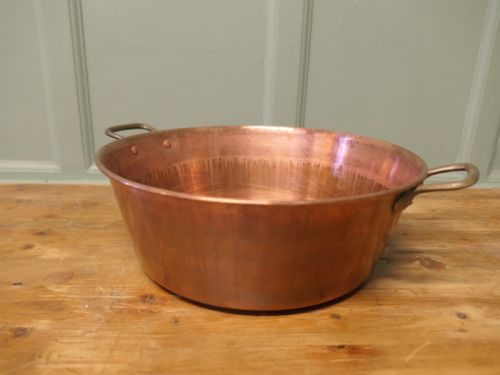
When you search for a french copper vessel, you encounter a range of functional and decorative items forged across the nineteenth and early twentieth centuries. These pieces originate from French workshops, encompassing utilitarian kitchenware such as jam pans, cheese vats, and grain measures.
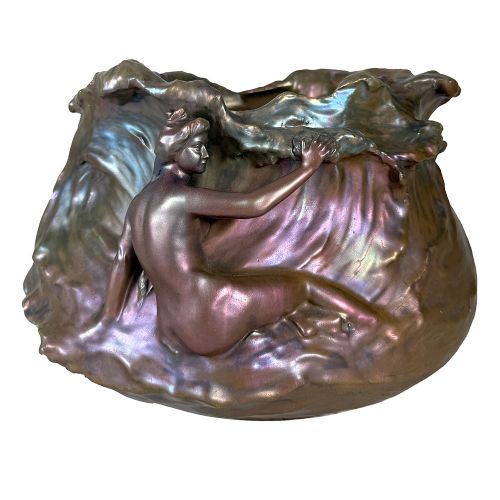
Nineteenth-century examples dominate the offerings, often reflecting French country and provincial aesthetics. Collectors frequently meet substantial preserving pans and grain measures alongside sculptural planters finished with floral decoration.
How they were made
Makers shaped these objects primarily from sheet copper, frequently combining iron for handles, swing bails, and structural reinforcement. Brass components appear on decorative elements like urn mounts, while interior tin linings protected cooking vessels from reactive foodstuffs.
Surface techniques varied widely between utilitarian items and decorative art pieces. Simpler pans show the honest hammer marks of country smiths, whereas sophisticated vases and planters utilise repoussé work and chased floral decoration to texture the metal.
Several heavy cheese vats survive from Franche-Comte, having traded dairy production for a peaceful retirement holding logs.
What varies in quality
Quality reveals itself in the weight of the metal and the integrity of the construction rather than surface gleam. Heavy gauge copper retains its structural rigidity over centuries of use, whereas thinner metal panels buckle under pressure.
Artistic execution separates simple kitchen gear from fine decorative items. The precision of repoussé detailing, the clean lines of dinanderie work, and the harmonious integration of brass and iron fittings distinguish the superior objects.
The French Copper Vessel Glossary
- Ferrat
- A traditional French measure or vessel form, often associated with grain storage or handling. These cylindrical metal containers display robust proportions.
- Repoussé
- A metalworking technique where the artisan hammers the metal from the reverse side to form a raised design in relief. This creates tactile, three-dimensional surface decoration.
- Dinanderie
- A broad term for European worked brass and copper objects, particularly decorative vessels produced during the Art Deco era. The method involves beating and patinating base metals.
- Jam Pan
- A wide, open preserving vessel with sloping sides designed for fruit reduction. These utilitarian kitchen pans usually feature strong iron handles for lifting.
French Copper Vessel: Frequently Asked Questions
What were French copper vessels used for?
These vessels served demanding practical roles in French homes, dairies, and agricultural settings. Items like cheese vats, preserving pans, and grain measures handled heavy daily labour.
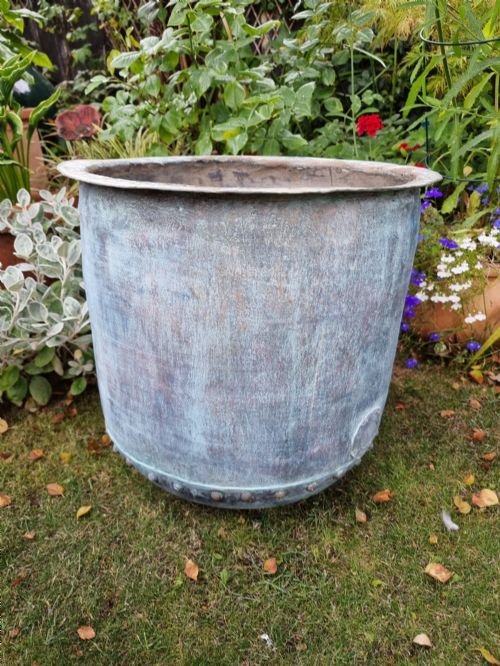
Other forms, such as cauldrons and garden pots, managed outdoor and hearth duties before transitioning into decorative roles within interiors.
How do I date a copper vessel?
Dating relies on observing construction methods, material combinations, and stylistic markers across different eras. Nineteenth-century pieces often display heavy hand-hammered seams and iron drop handles.
Later items from the twentieth century lean towards Art Nouveau or Art Deco aesthetics, featuring stylistic motifs like repoussé floral patterns and dinanderie finishes.
How do I clean old copper?
Preserving the natural patina is generally preferred over aggressive polishing to maintain the historic character of the metal. Gentle cleaning removes harmful dirt without stripping the aged surface texture.
Avoid harsh chemical dips that flatten the subtle variations built up over generations of handling and exposure.
Can I use antique copper for cooking?
Most antique copper vessels require professional re-tinning on the interior before food contact is safe. Historic cooking pots often lost their protective linings through centuries of wear.
Many collectors choose to display these pieces as decorative items or planters rather than returning them to kitchen service.