

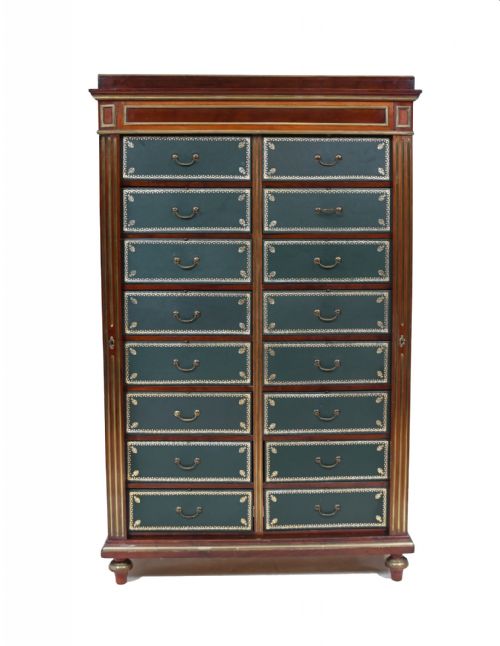


French Collector Cabinet
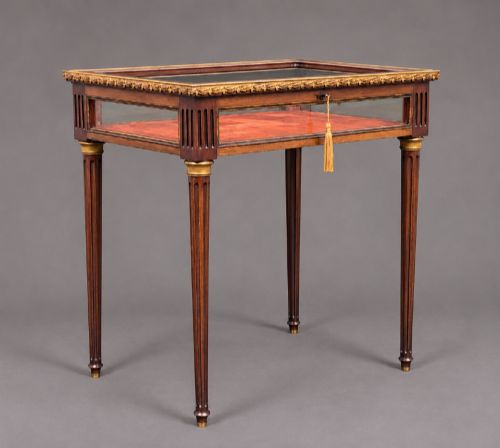
These french collector cabinet pieces are glass-topped display tables and vitrines designed to show small treasures, bringing period elegance to any interior.
French Collector Cabinet
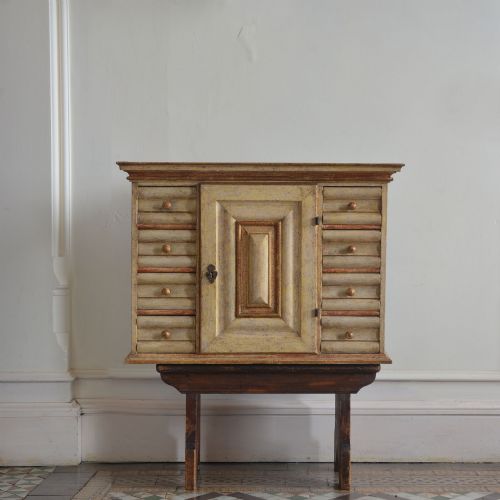
When you search for a french collector cabinet, you are looking at specialised display furniture designed to showcase small treasures, medals, and curiosities. These pieces include bijouterie tables, vitrines, and cartonnier filing cabinets dating from the eighteenth century through to the early twentieth century.
Materials and construction
Cabinet makers utilised dense hardwoods such as mahogany and kingwood as the primary structural frames, frequently applying intricate marquetry veneers and brass mounts. Ormolu accents and glazed panels were standard additions designed to enhance the visual appeal of these display cases.
Interiors were often lined with velvet, fabric, or leather to provide a soft resting surface for delicate items. French polishing techniques created a smooth, glossy finish on the wood surfaces of tables and cabinets alike.
French Collector Cabinet Retail Price Guide 2026
Typical asking prices for french collector cabinet among the pieces listed under this phrase on Sellingantiques today, from the lower quarter to the upper quarter. They describe what is for sale here now, not the wider market.
Listings span the eighteenth, nineteenth, and early twentieth centuries, featuring revival styles such as Louis XVI and French Rococo.
Judging quality and craftsmanship
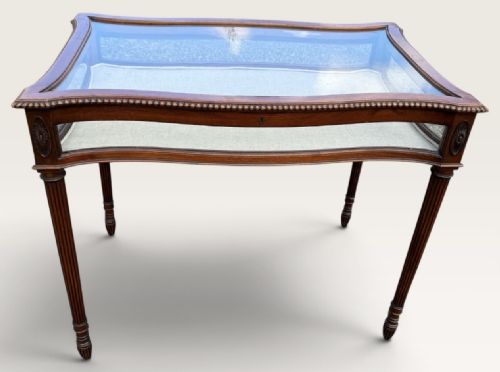
The distinction between standard and superior pieces rests on the precision of the marquetry inlay and the weight of the brass or ormolu mounts. Finer examples display meticulous joinery, particularly around serpentine shapes and complex curves.
The choice of secondary timbers and the quality of the glass panels also signal higher standards of production. Tables featuring well-preserved fabric or leather inserts and original hardware stand apart from later replacements.
The French Collector Cabinet Glossary
- Bijouterie table
- A glass-topped display table specifically designed for showing jewellery, medals, and small decorative items. These tables usually feature hinged or lift-off lids.
- Vitrine
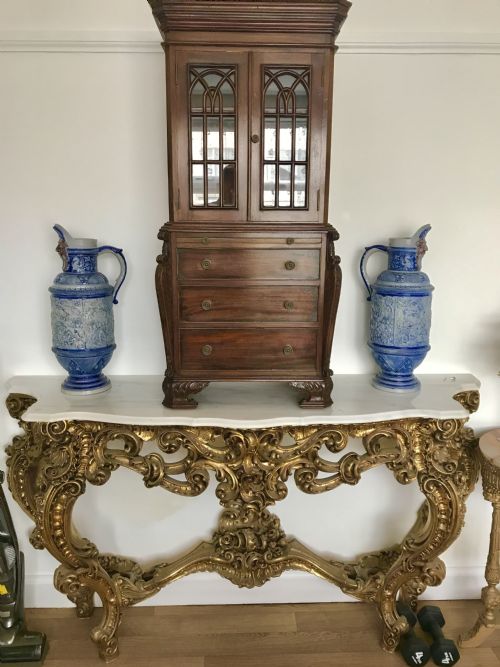
- An enclosed glass display cabinet used for holding porcelain, glassware, and curiosities. They range from tabletop models to large floor-standing furniture pieces.
- Cartonnier
- A desktop or freestanding cabinet fitted with multiple tiers of pigeonholes or shallow drawers for holding papers and documents. They frequently appear in mahogany finishes.
- Kingwood
- A dense, richly figured exotic wood prized for its use in fine cabinet-making and marquetry. It appears on various French revival display tables and cabinets.
- Ormolu
- Gilded bronze mounts and decorative elements applied to the corners and frames of furniture. This technique adds metallic contrast to dark timber surfaces.
French Collector Cabinet: Frequently Asked Questions
What is a french collector cabinet used for?
These cabinets and tables serve to exhibit small collections of precious items, coins, medals, and curiosities while protecting them from dust.
The glazed tops and glass sides allow viewers to examine objects from multiple angles without handling them directly.
How do I clean the interior lining?
The velvet, fabric, or leather linings require gentle maintenance using soft, dry brushing to remove dust.
Avoid liquid cleaners entirely, as moisture can damage both the delicate textiles and the surrounding timber framework.
Where should I place a bijouterie table?
Position these display tables away from direct sunlight to prevent the fading of internal velvet linings and wood veneers.
Placed in a drawing room or study, they function well as central display pieces that invite close inspection.
How do I identify a revival style?
Revival pieces incorporate decorative motifs and structural forms borrowed from earlier French royal periods like Louis XVI or Rococo.
Maker techniques and timber ageing help distinguish nineteenth-century interpretations from eighteenth-century originals.