




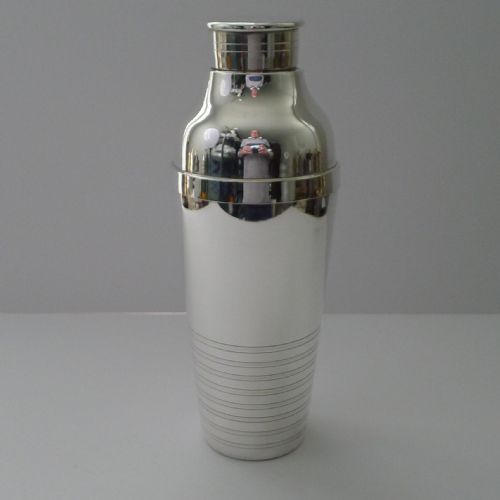


French Cocktail Mixer
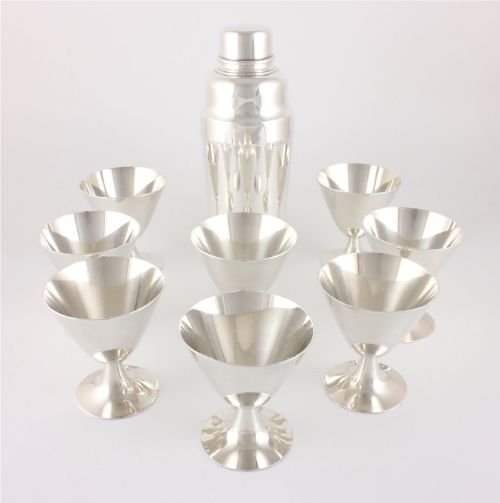
These French cocktail mixer pieces bring true Art Deco and Mid-Century style to any home bar with silver plate and crackle glass.
French Cocktail Mixer
A French cocktail mixer brings together barware forms spanning the 1930, 1940, and 1960 periods. These include cocktail shakers, pitchers, and jugs designed for mixing drinks.
Most examples found on this page lean heavily into the Art Deco and Modernist styles, with silver plate and crackle glass forming the core of the selection.
Materials and construction
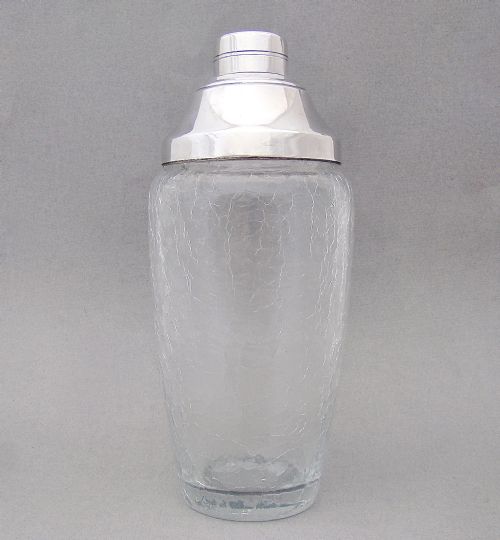
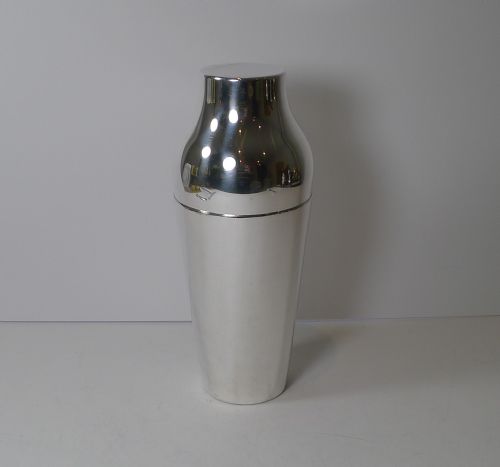
The primary material seen across these items is silver plate applied over metal bases, giving a polished metallic finish. Crackle glass also appears in combination with silver plating for textured visual contrast.
Makers utilised engine turned decoration to pattern the metal surfaces of the shakers. Two part designs allow the vessels to separate cleanly during use.
French Cocktail Mixer Retail Price Guide 2026
Typical asking prices for french cocktail mixer among the pieces listed under this phrase on Sellingantiques today, from the lower quarter to the upper quarter. They describe what is for sale here now, not the wider market.
Materials recorded include silver plate, metal, and crackle glass.
Judging quality in French barware
Quality rests in the precision of the metalwork, particularly where engine turned patterns are crisply executed across the body. The integration of crackle glass with silver plate requires careful balance.
Attribution to noted workshops elevates certain pieces, as seen in items bearing specific Parisian maker marks. The purity of the Art Deco or Modernist lines dictates the aesthetic success of each vessel.
St Medard Paris·Orfèvrerie Christofle·Lino Sabattini·Christofle Gallia
The French Cocktail Mixer Glossary
- Silver Plate
- A thin layer of silver bonded to a base metal object. This technique provides the appearance of solid silver while keeping the vessel practical for bar use.
- Crackle Glass
- Glass intentionally fractured during manufacture to create a web of internal cracks. It is often paired with metal mounts on cocktail shakers.
- Art Deco
- A design style characterised by sleek geometric shapes and streamlined forms. It dominates the 1930 pieces in this collection.
- Engine Turned
- A decorative technique involving precise geometric patterns mechanically engraved into metal. It adds texture to the exterior of the shakers.
- Modernist
- A style focusing on minimalism and functional forms. It defines the later 1960 pieces on this page.
French Cocktail Mixer: Frequently Asked Questions
What periods do these mixers come from?
The pieces span the 1930, 1940, and 1960 periods, capturing both Art Deco and Mid-Century Modern design movements.
Most items date from the 1930 Art Deco era, featuring silver plate and crackle glass construction.
How were these cocktail vessels used?
These pieces functioned as cocktail shakers, pitchers, and jugs for preparing mixed drinks in French homes and bars.
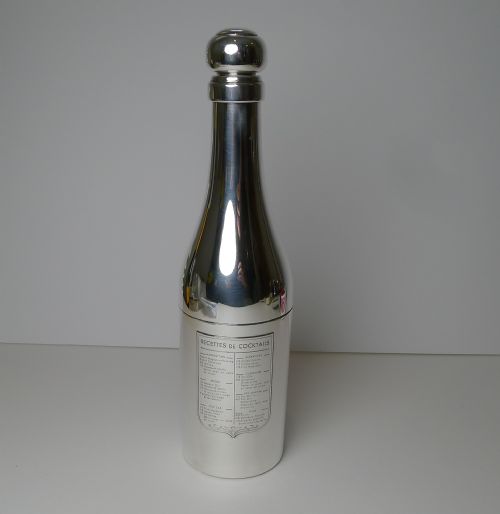
Certain shakers incorporate specific functional elements like lemon reamers or champagne bottle recipe markings.
What materials make up these shakers?
Silver plate over metal is the predominant material used across the selection of barware on this page.
Crackle glass also appears combined with metal to create textured bodies for the cocktail shakers.
How do Art Deco and Modernist shakers differ?
Art Deco pieces from the 1930 and 1940 periods often feature decorative engine turned surfaces and combination materials like crackle glass.
Modernist examples from the 1960 lean towards clean two-part metal constructions and streamlined jug forms.