


French Coat Pegs
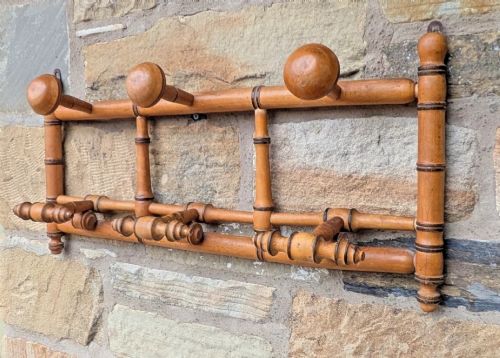
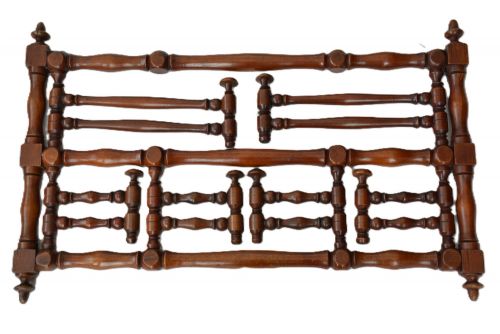
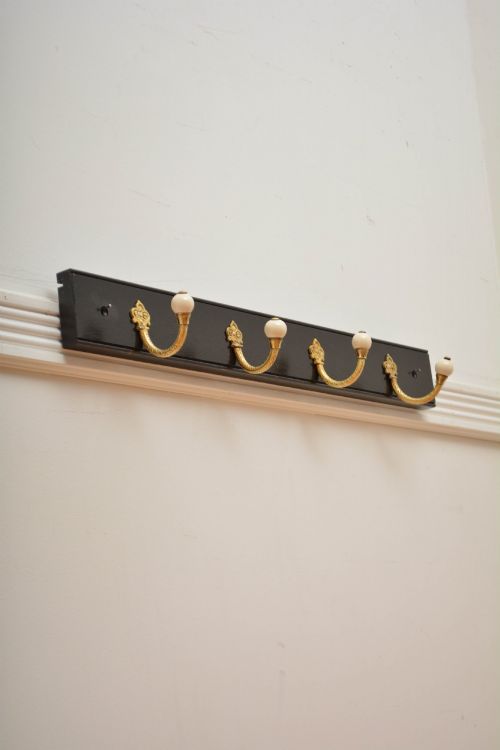
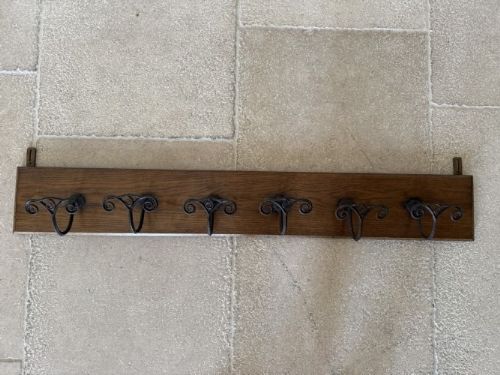
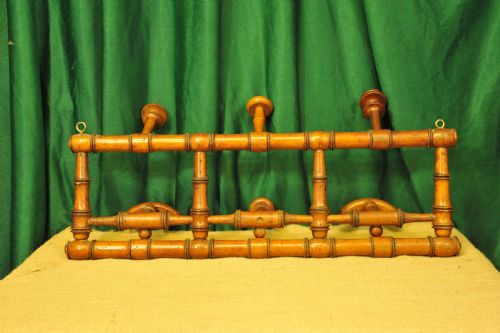
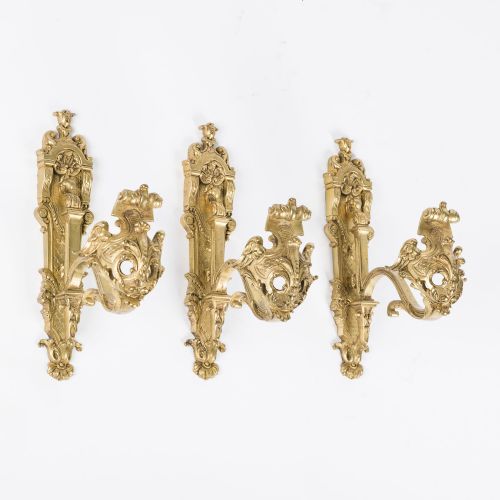
These French coat pegs are sturdy and decorative wall fixtures designed to hold garments, appearing here in brass, iron, bronze and turned wood.
French Coat Pegs
When you search for french coat pegs, you encounter wall-mounted brass hooks, iron hat and coat racks, and mounted horn or turned wood fixtures. These pieces originate from the nineteenth and early twentieth centuries, spanning periods like the Victorian era, Art Deco, and French Provincial styles.
Object types range from single wall hooks and trios of chased brass to substantial hall stands and coat racks with integrated hat trees. French Country and French Chateau aesthetics frequently inform the decorative character of these functional hallway items.
How they were made
Maker techniques rely heavily on cast bronze and brass, often featuring chased detailing and porcelain or ceramic knobs. Wrought iron and gilt brass provide robust structures for racks designed to support heavier garments and hats.
Mounted animal horn hooks offer a distinctly rustic alternative to standard brass and iron.
What varies in quality
Quality reveals itself in the weight of the metal and the crispness of the casting on mounting plates and hooks. Finer examples display carefully chased brass surfaces, substantial bronze construction, and securely integrated ceramic or porcelain elements.
The integrity of the wooden backboards, whether oak, turned timber, or faux bamboo, distinguishes superior pieces. Better examples retain their original mounting hardware and structural solidity without compromise to the wall-fixing points.
The French Coat Pegs Glossary
- Faux Bamboo
- A decorative wood-turning technique that mimics the segmented stalks of natural bamboo. This style gained popularity during the nineteenth century across French furniture and accessories.
- Chased Brass
- Brass that has been ornamented by indenting or hammering the surface with hand tools to create raised designs. This technique adds texture and pattern to individual coat hooks.
- Ebonised Wood
- Timber treated with a chemical stain or finish to imitate expensive ebony wood. It provides a dark, uniform surface frequently paired with contrasting brass hardware.
- Hat Tree
- A structural extension above coat hooks designed specifically for resting hats and caps. These multi-tiered racks often combine wall-mounted brackets with shelving.
- Wrought Iron
- Iron shaped through heating and hammering by a blacksmith to create durable structural frameworks. Art Deco coat racks frequently utilise this material for geometric strength.
French Coat Pegs: Frequently Asked Questions
How are wall mounted coat racks installed?
These racks attach directly to walls using the pre-cast holes in their metal mounting plates or through screw-holes in the wooden backboards. Ensure the fixings match your wall type to support the weight of garments.
Most antique pieces require sturdy wall plugs or direct fixing into wooden studs for secure placement in hallways or boot rooms.
What periods do these coat pegs come from?
The pieces span from the late nineteenth century through the Art Deco period of the 1920s and 1930s. Victorian and French Provincial styles dominate the earlier nineteenth-century examples.
Construction details and material combinations help indicate the specific era of manufacture for each rack or hook.
Can these hold heavy winter coats?
Solid bronze, cast brass, and wrought iron variants provide exceptional strength suitable for heavy overcoats and multiple garments. Lighter gilt brass or porcelain-knobbed trios suit medium-weight items.
Check the robustness of the mounting plate and the backboard structure before hanging exceptionally heavy items.
What materials are most common?
Brass, iron, and various woods form the primary materials across these listings. Bronze, cut glass, and mounted horn also appear frequently.
Wooden elements often feature oak or turned timber finished with ebonising or faux bamboo detailing.