
French Classic Ceiling Pendant
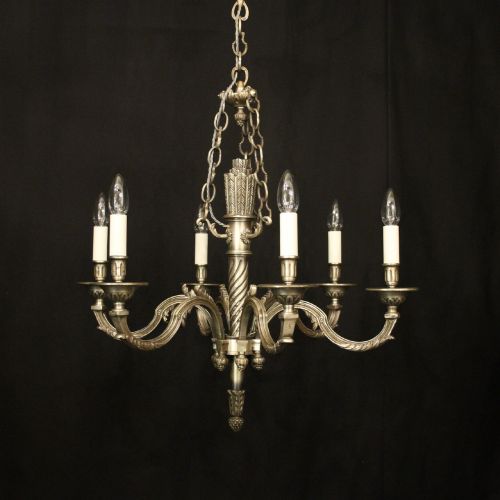
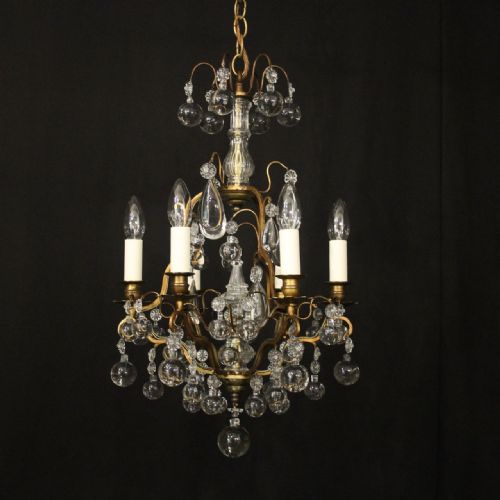
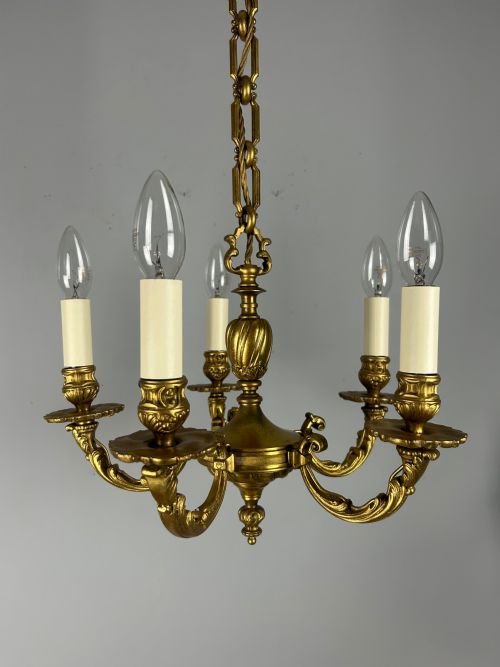
These French classic ceiling pendant pieces bring traditional illumination through structured brass, bronze and crystal arrangements.
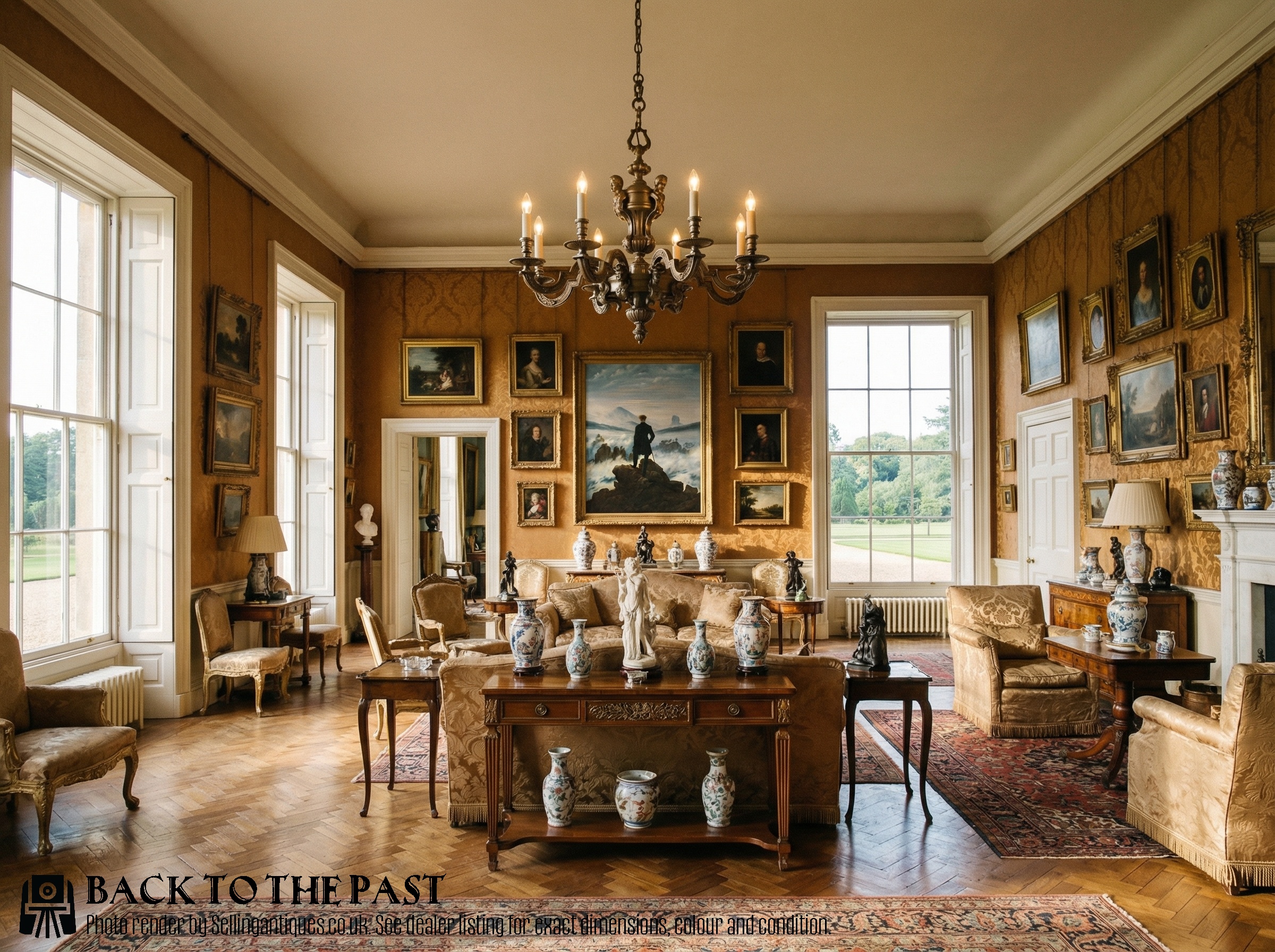
French Classic Ceiling Pendant
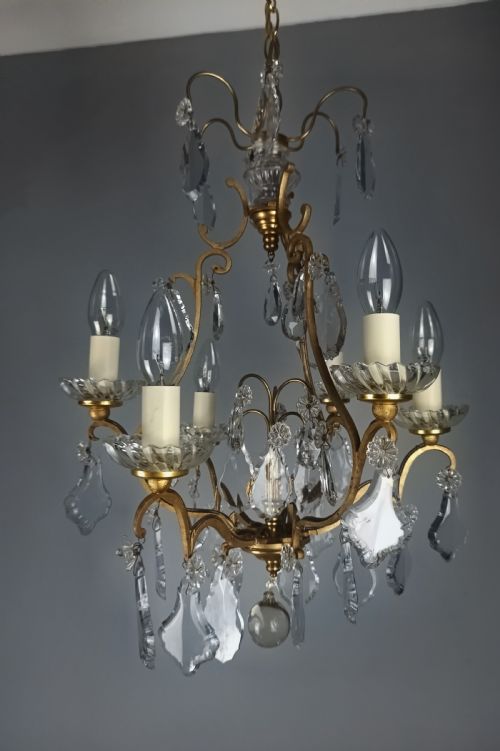
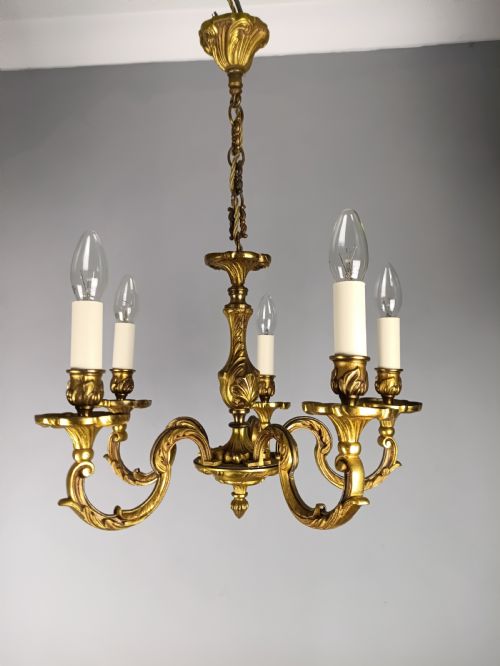
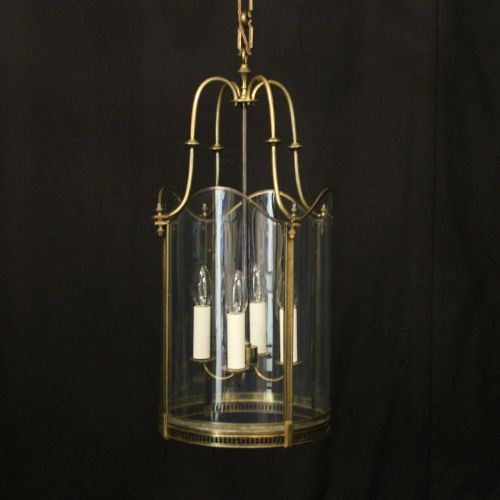
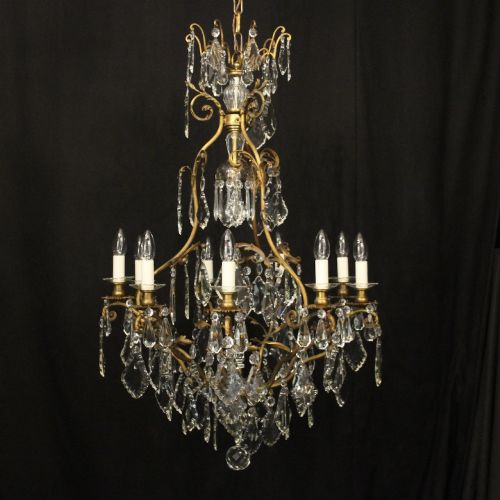
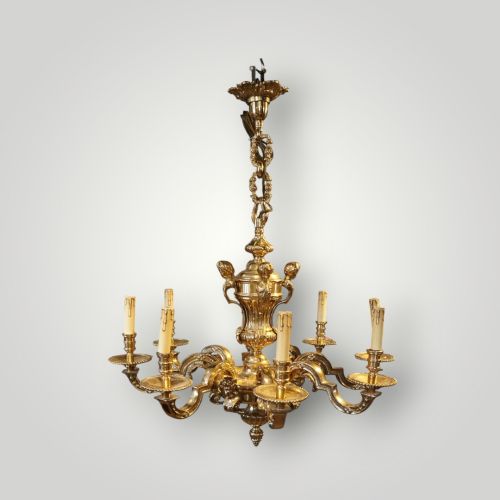
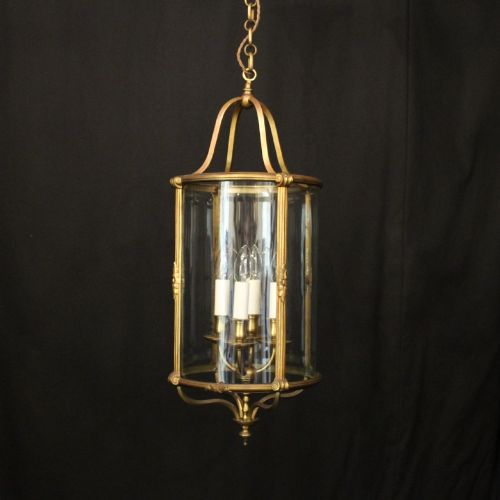
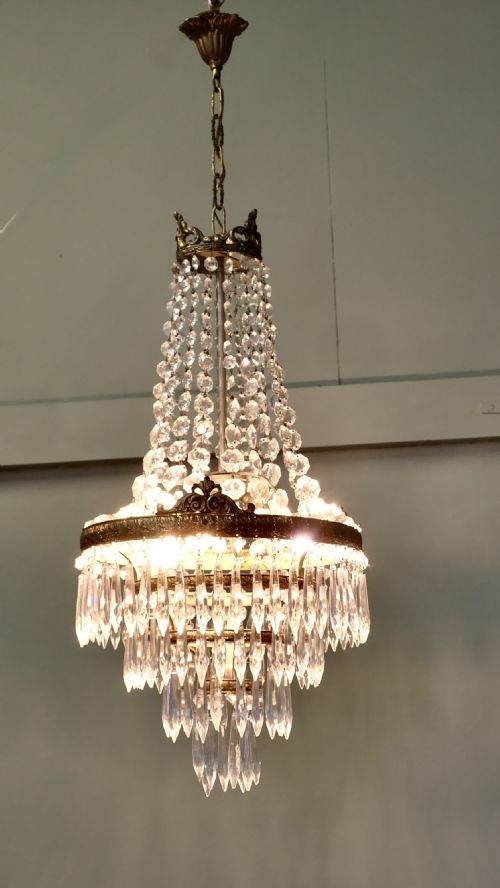
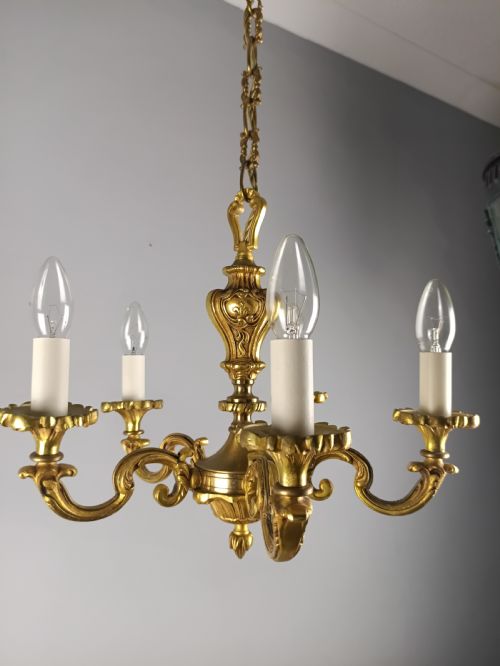
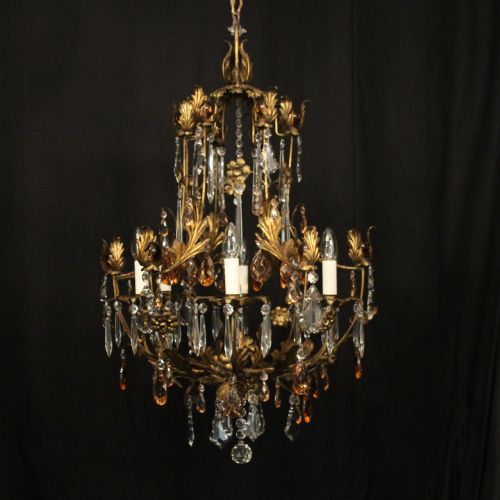
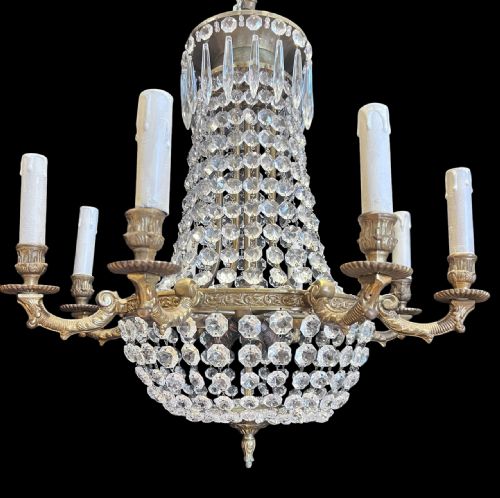
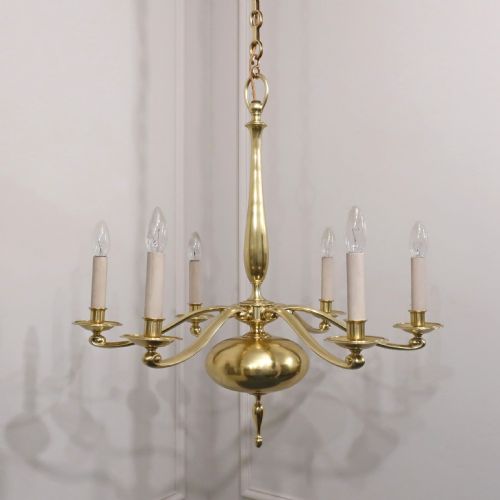
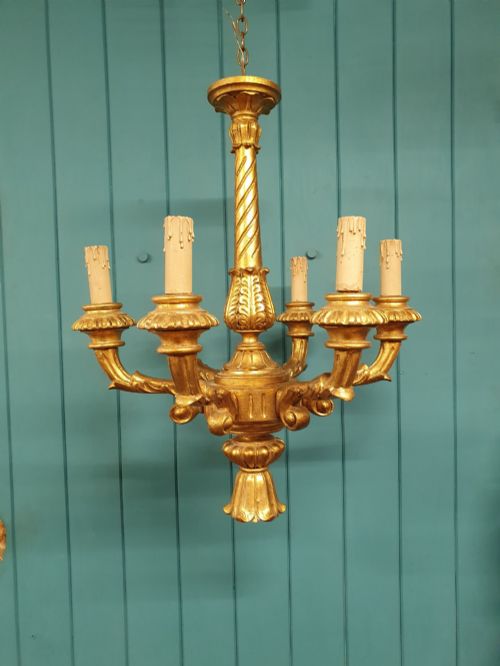
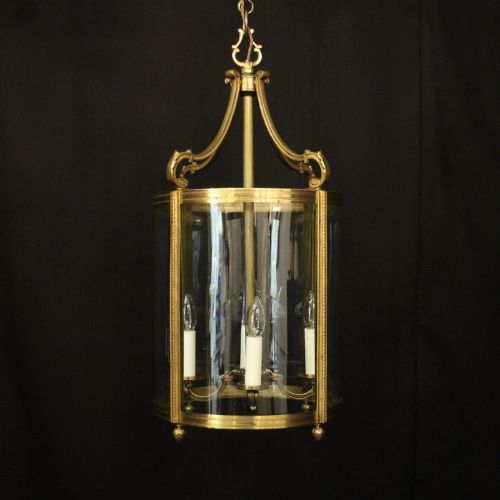
A french classic ceiling pendant encompasses several variations of overhead illumination, ranging from multi-armed chandeliers to hanging lanterns and bag tent fixtures. These fixtures emerge from periods spanning the eighteenth century through to the nineteen-thirties, reflecting diverse regional aesthetics.
The buyer meets multi-light chandeliers and enclosed hall lanterns most frequently on this page. These pieces generally incorporate brass, gilt bronze, or steel frameworks supporting glass drops and crystal prisms.
Materials and construction
Metalwork relies heavily on cast brass, gilt bronze, and plated steel to form the structural arms and hanging bands. Artisans shape these metals into intricate scrollwork and rigid frames designed to bear the weight of numerous light sources.
Glass and crystal components complement the metal structure through cut pendants, bead strings, and moulded bowls. These translucent elements disperse light across the room while defining the silhouette of each fixture.
Some hall lanterns use convex glass panes that gently warp reflections of the room like a tiny, polished spoon.
Quality variations in hanging fixtures
The refinement of the cast metal ornamentation dictates the visual standard of the piece, distinguishing finely chased bronze from simpler stamped brass. Heavier frames support more extensive crystal arrays without distortion.
The clarity and cut of the crystal prisms determine how effectively the light refracts through the room. Intricate hand-cut glass elements elevate the standard above standard pressed components.
G.E.C
The French Classic Ceiling Pendant Glossary
- Chandelier
- A branched decorative ceiling fixture designed to hold multiple electric lamps or candles. These units often feature central columns and tiered arm arrangements.
- Gilt Bronze
- Bronze metal coated with a thin layer of gold or gold-coloured alloy. This treatment provides a durable metallic finish that resists tarnishing over decades.
- Hall Lantern
- An enclosed hanging light fixture typically suspended in a vestibule or hallway. These pieces use glazed panels to protect the internal candle or bulb from drafts.
- Crystal
- High-lead glass cut with precision facets to maximise light refraction. This material produces distinct prismatic colour flashes when illuminated.
- Bag Chandelier
- A lighting form enclosed in a pear-shaped or bag-like net of glass beads. The lower section gathers closely beneath the central light cluster.
French Classic Ceiling Pendant: Frequently Asked Questions
What defines a french classic ceiling pendant?
These fixtures incorporate traditional European design elements such as cast bronze frames, crystal drops, and multi-armed candle branches. They originate from various historical periods and serve as primary room illumination.
Buyers select these lights for their formal proportions and historical material composition. Each piece reflects the decorative priorities of its specific period of manufacture.
How do I hang a heavy antique chandelier?
Installation requires securing the mounting bracket directly to structural ceiling joists rather than plaster alone. The weight of bronze and crystal components demands robust weight-bearing support.
Professional electrical installation ensures the wiring safely accommodates the total wattage of multiple arms. Proper chain suspension also allows the fixture to hang at the correct height above floor level.
How do I clean crystal drops safely?
Removal of individual crystal prisms allows for gentle washing in warm water with a mild detergent solution. Rinsing thoroughly prevents soapy residue from dulling the facets.
Leaving fragile elements attached while wiping requires a non-dripping glass cleaner applied with a soft cloth. This method prevents moisture from reaching vulnerable historic metal finishes.
How do I date an antique chandelier?
Dating relies on examining the casting methods, screw threads, and wiring channels integrated into the metal frame. Hand-cut crystals and specific metal patinations also indicate the era of production.
Stylistic cues such as neoclassical symmetry or art nouveau asymmetry align the piece with known historical periods. Comparing the arm count and decorative motifs clarifies the manufacturing decade.