






French Cherry Dining Table
A French cherry dining table brings warmth and practicality to a room through honey-toned fruitwood and sturdy provincial construction.
French Cherry Dining Table
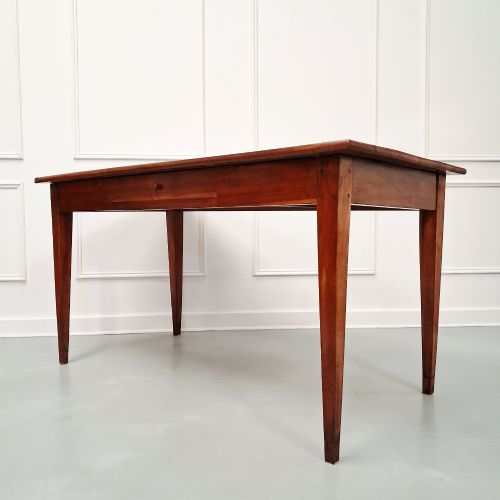
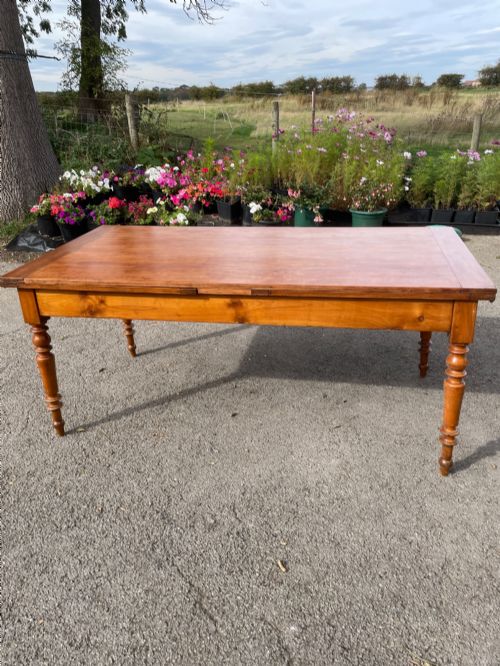
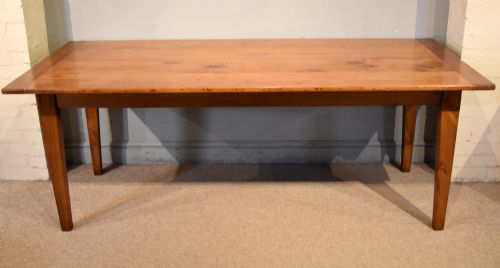
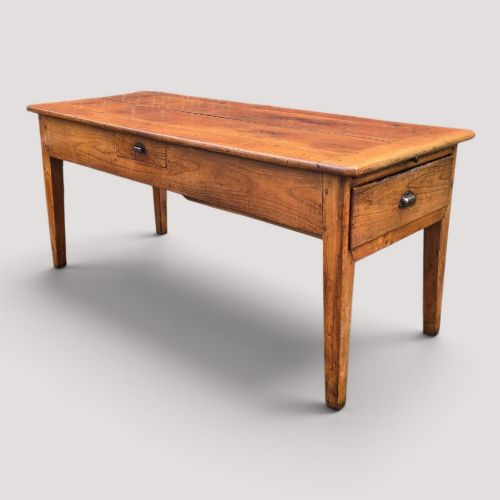
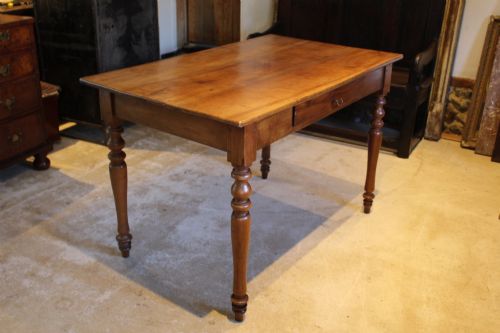
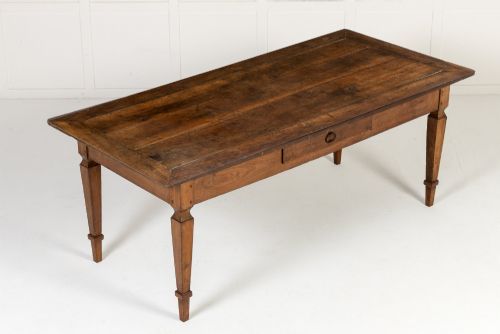
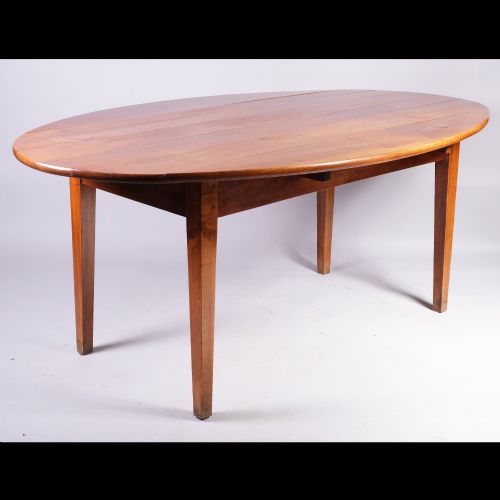
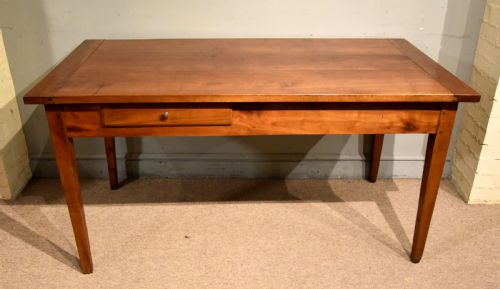
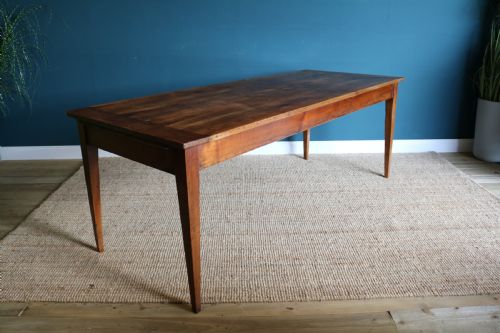
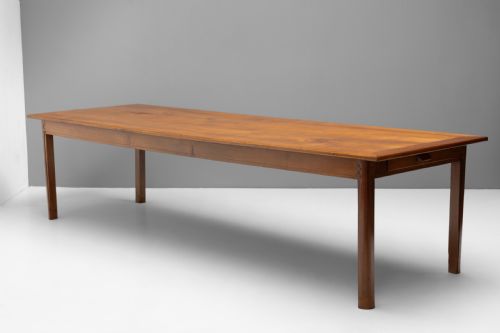
A French cherry dining table primarily appears in farmhouse and refectory formats, built for everyday use in rural kitchens and manors. These surfaces typically span the eighteenth and nineteenth centuries, carrying the distinctive rich grain of cherrywood and fruitwood.
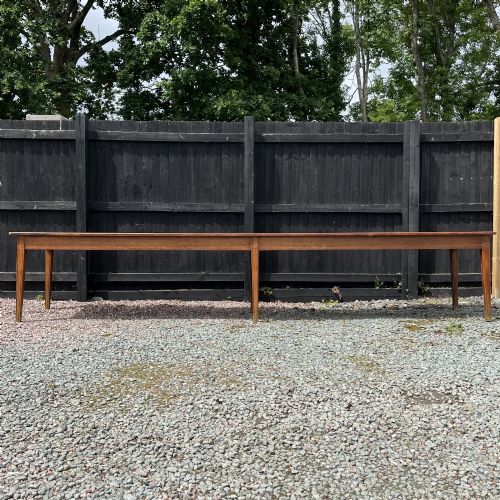
Most examples found on this page date from the nineteenth century, featuring rectangular tops, sturdy stretchers, and occasionally practical additions such as sliding bread boards or end drawers. Forms range from compact kitchen tables to large extending versions seating up to twelve people.
Regional variations include pieces attributed to areas like Bresse alongside classic French Provincial and French Country styles. Buyers encounter both simple rustic work tables and more refined manor house variants with cabriole legs.
Assessing quality and character
Quality rests upon the quality of the timber selection and the depth of the natural patina accumulated over generations of use. Superior examples display dense, well-figured cherry grain that has faded gracefully to a soft, even tone.
Construction integrity defines the upper tier, where original stretchers, drawers, and extension mechanisms remain intact and smooth-operating. Tables retaining their authentic proportions and substantial timber thickness command greater appreciation.
The degree of regional craftsmanship distinguishes standard utility pieces from exceptional manor house commissions. Subtle details in leg shaping, such as finely turned or carved cabriole supports, separate simpler farmhouse variants from grander dining tables.
French Cherry Dining Table Retail Price Guide 2026
Typical asking prices for french cherry dining table among the pieces listed under this phrase on Sellingantiques today, from the lower quarter to the upper quarter. They describe what is for sale here now, not the wider market.
Some tables include hidden bread slides, proving that French cabinetmakers understood the eternal importance of snack accessibility.
The French Cherry Dining Table Glossary
- Fruitwood
- Timber sourced from fruit-bearing trees such as cherry, pear, or apple. It is prized by cabinetmakers for its fine grain and rich warmth.
- Refectory table
- A long, narrow dining table historically used in communal dining halls and large farmhouses. These pieces feature sturdy legs connected by low longitudinal stretchers.
- Bread board slide
- A pull-out wooden board mounted beneath the table top. Historically used for slicing bread, it extends the usable surface area.
- Draw leaf table
- An extending table equipped with leaves stored beneath the main top that pull out from each end. This mechanism lengthens the table without removing the central surface.
- Cabriole leg
- A furniture leg that curves outward and then tapers inward in a graceful S-shape. It is typical of refined eighteenth and nineteenth-century stylistic influences.
French Cherry Dining Table: Frequently Asked Questions
Are these tables suitable for daily family use?
These tables were originally built for heavy labour in kitchens and farmhouses, making them inherently robust for modern dining rooms. Solid cherrywood provides a durable surface that withstands regular use.
Their sturdy construction and practical additions like drawers or extension leaves make them well-suited to contemporary family life. Normal everyday wear often enhances the historical character of the fruitwood.
What is the difference between provincial and manor styles?
Provincial tables emphasise simple, robust utility with straightforward legs and utilitarian frames built for rural homes. They prioritize practical daily function over ornamentation.
Manor house versions originate from grander estates and incorporate more ambitious styling, such as refined cabriole legs or superior timber selection. Both share the same durable cherry construction but serve different aesthetic levels.
How should I care for a cherrywood top?
Maintenance requires regular dusting with a soft cloth and avoiding harsh chemical cleaning products that strip natural oils. Keeping the timber away from direct heat sources prevents excessive drying and splitting.
Applying occasional appropriate wax preserves the soft sheen and protects the grain. Allowing the wood to breathe naturally maintains its developing patina over time.