



French Chateau Wall Paintings
These French chateau wall paintings bring grand salon atmosphere and pastoral romance directly into a modern room.
French Chateau Wall Paintings
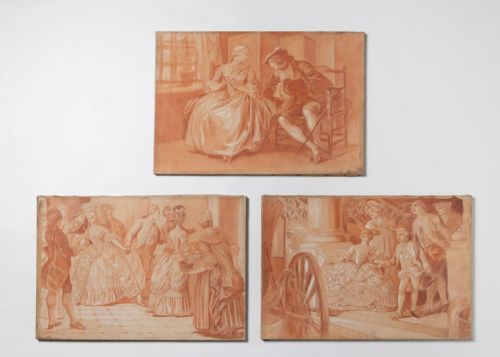
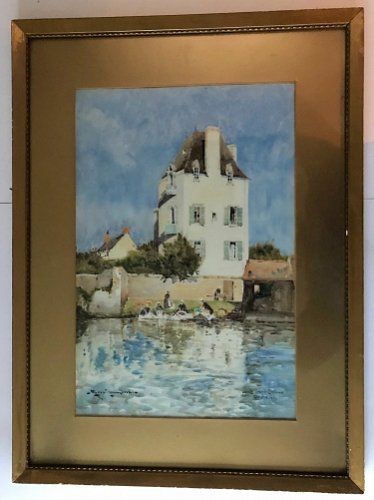
When you search for french chateau wall paintings, you encounter large oil paintings, painted panels, and decorative trumeau mirrors designed for domestic grandeur. These works originate predominantly from the nineteenth and eighteenth centuries, capturing the aesthetic of country estates and royal residences.
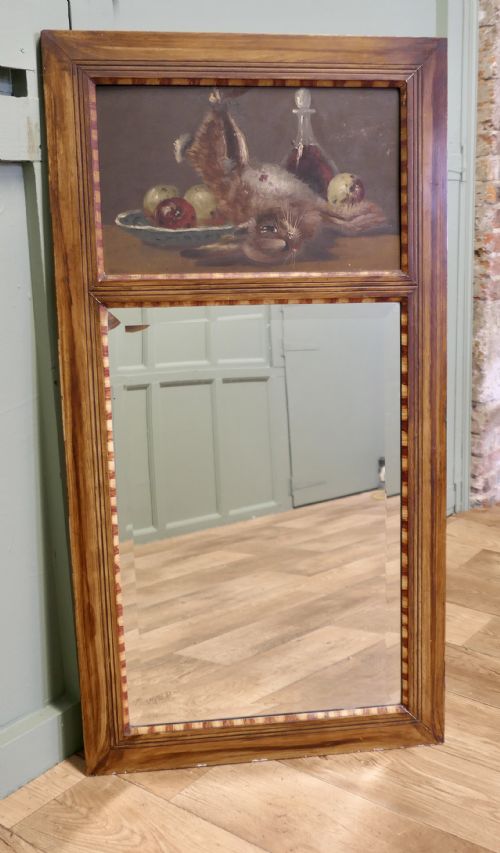
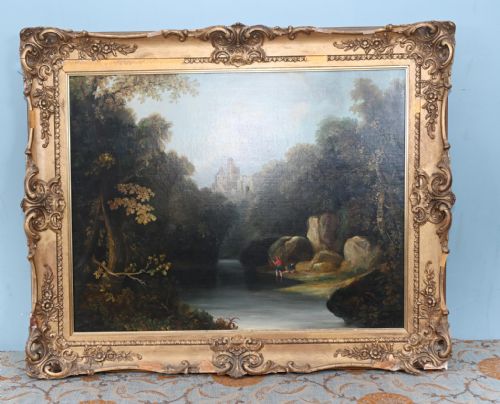
You are most likely to meet canvases depicting pastoral scenes, river landscapes, and figurative genre interiors set in historic locations like Versailles or Marly. Trumeau mirrors integrating oil paintings above the glass also appear frequently within this selection.
The assortment spans from formal Rococo Revival portraits to relaxed French Country compositions. Each piece reflects the historic interior decorative schemes characteristic of historic French properties.
How they were made
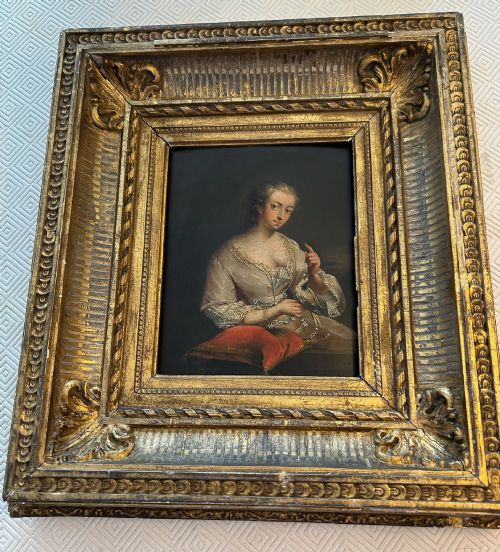
Artists painted primarily using oil on canvas or prepared wood panels, sometimes applying pastel or watercolour for specific portrait and landscape commissions. Gilt wood and gold leaf frequently frame these works or form the structural mouldings of integrated trumeau panels.
Makers utilised composite materials and parcel-gilt techniques to achieve the opulent finishes required for chateau interiors. The physical construction combines traditional joinery for the frames with layered pigments applied to textile or wooden supports.
Listings feature canvas, wood, and glass materials alongside oil paint, gilt wood, and gold leaf.
What varies in quality
The standard of execution in the brushwork and the refinement of the surrounding carved frame set individual pieces apart. Superior examples display confident figurative proportions and sophisticated handling of light, particularly within landscape and interior scenes.
The integrity of the original paint layer and the preservation of the gilding heavily influence the overall character of the piece. Trumeau mirrors with their original integrated artwork intact demonstrate greater historical cohesion than later assembled items.
Jean-Baptiste van Loo·Jean-Baptiste Olive·Charles Eyres Simmons·Martin Pierre - Denis
The French Chateau Wall Paintings Glossary
- Trumeau
- A decorative wall mirror featuring an oil painting or panel set into the upper section above the glass. These architectural elements decorated nineteenth and eighteenth-century salons.
- Parcel-gilt
- A method of decoration where selected areas of a wood or gesso surface receive a thin layer of gold leaf while other parts remain painted. This technique highlights carved architectural details on frames and panels.
- Cartoon
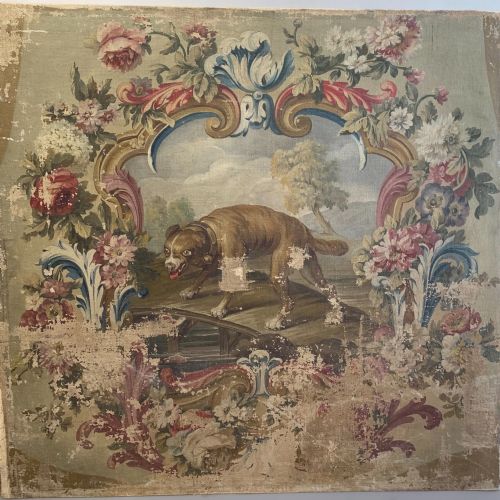
- A full-scale preparatory drawing or study created for a larger work such as a tapestry or fresco. In this context, it refers to preliminary paintings executed prior to textile production.
- Rococo Revival
- A nineteenth-century artistic style that revives the ornate, asymmetrical ornamentation and playful pastoral themes of the mid-eighteenth-century French court. It dominates many decorative interior elements of the period.
French Chateau Wall Paintings: Frequently Asked Questions
How do I hang a heavy trumeau mirror?
These substantial pieces require secure fixing directly into wall studs using heavy-duty brackets suited to the weight of the wood and glass. Professional installation is advisable to distribute the load evenly across the structure.
Ensure the hanging wire or integrated D-rings match the substantial build of nineteenth-century frames to maintain stability over time.
Where were these paintings originally displayed?
Works of this scale hung above mantelpieces, within wood-panelled salon walls, or as integrated elements of architectural trumeau assemblies in French residences. They defined the decorative scheme of formal reception rooms.
Many pieces reflect specific locations such as country chateaux, royal parks, and coastal landscapes across France.
How should I clean antique oil paintings?
Dust surfaces gently with a soft, dry brush without applying moisture or household cleaning products to the pigment. Professional conservators should handle any deeper cleaning or varnish removal.
Protect the canvas from direct sunlight and dramatic humidity changes to preserve the stability of the oil paint and underlying support.
How do I date an eighteenth-century panel?
Examine the preparation layers, wood type, and framing construction for characteristics consistent with period joinery and materials. Pigment analysis and canvas weave can also offer clues to the era of creation.
Stylistic elements like costume details and landscape conventions often provide a reliable indication of the decade in which the work was produced.