


French Chateau Style Light
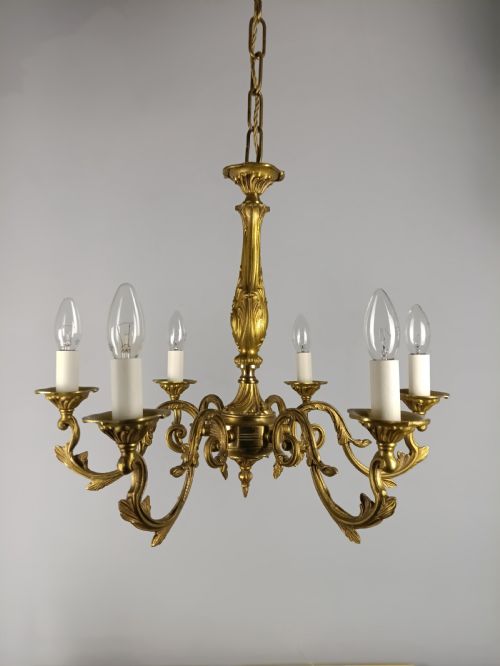
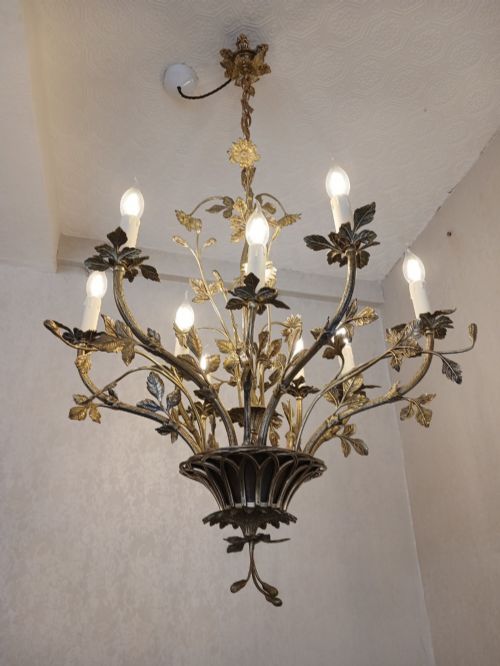
French chateau style light fixtures bring grand residential illumination into a room, spanning chandeliers, wall lights, and lamps.
French Chateau Style Light
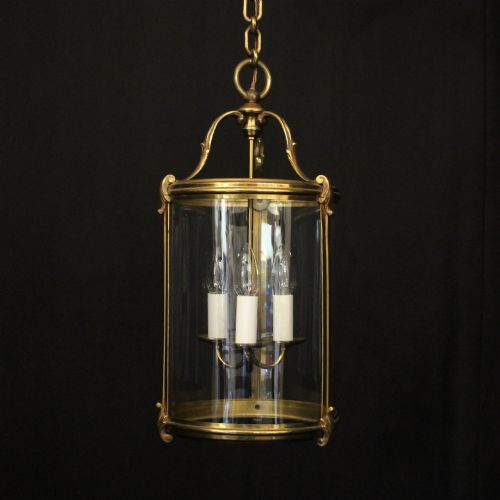
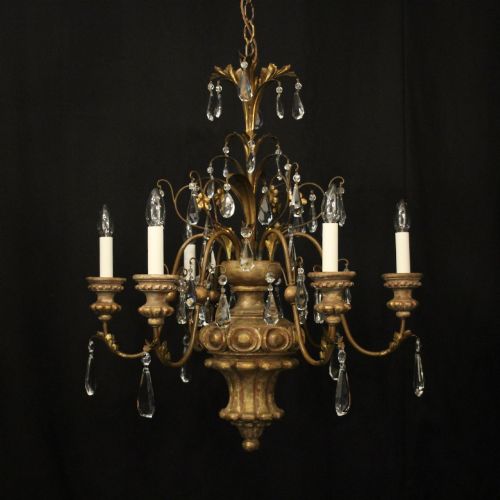
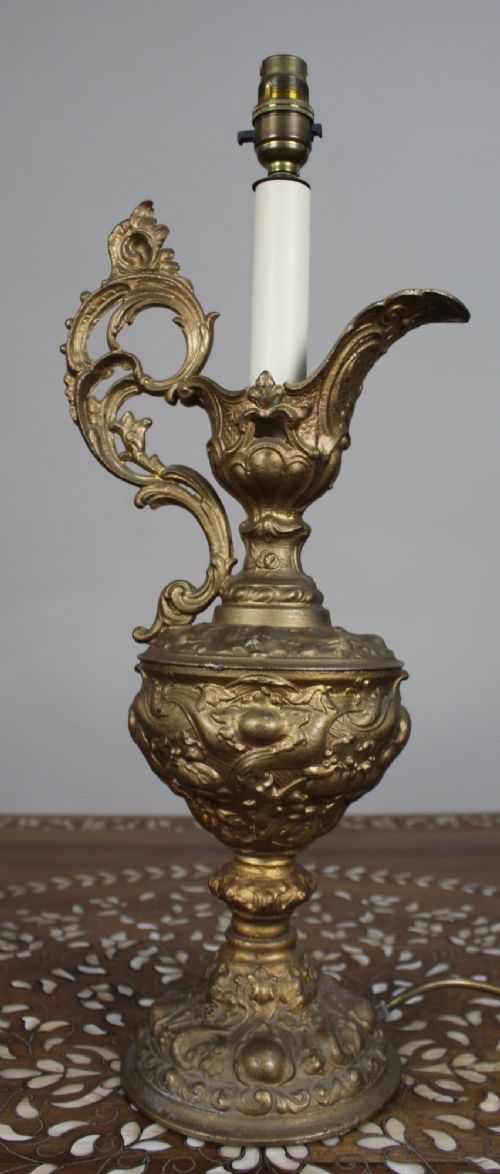
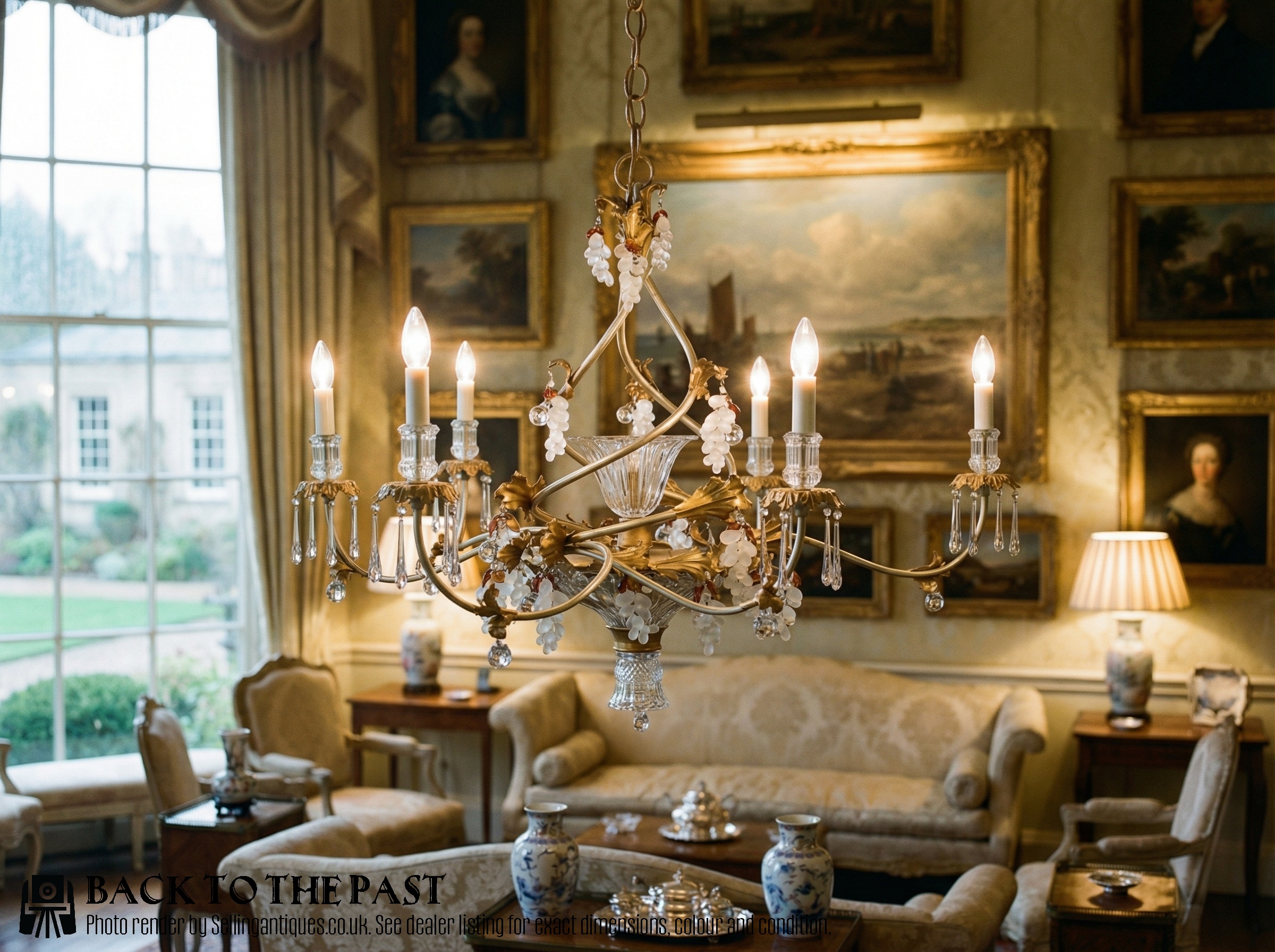
A french chateau style light encompasses elaborate chandeliers, hall lanterns, wall lights, and decorative lamps designed to evoke historic European manor houses. The selections on this page draw from periods including the nineteenth century, the Georgian and Victorian eras, alongside twentieth century examples from nineteen twenty and nineteen thirty.
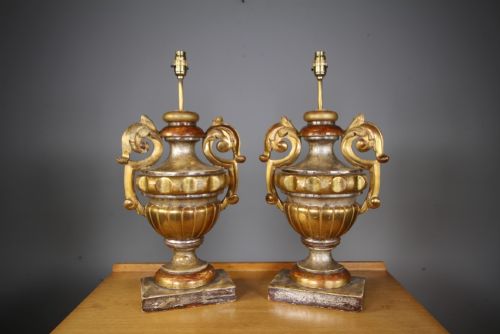
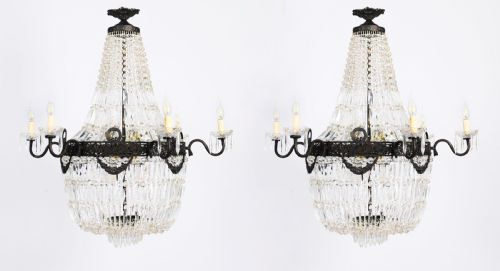
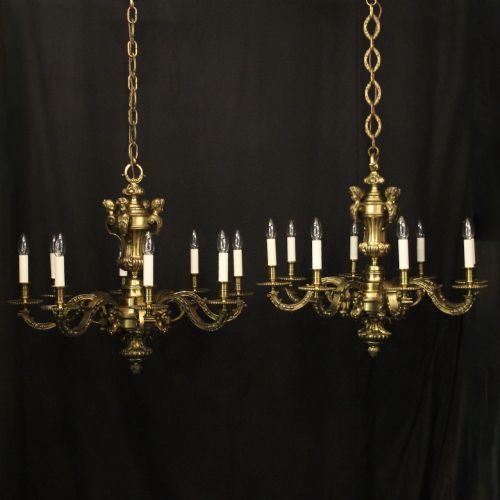
Chandeliers form the predominant choice for this search phrase, appearing alongside table lamps, wall lights, and convex hall lanterns. These fixtures frequently arrive in matched pairs, offering symmetry for large spaces and grand halls.
How they were made
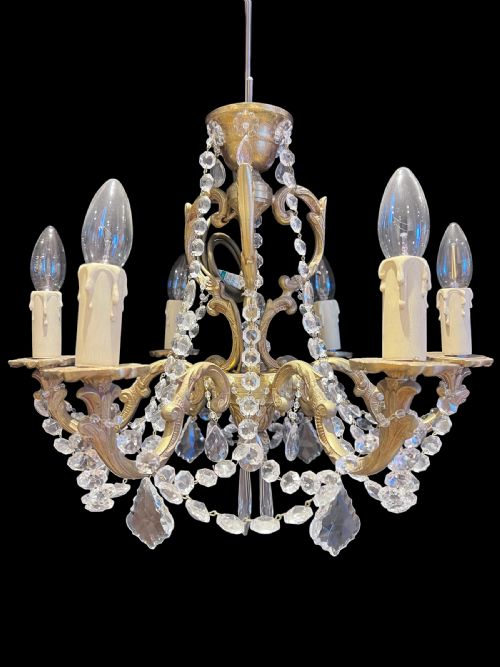
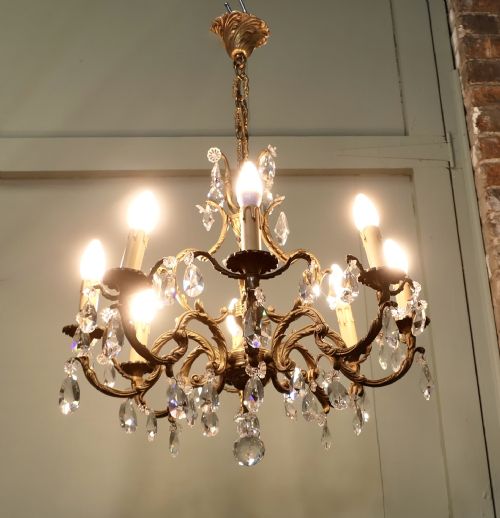
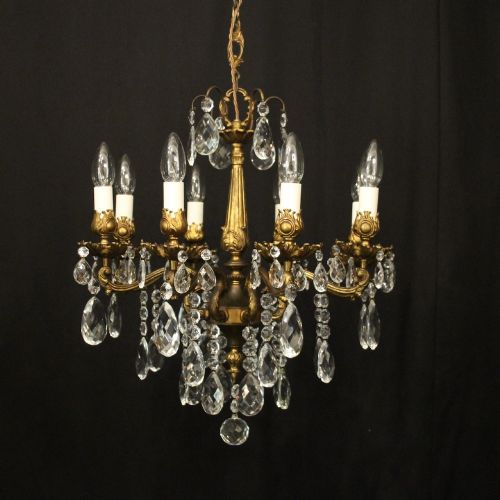
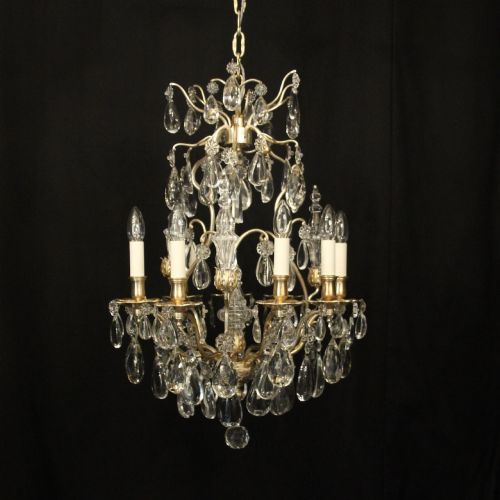
Maker workshops utilised cast metals including brass, bronze, gilt bronze, and gilt brass as foundational frameworks for chandeliers and wall sconces. Artisans then integrated hand-cut crystal lustres, glass drops, and polished marble components to catch and refract ambient illumination.
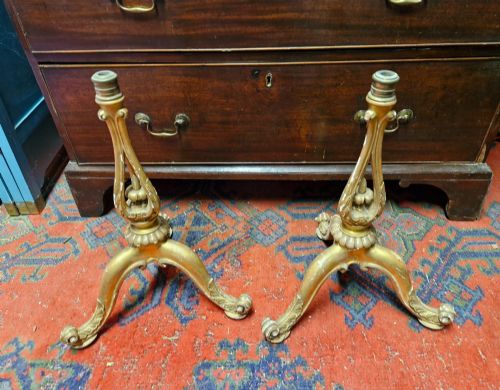
Surface ornamentation involved extensive gilding, silver gilding, and polychrome painted finishes on materials such as carved pine, timber, and toleware. Ormolu mounts and porcelain inserts further decorated lamp bases and candelabra structures.
Listings span multiple production eras, encompassing nineteenth century examples alongside nineteen hundred, nineteen twenty, and nineteen thirty interpretations.
What varies in quality
The sophistication of the metal casting and the depth of the gilding determine the refinement of an individual piece. Heavy bronze and brass castings with crisp relief work sit apart from simpler metal forms.
The clarity and extent of the crystal dressings, tent arrangements, and cut glass components dictate the overall brilliance of the lighting effect. Original matched pairs demonstrate superior initial commission quality compared to assembled matches.
The French Chateau Style Light Glossary
- Ormolu
- Gilded bronze applied as decorative mounts to furniture, porcelain, and lamp bases. This technique creates a rich golden surface finish on decorative metalwork.
- Toleware
- Painted sheet metal objects, frequently utilised for decorative wall lights and chandelier bodies. The technique allows for polychrome colour applications.
- Lustre
- A cut glass or crystal pendant hung from a chandelier to refract light. These elements dangle from arms and crown rings.
- Birdcage chandelier
- A lighting form featuring an open metal framework resembling a birdcage, hung with crystal drops and multiple candle arms.
- Convex lantern
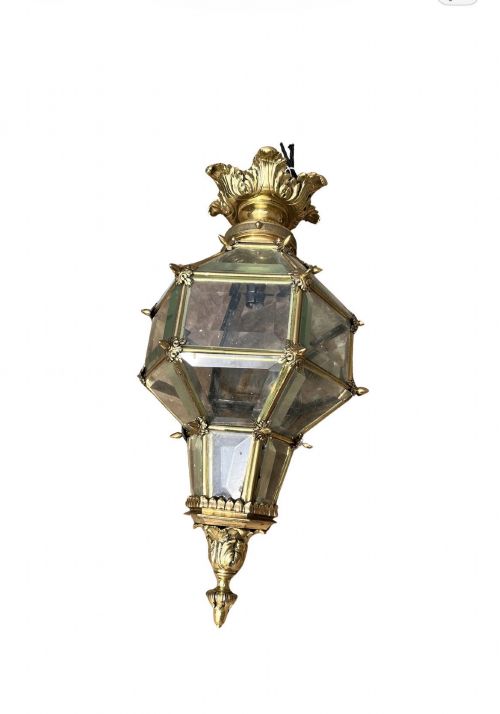
- An enclosed hall light featuring curved glass panels mounted within a decorative metal frame. These fixtures hang in entrance hallways.
French Chateau Style Light: Frequently Asked Questions
Where should I hang a chateau chandelier?
These large multi-arm fixtures suit high-ceilinged dining rooms, principal reception areas, and grand entrance halls where adequate clearance allows the piece to hang freely.
Smaller variants and wall sconces fit comfortably in bedrooms or smaller sitting rooms desiring historic character.
How do I identify a Louis XVI style light?
Louis XVI style lighting leans towards neoclassical symmetry, incorporating straight lines, urn motifs, and classical architectural details rather than asymmetrical rococo curves.
Ormolu mounts and refined cast brass details frequently define this particular design aesthetic.
Are these lights wired for modern electricity?
Most antique and vintage fixtures on the market have been adapted for modern electrical supplies while retaining their historic exterior components and candle tubes.
Professional rewiring ensures the internal circuits meet current safety standards without altering the visible metalwork or crystal dressings.
What is the difference between a chandelier and a hall lantern?
Chandeliers feature exposed branching arms designed to hold multiple candle lights or bulbs openly in the room.
Hall lanterns enclose the lighting elements within glass panels held inside a decorative brass, bronze, or gilt metal frame.