
French Chateau Light Fitting
A French chateau light fitting brings grand illumination to a room, offering striking period character through robust bronze, brass, and crystal.
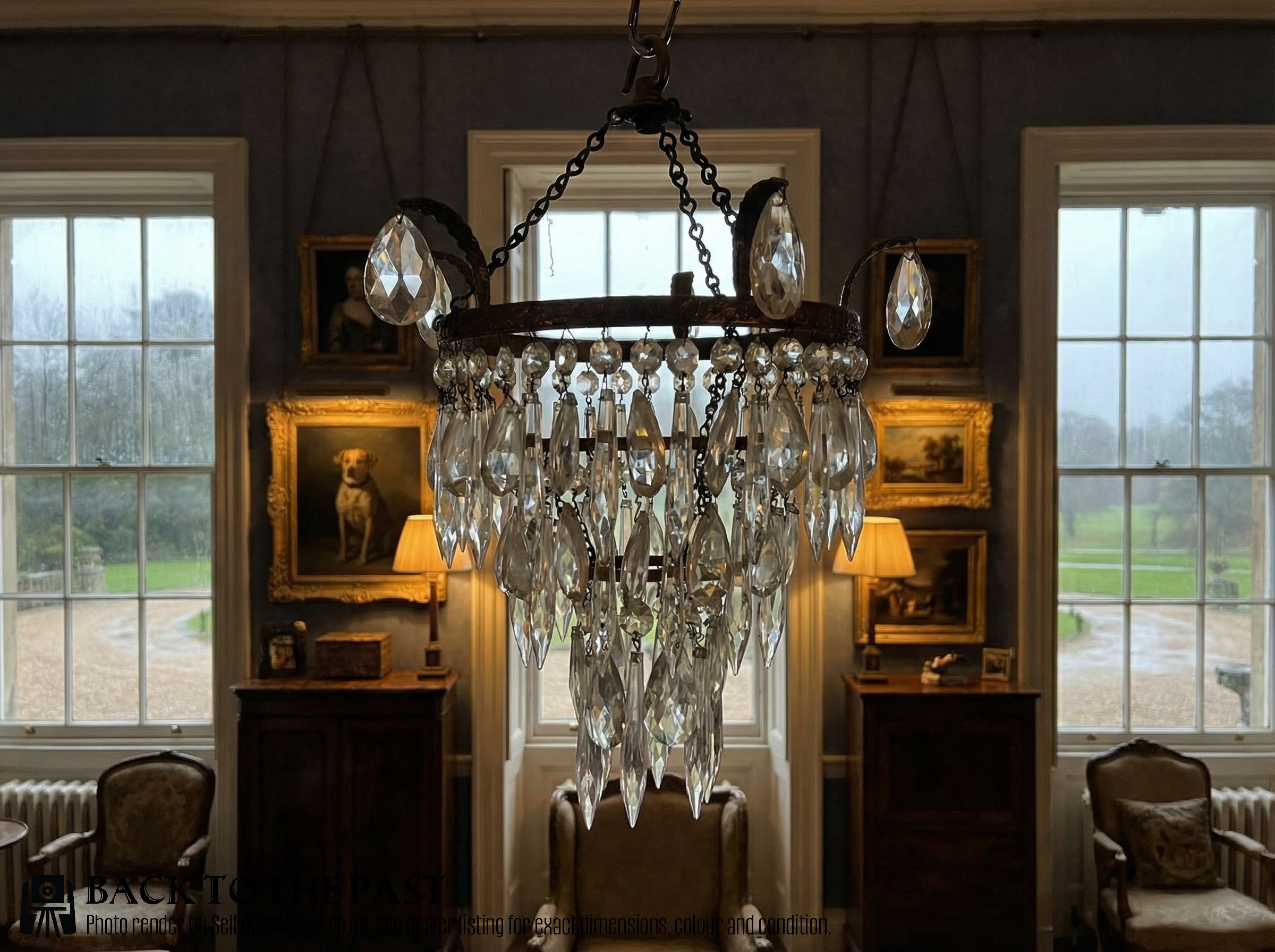
What They Are
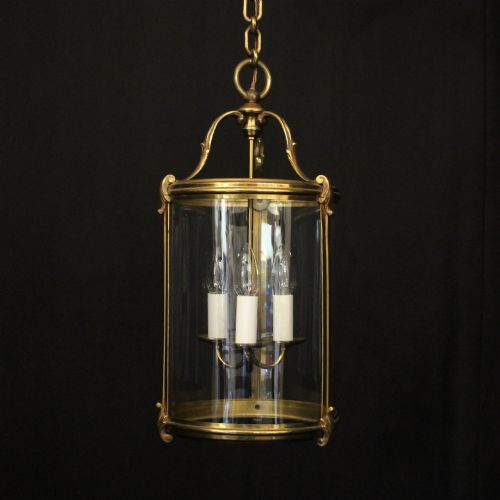
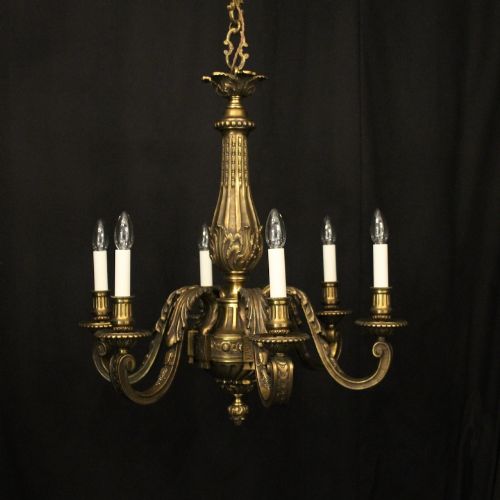
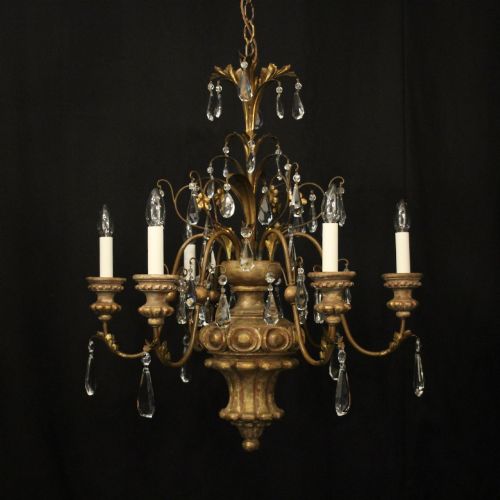
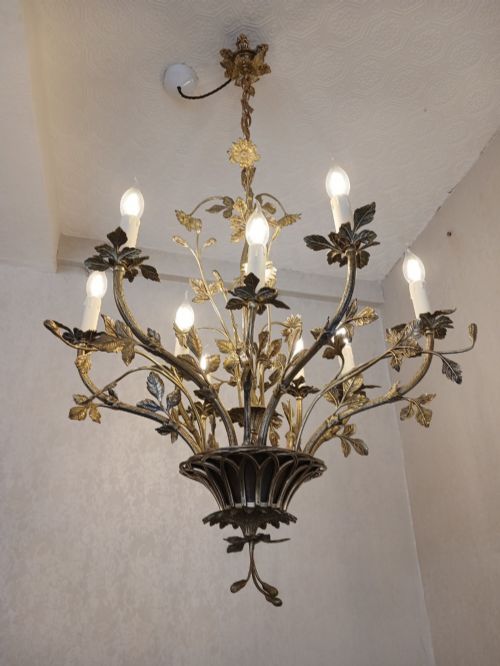
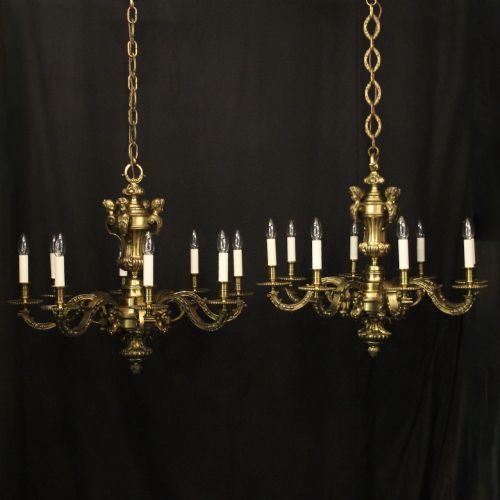
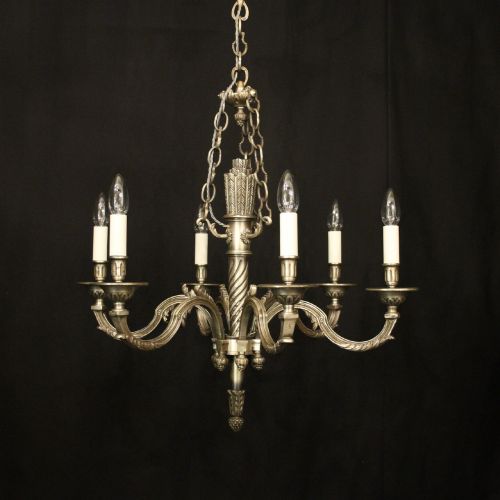
A French chateau light fitting takes the form of grand antique chandeliers and ceiling lighting designed to anchor a room with notable vertical presence. Buyers searching for a French chateau light fitting will encounter multi-armed designs and tiered arrangements that project significant presence.
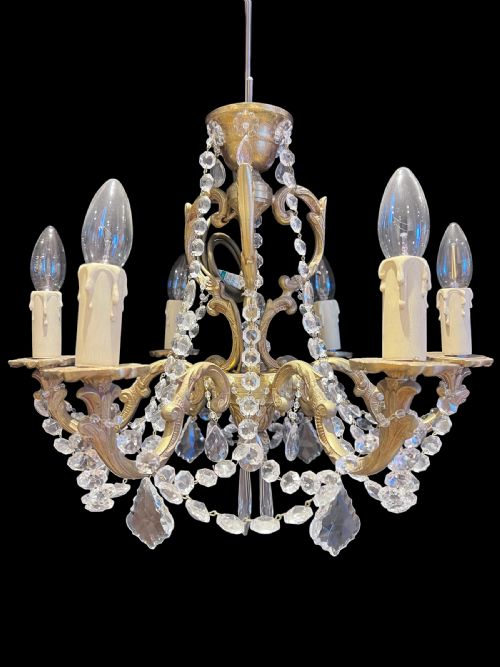
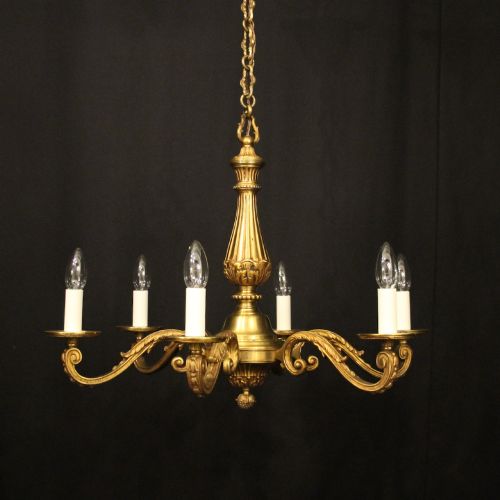
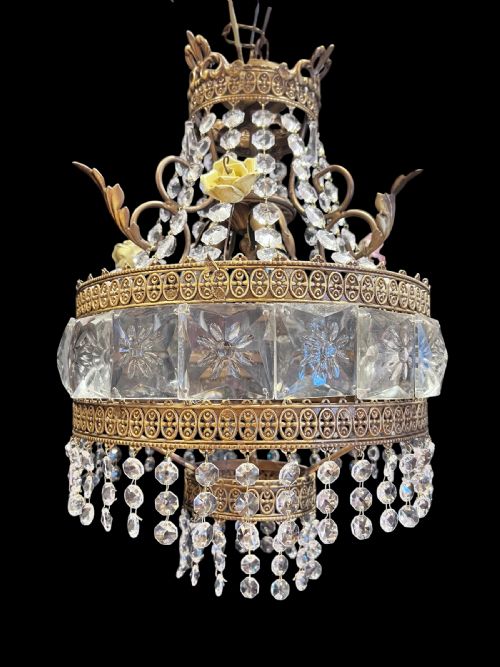
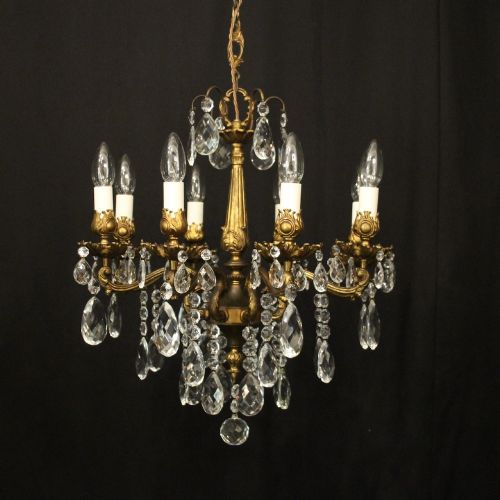
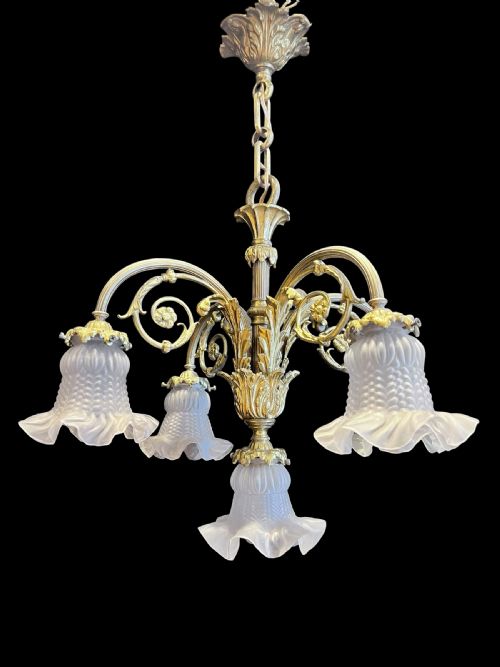
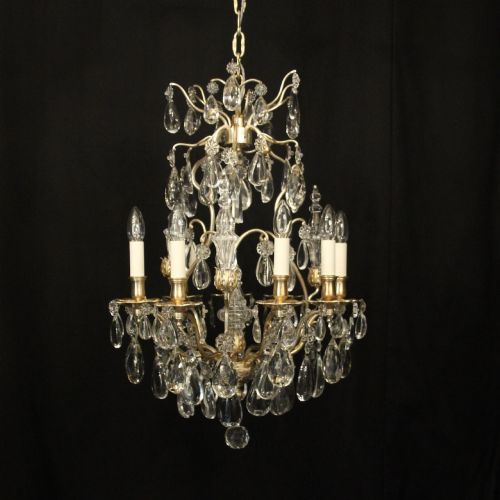
The pieces appearing on this page span the 1920 and 1930 decades, representing enduring styles of French Rococo and general French chateau aesthetics. Forms range from compact single-light baskets to expansive nine-light double-tiered chandeliers and three-tier waterfall lampshades.
Originating predominantly from French workshops, these fixtures utilise robust metallic frames paired with glass and crystal elements. They serve as primary overhead illumination while acting as sculptural focal points within period interiors.
How They Were Made
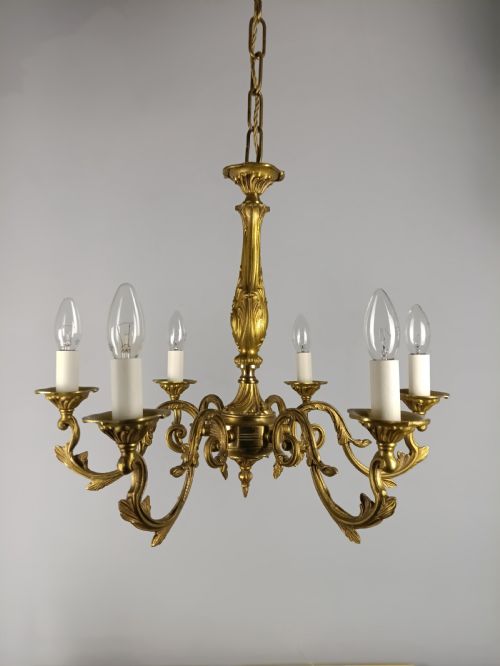
Construction relies heavily on cast bronze, brass, and gilt brass to form durable structural armatures that support multiple bulb tiers. Artisans shaped these metals through casting and metalworking techniques to build sturdy multi-light frames.
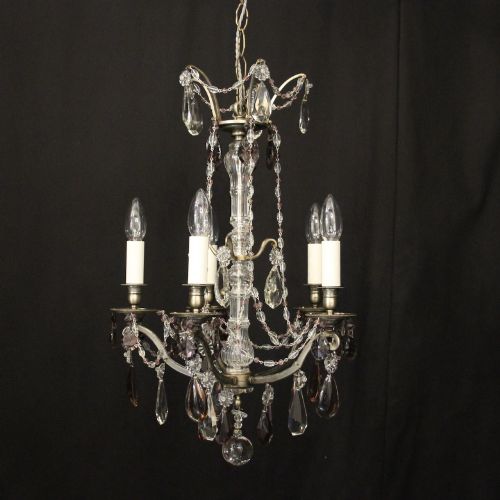
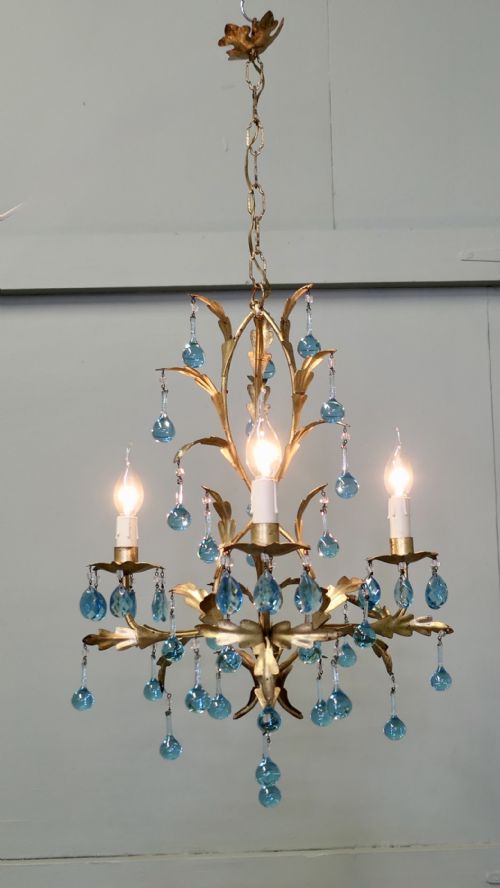
Gilded finishes and polished brass surfaces are combined with cut crystal drops and glass elements to catch and refract light effectively. These reflective components are wired directly into the metallic frames to create layered illumination.
Retail Price Guide 2026
Typical UK retail prices for french chateau light fitting, calculated from the Sellingantiques database of over a million retail prices indexed since 2003. This retail price guide relies exclusively on Sellingantiques data; no external sources or auction records are used, so the figures do not describe the wider market.
One cheerful waterfall lampshade design manages to squeeze three distinct tiers into a single compact ceiling fitting.
What Varies Across Examples
Quality separates simple stamped production from heavier cast bronze and gilded brass frames that display crisp ornamentation and substantial weight. Superior examples feature intricate detailing across multiple tiers, whilst simpler pieces rely on basic basket or single-tier formats.
The integration of crystal and glass elements defines the upper echelon of these fittings, where cut glass drops enhance the overall brilliance. Sound structural integrity in the arms and tiers ensures the fixture hangs securely and distributes weight evenly.
The French Chateau Light Fitting Glossary
- Chandelier
- A branched ceiling-mounted lighting fixture designed to hold multiple lamps or candles. These pieces form the primary category of lighting seen in this selection.
- Bronze
- An alloy consisting primarily of copper, traditionally used for durable and ornate metalwork. It provides a heavy, structural base for many chateau chandeliers.
- Crystal
- High-clarity glass cut with precise facets to refract light more brilliantly than standard glass. It is often suspended from frames in drop configurations.
Frequently Asked Questions
How do I hang a heavy chandelier safely?
Heavy fixtures require direct attachment to ceiling joists using rated steel hooks and proper electrical boxes to bear the substantial weight of cast bronze and crystal.
Professional installation is strongly advised to ensure the wiring and structural support can safely manage multi-tiered designs.
What rooms suit a French chateau light fitting?
These grand fixtures suit high-ceilinged dining rooms, entryways, and living spaces where their vertical scale and multiple light sources can be fully appreciated.
Smaller single-light basket formats work well in compact hallways or bedrooms requiring subtle period illumination.
How do I clean crystal drops safely?
Crystal elements should be wiped individually using a mild solution of warm water and vinegar while supported on the frame.
Avoid harsh chemical sprays that might damage the surrounding brass or bronze finishes during the cleaning process.
How do I date these light fittings?
Dating relies on examining the construction methods of the brass and bronze frames, along with the wiring channels and mounting hardware typical of the nineteen-twenties and thirties.
Stylistic cues from French Rococo revivals also help narrow down the period of manufacture.