

French Chateau Hanging Light
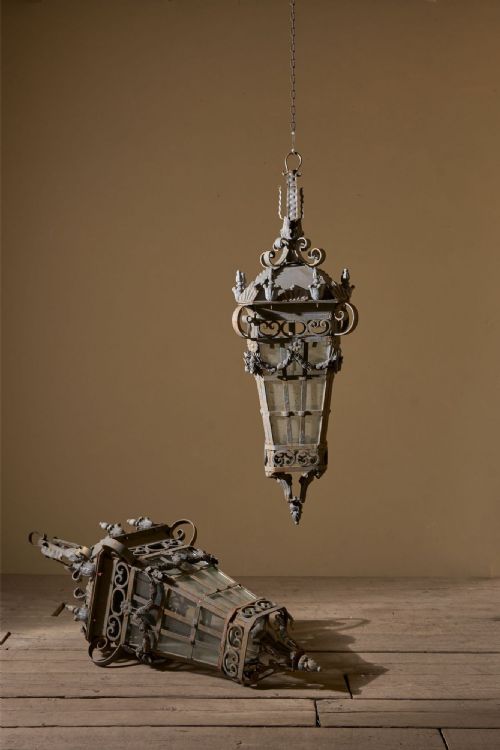
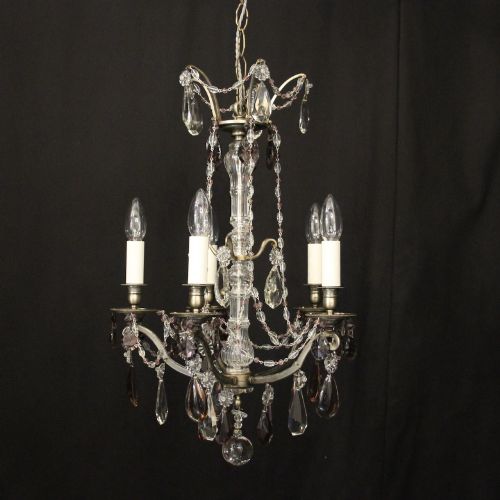
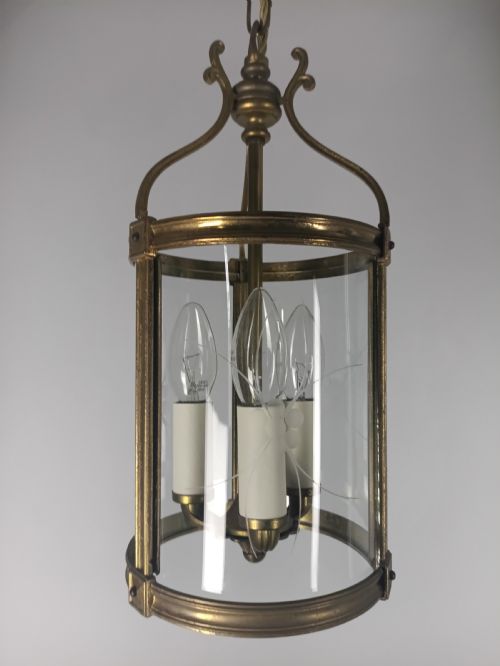
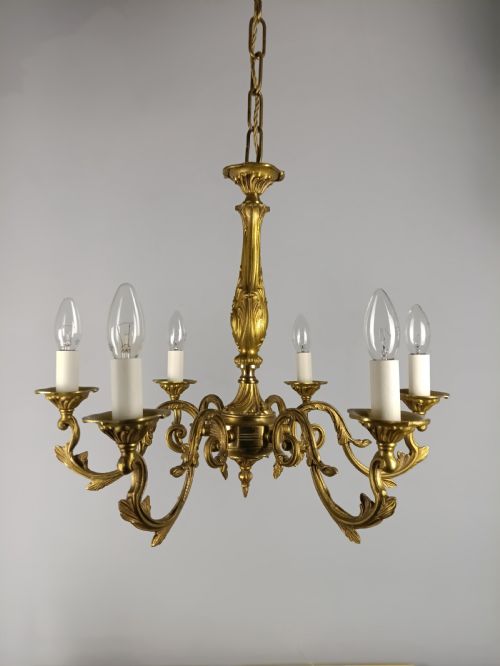
These french chateau hanging light fixtures bring grandeur and illumination to high-ceilinged spaces, prized for their ornamental metalwork and glass.
French Chateau Hanging Light
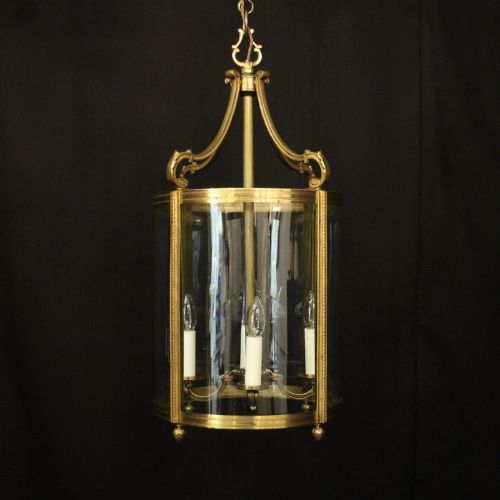
A french chateau hanging light encompasses grand chandeliers, hall lanterns, and pendant lights rooted in continental domestic architecture. Buyers seek these pieces to anchor a room with historic vertical presence and decorative metal or glass.
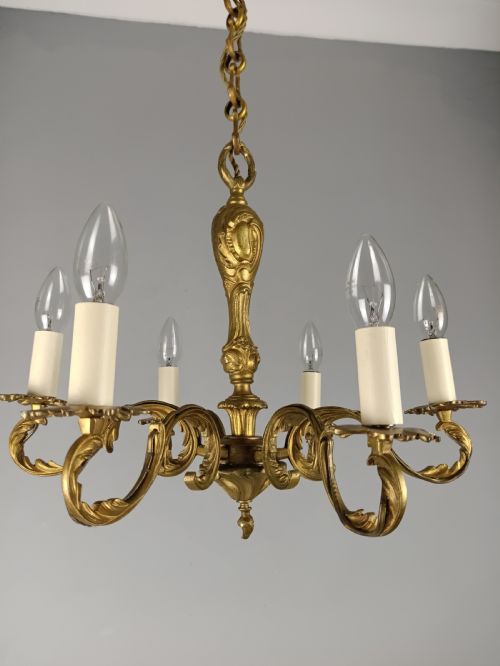
The selections here span periods from the nineteenth century through the nineteen-thirties, showing influences from Rococo, Neoclassical, and provincial traditions. Gilt brass, bronze, and wrought iron dominate the structural forms of these overhead lights.
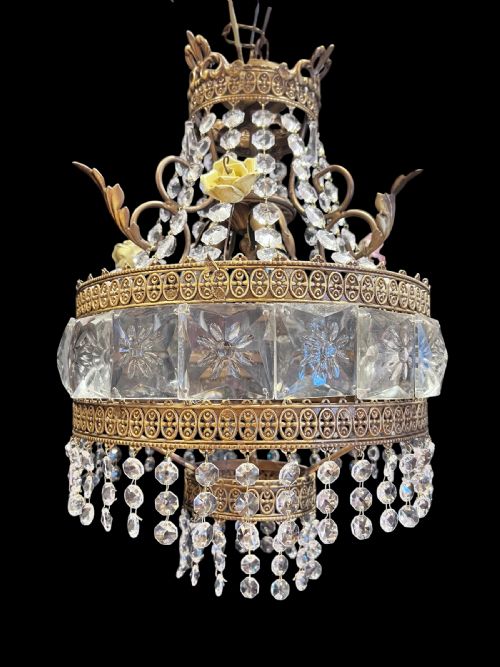
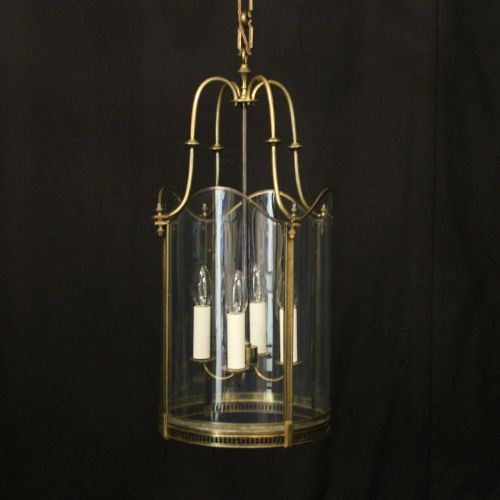
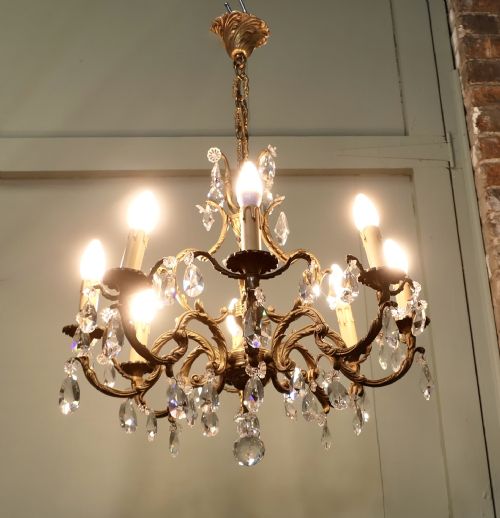
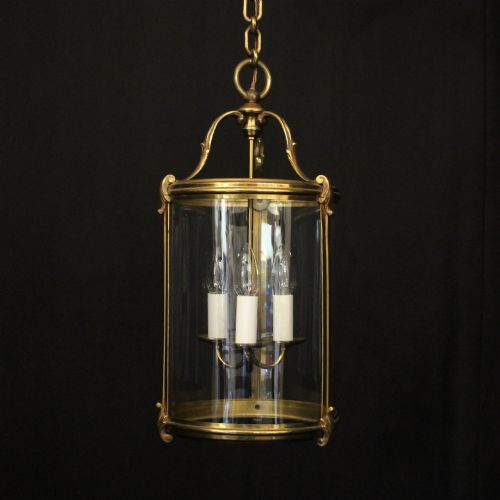
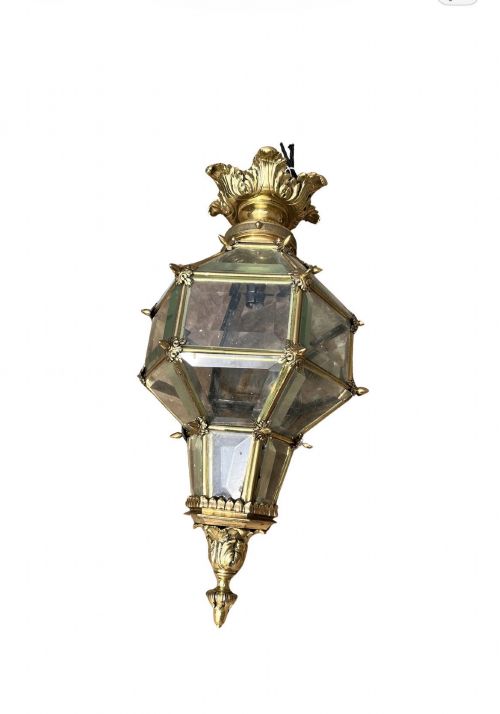
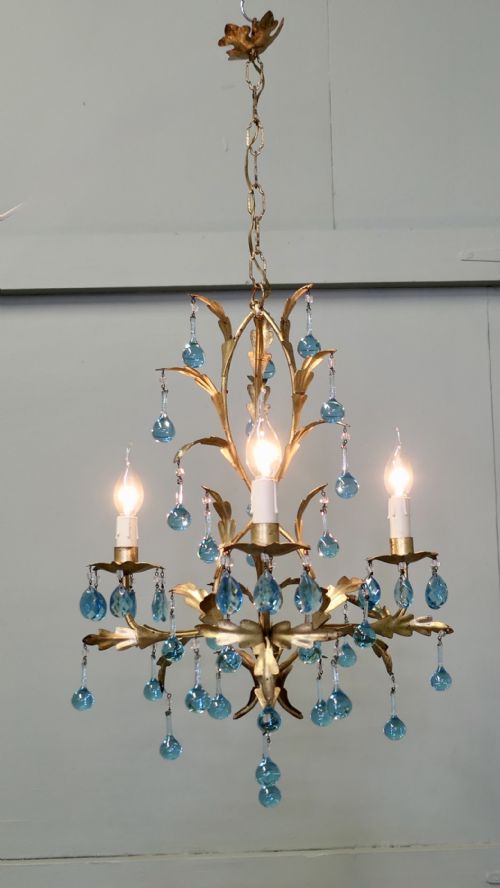
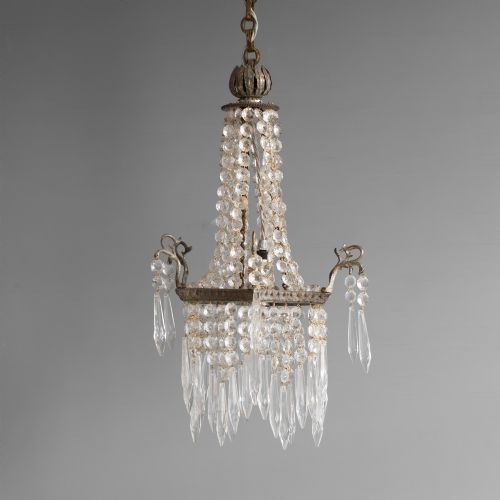
Lanterns with convex glass panels and multi-armed chandeliers hung with crystal lustres or coloured fruits appear frequently. These variations reflect both formal reception rooms and utilitarian corridors of historic French houses.
Materials and construction methods
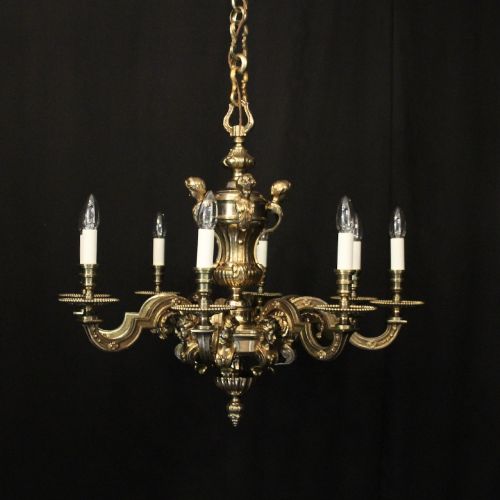
Foundries cast brass, bronze, and iron into structural frames, often finishing surfaces with a layer of gold leaf or gilding. Metal components support heavy arrays of cut glass, crystal teardrops, and sometimes porcelain or toleware decorative elements.
Glassmakers blew and etched panels for lanterns, creating convex shapes that diffused light outward from internal burners or bulbs. Wrought iron and steel elements provide robust framing for exterior or heavy interior porch and hall fixtures.
Several chandeliers sport tinted crystal fruits in amber and mauve, proving that historical decorators enjoyed a spot of colour.
Distinctions in manufacture and ornament
Subtlety of metal chasing and the weight of cast bronze or brass set finer examples apart from lighter commercial productions. Crisp detailing in floral motifs, scrollwork, and gilded surfaces indicates careful workshop execution.
The completeness and quality of the hanging glass, whether clear crystal lustres, amber and mauve fruits, or etched convex panes, determine the integrity of the piece. Uniform patination and robust internal wiring channels reveal thoughtful construction.
The French Chateau Hanging Light Glossary
- Hall lantern
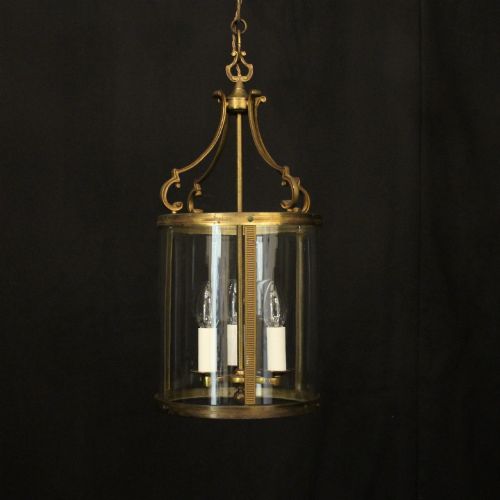
- An enclosed hanging light designed for corridors and entranceways, typically featuring glass panels set within a metal framework. These fixtures protect candles or bulbs from draughts.
- Gilt bronze
- An alloy of copper and tin treated with a gold finish, often referred to asormolu in French decorative arts. This material resists corrosion and accepts fine sculptural detail.
- Crystal lustre
- A cut glass pendant or drop hung from the arms of a chandelier to refract light. They catch and multiply illumination from the internal light sources.
- Toleware
- Painted or lacquered sheet metal used for decorative floral or botanical elements on lighting fixtures. It introduces colour and folk art charm to metal structures.
- Convex glass
- Curved glass panels fitted into lantern frames to project light outward across a wider angle. The shaping requires specialised glassblowing techniques.
French Chateau Hanging Light: Frequently Asked Questions
How do I clean a crystal chandelier?
Remove delicate crystal drops and glass components individually for washing in warm soapy water using a mild detergent. Wipe down the gilded bronze or brass frame in place with a soft, dry cloth to preserve the finish.
Avoid harsh chemical sprays that strip gilding or damage vulnerable metal patinas. Ensure the power is completely isolated before undertaking any maintenance on hanging fixtures.
Where should I hang a hall lantern?
Position hall lanterns in entrance halls, stairwells, or high-ceilinged corridors where their vertical proportions can be fully appreciated. Ensure adequate clearance beneath the fixture for pedestrian traffic.
These enclosed lights provide focused downwards illumination while serving as an architectural focal point upon entering a building.
How do I date a brass chandelier?
Examine the casting quality, screw threads, and method of wiring integration to establish the period of manufacture. Nineteenth-century examples often display hand-chased bronze work, whereas later twentieth-century pieces utilise standardised components.
Style indicators such as Rococo curves or Neoclassical symmetry offer additional clues when correlated with material evidence.
Can these lights support modern electrical wiring?
Most antique fixtures accommodate modern electrical cabling through their central hollow stems and arms. Rewiring should be performed by a qualified professional to ensure safety compliance with current standards.
Existing candle tubes or lamp holders can be adapted to house modern SES or Edison screw bulbs without altering the exterior appearance.