

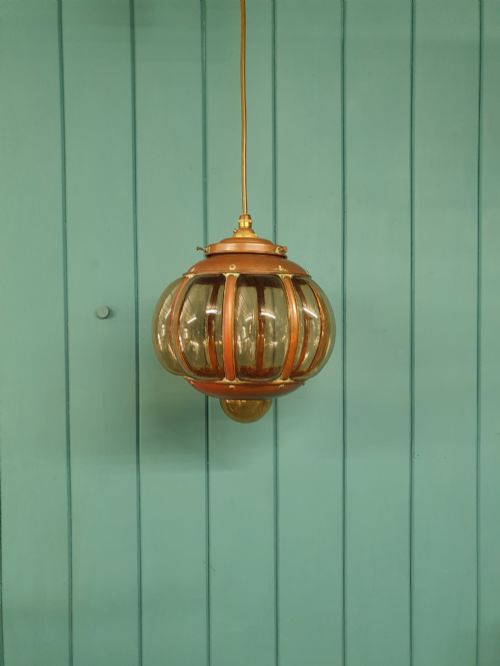
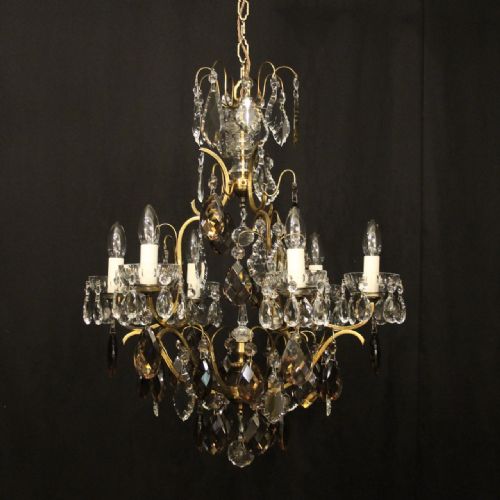


Brass Cage Pendant Light
A brass cage pendant light brings structured metalwork and suspended glass into a room, offering functional illumination with decorative form.
Brass Cage Pendant Light
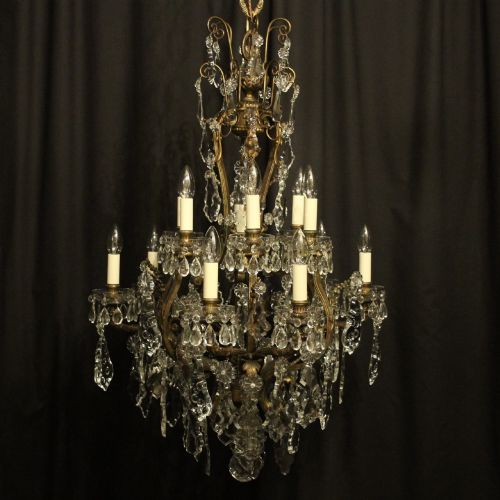
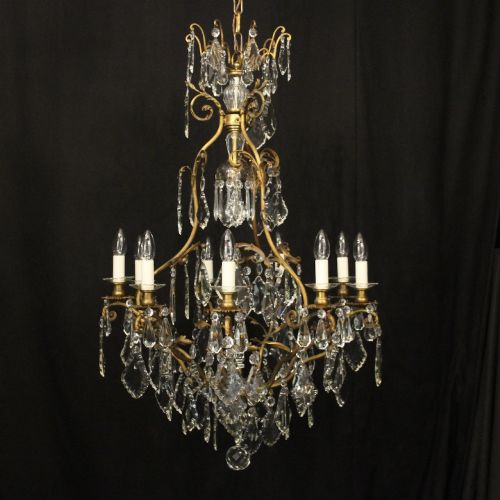
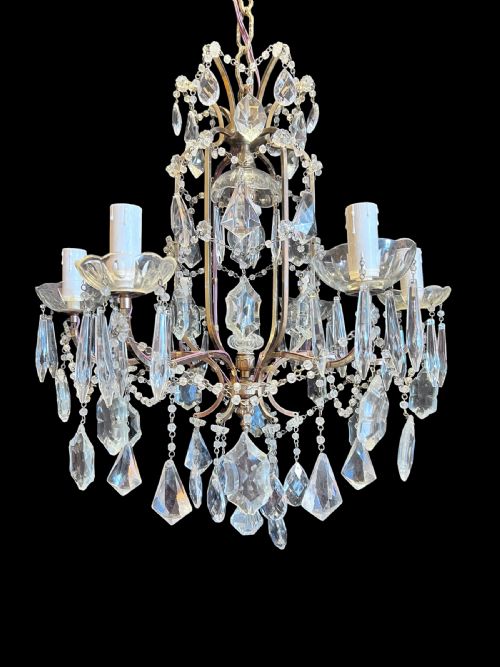
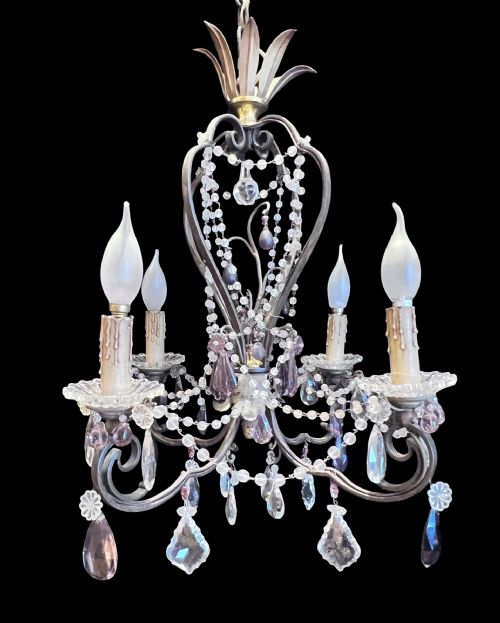
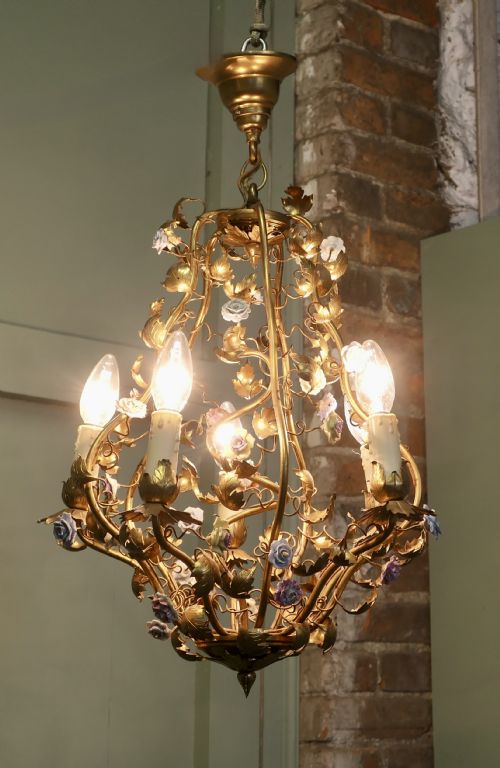
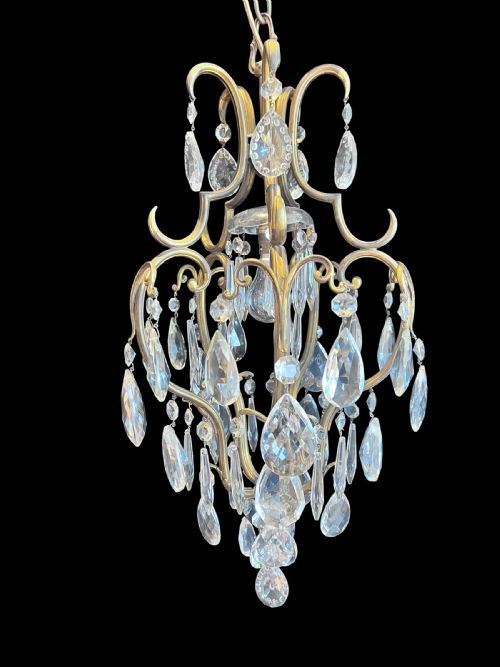
A brass cage pendant light combines a protective metal framework with internal illumination, echoing the forms seen in historic chandeliers, hall lanterns, and birdcage designs. Buyers seeking this phrase encounter varied lighting pieces from the nineteenth and early twentieth centuries, spanning Edwardian examples and nineteen-twenties productions.
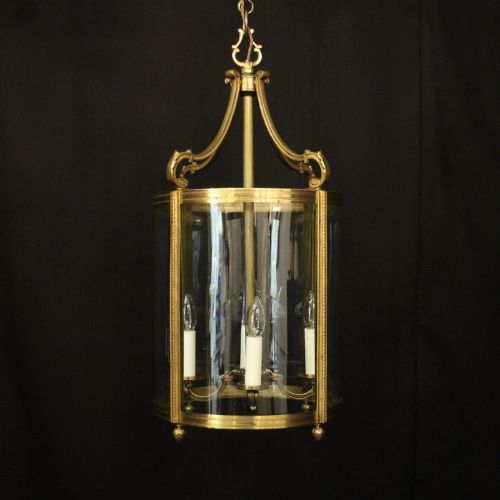
The objects frequently originate from French and Italian workshops, displaying regional preferences in metal finishing and glass ornamentation. Forms range from multi-arm chandeliers housed within metal frameworks to single-bulb hanging lanterns enclosed by bevelled or smoked glass.
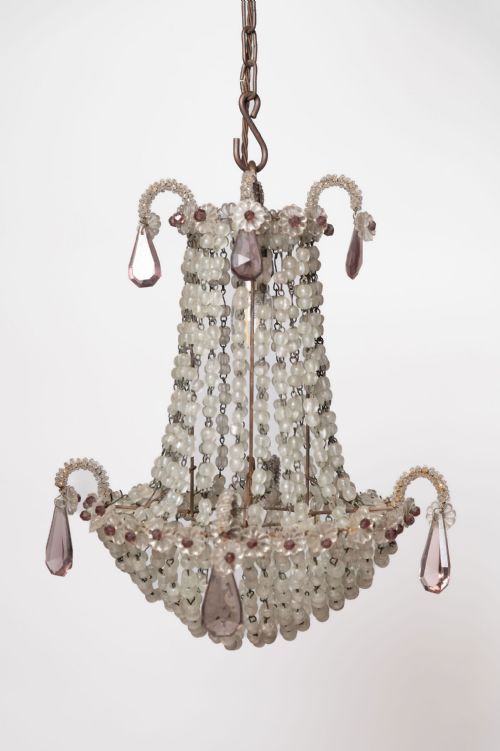
While the search specifies a pendant light, the available items extend across related ceiling lighting categories including pendant lanterns, hall lights, and caged chandeliers. These pieces share a common architectural silhouette defined by a metal armature surrounding glass elements or crystal drops.
Materials and construction methods
Construction relies heavily on brass, gilded bronze, and gilt metal, shaped into structural frames that support glass shades or crystal prisms. Metal components are often cast or formed into intricate cages, sometimes featuring dark patination or gilt surfaces.
Illumination is integrated with transparent materials, utilising cut crystal, smoked glass, or coloured glass panels held firmly within the metal framework. Individual elements such as drop prisms, beads, and glass bowls are suspended from internal brass arms using wire or pinned connections.
Some Edwardian cages hide coloured glass fruits among their crystal drops, proving that past electricians had a sense of humour.
Judging quality and craftsmanship
Quality appears in the precision of the metal casting and the heft of the brass or gilded bronze armature. Finer examples exhibit crisp detailing in the cage structure, secure joints, and harmonious proportions between the metal frame and the glass components.
The integrity and cut of the glass or crystal drops further distinguish tiers of production. Pieces fitted with hand-cut crystal prisms, bevelled glass panels, or specialised coloured glass demonstrate superior workshop standards compared to simpler pressed alternatives.
La Mason Bagues
The Brass Cage Pendant Light Glossary
- Cage chandelier
- A lighting fixture featuring a skeletal metal framework that encloses the central stem and arms, popular in nineteenth-century French designs.
- Gilded bronze
- A metal alloy treated with a gold coating, frequently utilised in decorative French lighting fixtures from the nineteenth and early twentieth centuries.
- Crystal drops
- Cut glass pendants hung from lighting fixtures to refract light, varying in shape from simple tears to elaborate fruit motifs.
- Hall lantern
- An enclosed pendant light designed primarily for entryways and corridors, often constructed with a brass frame and glass panels.
Brass Cage Pendant Light: Frequently Asked Questions
How do I hang a cage pendant light?
These fixtures suspend from ceilings using matching chains or rods attached to the top loop of the metal cage. Proper ceiling support is necessary due to the combined weight of the brass frame and glass components.
Electrical wiring runs through the central stem, requiring professional installation to ensure safe operation with modern power supplies.
What periods do these lights come from?
The available lighting dates predominantly from the nineteenth century through the early decades of the twentieth century, including Edwardian examples and nineteen-twenties productions. Stylistic influences span French chateau designs and Italian revival periods.
Construction details and metal finishes help distinguish nineteenth-century examples from later twentieth-century interpretations.
How do I clean the crystal drops?
Maintenance involves removing fragile crystal prisms and glass components individually for careful washing in warm soapy water. Metal frames require gentle dusting with a soft cloth to preserve the original brass or gilded finish.
Harsh chemical cleaners should be avoided on both the metalwork and the glass to prevent damage to patination and historic surfaces.
Where were these pendant lights used?
Historic placement included grand hallways, high-ceilinged drawing rooms, and chateau vestibules where enclosed lanterns provided both illumination and draft protection for candles or early electric bulbs. Smaller variations suited more intimate residential spaces.
Modern placement adapts these historic forms to central living areas, dining spaces, and architectural entryways.