

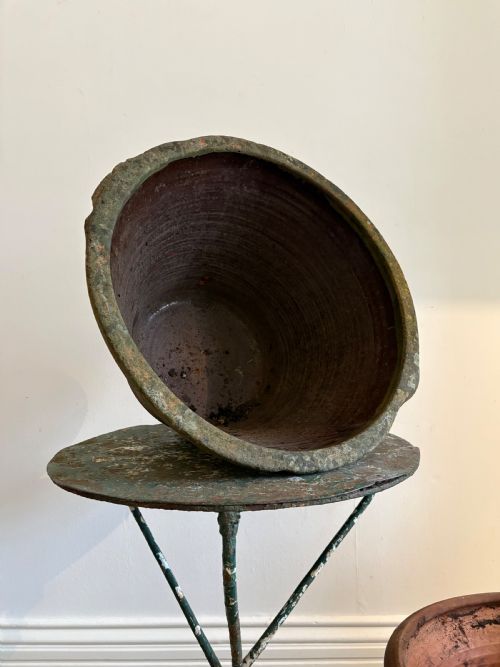


French Ceramic Vessels
French ceramic vessels encompass utilitarian oil jars, glazed confit pots and decorative faience vases spanning multiple centuries.
French Ceramic Vessels
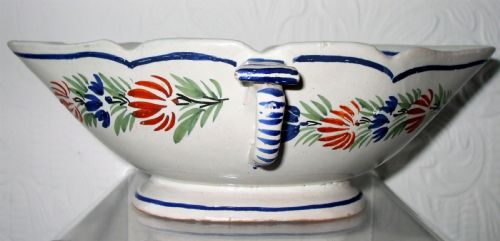
French ceramic vessels include practical storage items and decorative pieces originating from rural provinces and city workshops alike. When you search for french ceramic vessels, you encounter everything from heavy terracotta olive jars and dairy bowls to delicate porcelain vases and painted faience double sauceboats.
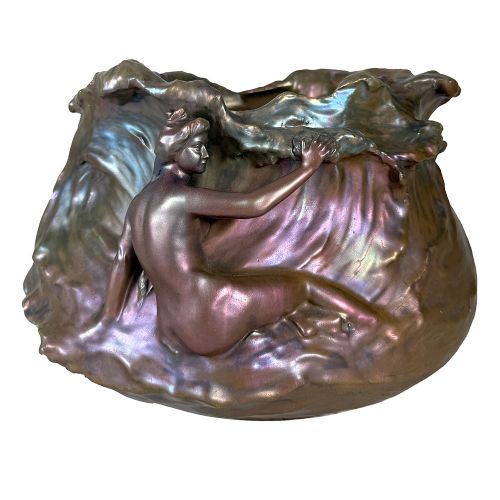
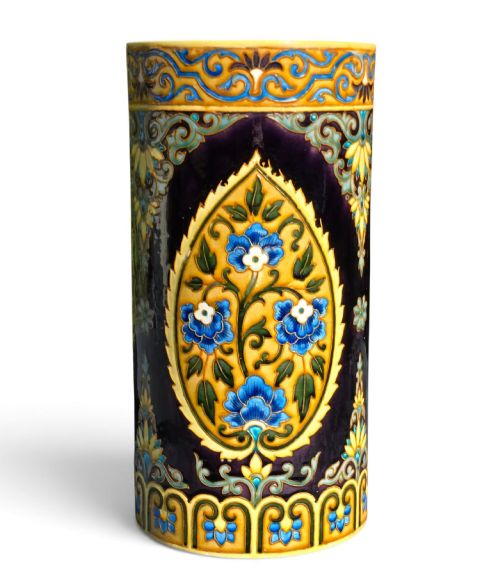
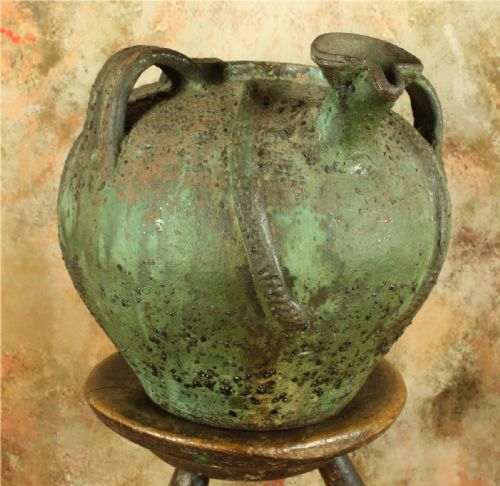
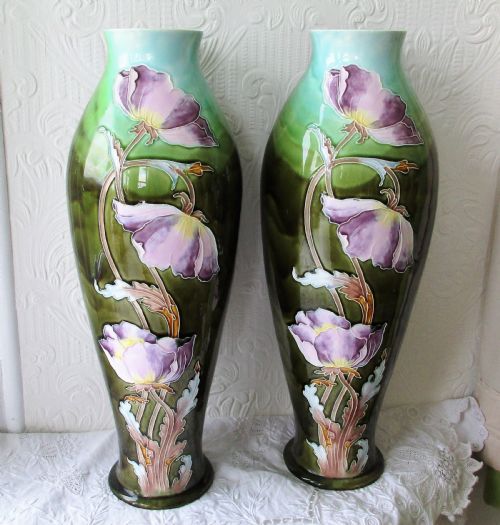
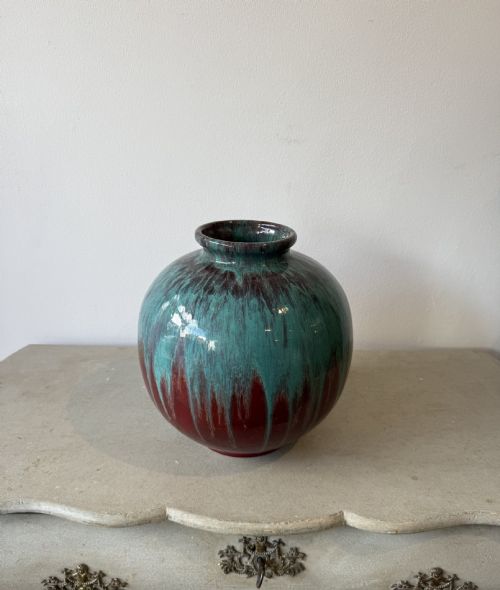
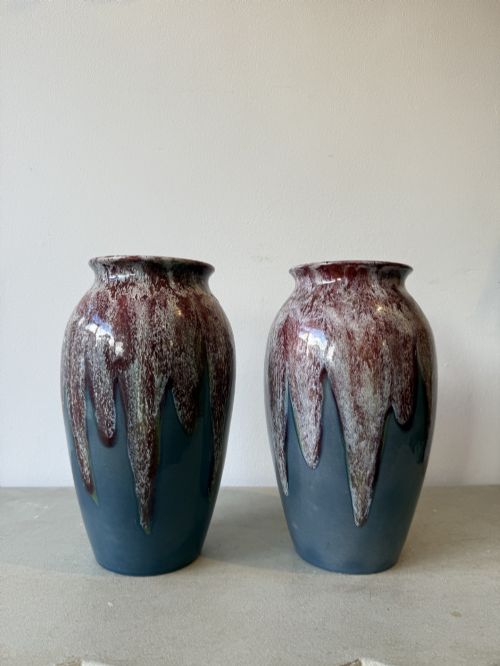
The selection ranges from eighteenth-century utilitarian earthenware and tin-glazed apothecary jars to twentieth-century art pottery and modernist studio works. Nineteenth-century confit pots and provincial oil jugs appear frequently alongside revival styles and decorative umbrella stands.
How they were made
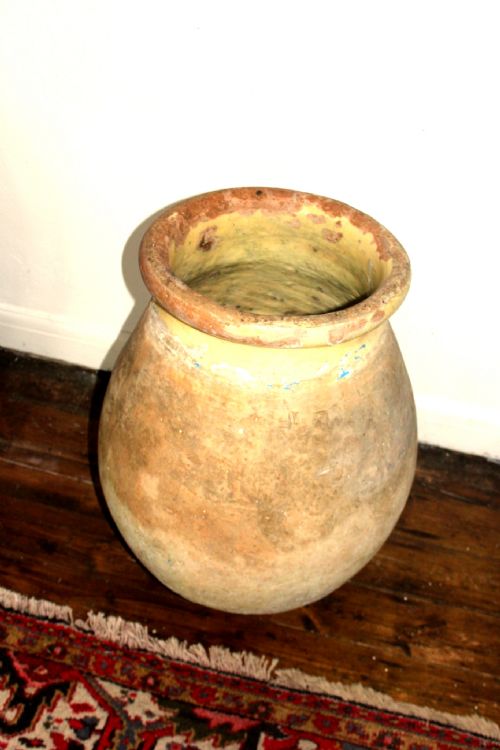
Potters shaped local earthenware and terracotta by hand, often leaving surface textures that show the marks of the wheel or mould. Many functional storage pieces feature a partially glazed interior to hold liquids while retaining a porous, matte exterior body.
Faience and porcelain examples utilise tin glazes and hand-painted floral or armorial designs, sometimes finished with gilt bronze mounts. Salt glazing and green lead glazes provide the protective surfaces seen on confit pots, vinegar barrels and garden containers.
Listings feature earthenware, terracotta, porcelain, and faience materials across periods spanning from the eighteenth century through the Art Deco era.
What varies in quality
Quality rests in the crispness of the hand-painted decoration, the integrity of the glaze, and the balance of the form. Earlier utilitarian pots derive their appeal from honest wear, historical patination and robust proportions rather than pristine factory finishes.
Art pottery and porcelain pieces from named makers or recognised houses display superior artistic control in their glazes, modelling and kiln execution. The presence of maker marks, such as those from Quimper or Sarreguemines, distinguishes standard provincial wares from notable studio productions.
Théodore Deck·Robert T Lallement·Sarreguemines·Mougin·Jacob Petit
The French Ceramic Vessels Glossary
- Confit pot
- A traditional French earthenware jar with one or two handles, used historically for preserving meat and food in fat. Most examples feature a glazed upper section and an unglazed lower body.
- Faience
- Tin-glazed earthenware produced in France, known for its opaque white surface and hand-painted decoration. It frequently appears in tableware, inkwells and decorative vases.
- Terracotta
- Fired unglazed or glazed clay of a brownish-red colour, commonly utilised for large garden pots, olive jars and dairy bowls. The material weathers naturally over time.
- Olive jar
- A large storage vessel designed for holding oil or olives, often equipped with multiple handles and heavy walls. These utilitarian pieces originate from various French provincial regions.
- Potpourri
- A decorative container pierced with holes or fitted with a lidded vessel to release scented dried plant material. Finer examples combine porcelain bodies with gilt bronze mounts.
French Ceramic Vessels: Frequently Asked Questions
How were French confit pots used?
Confit pots served as functional storage vessels in French farmhouses for preserving meats such as duck or pork submerged in fat. Their deep bodies and interior glazes kept provisions sealed from air and pests.
Over time, these utilitarian jars transitioned from farmhouse pantries into interior decor due to their robust terracotta forms and characteristic earth-toned glazes.
What is the difference between faience and porcelain?
Faience is a tin-glazed earthenware made from softer porous clay fired at lower temperatures, resulting in an opaque white background suited to painted decoration. Porcelain is a hard-paste or soft-paste ceramic fired at much higher temperatures, producing a dense, vitrified body that rings when struck.
Porcelain items like old Paris vases or potpourri holders display finer detail and smoother finishes compared to the rustic charm of regional faience.
How do I identify an eighteenth-century oil jar?
Eighteenth-century oil jars typically exhibit heavy terracotta or earthenware walls, multiple lug handles, and signs of prolonged exposure to agricultural use. Their forms are dictated by function, prioritising stability and capacity for storing agricultural oils.
Examining the surface reveals historical patination, kiln imperfections and wear patterns distinct from later nineteenth-century revival pieces.
Can these garden pots stay outside in winter?
Many large terracotta and earthenware vessels are porous and absorb moisture, making them susceptible to cracking during severe frost. Bringing pots indoors or sheltering them during freezing conditions preserves the historic clay body.
Unglazed provincial jars require particular care to prevent freeze-thaw damage from splitting the vintage material.