

French Carved Sofa
A french carved sofa brings sculptural woodwork and classical proportion into a room, offering deep comfort alongside historic continental character.
French Carved Sofa
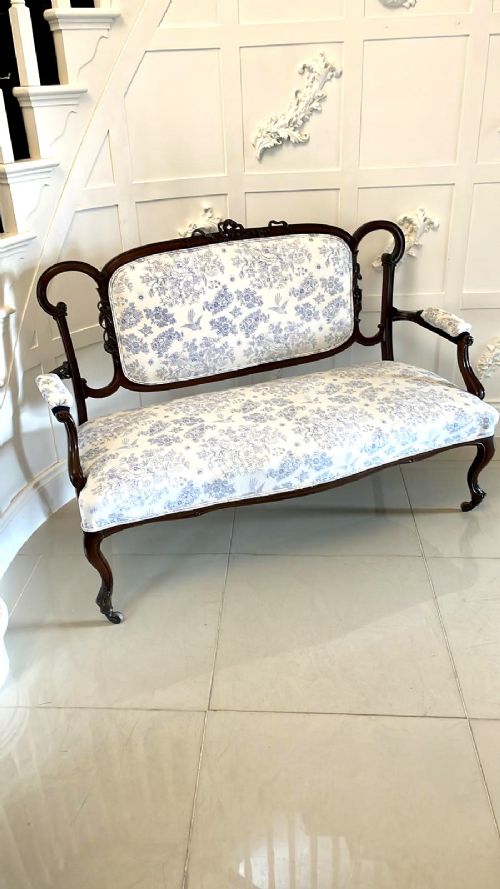
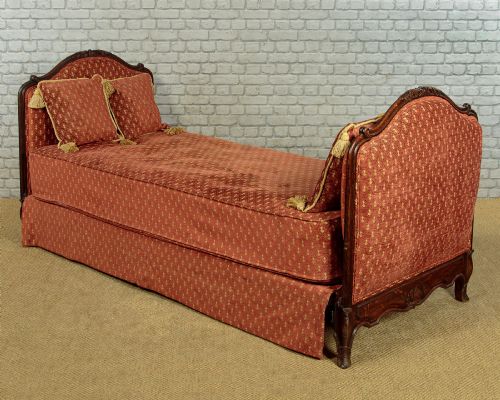
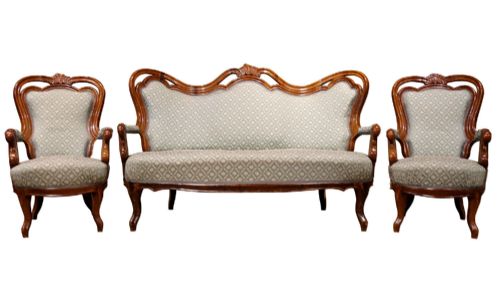
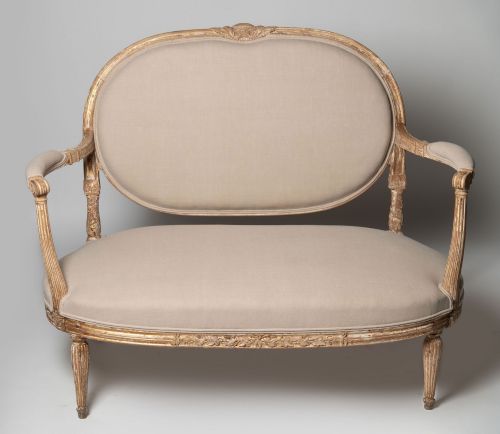
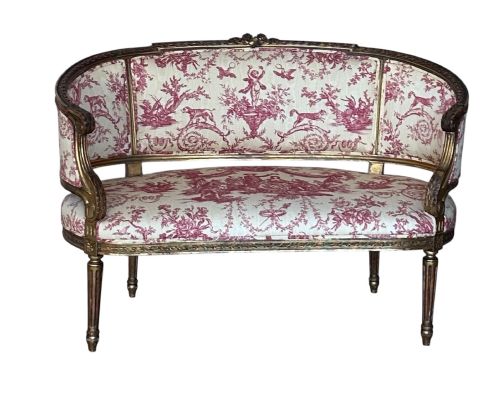
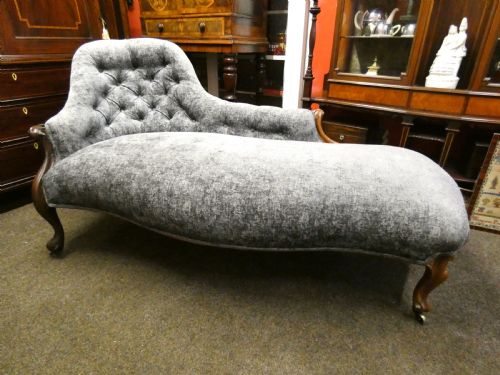
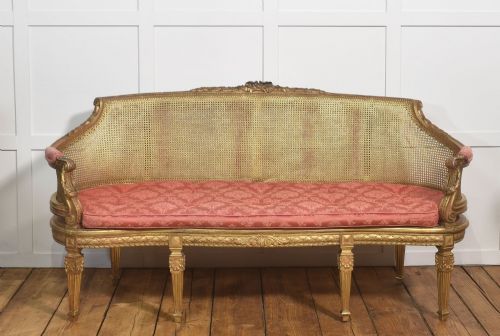
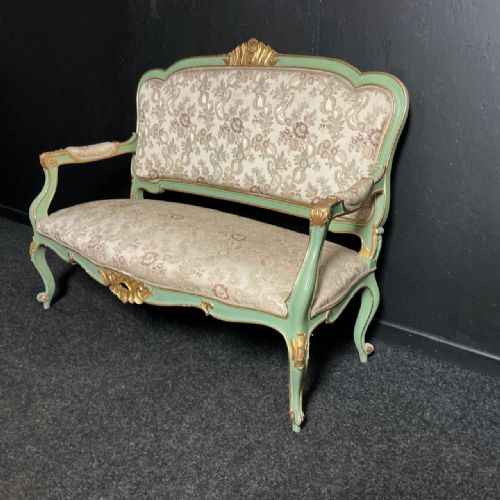
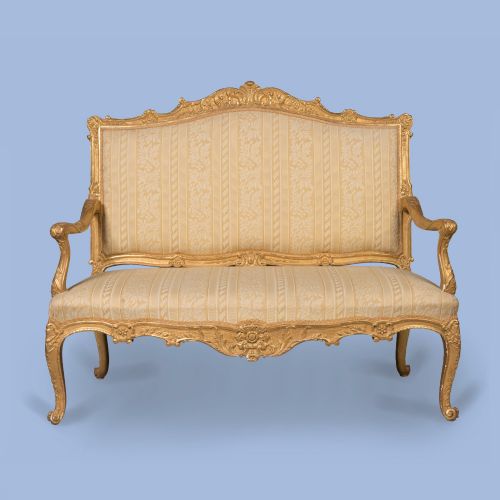
When you search for a french carved sofa, you encounter seating ranging from intimate boudoir love seats and two-seater bergères to expansive giltwood canapés and multi-piece salon suites. These pieces emerge predominantly from the nineteenth century through the early decades of the twentieth century, carrying the stylistic weight of the Louis XV, Louis XVI, and Rococo revivals.
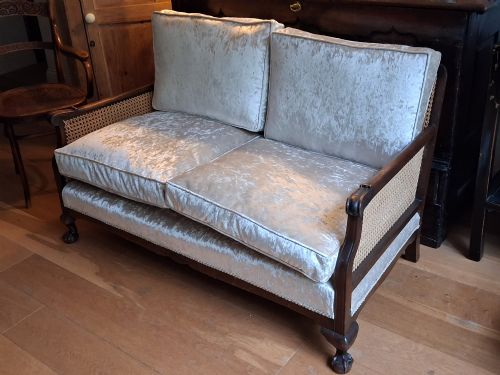
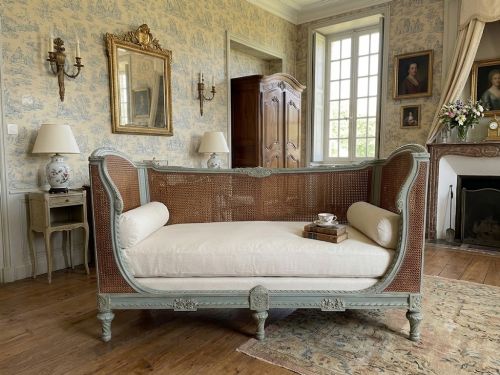
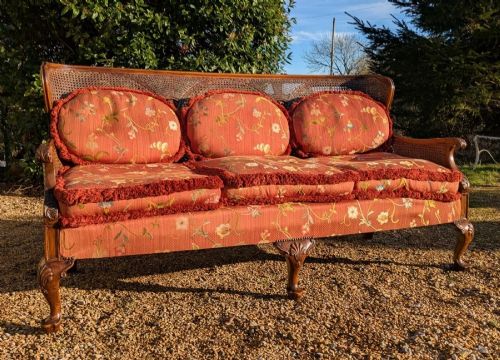
The forms span open-armed frames with detailed woodwork to upholstered daybeds, conversation seats, and caned day beds known as canapé corbeille. Walnut, mahogany, and giltwood dominate the structural choices, while cane panels and diverse fabric coverings define the backrests and seats.
Continental workshops and Victorian makers alike produced these seating forms, balancing ornamental woodwork with practical domestic comfort. Whether expressed through a painted finish, bleached oak, or polished walnut, each piece delivers a distinct architectural presence within a domestic interior.
How they were made
Cabinetmakers shaped these frames primarily from solid hardwoods such as walnut and mahogany, alongside lime or beech for giltwood and painted examples. Artisans carved floral motifs, scrollwork, and fluted legs directly into the timber before applying surface treatments like gilding, French polish, or paint.
Canework required precise weaving of natural rattan through drilled frame channels to create resilient, ventilated backrests and seats. Upholstered variants utilised traditional stuffing techniques, combining horsehair, feather cushions, and heavy textiles secured with individual tacks along the carved rails.
French Carved Sofa Retail Price Guide 2026
Typical asking prices for french carved sofa among the pieces listed under this phrase on Sellingantiques today, from the lower quarter to the upper quarter. They describe what is for sale here now, not the wider market.
Current listings feature walnut, mahogany, and giltwood structures spanning the nineteenth century through the nineteen-thirties.
What varies in quality
The distinction between ordinary production and superior work rests entirely in the crispness and depth of the wood carving. Master carvers undercut floral details and established smooth, symmetrical lines that ordinary joinery left flat or repetitive.
Material selection dictates longevity and visual depth, separating dense, figured walnut and genuine gold leaf applied to gesso from softer woods and modern metallic paints. Well-executed cane panels maintain uniform tension across curved frames without loose strands or rigid splays.
Jean-Joseph Chapuis
The French Carved Sofa Glossary
- Canapé
- An antique French sofa or settee, typically featuring an exposed wooden frame and upholstered seat. These pieces often follow the flowing asymmetrical lines of the Louis XV style or the straight fluted legs of the Louis XVI period.
- Bergère
- An enclosed upholstered armchair or small sofa featuring solid wooden sides and a cushioned seat. The back and arms are frequently lined with tight cane work or plush upholstery.
- Giltwood
- Timber coated with a thin layer of gold leaf over a prepared gesso ground. This finish catches candlelight and natural illumination in formal reception rooms.
- Salon suite
- A matching set of seating furniture comprising a small sofa and coordinating armchairs. These ensembles furnished formal nineteenth-century drawing rooms with unified decorative schemes.
- Canapé corbeille
- A basket-shaped French sofa featuring a curved back that wraps continuously into the armrests. This enclosed form provides a sheltered seating arrangement typical of nineteenth-century boudoirs.
French Carved Sofa: Frequently Asked Questions
How do I identify Louis XV and Louis XVI styles?
Louis XV pieces display asymmetrical curves, cabriole legs, and naturalistic floral carvings that reflect the flowing Rococo taste. The woodwork curves fluidly without straight lines.
Louis XVI furniture introduces neoclassical restraint, featuring straight fluted legs, geometric symmetry, and classical motifs like ribbons and acanthus leaves. Understanding this shift from curves to geometry helps date individual frames.
How should I care for antique cane work?
Antique cane requires moderate humidity to prevent the natural rattan fibres from becoming brittle and snapping under pressure. Avoid placing these sofas near direct heat sources or in overly dry indoor environments.
Cleaning should involve only a soft, dry brush to remove dust from the woven interstices. Avoid soaking the cane with water or harsh chemical cleaners.
Were these sofas used in formal rooms?
These seating forms occupied the principal reception rooms and salons of grand nineteenth-century townhouses and country residences. They provided structured seating for entertaining guests and displaying the household's taste.
Smaller variants such as boudoir settees and conversation seats functioned in private dressing rooms and intimate sitting spaces. Their scale and decoration reflected the social hierarchy of the domestic interior.