


French Carved Plant Stand
A french carved plant stand brings sculptural height and continental polish to an interior, holding flora or art with traditional grace.
French Carved Plant Stand
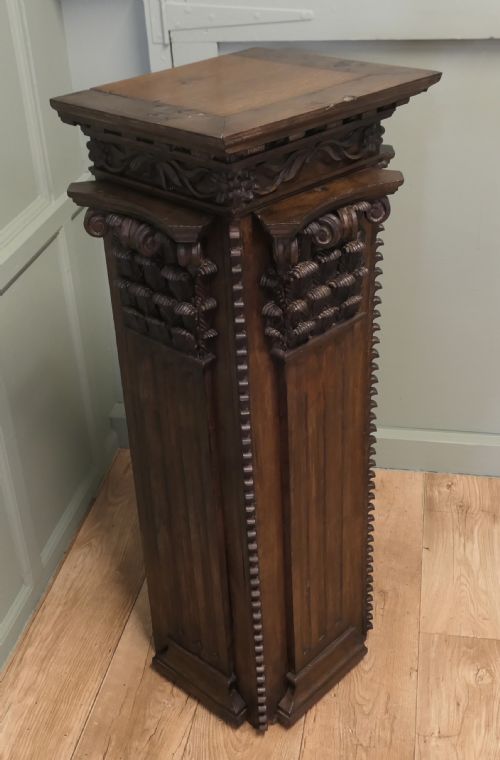
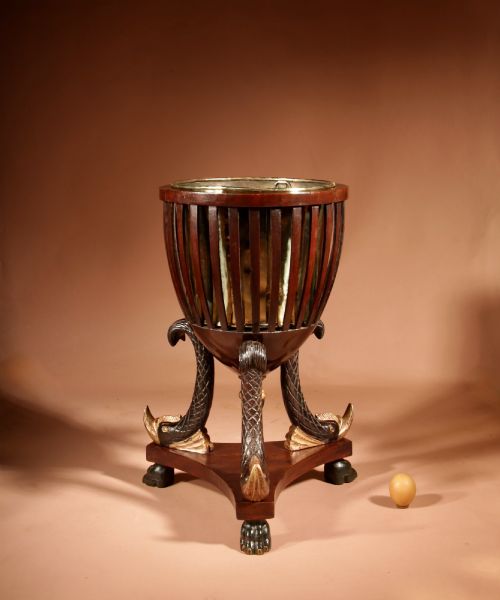
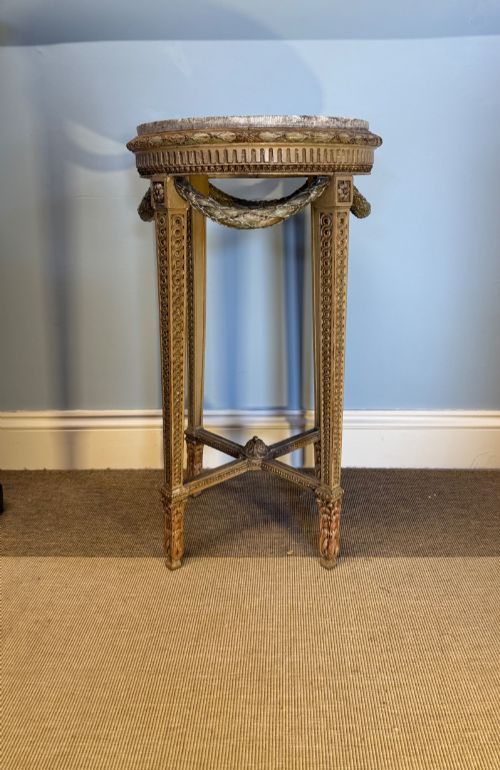
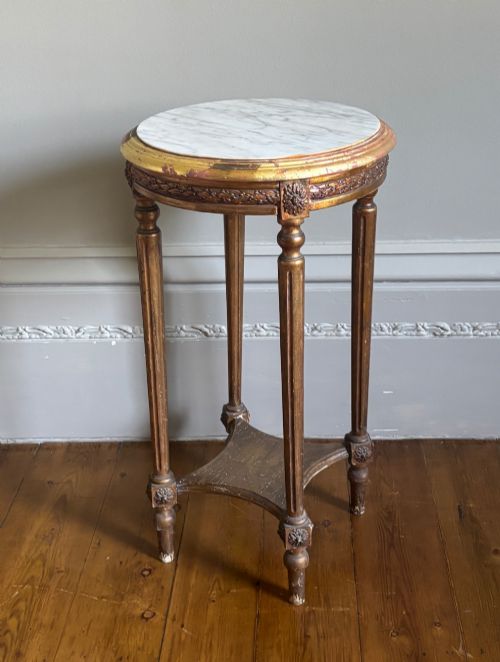
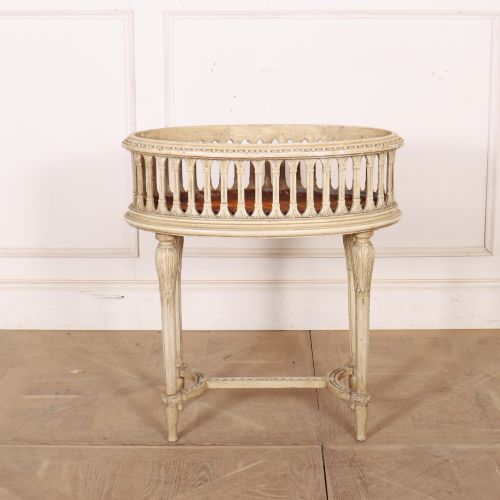
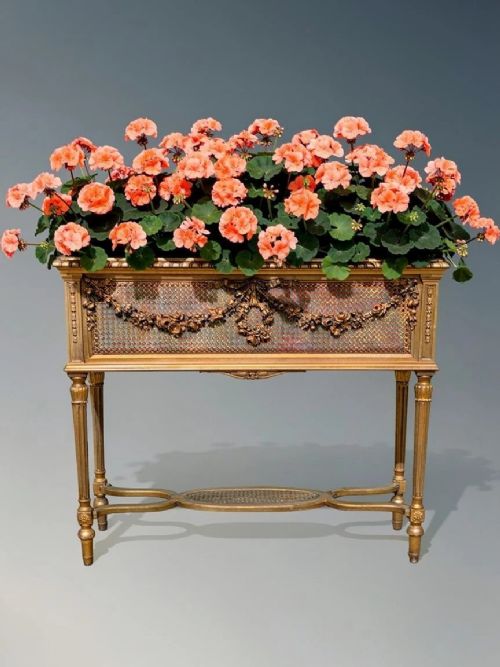
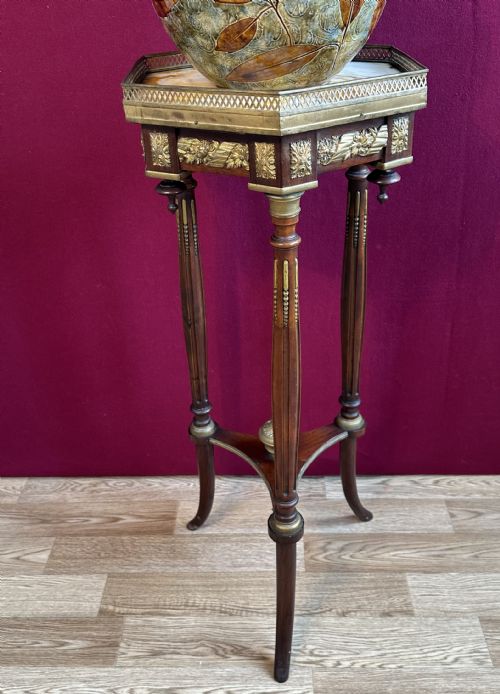
A french carved plant stand encompasses pedestal forms, jardinieres, and torchères designed to elevate decorative items within a room. These pieces emerge primarily from nineteenth-century workshops, drawing upon established continental vocabularies.
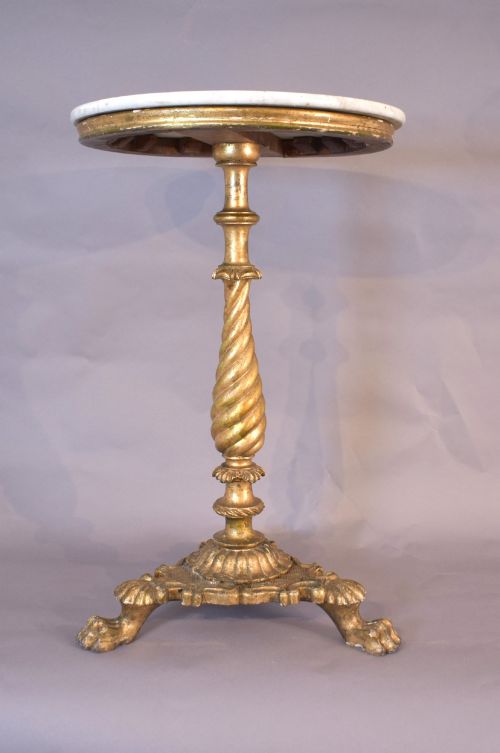
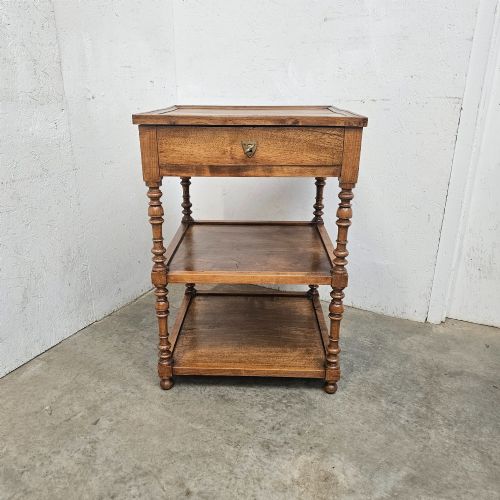
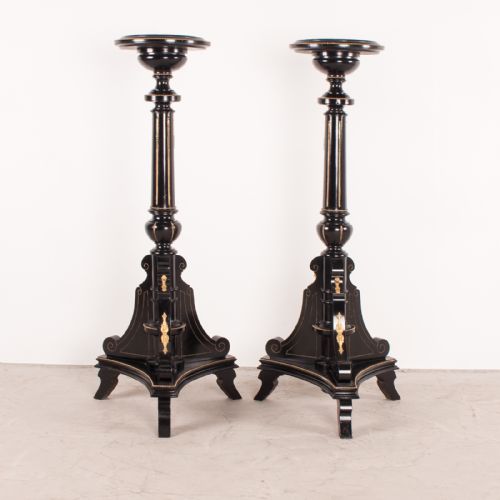
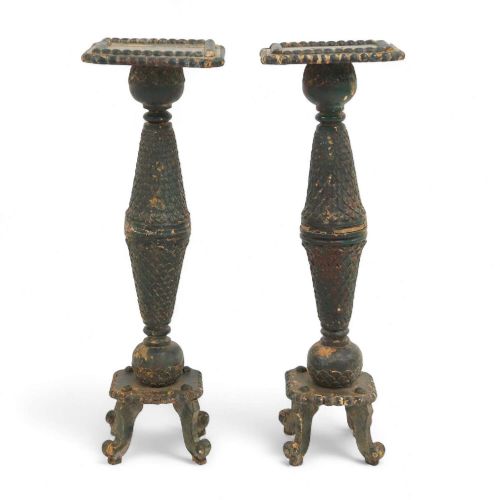
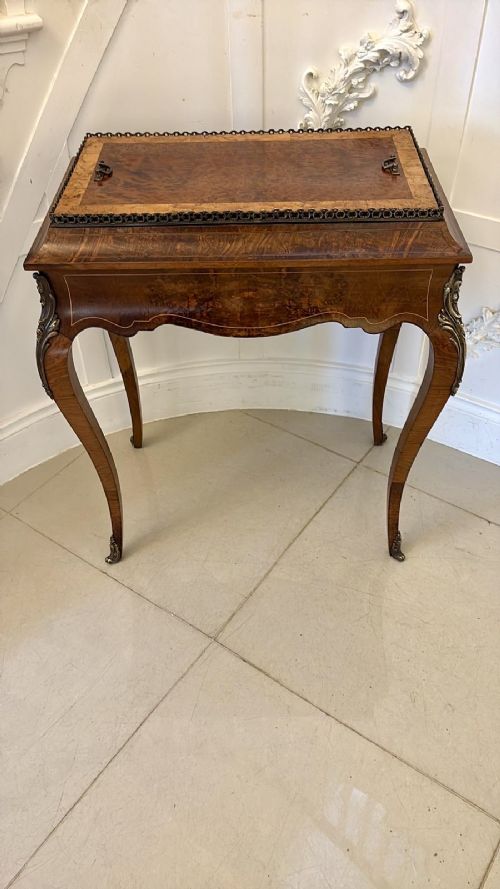
Buyers encounter distinct configurations such as marble-topped side tables, tiered etagères, and column pedestals. Walnut, mahogany, and giltwood provide the structural foundation for these varied botanical and display supports.
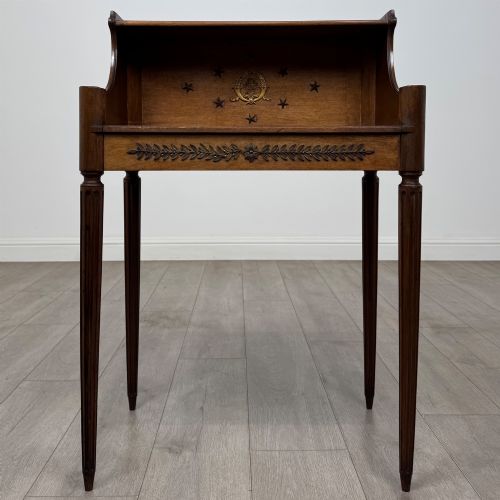
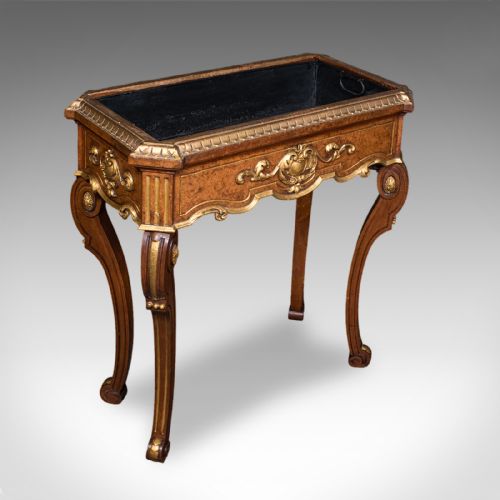
Stylistic influences span from French neoclassical and Empire layouts to opulent rococo revival interpretations. Each iteration reflects the period preference for combining functional plant housing with ornate decorative carving.
Materials and Construction
Cabinetmakers utilised hardwoods such as walnut, oak, and mahogany alongside softer timbers destined for gilding or paint. Structural integrity relied on traditional joinery techniques adapted to support heavy stone elements.
Surfaces frequently incorporate inset marble, onyx, or alabaster tops designed to resist moisture from potted plants. Ormolu mounts, brass details, and gesso enrich the timber frames through applied ornamentation.
Decorative finishes range from natural wood patination and ebonisation to deliberate polychrome paint and intricate canework. These surface treatments define the distinct visual weight of each individual stand.
Some stands double as decanter caddies, proving that plant lovers and hosts shared the exact same furniture.
The Measure of Quality
Excellence resides in the crispness of the hand-carved ornamentation and the selection of primary timbers. Superior examples display deep, deliberate chisel work rather than shallow or mechanical shaping.
The integration of materials dictates distinction, notably the weight and figuring of inset marble or onyx tops. Finer stands balance robust structural joinery with delicate mounts and harmonious proportions.
Gabriel Viardot
The French Carved Plant Stand Glossary
- Jardinere
- A decorative container or stand specifically designed to hold plants and flowers indoors. These pieces often feature waterproof liners or inset stone tops to protect the surrounding timber.
- Torchère
- A tall, slender stand or pedestal originally built to support a candle or light source. In later periods, these forms adapted to hold urns, busts, and floral arrangements.
- Ormolu
- Gilded bronze ornamentation applied to furniture and decorative objects during the eighteenth and nineteenth centuries. The technique involves treating metal with a mercury and gold amalgam before firing.
- Gesso
- A plaster-like mixture applied to wood surfaces to provide a smooth base for gilding or painting. Artisans model or stamp this compound to create raised relief decoration.
- Etagere
- A piece of furniture consisting of open shelves for displaying small objects or plants. This form provides vertical storage and display capability within domestic spaces.
French Carved Plant Stand: Frequently Asked Questions
What is a french carved plant stand used for?
These pieces function primarily to elevate potted plants, ferns, or decorative items within a reception room or hallway. Their vertical format draws the eye upward and introduces botanical elements at varied heights.
Historically, they also served to display prized sculptures, porcelain urns, or table lamps. Today, collectors utilise them to break up flat expanses in a room while adding period character.
How do I care for marble top stands?
Stone tops require protection from acidic substances and moisture rings left by ceramic pots. Use breathable felt pads or saucers beneath plants to prevent condensation pooling on the marble or wood.
Clean the stone surface with a damp cloth and mild soap, avoiding harsh chemical cleaners. Regular dusting keeps the carved timber and gilt elements preserved.
Are these stands sturdy enough for heavy plants?
Most nineteenth-century pieces utilise dense hardwoods like walnut and oak, providing substantial weight and stability. However, the centre of gravity varies depending on the base configuration and the weight of the marble top.
Tripod designs and narrow column pedestals require careful placement in high-traffic areas to avoid tipping. Selecting appropriately sized pots ensures the structural balance remains uncompromised.
How do I identify the period of a stand?
Stylistic cues such as neoclassical symmetry, Empire giltwood, or rococo curves offer initial indications of a piece's era. Examining the timber grain, secondary woods, and hand tool marks helps confirm nineteenth-century manufacture.
wear patterns on the feet and the oxidation of brass or ormolu mounts provide further clues to age. Comparing construction methods against documented workshop practices clarifies the timeline.