




French Carved End Table
A french carved end table brings continental elegance to a room, offering compact utility alongside hand-chiselled detail.
French Carved End Table
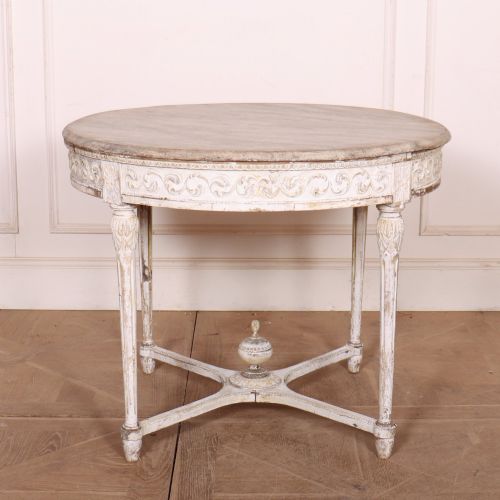
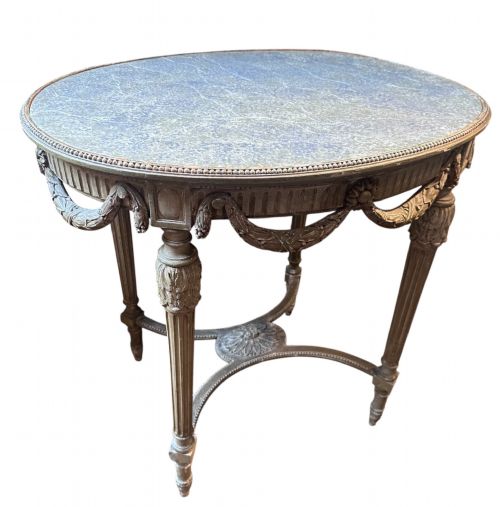
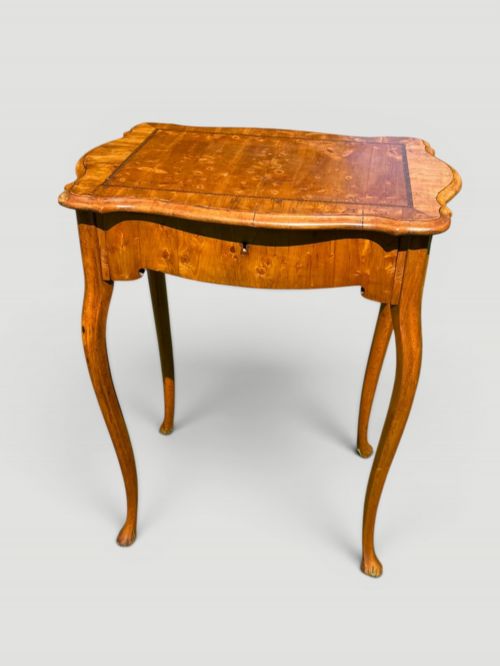
When you search for a french carved end table, you encounter a variety of compact occasional surfaces ranging from rustic provincial walnut to ornate giltwood revival pieces. These items serve beside chairs or beds, providing a small surface for lamps and personal items while introducing period character.
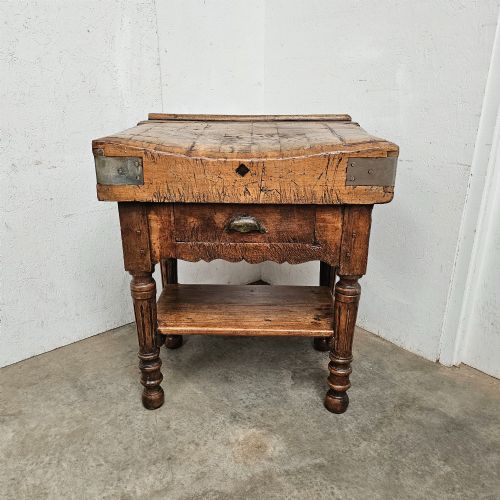
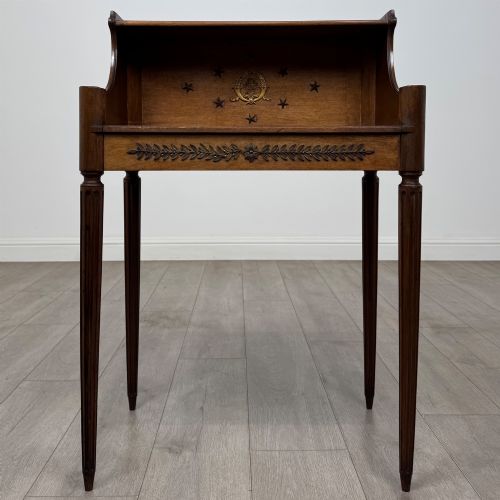
The selection on this page spans several centuries, touching upon the eighteenth, nineteenth, and early twentieth periods. You will find forms described as side tables, gueridons, lamp tables, and bedside cabinets alongside provincial chopping blocks and window seats.
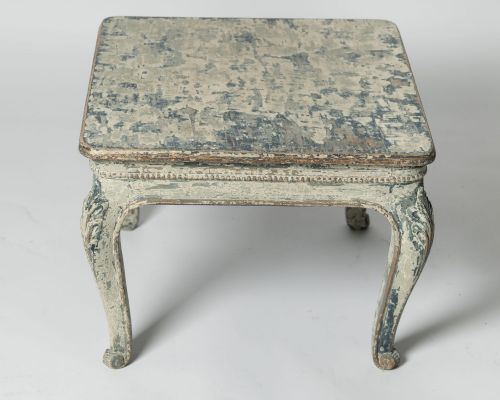
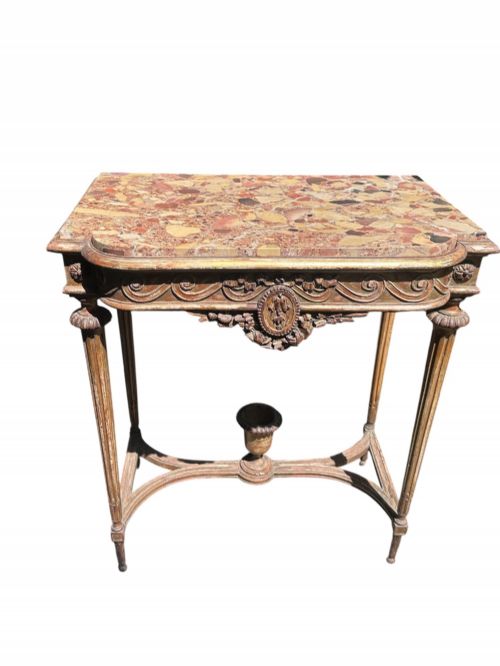
Provincial pieces lean towards honest country timbers like oak and elm, often shaped with simple turned legs or understated carving. Revival items draw heavily upon courtly idioms such as Louis XV and Louis XVI, incorporating shaped tops, cabriole supports, and intricate ornamentation.
Materials and construction methods
Cabinet makers utilised a rich palette of hardwoods including walnut, oak, mahogany, beech, elm, and rosewood. Sections often feature solid timber for structural elements, whilst finer surfaces employ decorative burr veneers or painted finishes.
Ornamentation relies heavily upon hand carving directly into the wood, supplemented by giltwood accents and cast ormolu mounts made from brass. Certain surfaces incorporate inset marble tops, requiring precise stone-masonry skills to fit the recessed framework.
Listings feature items from the eighteenth, nineteenth, and early twentieth centuries, including Edwardian examples.
Distinguishing quality across the range
The standard of carving defines much of the hierarchy, distinguishing sharp, deep-relief hand chiselling from softer, mechanical replication. Crisp floral motifs and well-defined mouldings reveal the hand of a skilled artisan rather than hasty workshop production.
Materials and hardware further separate the ordinary from the exceptional. Heavy cast ormolu mounts, select figured walnut or rosewood veneers, and integrated marble tops indicate a higher grade of execution intended for opulent interiors.
Henry Dasson
The French Carved End Table Glossary
- Gueridon
- A small round occasional table supported by a central column or tripod base, originating in seventeenth-century France.
- Ormolu
- Gilded bronze or brass mounts applied to furniture for decorative effect during revival and court periods.
- Provincial
- Furniture made in the regions outside Paris, favouring local timbers and simpler designs over courtly sophistication.
- Louis XV Revival
- A nineteenth-century style imitating the flowing, asymmetrical curves, cabriole legs, and naturalistic carvings of the mid-eighteenth-century French court.
French Carved End Table: Frequently Asked Questions
What is the difference between a gueridon and an end table?
A gueridon is a specific type of small circular table usually raised on a central pillar or three-legged stand. End tables encompass a broader range of rectangular, square, or kidney-shaped occasional surfaces.
Both serve similar functional roles beside seating, but the gueridon carries a distinct classical lineage rooted in French interior design.
How do I identify a provincial piece from a court style?
Provincial pieces utilise regional timbers like elm and country oak, displaying sturdier proportions and restrained carving. Court styles such as Louis XVI employ refined mahogany, walnut, or giltwood with classical symmetry and elaborate ornamentation.
Regional furniture prioritises domestic utility, whereas revival pieces echo the formal aesthetics of royal palaces.
Where should I place a marble-topped table?
Marble-topped tables suit lamp settings, hallways, or bedside areas where moisture or heat resistance is beneficial. The stone surface offers durability and a cool texture that contrasts with warm wood finishes.
Ensure the table rests on a level floor to maintain the stability of the heavy stone top.
How do I care for antique French wood finishes?
Maintain polished wood surfaces with gentle dusting using a soft, dry cloth. Avoid placing items in direct sunlight or near heat sources to prevent timber splitting and veneer lifting.
Occasional application of appropriate wax preserves the lustre of walnut and oak without building up heavy residue.