


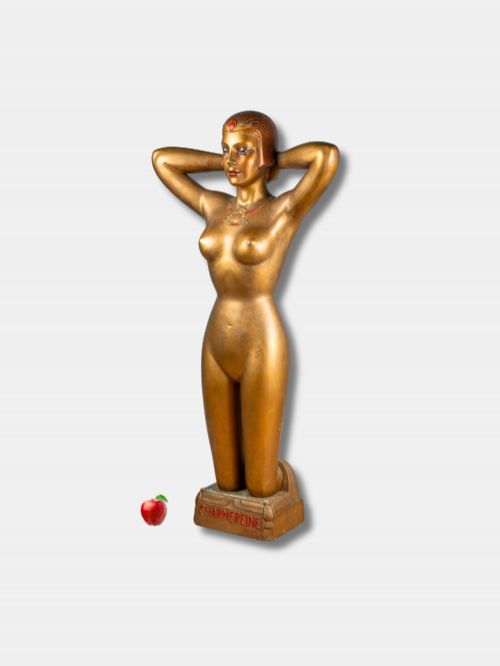
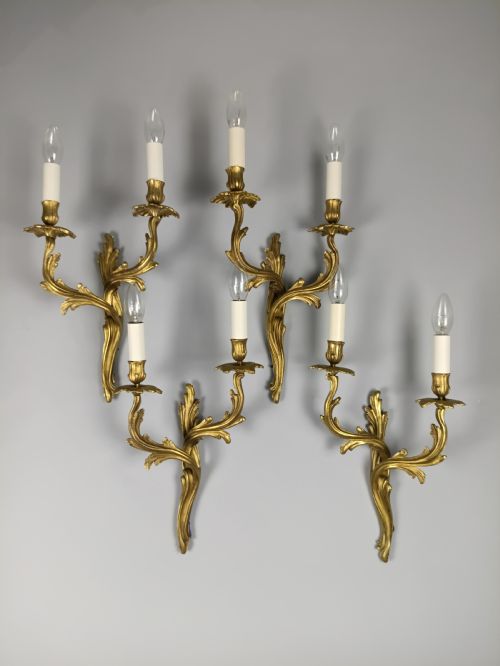

French Bronzes 1920s
These french bronzes 1920s combine sculptural elegance and decorative utility, offering collectors enduring examples of early twentieth-century artistry.
French Bronzes 1920s
When you search for french bronzes 1920s, you encounter a selection spanning foundational modernist designs and ornate revival pieces.
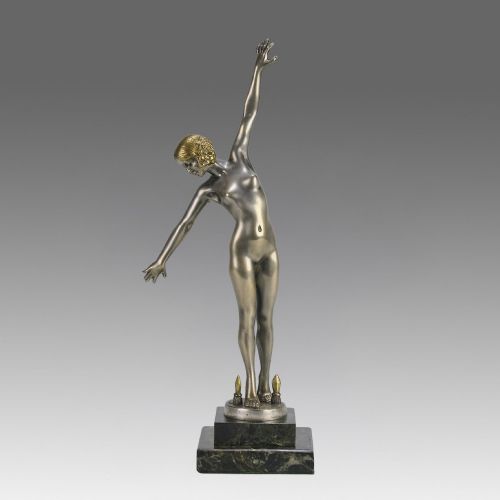
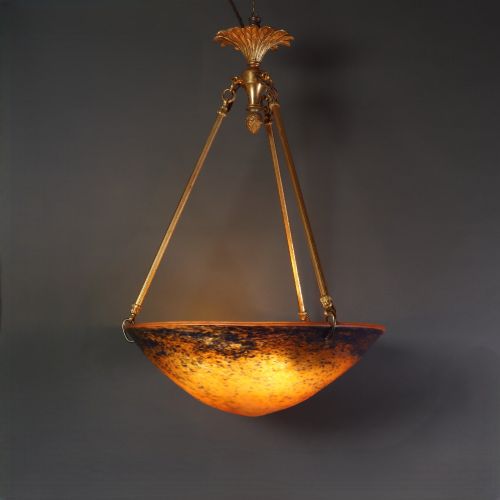
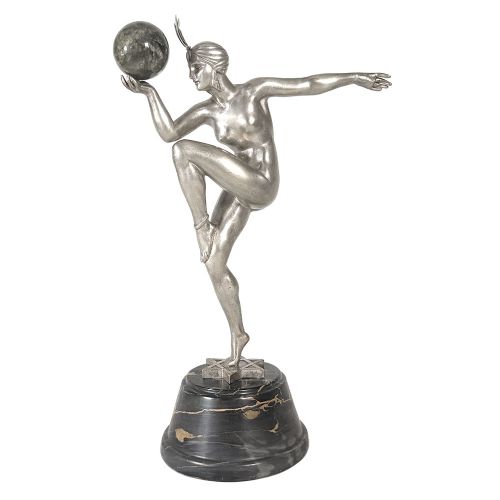
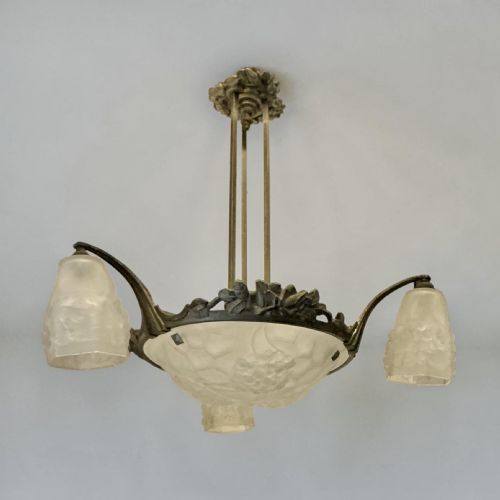
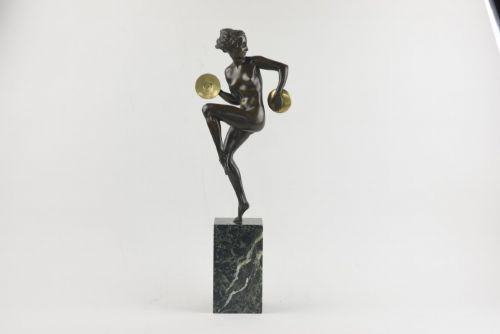
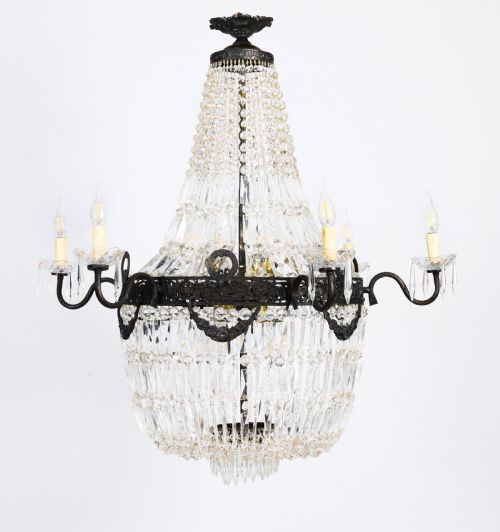
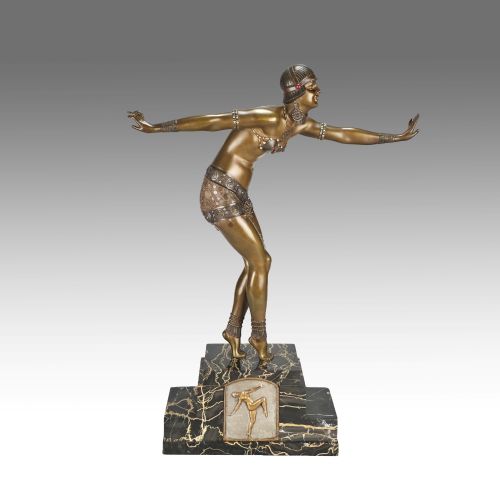
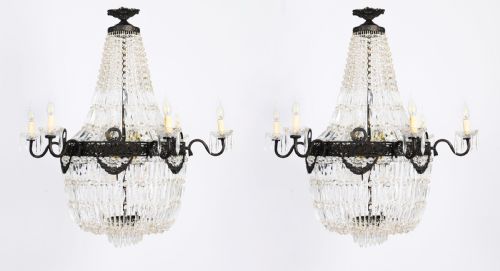
The objects take many functional and decorative forms, ranging from figural dancer sculptures to chandeliers, wall lights, and mantel clocks.
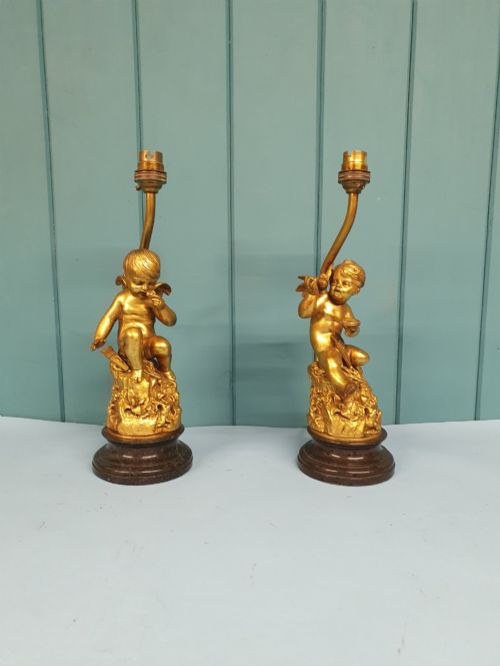
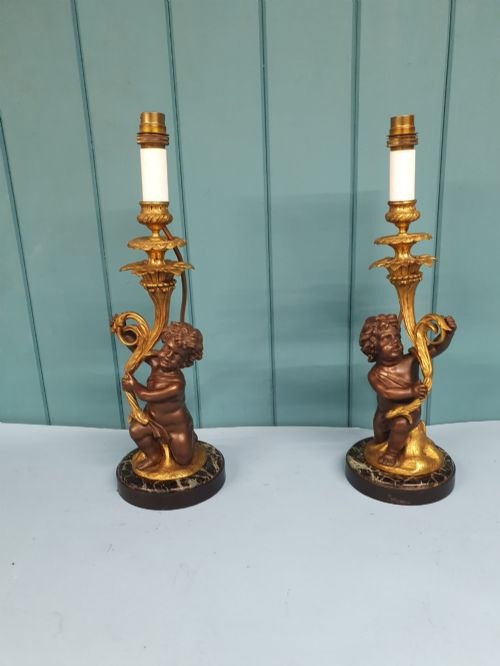
Most pieces align with the Art Deco aesthetic, though Neo-Classical and Louis Revival examples also appear across the selection.
How They Were Made
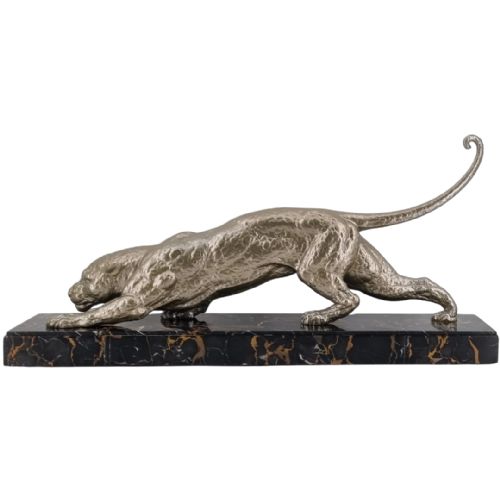
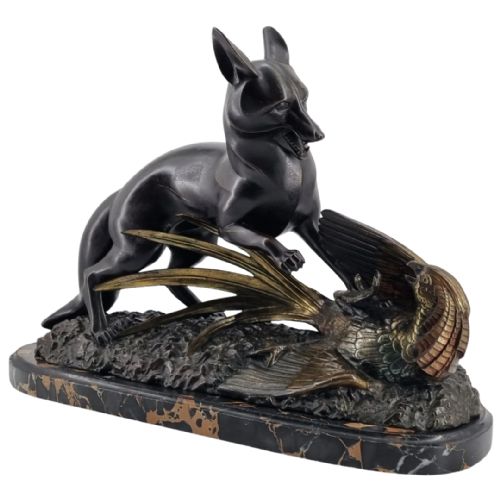
Maker studios cast figures primarily in bronze, silvered bronze, and gilt bronze, frequently mounting them on marble or onyx plinths.
Lighting fixtures and furniture incorporate brass, ormolu, and cut crystal, alongside specialised glass components from makers such as Charles Schneider and Degué.
French Bronzes 1920s Retail Price Guide 2026
Typical asking prices for french bronzes 1920s among the pieces listed under this phrase on Sellingantiques today, from the lower quarter to the upper quarter. They describe what is for sale here now, not the wider market.
The selection includes items from the 1890, 1910, 1920, and 1930 periods.
What Varies in Quality
Quality rests in the crispness of the casting and the finesse of the surface patination, distinguishing accomplished works from standard production pieces.
Signatures by recognised modellers and founders elevate an object, as do substantial stone bases and intact original mountings.
Ouillon Carrere·Charles Schneider·Lavroff·D. H. Chiparus·Maurice Giraud-Rivière·Degué·Demetre Chiparus·Aurore Onu·C J R Colinet·Charmereine·Zoldan Kovats·Jaeger·Tour de France·P. Sega·Maurice Guiraud Riviere·Paul Philippe·Colinette·Pierre Le Faguays·Claire Jeanne Roberte Colinet·Pierre Laurel·Rene Andre Varnier·Paul de Boulogne
The French Bronzes 1920s Glossary
- Art Deco
- A design style characterised by streamlined shapes, geometric patterns, and stylized figurative representations. It dominated decorative arts through the nineteen-twenties.
- Ormolu
- Gilt bronze ornamentation applied to furniture, clocks, and lighting fixtures. This technique involves coating metal with a mercury-gold amalgam to achieve a rich golden finish.
- Chryselephantine
- A term describing statues made from a combination of bronze and ivory. Artists utilised this method extensively for dancer figures during the Art Deco period.
- Plafonnier
- A ceiling-mounted glass light fixture designed to diffuse illumination evenly. These pieces often feature moulded or enamelled art glass panels.
- Spelter
- A zinc alloy utilised as a cost-effective substitute for bronze in decorative figures and lamps. Manufacturers frequently painted or bronzed the surface to imitate heavier metals.
French Bronzes 1920s: Frequently Asked Questions
Where should I place a bronze figure?
These sculptures sit well on sturdy mantelpieces, sideboards, or dedicated display tables where adequate lighting highlights the patination and details.
Keep them away from direct heat sources and strong moisture to protect the underlying metal and any mounted marble or onyx bases.
How do I care for antique bronze?
Dust the surface regularly with a soft, dry cloth to prevent grime accumulation without disturbing the original patina.
Avoid using chemical polishes or abrasive cleaners, which can strip away the specialised coloration applied during manufacture.
How do I distinguish Art Deco from revival styles?
Art Deco pieces favor clean lines, stylized anatomy, and dynamic movement, particularly in dancer figures and geometric lamp shades.
Revival pieces, such as Louis XV or Neo-Classical examples, rely on symmetrical scrollwork, cherub motifs, and ornate crystal arrangements.