




French Bronze Souvenir
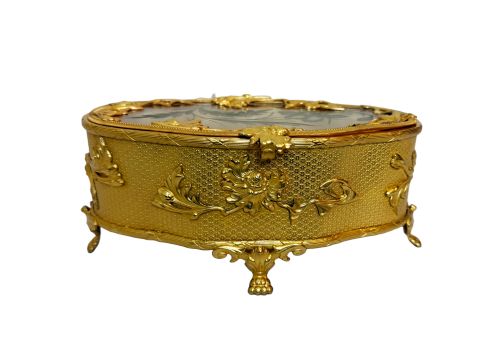
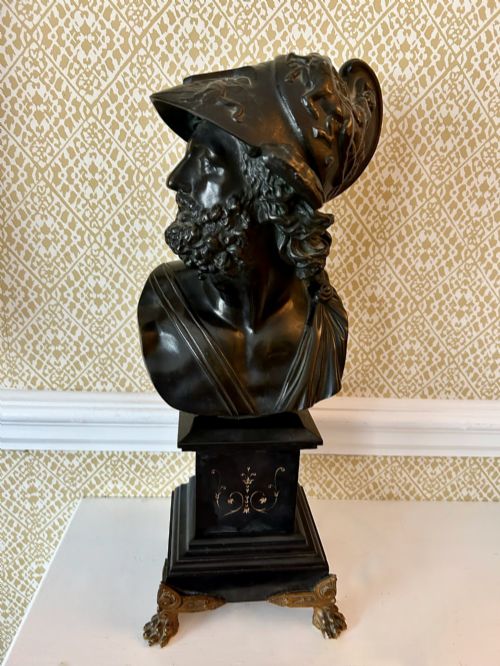
These pieces of french bronze souvenir material are classic mementos from nineteenth-century travels, capturing classical antiquity and famous monuments for the home.
French Bronze Souvenir
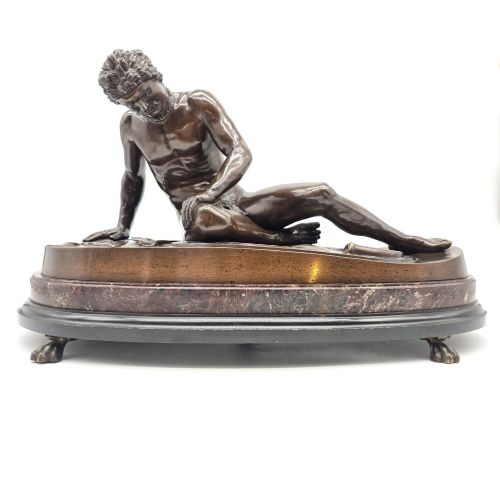
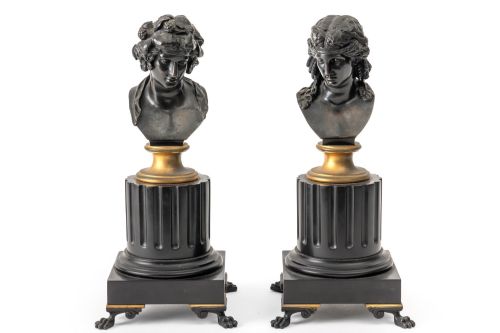
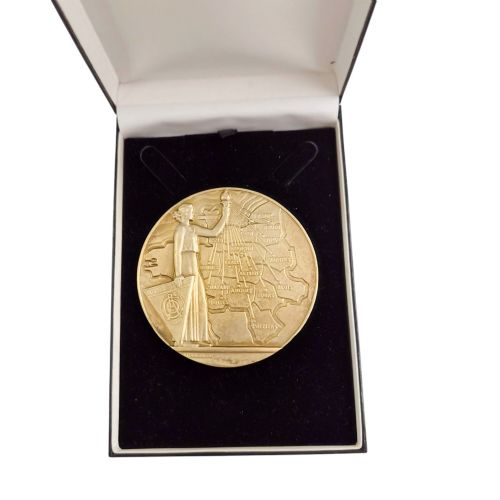
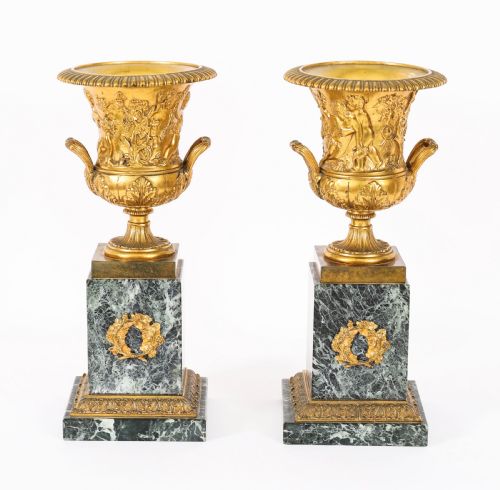
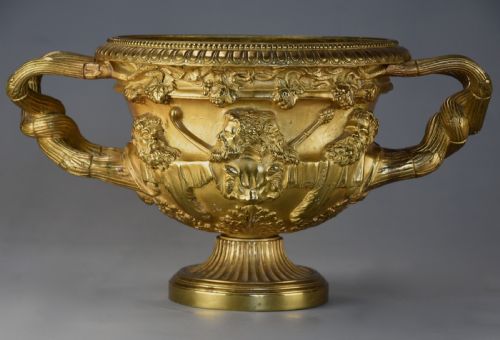
A french bronze souvenir typically takes the form of a small-scale sculpture, architectural model, or desk accessory created for travellers on the Grand Tour. The selection here spans the nineteenth century, featuring subjects drawn from classical mythology and famous antiquities such as the Warwick Vase, the Vendome Column, and the Venus de Milo.
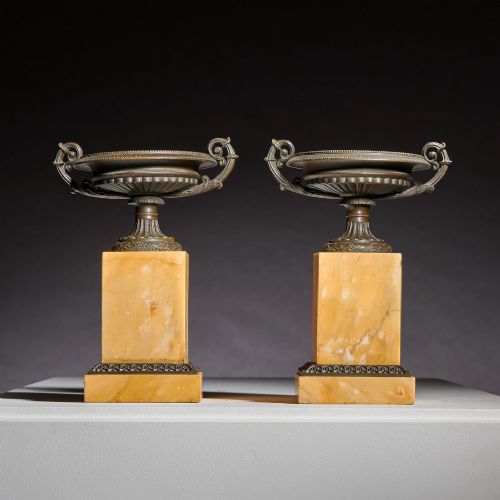
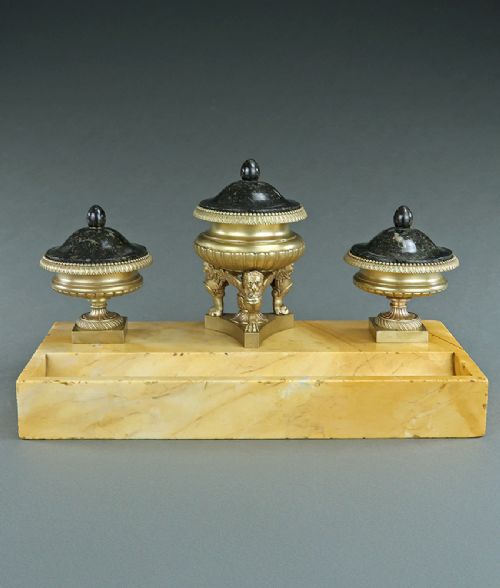
Forms include decorative urns, tazzas, inkstands, and candlesticks, often incorporating contrasting stone bases. These objects brought classical culture and European travel memories directly into nineteenth-century domestic interiors.
How they were made
The objects are primarily fashioned from cast bronze, often with patinated or gilt surfaces alongside bright ormolu highlights. Artisans paired these metal elements with heavy natural stones such as Siena marble and green marble for pedestals and bases.
French Bronze Souvenir Retail Price Guide 2026
Typical asking prices for french bronze souvenir among the pieces listed under this phrase on Sellingantiques today, from the lower quarter to the upper quarter. They describe what is for sale here now, not the wider market.
Listings feature items spanning the nineteenth century, incorporating materials like bronze, ormolu, Siena marble, and green marble in Neoclassical and Grand Tour styles.
What varies in quality
Quality shows in the crispness of the casting and the finesse of the hand-finishing on the metal surface. Better examples retain sharp anatomical details in figures and clean architectural lines on columns and monuments.
The choice and preparation of the mounting materials also set pieces apart, particularly the rich figuring of the Siena marble bases and the durability of the original gilding or patination.
The French Bronze Souvenir Glossary
- Grand Tour
- A traditional trip through Europe undertaken by upper-class young men and travellers to study the arts and antiquities of Italy and France.
- Ormolu
- Gilded bronze applied to decorative objects and furniture, popular in French manufacturing for adding bright metallic accents.
- Tazza
- A shallow bowl or cup mounted on a stem and foot, frequently produced in bronze and marble as a decorative ornament.
- Encrier
- A portable writing desk set or inkstand, often fitted with wells and compartments for pens and ink.
- Reduction
- A small-scale copy of a larger monumental sculpture or architectural work, achieved through mechanical or manual scaling.
French Bronze Souvenir: Frequently Asked Questions
What is a french bronze souvenir?
These items are nineteenth-century decorative objects and miniature sculptures purchased by travellers visiting cultural sites in Europe.
They serve as tangible reminders of classical art, architecture, and historic monuments.
How were these bronzes used originally?
Travellers displayed them on mantelpieces, desks, and side tables as conversation pieces that demonstrated classical learning and refined taste.
Some forms, such as inkstands and candlesticks, also served practical everyday functions in studies and drawing rooms.
How do I style them at home?
Place smaller bronzes and tazzas on bookshelves, sideboards, or desk tops where their sculptural details can be appreciated up close.
Pair them with neutral backgrounds or wooden surfaces to highlight the contrasting tones of the bronze and marble bases.
How can I tell the period?
Look to the casting methods, the depth of the bronze patination, and the specific style of the marble plinths.
Nineteenth-century pieces often reflect distinct design movements like Neoclassicism, the French Empire style, or later Victorian interpretations of antiquity.