







French Bronze Inkstand
These heavy desktop receptacles turn daily correspondence into a grand ritual, marrying sculptural metalwork with cool stone bases.
French Bronze Inkstand
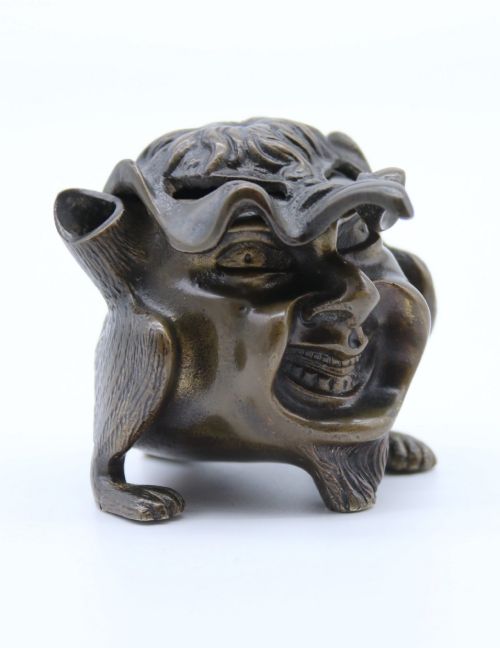
A french bronze inkstand brings together heavy cast metal elements and polished stone trays to hold writing implements and ink. These desk accessories appear in forms ranging from austere neoclassical platforms to whimsical figural compositions involving animals or clowns.
The most common examples on this page combine patinated or gilded bronze mounts with marble plinths, often housing lidded glass wells inside decorative housings. Dating stretches across the nineteenth century into the early twentieth century, taking in Empire, Napoleon III, and Art Nouveau idioms.
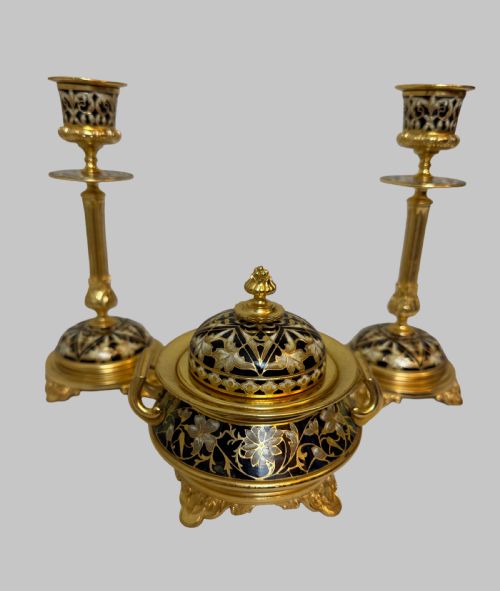
Makers and foundries utilised varied metals alongside stone bases, creating unified desk sets that sometimes included matching candlesticks or caskets. Buyers encounter both single and double inkwell configurations designed for the executive desk of the period.
Materials and construction
Foundries cast bronze, ormolu, and gilded brass components through traditional methods, applying chemical patination or mercury gilding to achieve varied surface finishes. Champleve enamel and silvered treatments also appear on select pieces.
Metalwork mounts secure directly to heavy bases of Sienna marble, vert marble, or onyx, providing the necessary weight and stability for a writing desk. Master artisans integrated fitted hinged lids and porcelain or glass well liners within the metal frameworks.
French Bronze Inkstand Retail Price Guide 2026
Typical asking prices for french bronze inkstand among the pieces listed under this phrase on Sellingantiques today, from the lower quarter to the upper quarter. They describe what is for sale here now, not the wider market.
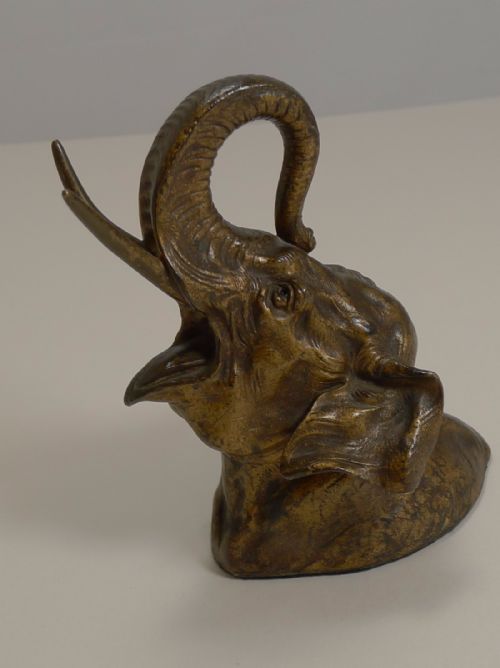
Sculptural flights of fancy turn practical ink storage into playing kittens, groaning clowns, and watchful lions.
Assessing craftsmanship and finish
The precision of the cast dictates overall quality, separating sharply chiselled figural details and crisp acanthus mounts from softer, generalised production. Superior pieces retain their original mercury gilding or deep patination without excessive rubbing or cleaning wear.
The choice and preparation of the underlying stone base mark the hierarchy of the piece, with dense, unblemished marble slabs carrying superior architectural presence. Signed foundry works or identifiable artist casts command greater attention through documented provenance.
Lefebvre of Belgium·Albert Marionnet·Jules Dalou·Maurice Dufrene·Ernest Louis Adnin
The French Bronze Inkstand Glossary
- Encrier
- The traditional French term for an inkstand or inkwell desk accessory. This designation often appears on formal continental desk pieces.
- Ormolu
- Gilded bronze produced by applying a mercury and gold amalgam to a bronze base and firing it. The technique yields a distinctive, durable golden lustre.
- Patinated Bronze
- Metal treated with chemical solutions to produce a controlled surface colour such as dark brown or green. This finish protects the bronze while highlighting sculptural contours.
- Champleve
- An enamelling technique where troughs are dug into the metal surface and filled with vitreous paste before firing. It creates colourful geometric or floral bands on desk mounts.
- Grand Tour
- The nineteenth-century practice where wealthy travellers collected classical souvenirs in Europe. Inkstands from this tradition often utilise architectural marble and patinated bronzes.
French Bronze Inkstand: Frequently Asked Questions
What is a french bronze inkstand?
A desktop writing accessory combining cast bronze, ormolu, or brass elements with a heavy stone base to hold ink.
These pieces range from simple classical trays to elaborate figural compositions featuring animals, busts, or theatrical characters.
How do I date these inkstands?
Dating relies on stylistic shifts from early nineteenth-century Empire severity through Napoleon III ornamentation to flowing Art Nouveau lines.
Material choices like Sienna marble or champleve enamel also provide strong chronological indicators for the piece.
Were these used for daily writing?
Wealthy households and offices utilised these heavy stands to hold ink reservoirs and quill or pen rests during correspondence.
They sat permanently on desks as both functional tools and displays of domestic status.
How should I clean the marble base?
Dust the stone gently with a dry microfiber cloth and avoid harsh chemical cleaners that might etch the polished surface.
Metal mounts require similar caution to preserve original gilding or patination without abrasive rubbing.