

French Bronze Fixture
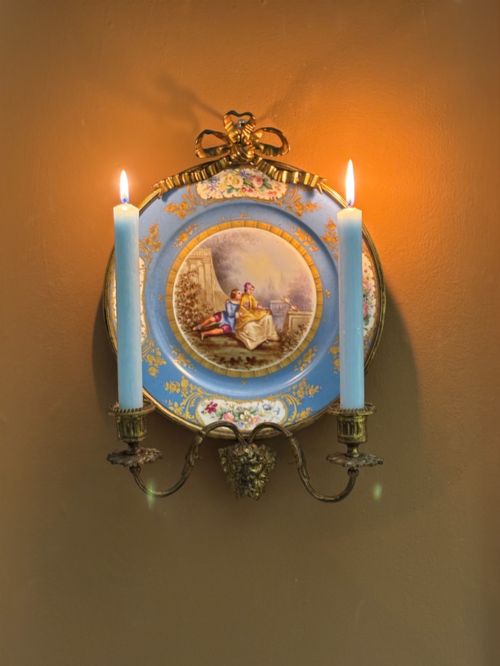
A French bronze fixture brings historical weight and elaborate metalwork to a room through chandeliers, wall lights and lanterns.
French Bronze Fixture
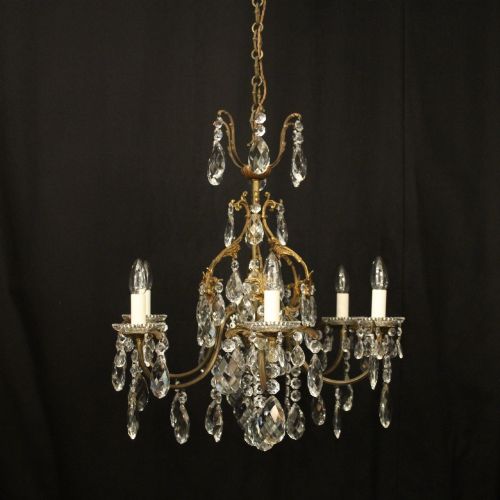
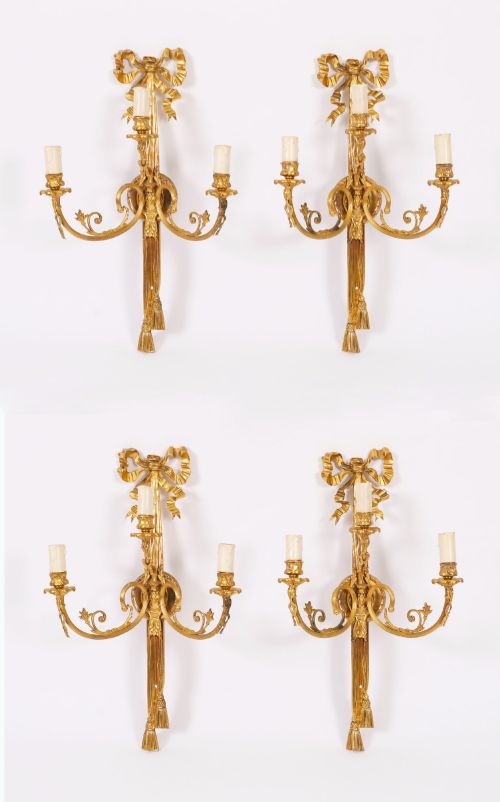
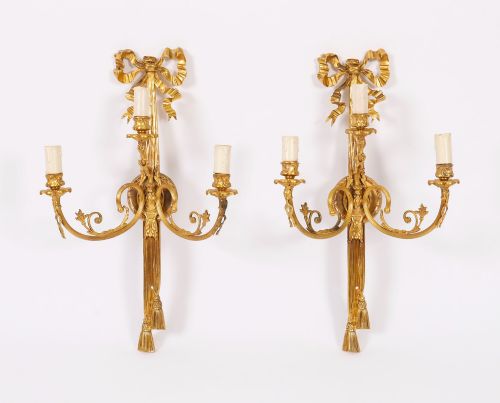
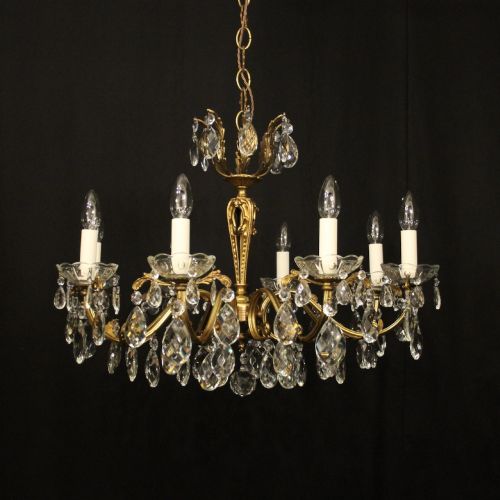
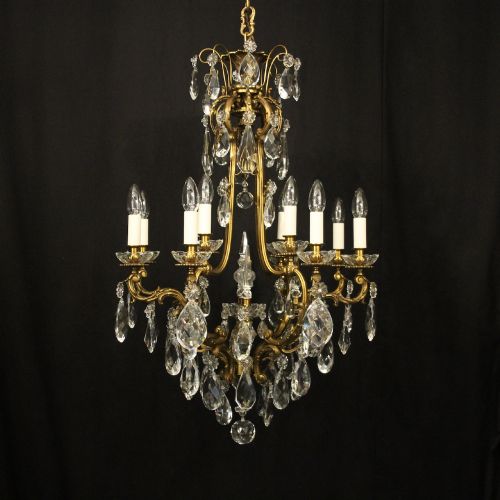
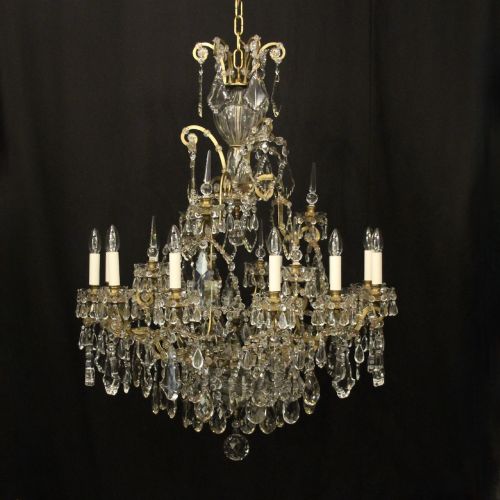
When you search for a french bronze fixture, you encounter lighting designed to hang from ceilings or mount to walls in formal spaces. The inventory on this page consists predominantly of chandeliers and wall lights originating from the nineteenth century through the early twentieth century.
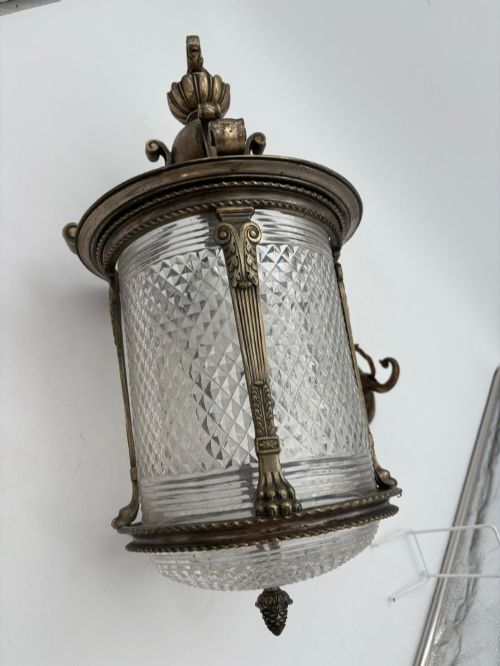
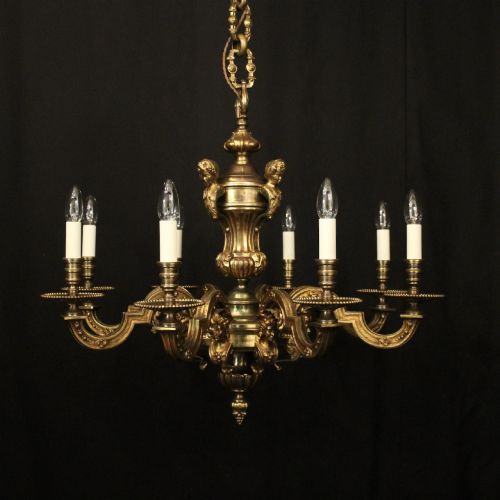
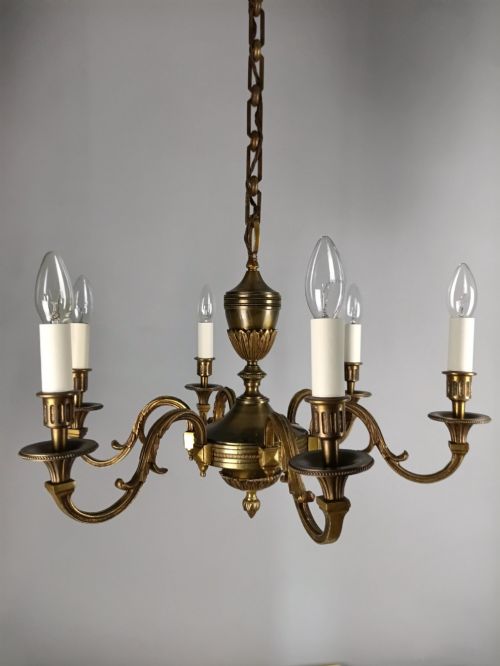
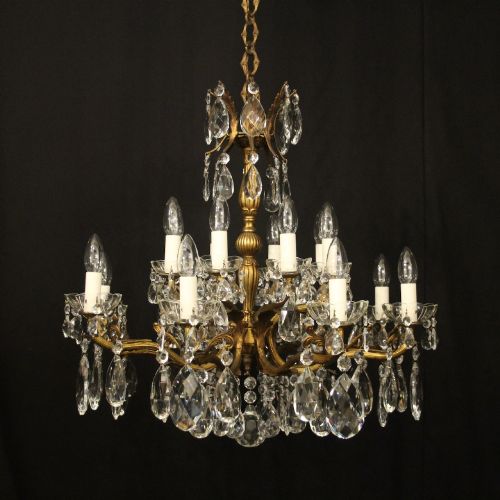
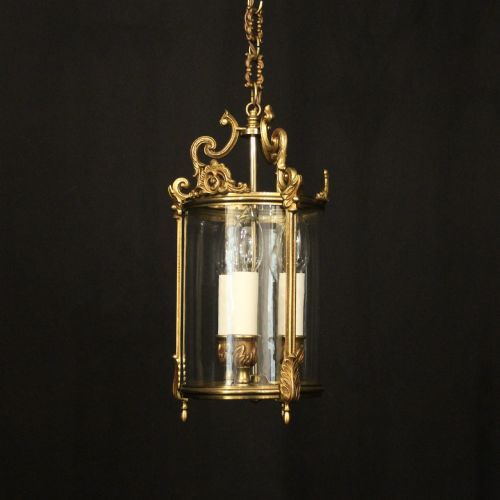
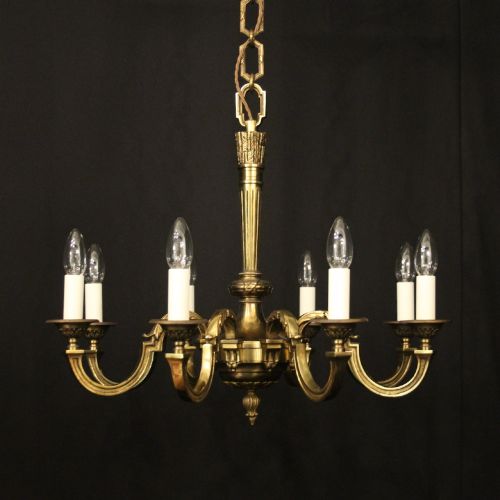
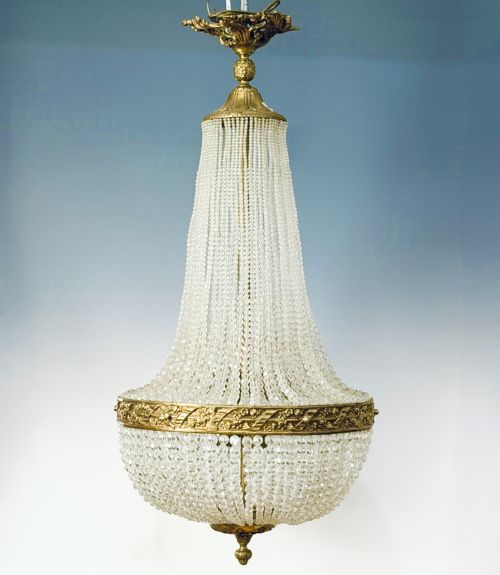
Forms range from multi-arm chandeliers with tent and waterfall crystal configurations to wall sconces and convex hall lanterns. Stylistic expressions span French Rococo, Empire, Neoclassical and Art Deco designs.
The majority of pieces date from the nineteen-twenties and nineteen-thirties, alongside nineteenth-century examples and Edwardian items. These light fittings combine cast metal frameworks with glass elements to distribute illumination.
How they were made
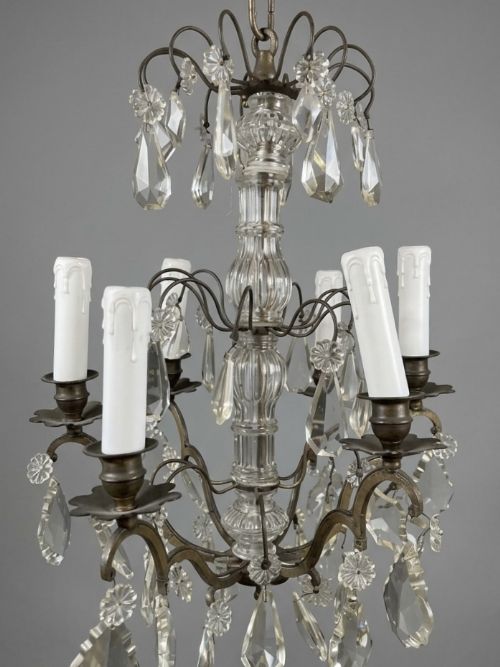
Maker workshops cast metal frameworks in bronze, gilt bronze, or brass, frequently applying gilt or silvered finishes to the surfaces. Artisans incorporated cut glass and crystal drops, arranged in tent and waterfall configurations or suspended from birdcage frames.
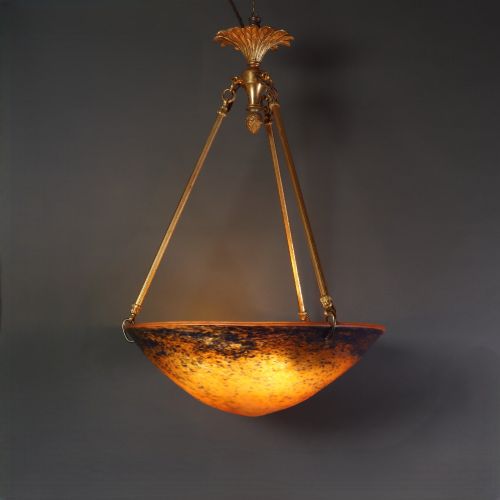
Glass production included moulded art deco shades and plafonniers created by specialised glass houses. Metal components underwent chasing and mounting by hand before assembly with crystal beads and pendants.
French Bronze Fixture Retail Price Guide 2026
Typical asking prices for french bronze fixture among the pieces listed under this phrase on Sellingantiques today, from the lower quarter to the upper quarter. They describe what is for sale here now, not the wider market.
Flying cherubs occasionally join the illumination, dangling cut glass crystal spikes above unsuspecting dinner guests.
What varies in quality
The degree of detail in the metal casting and the crispness of the chased ornamentation distinguish superior work from simpler production. Heavier gauge bronze frames and intricate hand-finished surface gilding indicate higher grade manufacture.
The quality of the glass and crystal components creates variation across pieces, with deeply cut crystal drops and heavier moulded shades representing the upper tier of the range.
Charles Schneider·Degué
The French Bronze Fixture Glossary
- Ormolu
- Gilded bronze produced by applying a mercury-gilding amalgam to cast bronze. This technique creates a durable golden finish seen on nineteenth-century pieces.
- Plafonnier
- A ceiling-mounted bowl light or flush fixture with art glass panels. These direct light downward in interior spaces.
- Tent and waterfall
- A chandelier arrangement where strings of crystal beads form an upper tent shape above a cascading drop. This design maximises light reflection from internal candles or bulbs.
- Spelter
- A zinc alloy utilised as a substitute for bronze in decorative castings. It accepts metallic finishes but possesses a lighter weight than bronze.
French Bronze Fixture: Frequently Asked Questions
What periods do these light fixtures come from?
The pieces span the nineteenth century, the Edwardian era, and the interwar decades up to nineteen-thirty. Many date specifically to the nineteen-twenties and nineteen-thirties.
Nineteenth-century examples frequently display Rococo Revival or Empire styling, while later decades incorporate Art Deco glass elements.
Where were wall lights placed in historic interiors?
Wall lights and sconces typically mounted beside mirrors, fireplaces, or between windows in reception rooms. Pairs provided symmetrical illumination alongside a central ceiling fixture.
In hallways, matching lantern fixtures illuminated entrance spaces and stairwells.
What is the difference between gilt bronze and gilt brass?
Gilt bronze consists of a copper and tin alloy with a gold surface layer, offering a deeper and heavier casting quality. Gilt brass uses a copper and zinc alloy that is generally lighter in weight.
Both materials received surface gilding to achieve a uniform metallic appearance.