

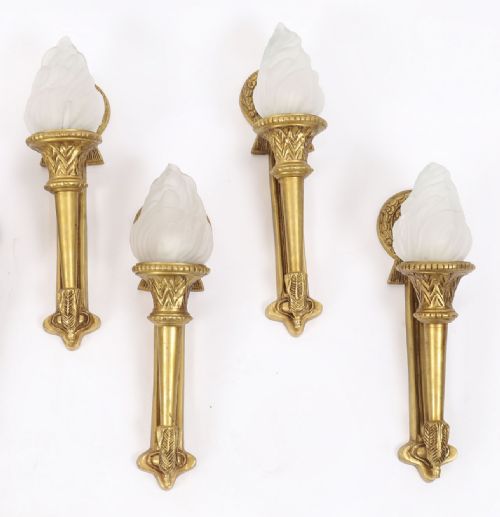


French Brass Wall Lamps
These French brass wall lamps bring enduring decorative presence to a room, offering warm illumination paired with classic continental styling.
French Brass Wall Lamps
When you search for french brass wall lamps, you encounter decorative wall lights and sconces originating from the nineteenth and early twentieth centuries. These fixtures serve as functional wall illumination while providing historical character to interiors.
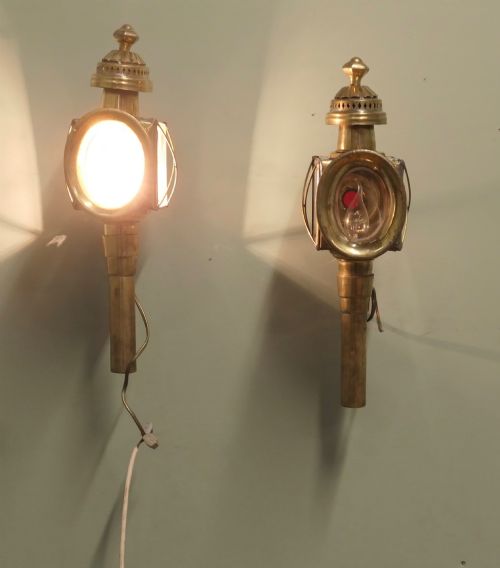
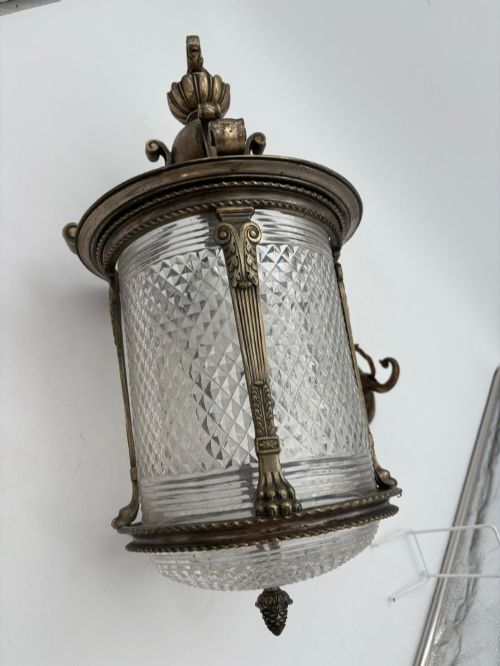
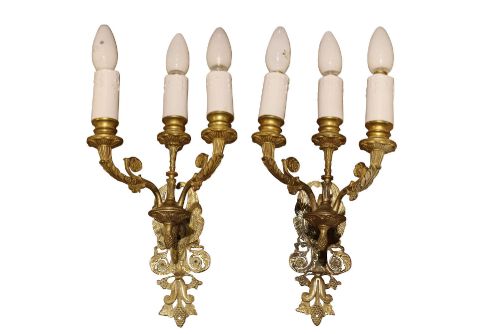
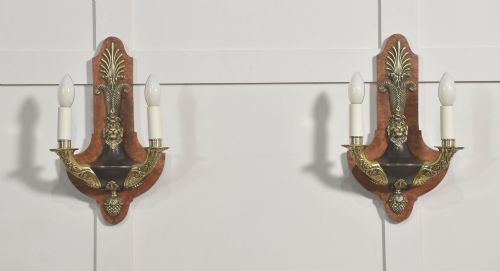
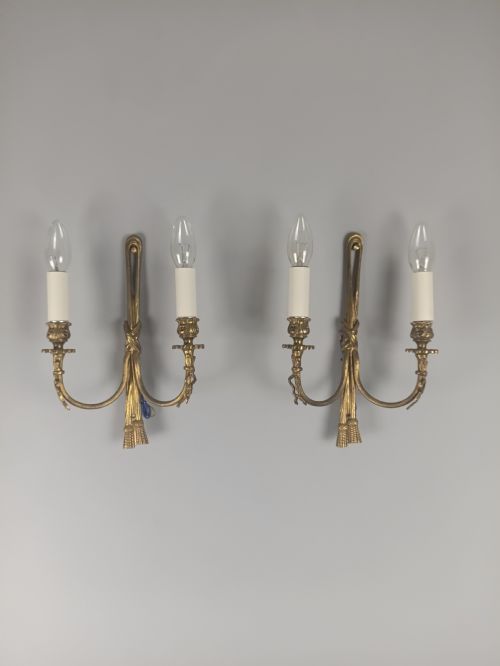
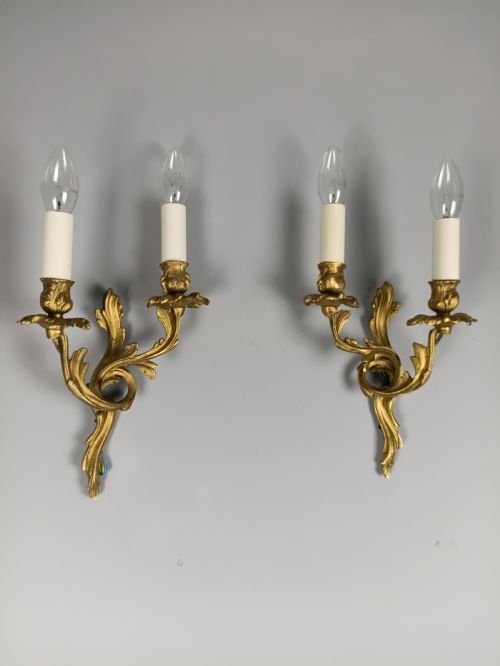
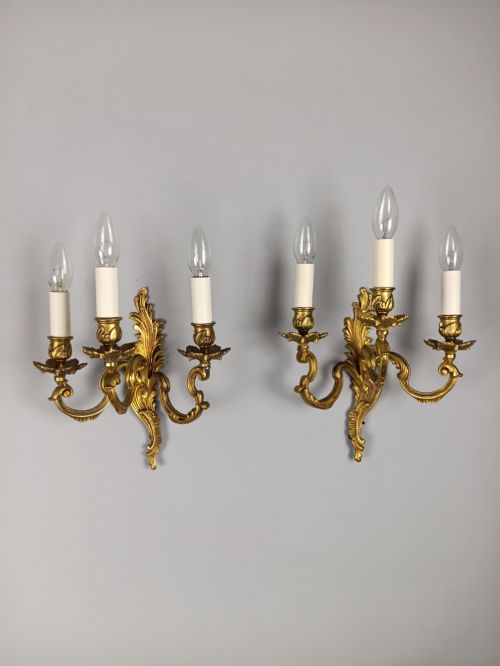
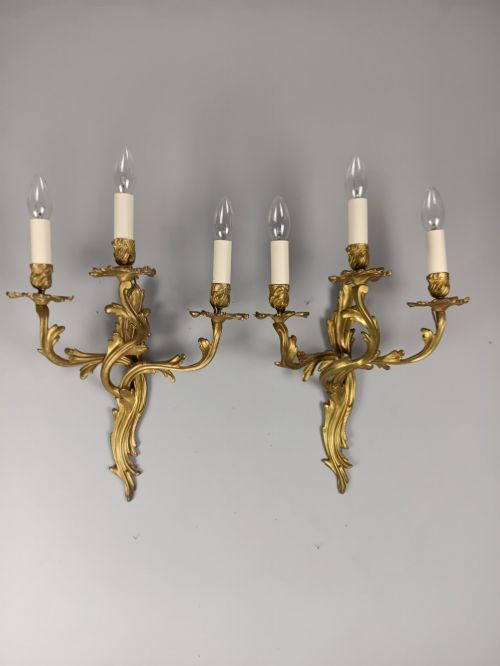
The pieces listed here most commonly date from the nineteen-thirties, the nineteenth century, the nineteen-twenties, nineteen hundred, the Edwardian era, and eighteen eighty. They appear frequently in pairs or sets, taking the form of twin-arm lights, triple-arm sconces, carriage lamps, and half lanterns.
Originating from French workshops and design traditions, these items reflect established continental styles such as Rococo, Empire, Neoclassical, Art Nouveau, and Arts and Crafts. Brass forms the primary body, frequently accompanied by bronze, glass, and copper components.
How they were made
Makers utilised cast and repolished brass, gilt bronze, ormolu, and gilded brass to construct the structural arms, backplates, and lanterns. Metalworking techniques involved casting detailed decorative motifs like ribbons, torches, and cherubs, then finishing the surfaces with gilding or patination.
Glass elements, including original Dugué glass shades and crystal drops, were integrated into the metal frameworks to diffuse light. Toleware components also appear, combining painted metal shades with brass arms in specific bouillotte configurations.
French Brass Wall Lamps Retail Price Guide 2026
Typical asking prices for french brass wall lamps among the pieces listed under this phrase on Sellingantiques today, from the lower quarter to the upper quarter. They describe what is for sale here now, not the wider market.
Period representation spans from eighteen eighty through the Edwardian era up to nineteen thirty.
What varies in quality
Quality separates through the crispness of the metal casting and the depth of the original gilding or bronze work. Finer examples display sharp, hand-finished detailing on decorative elements like ribbons and neoclassical motifs rather than soft, mass-produced edges.
The integrity of integrated materials, such as original crystal drops and signed glass shades like Dugué, distinguishes standard production from superior pieces. Matching sets and pairs also represent a higher tier of quality compared to single lights.
The French Brass Wall Lamps Glossary
- Ormolu
- A technique of applying finely ground, high-carat gold to a bronze object. This surface treatment creates a rich, enduring golden finish on decorative mounts and wall lights.
- Gilt Bronze
- Bronze metal coated with a thin layer of gold. It provides durability alongside a warm metallic lustre.
- Bouillotte
- A style of lamp featuring a central shade, originally adapted from card game lighting. In wall light form, it combines painted metal toleware with brass arms.
- Sconce
- A wall-mounted light fixture designed to hold candles or electric bulbs. These fixtures project illumination outward from vertical surfaces.
- Toleware
- Enamelled and painted metalware produced in imitation of Asian lacquerwork. It adds coloured accents to brass lighting fixtures.
French Brass Wall Lamps: Frequently Asked Questions
How do I wire old wall lights?
Many vintage wall lights require modern rewiring to meet current electrical standards. A qualified electrician can safely update the internal wiring while preserving the original metal backplates and arms.
Retaining the existing lampholders where possible helps maintain the historical integrity of the fixture during the rewiring process.
What periods do these lamps come from?
The available lighting spans from the nineteenth century through the Edwardian period up to nineteen thirty. Common eras represented include eighteen eighty, nineteen hundred, and the interwar years.
Stylistic cues such as Empire motifs or Rococo curves often align with these specific manufacturing periods.
How were carriage lamps used?
Carriage lamps and wall lanterns originally served as exterior or hallway illumination for transport and entryways. Their enclosed glass panels protected the flame from wind and weather.
Today, these robust metal lanterns function effectively as interior wall lights in hallways and passages.
What is the difference between brass and gilt bronze?
Brass is an alloy composed primarily of copper and zinc, offering a bright metallic yellow tone. Gilt bronze utilises a copper and tin alloy treated with a gold coating for a deeper colour.
Bronze castings generally allow for sharper sculptural detail than standard brass production.