









French Brass Sculpture
French brass sculpture encompasses metal figures, clocks, and mounted objects shaped by continental founders across the eighteenth and nineteenth centuries.
French Brass Sculpture
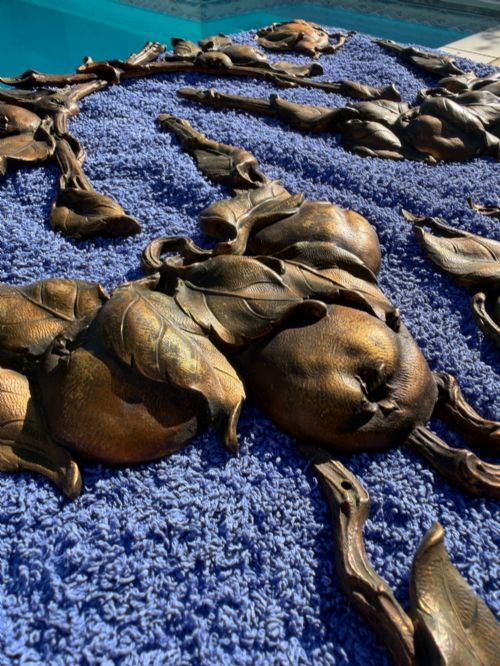
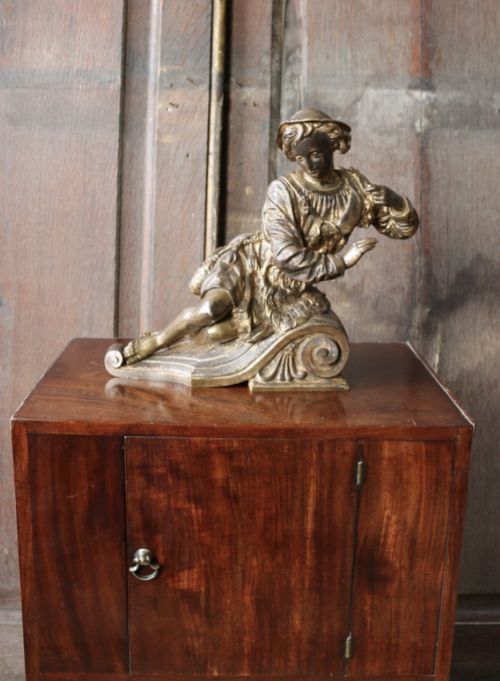
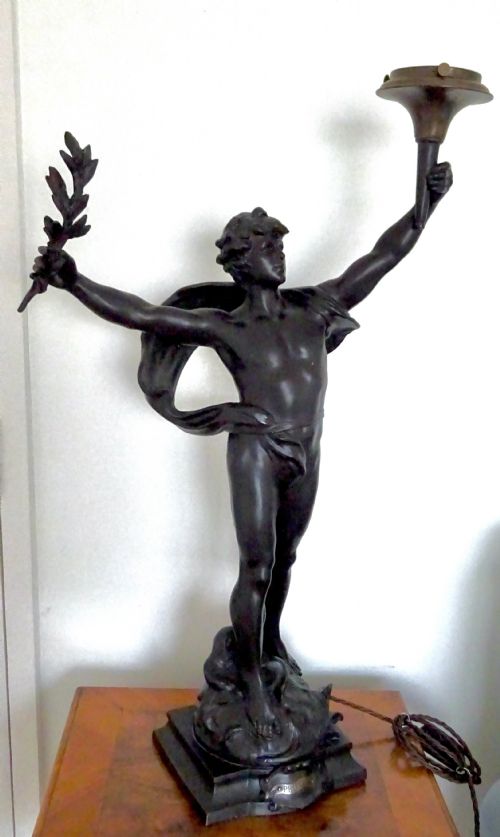
Buyers seeking french brass sculpture encounter a diverse array of metalwork, ranging from nineteenth century mantel clocks and inkstands to figural statuettes and furniture mounts. The selection frequently includes pieces cast in gilt bronze, ormolu, and brass, often paired with materials like marble, glass, and onyx.
The objects span multiple stylistic movements, notably French Empire, Neoclassical, Art Deco, and French Rococo. Figures of animals, historical subjects such as Napoleon Bonaparte, and mythological portraits form the core of the physical inventory.
Materials and construction methods
Founders utilised casting techniques for brass, bronze, and spelter, frequently applying gilt or ormolu finishes to enhance the metallic surface. Many pieces integrate non-metallic elements, mounting metal figures upon marble bases, granite blocks, or onyx pedestals.
Clock sets and mechanical items incorporate fitted movements alongside cast housings, while decorative boxes and caskets combine metal mounts with wooden or glass structures. Surface detailing relies on chiselling and plating rather than simple casting alone.
French Brass Sculpture Retail Price Guide 2026
Typical asking prices for french brass sculpture among the pieces listed under this phrase on Sellingantiques today, from the lower quarter to the upper quarter. They describe what is for sale here now, not the wider market.
Distinctions in quality and finish
The integration of secondary materials also signals grade, with dense marble bases and genuine ormolu gilding marking higher tiers of production compared to painted spelter or composite substitutes.
Poix Blin·Emile-Coriolan Guillemin·Maison Jansen·Andre Guilmet·Japy Freres·Auguste Moreau·Charles Korschann
The French Brass Sculpture Glossary
- Ormolu
- A technique of applying finely ground high-carat gold to a bronze object using a mercury amalgam. This process yields a rich, durable golden surface characteristic of fine decorative pieces.
- Applique
- An ornamental metal mount applied to furniture, walls, or woodwork. These elements provide decorative relief.
- Spelter
- An alloy of zinc and other metals utilised as a cheaper alternative to bronze. It accepts patination readily but offers less structural strength.
- Andiron
- A horizontal metal support raised on legs, used to hold logs in an open fireplace. They frequently feature decorative cast figures at the front.
- Patina
- The surface appearance acquired by metal through age, wear, and chemical oxidation. Collectors examine this layer for signs of originality.
French Brass Sculpture: Frequently Asked Questions
How do I identify ormolu?
Ormolu presents a warm, golden lustre that does not tarnish the way ordinary brass does. Close examination reveals the heavy weight of bronze beneath a finely applied gold wash.
Simulated ormolu often shows base metals or paint where handling has caused wear over decades of use.
Where were these pieces displayed?
Nineteenth century figures and clocks typically occupied prominent positions on mantelpieces, desks, and pedestals within formal rooms. Inkstands and decorative boxes sat upon writing tables in studies and libraries.
Larger architectural mounts adorned furniture panels and interior wall boiserie in townhouses and salons.
How should I clean brass sculpture?
Dusting with a soft, dry brush removes surface particles safely without disturbing delicate patination or gilding. Avoid chemical polishes entirely, as aggressive rubbing strips away thin gold layers.
Professional conservation advice is recommended if deeper cleaning becomes necessary for structural maintenance.
What is the difference between bronze and spelter?
Bronze is a copper alloy prized for its strength, weight, and ability to hold crisp chiselled details after casting. Spelter utilises zinc, making it lighter, softer, and more prone to bending or cracking under stress.
Pieces made from spelter often display painted or bronzed finishes rather than genuine fire gilding.