

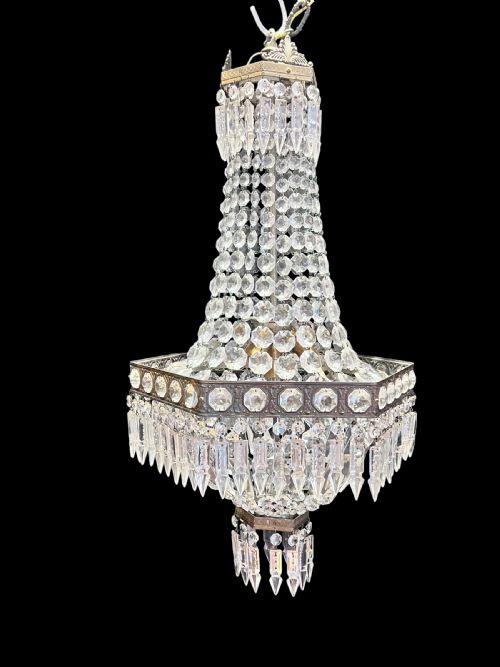
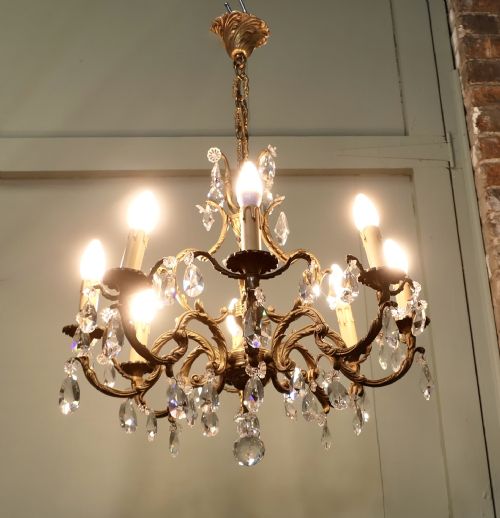
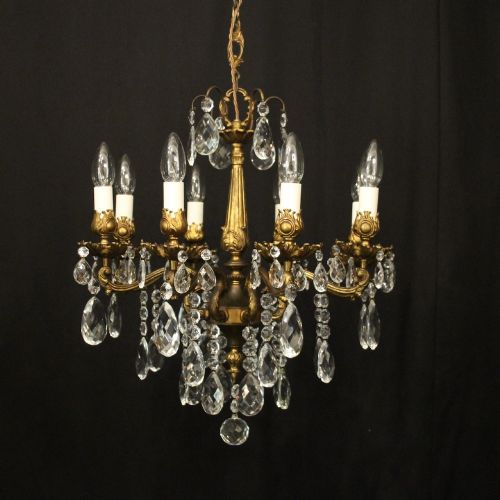
French Brass Pendant
A french brass pendant brings warm metallic reflection and focused illumination to a room, drawing the eye upward with period character.
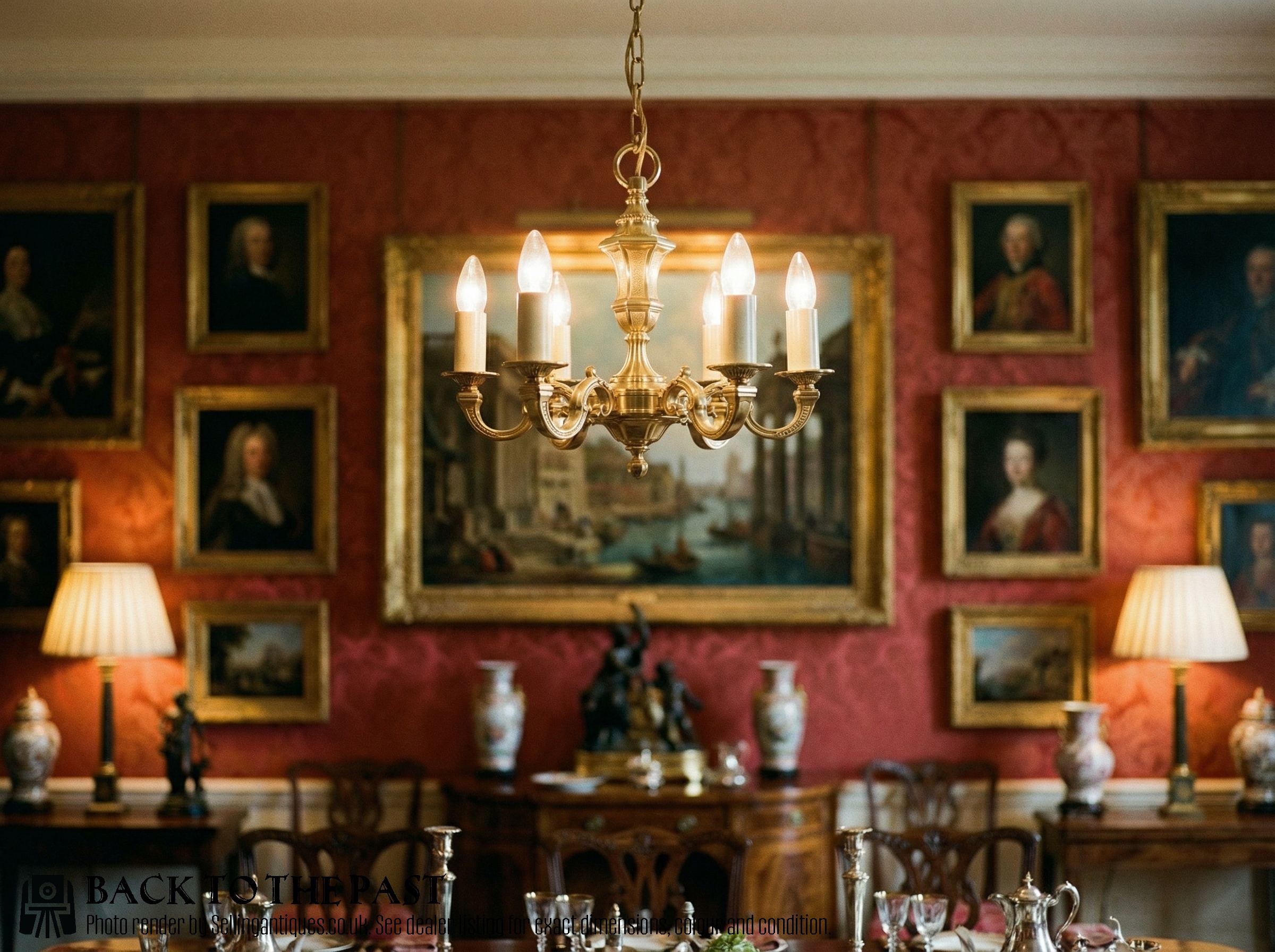
French Brass Pendant
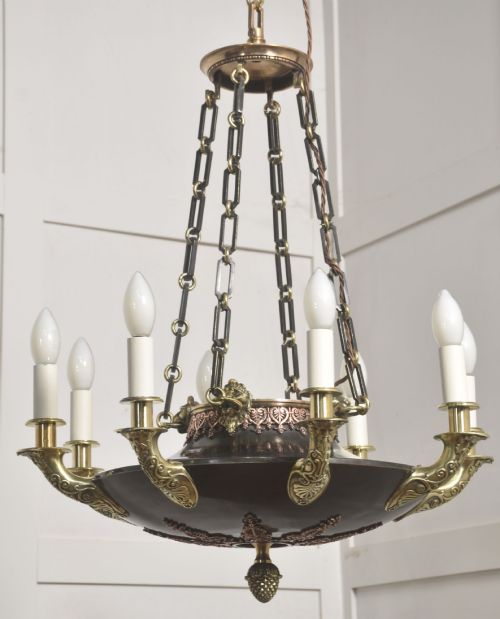
The versions most commonly met on this page date from the Edwardian era through the nineteen-thirties, reflecting periods such as Art Deco, Empire Revival, and French Rococo. They serve as primary or secondary illumination in hallways, reception rooms, and bedrooms.
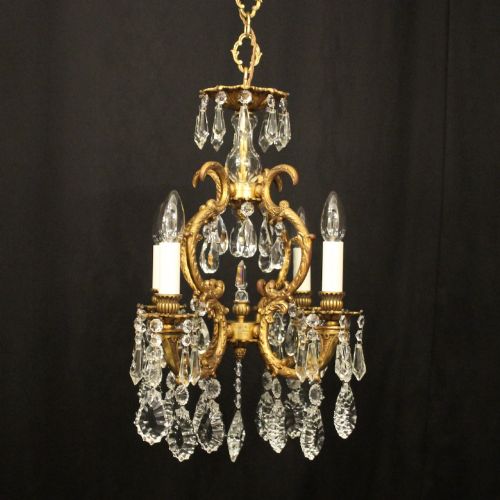
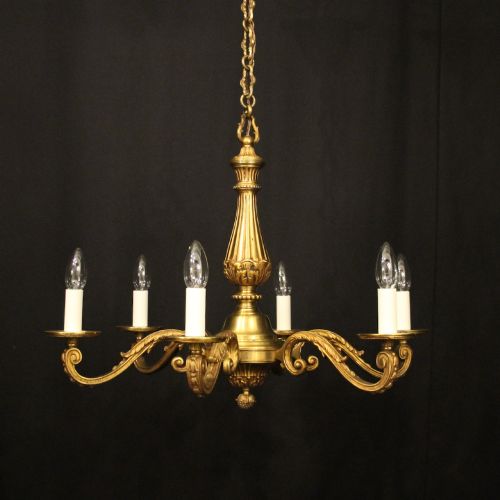
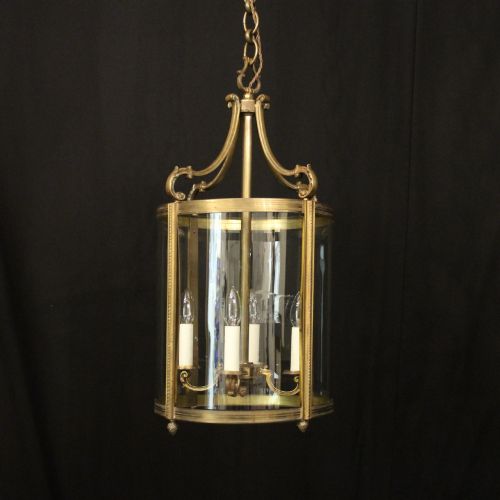
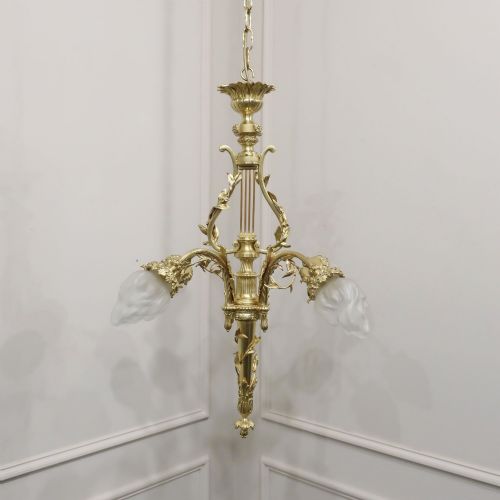
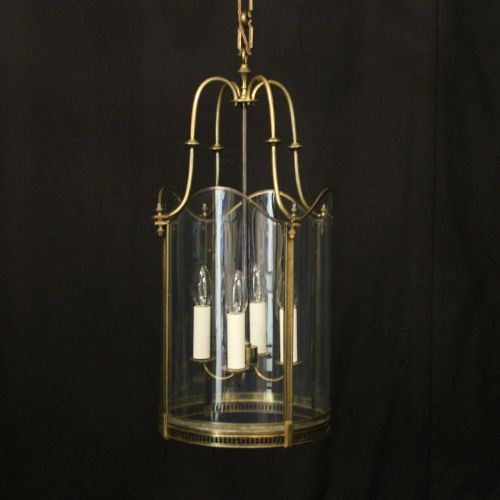
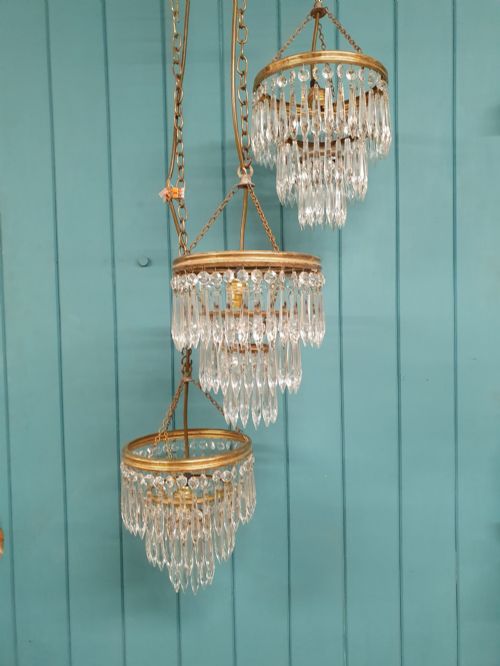
Makers and designers utilised brass, gilt bronze, and gilded brass alongside glass and crystal to create these architectural accents. The forms range from simple glass shades held by brass galleries to elaborate birdcage and tent-and-waterfall chandeliers.
Materials and construction
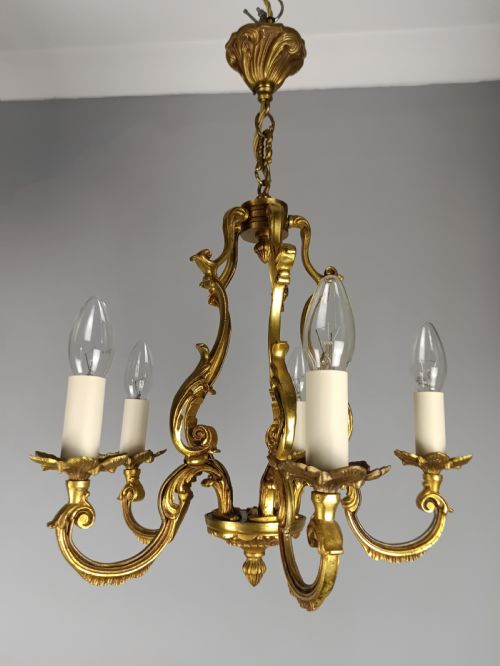
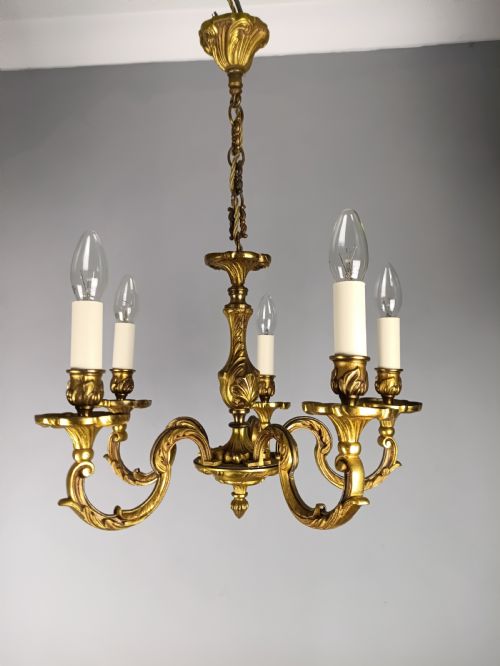
Foundries and workshops constructed these fixtures using cast and spun brass, gilt bronze, and gilded brass. Metal components were often chased or embossed with decorative motifs like leaves, cherubs, and classical scrollwork.
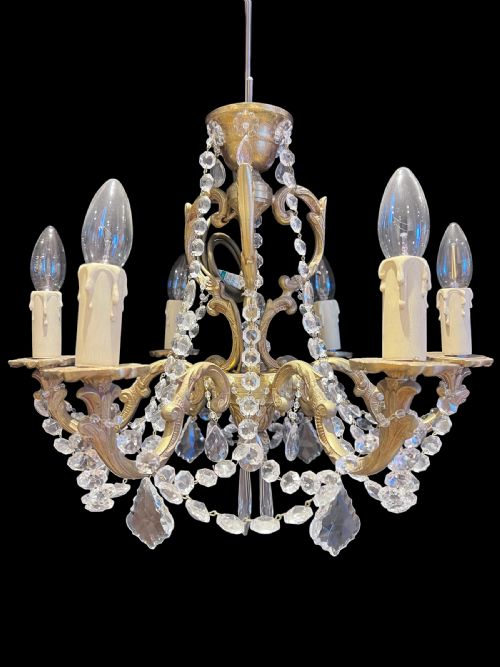
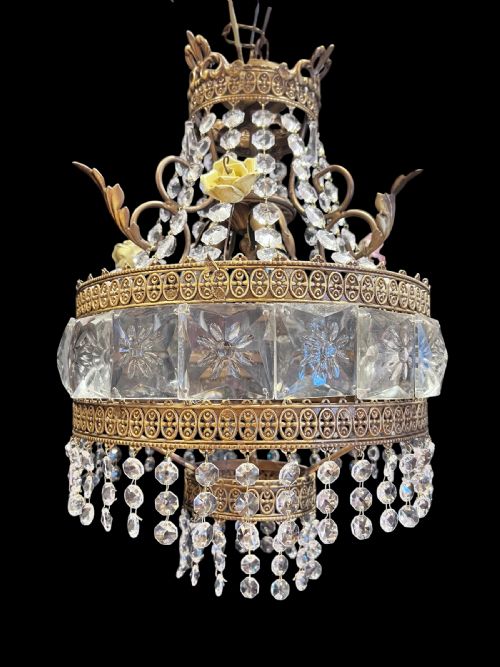
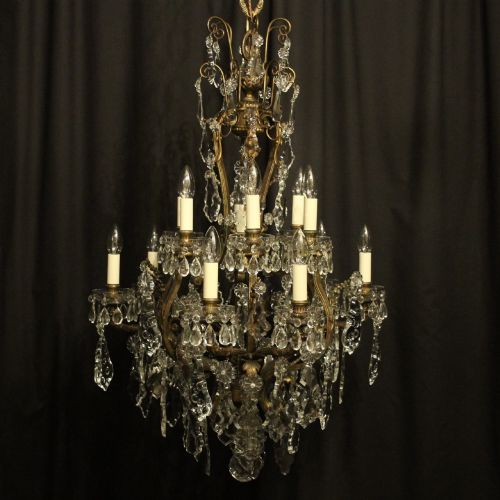
Lighting assemblies incorporated glass elements, including cut crystal lustres, etched glass, opalescent shades, and convex panels. These glass components interact with the metal frames to diffuse or refract light from the internal bulbs.
French Brass Pendant Retail Price Guide 2026
Typical asking prices for french brass pendant among the pieces listed under this phrase on Sellingantiques today, from the lower quarter to the upper quarter. They describe what is for sale here now, not the wider market.
Several pieces feature winged cherubs keeping watch over the bulbs, adding a mischievous sculptural touch to everyday illumination.
Assessing quality and craftsmanship
Quality in these pendants reveals itself through the crispness of the metal casting and the depth of the gilding or patination. Heavier gauge brass and finely chased bronze details distinguish higher tier pieces from simpler commercial productions.
The integration of glass components also dictates the caliber of the fixture, where hand-cut crystal lustres and heavily etched or opalescent glass shades demonstrate superior craftsmanship compared to plain pressed glass.
The French Brass Pendant Glossary
- Gilt bronze
- Metal cast in bronze and subsequently coated with a layer of gold leaf or gilt. This finish provides a warm, enduring metallic sheen.
- Tent and waterfall
- A chandelier configuration featuring an upper canopy of beads arranged like a tent, dropping down into a cascading waterfall effect of crystal strands. This design maximises light refraction.
- Plafonniere
- A ceiling-mounted light fixture that sits flush or very close to the ceiling surface. It often combines a brass mount with a decorative glass bowl or shade.
- Crystal lustre
- A cut glass pendant drop or prism hung from a chandelier to reflect light. These elements are wired or pinned directly to the metal frame.
French Brass Pendant: Frequently Asked Questions
How do I hang a pendant light?
These fixtures suspend from the ceiling using chains, rods, or cord drops attached to a ceiling rose. Professional installation ensures the weight is supported securely by ceiling joists.
Height placement depends on the room function, keeping pendants higher in passageways and lower above dining surfaces.
What rooms suit a brass pendant?
Hall lanterns and smaller glass pendants suit entrance hallways and stairwells where vertical space requires compact illumination. Larger multi-light fixtures fit reception rooms and bedrooms.
Living with these pieces involves balancing their period aesthetic with modern interior lighting schemes.
How do I clean antique brass?
Dust metal frames gently with a dry microfibre cloth to prevent the accumulation of grime. Avoid harsh chemical polishes that strip away the historical patina.
Glass shades and crystal lustres can be removed carefully and washed in lukewarm soapy water before drying thoroughly.